

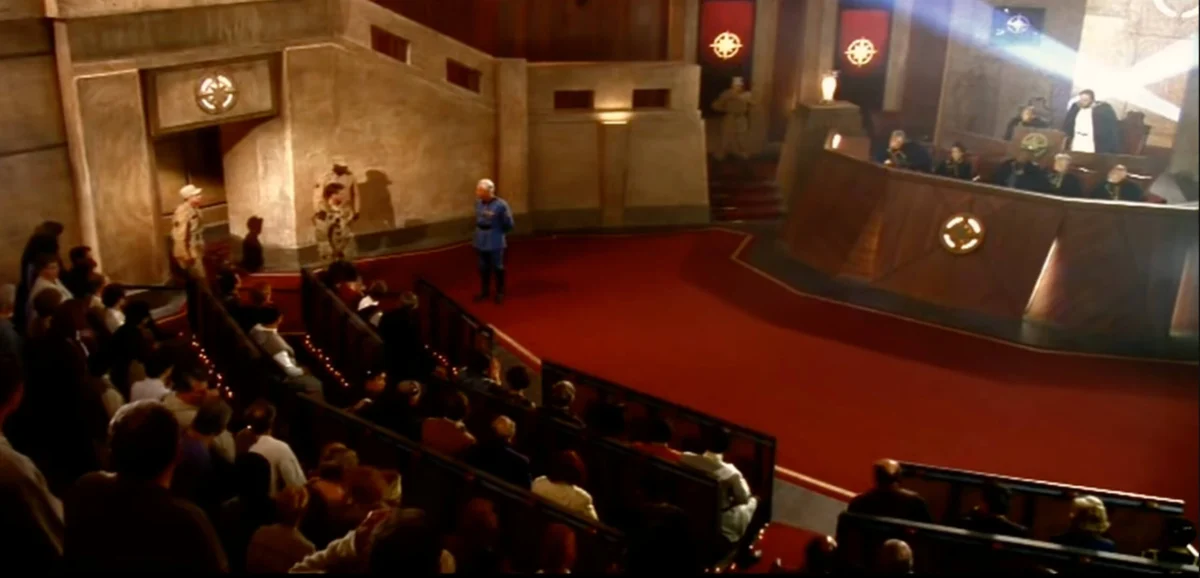
In the mid-1990s, the video game industry stood at a precipice. The transition from pixelated sprites to digitized visuals had convinced a generation of developers that the future of interactive entertainment lay not in abstraction, but in reality. The "Silliwood" revolution—a portmanteau of Silicon Valley and Hollywood—promised a new medium where the player would no longer just watch a movie, but inhabit one.
At the vanguard of this movement was Chris Roberts, the visionary creator behind Origin Systems’ Wing Commander series. By 1996, Roberts had achieved the kind of creative carte blanche rarely afforded to game developers. The result was Wing Commander IV: The Price of Freedom, a project that stands today as the ultimate monument to an era of unbridled ambition, massive budgets, and the fleeting dream that games and cinema were destined to become one.
The Context: A World on the Brink of Convergence
To understand the significance of Wing Commander IV, one must revisit the atmosphere of 1996. For the PC gaming enthusiast, it was a time of immense optimism. The Cold War had ended, the internet was beginning its crawl into the public consciousness, and technology was advancing at a breakneck pace.
Gaming tastemakers like Ken and Roberta Williams (Sierra) and Chris Roberts (Origin) were convinced that the technical limitations of the past—clunky hand-drawn art and MIDI-driven soundtracks—were being rendered obsolete. The new goal was "Full Motion Video" (FMV). By utilizing the massive storage capacity of the then-new CD-ROM, developers could ship games that functioned as interactive feature films.
Chronology of an Epic Production
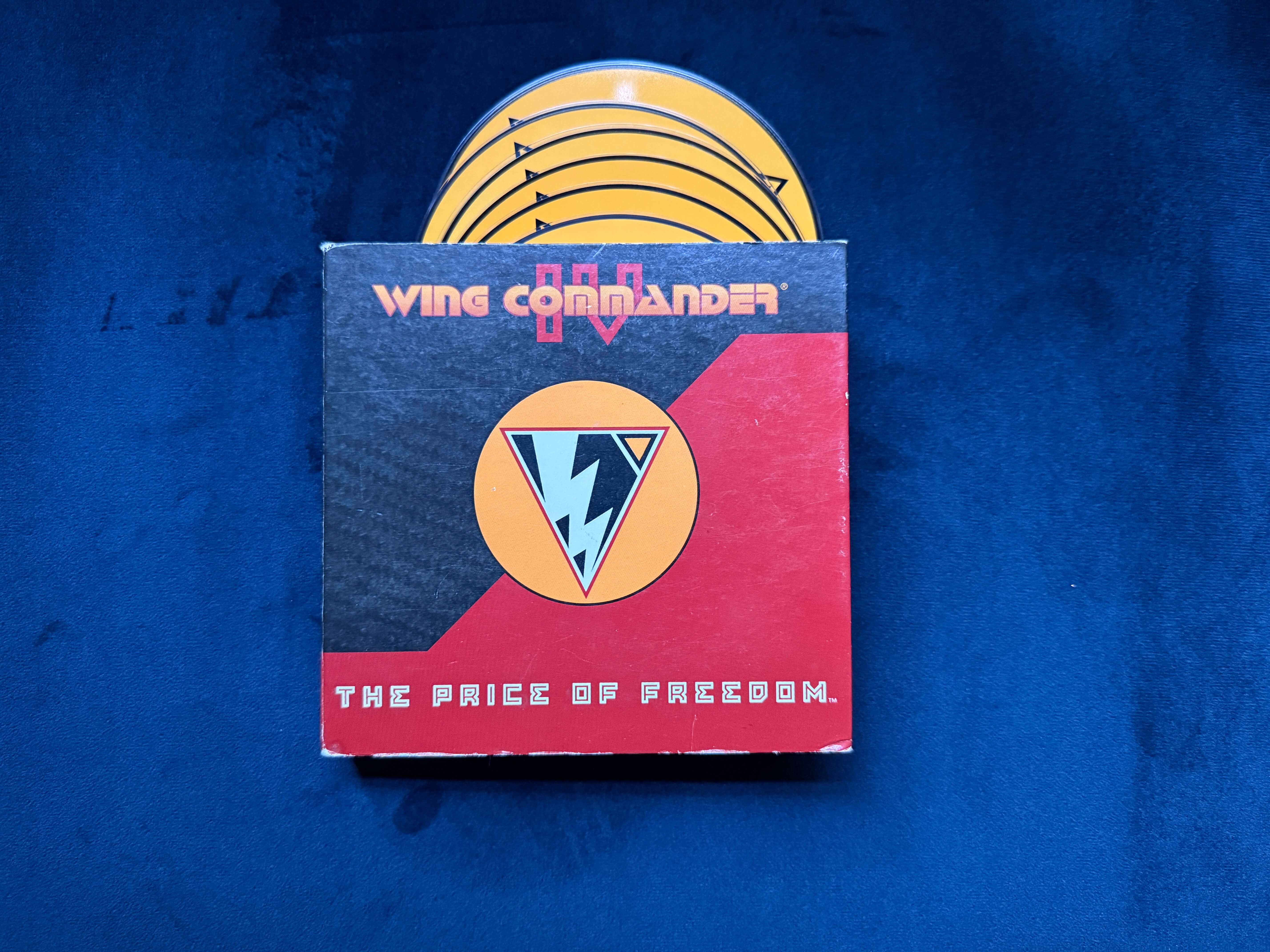
Wing Commander IV was initially targeted for a Christmas 1995 release, a deadline that proved too ambitious for the sheer scale of the production. When it finally arrived in February 1996, it was clear why the delay was necessary. The game shipped on six CD-ROMs, containing roughly four gigabytes of data—a staggering amount for the era.
The Production Pipeline
- 1994–1995: Pre-production begins. Unlike its predecessor, Wing Commander III, which filmed actors against blue screens for digital compositing, WC4 utilized physical, large-scale sets.
- Mid-1995: Filming commences on 35mm film stock, bringing a cinematic quality to the screen that was previously unseen in the medium.
- February 1996: The game hits retail shelves, immediately hailed as a technical benchmark, though critics were divided on the balance between gameplay and narrative.
- Post-Launch: The high cost of production and the cooling of the "interactive movie" trend eventually shifted the industry’s focus away from FMV toward 3D-rendered environments.
Supporting Data: The Cost of Ambition
The financial commitment required to realize Roberts’ vision was unprecedented. Origin Systems invested $12 million into the production of Wing Commander IV. In Daily Variety, the game was famously dubbed "The most expensive CD-ROM production ever."
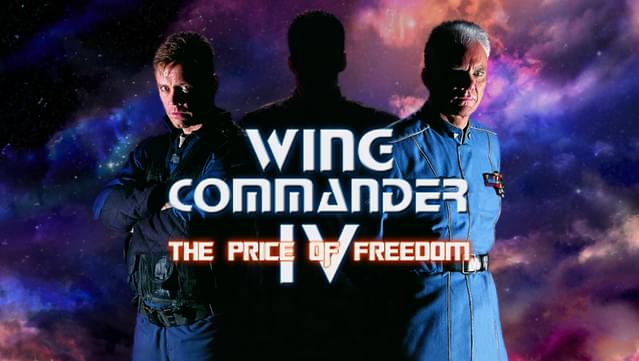
This capital was primarily funneled into the "Hollywood" side of the equation. The project boasted an all-star cast, including Mark Hamill as the protagonist Christopher Blair, alongside industry heavyweights like Malcolm McDowell and John Rhys-Davies. The shooting script was a sprawling 652 pages, accounting for every branching path and narrative outcome. According to industry historians, roughly 90 percent of the game’s total budget was allocated to the cinematic experience, leaving the actual space-combat simulation mechanics as a secondary concern.
The Gameplay Experience: A Double-Edged Sword
The narrative of Wing Commander IV is a classic space opera, picking up after the defeat of the Kilrathi in the previous title. Christopher Blair is pulled from his peaceful retirement to investigate a mysterious pirate threat in the "Border Worlds," eventually uncovering a political conspiracy that threatens the stability of the Terran Confederation.
The core gameplay loop, however, suffered from the "FMV trap." Players would navigate through long, high-production-value cutscenes, only to be thrust into space-combat missions that often felt like filler designed to bridge the gaps between movie segments. While the engine received minor upgrades in lighting and fidelity, the fundamental dogfighting mechanics remained largely stagnant from Wing Commander III. As the game progressed, the difficulty spikes in the space combat often felt disconnected from the narrative, leading to a sense of frustration for players who were primarily interested in the story.
Official Perspectives and Critical Reception
At the time, the reception was largely favorable toward the spectacle, if not the mechanical depth. However, retrospective analysis has been more nuanced. Critics, including those at PC Gamer during the initial launch, noted that the game felt "hollow." The reliance on cinematic flair created an immersive "event," but the interactivity often felt like an afterthought.
The consensus among modern digital historians, such as Jimmy Maher of The Digital Antiquarian, is that Wing Commander IV represents a "path not taken." It is a testament to a moment where the industry believed that the "movie-game" was the inevitable future. While it was a masterclass in production, it also highlighted the fundamental tension between non-interactive storytelling and the agency required for a compelling video game.
Implications: The Legacy of the Silliwood Revolution
Why does Wing Commander IV still matter in 2026? It serves as a fascinating artifact of a specific, idealistic period in technology. It shows us that the marriage of film and gaming, while theoretically appealing, requires more than just high-budget sets and A-list actors.
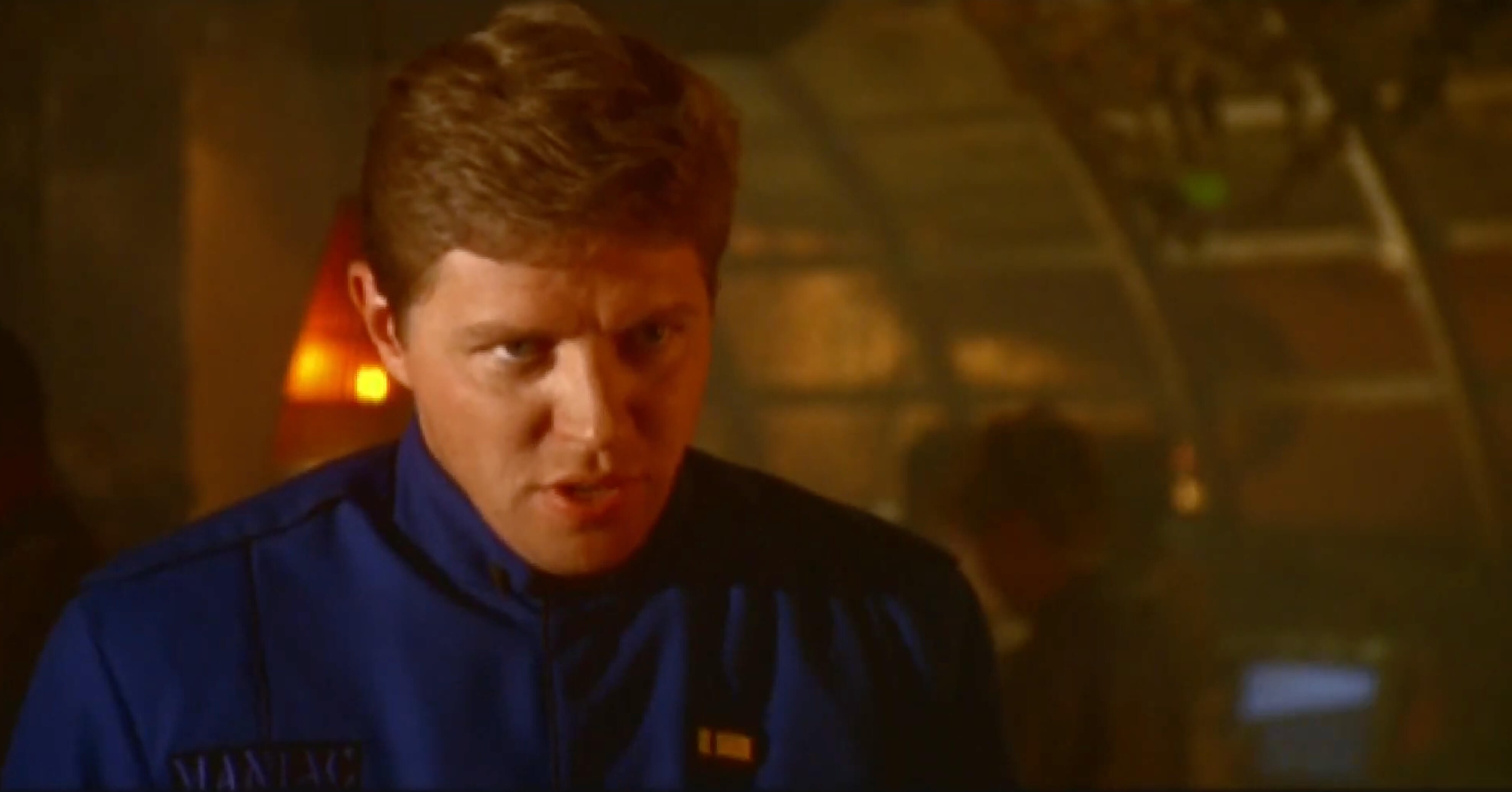
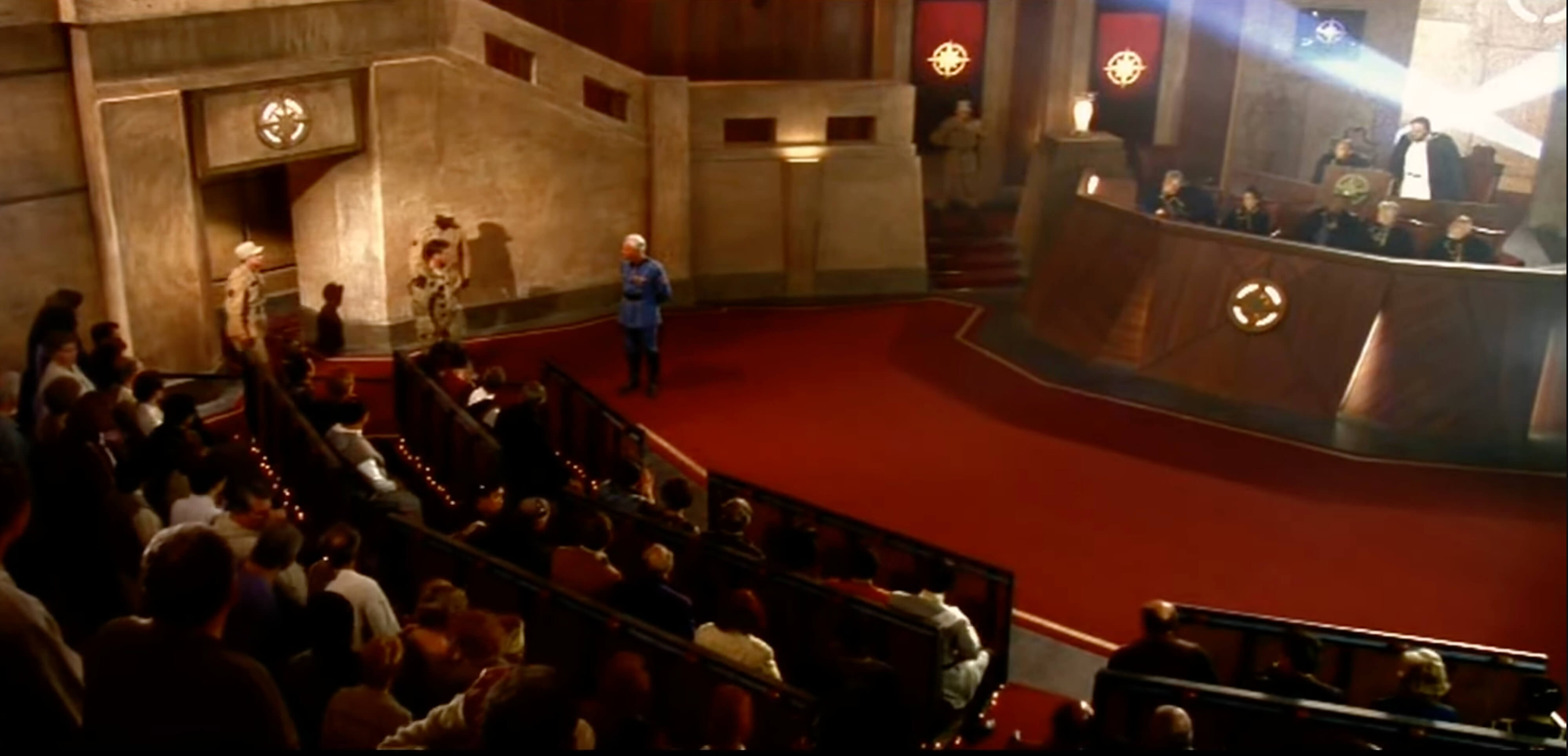
The primary implication of the WC4 experiment was the realization that narrative and gameplay must be integrated, not merely layered on top of one another. The game’s "rhetorical duel" in the Senate chamber—where the player’s choice determines the outcome of the war—was a precursor to the choice-based RPGs that would dominate the next two decades. Yet, the friction between the movie and the cockpit experience remains a warning to developers: if you prioritize the cinematic experience at the expense of the interactive foundation, the player will eventually feel like a spectator in their own game.
Conclusion: A Worthy Artifact
Today, Wing Commander IV is easily accessible on digital platforms like GOG for a nominal price. For the modern player, it is less of a "must-play" combat simulator and more of a mandatory study in historical game design.
It is a beautiful, indulgent, and occasionally frustrating relic. It captures a time when the world seemed to be opening up, when technology felt like it could do anything, and when a single developer could persuade a publisher to bet $12 million on a dream of the future. While the path of the "interactive movie" did not lead to the destination we once envisioned, Wing Commander IV remains the most complete map of that journey—a digital monument to the price of creative freedom, and the sheer audacity of trying to turn a computer into a cinema screen.
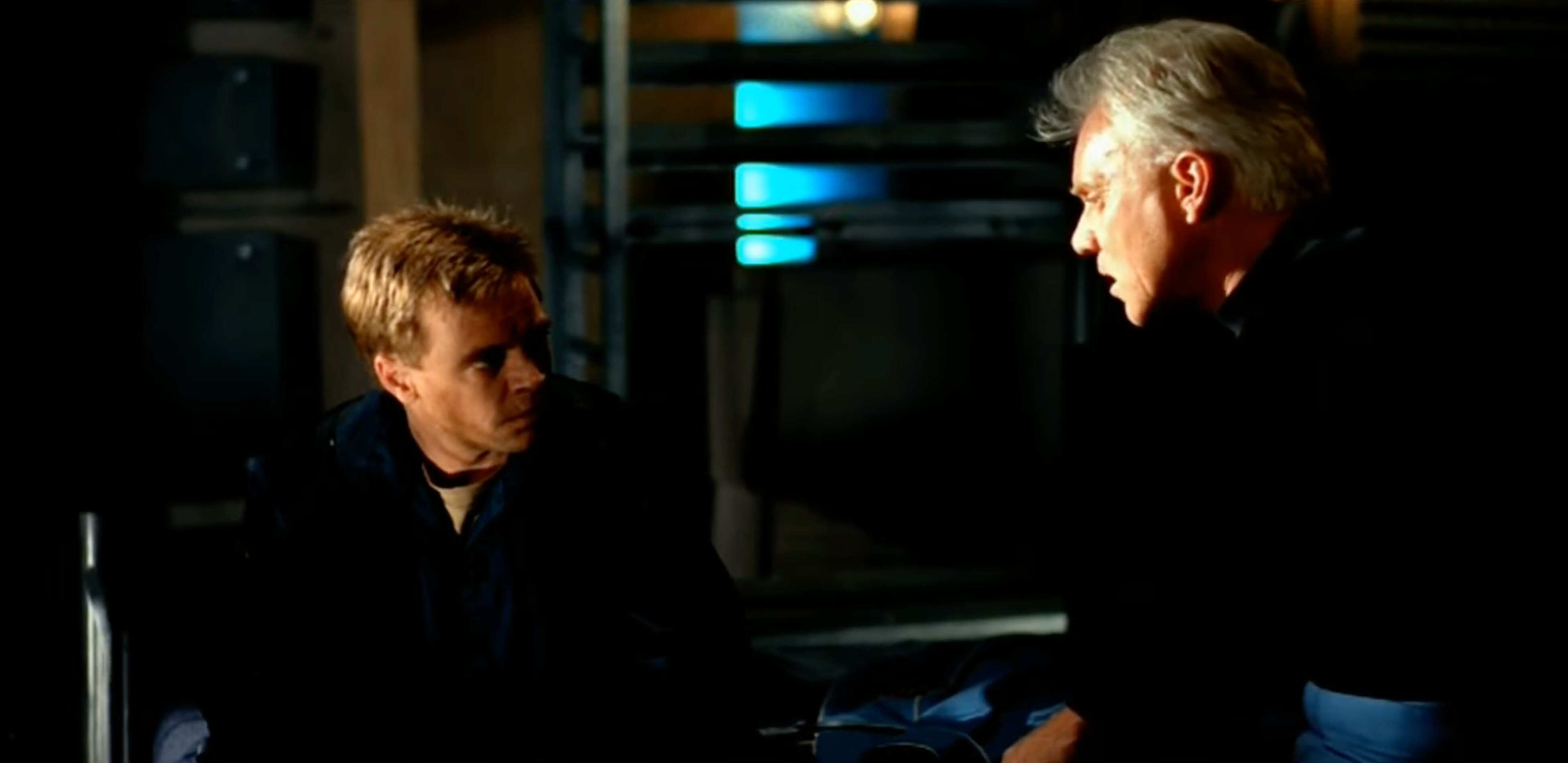
For anyone seeking to understand the roots of modern narrative-heavy gaming, there is no better starting point than the cockpit of the Banshee, waiting for the next scene to begin.











