

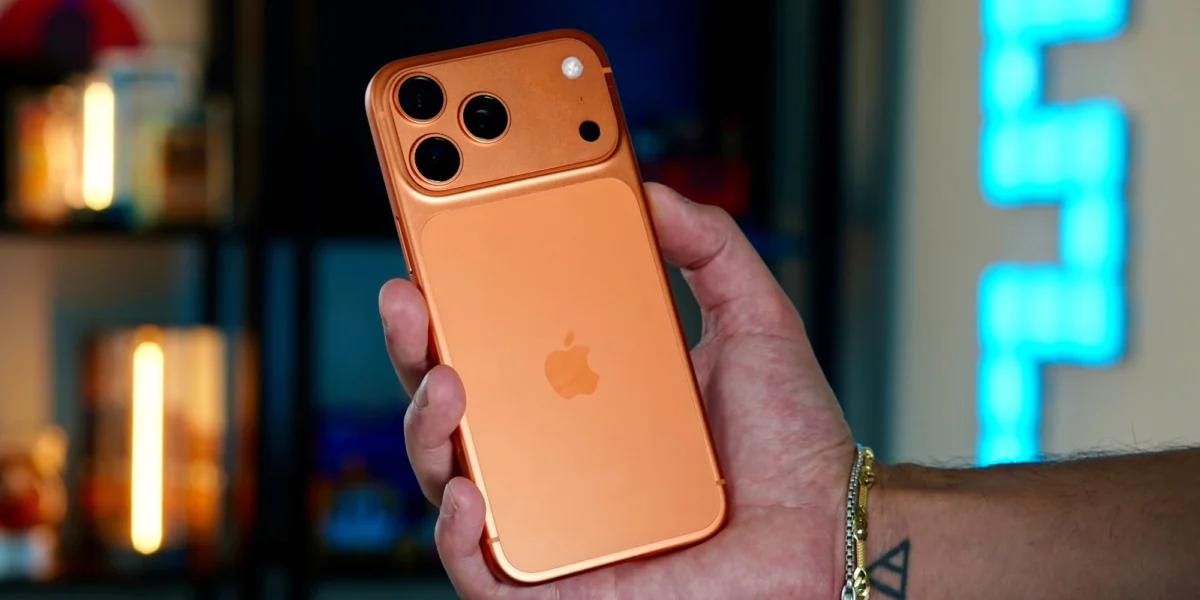
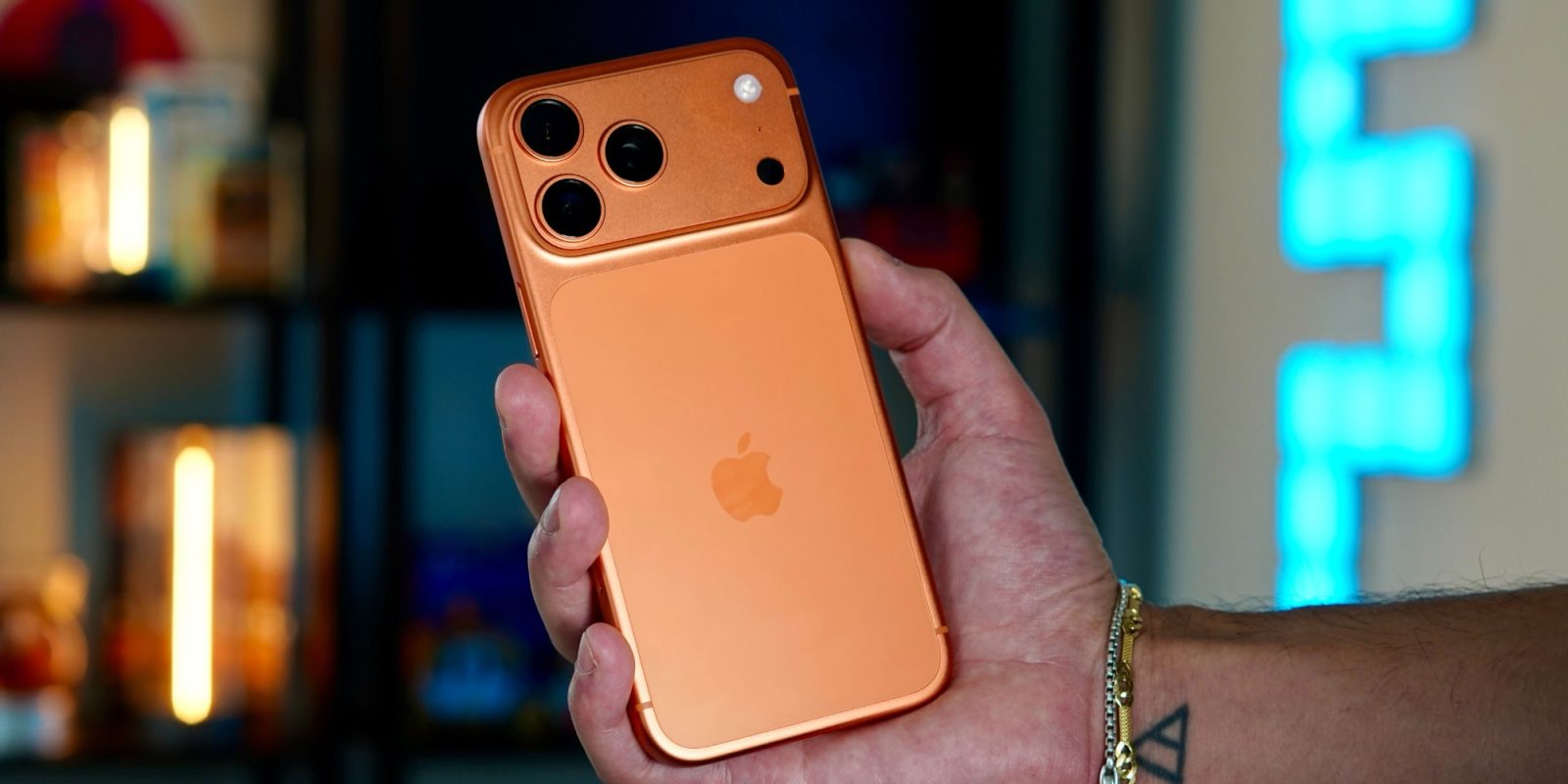
In a historic gesture marking the United States’ Semiquincentennial—the 250th anniversary of the signing of the Declaration of Independence—a monumental time capsule has been sealed and interred. While the capsule contains a vast array of artifacts representing the cultural, technological, and social fabric of modern American life, one item has captured the fascination of the tech world: a pristine iPhone 17 Pro Max in the limited-edition "Cosmic Orange."
This device, intended to serve as a digital snapshot of 2026, is scheduled to remain buried until 2276. As historians and engineers alike reflect on the project, the move raises profound questions about the longevity of lithium-ion technology, the evolution of human computing, and what it truly means to preserve our current era for generations who may exist in a post-smartphone world.
The Core Facts: A Digital Snapshot of 2026
The decision to include the iPhone 17 Pro Max was driven by a desire to encapsulate the pinnacle of personal computing during this specific moment in history. The device represents the intersection of sophisticated hardware, advanced AI-driven software, and the ubiquitous nature of mobile connectivity that defines the 2020s.
The "Cosmic Orange" variant, chosen for its distinct visual flair, serves as a symbolic marker of the era’s design language. Within the device’s internal storage, the curators have included a collection of "digital artifacts"—a curated repository of photos, videos, and notes that provide a glimpse into the daily existence of a 2026 citizen. From the mundane, such as digital grocery lists, to the profound, like reflections on current geopolitical and environmental states, the iPhone is meant to act as a time machine.

However, the reality of physics looms large over this project. The primary challenge is the battery. Modern lithium-ion cells are designed for daily charge cycles and a lifespan typically measured in a few years, not centuries. Experts suggest that long before the capsule is unearthed in 2276, the chemical components of the battery will have likely degraded to the point of structural failure or complete chemical stagnation.
A Chronological Perspective: From Invention to 2276
To understand the scale of this experiment, one must look at the trajectory of mobile technology.
- 2007: The original iPhone is released, fundamentally changing the landscape of telecommunications and personal computing.
- 2026: The iPhone 17 Pro Max is released, representing nearly two decades of rapid iterative advancement.
- 2026 (The Burial): The device is hermetically sealed within a protective, vacuum-sealed container designed to mitigate environmental decay.
- 2050–2150: An era of technological transition where, theoretically, physical silicon-based devices may be largely superseded by advancements in quantum or bio-integrated computing.
- 2276 (The Unsealing): The bicentennial of the capsule’s interment. The world will be vastly different, and the iPhone 17 Pro Max will be viewed as a relic of a primitive digital age, much like a Victorian-era mechanical clock is viewed by us today.
The gap of 250 years is immense. For context, 250 years ago, the primary mode of long-distance communication was the handwritten letter, and electricity was a subject of scientific curiosity rather than a societal foundation. The jump from the 1770s to the 2020s saw the invention of the steam engine, the telegraph, the telephone, the internet, and the smartphone. Projecting another 250 years forward, it is entirely possible that the concept of a "device" as we know it will have become obsolete.
Supporting Data: The Physics of Decay
The scientific community has expressed significant skepticism regarding the operability of the device upon its discovery. The degradation of lithium-ion batteries is a well-documented process. Even if the battery were removed, the internal circuitry of the iPhone 17 Pro Max faces risks that are difficult to mitigate:
- Electrochemical Migration: Over long periods, the electrolytes within the battery can leak or solidify, potentially damaging the motherboard.
- Oxidation: While the capsule is sealed, microscopic atmospheric changes within the container could lead to slow-motion oxidation of the copper and silicon traces on the logic board.
- Data Integrity: Solid-state flash storage relies on trapped charges to store data. Over a period of 250 years, "bit rot"—the slow loss of these charges—is statistically probable, meaning the "digital artifacts" may be unreadable even if the phone were powered on.
Despite these hurdles, the curators remain optimistic. They emphasize that the value of the iPhone is not necessarily in its ability to function, but in its existence as a tactile piece of history. To a researcher in 2276, the phone serves as an archaeological record of how humanity interfaced with the world in the early 21st century.
Official Responses and Public Sentiment
The move has sparked a firestorm of discussion across social media and tech forums. A representative from the project stated: "We are aware of the limitations imposed by modern battery chemistry. We aren’t banking on the device being a daily driver in 2276. We are banking on it being a tangible, physical link to the way we thought, lived, and communicated in 2026. If it turns on, that’s a miracle; if it doesn’t, it’s still a masterpiece of industrial design."
Public response has been a mix of wonder and cynicism. Enthusiasts argue that if the battery is replaced—or if the device is carefully jump-started using advanced 23rd-century charging protocols—the data could be recovered. Others suggest that the "Cosmic Orange" finish will be the most valuable aspect of the device, as colors and design aesthetics often become the defining characteristics of historical artifacts.
On X (formerly Twitter), tech enthusiasts have already begun debating the "over/under" on the phone’s operability. The consensus, ironically, is that a folding-screen prototype—had one been available—might have been a more fascinating choice, though perhaps less stable for long-term storage than the rigid structure of the Pro Max.

Implications: What Does This Mean for Our Future?
The inclusion of the iPhone 17 Pro Max in the 250th-anniversary time capsule carries heavy implications for how we view our current technological trajectory. We live in an era where we create "disposable" technology. We upgrade our devices every few years, discarding the old ones, rarely considering their place in the long arc of human history.
The Shift Toward Neural Interfaces
By 2276, the concept of a handheld device may seem as antiquated as a stone tablet. If the path of human-computer interaction moves toward neural implants or augmented reality interfaces, the idea of holding a glowing glass rectangle will appear quaint. The iPhone 17 Pro Max will likely be viewed as a "transitional object"—a device that sat between the era of external screens and an era of seamless, internal integration.
The Problem of Digital Obsolescence
Perhaps the most significant lesson from this time capsule is the fragility of our digital lives. We save our memories to clouds and servers that require constant maintenance, constant energy, and constant software updates. By burying an iPhone, we are attempting to freeze a moment in time, yet we are restricted by the limitations of our own current technology.
If we truly wanted to preserve the essence of 2026 for the year 2276, should we have chosen something more permanent? A printed book, a stone carving, or an analog film strip might have lasted longer. Yet, the choice of the iPhone is deliberate. It highlights the central irony of our age: we have built a society entirely dependent on complex, short-lived machines.

Conclusion: A Legacy in Orange
As the capsule rests beneath the earth, the iPhone 17 Pro Max in Cosmic Orange remains a silent witness to our times. Whether it wakes up in 2276 to display a photograph of a family dinner or remains a dormant shell of glass and metal, it has already achieved its purpose. It has forced us to look forward, to contemplate the span of 250 years, and to wonder what the humans of the future will think of the people who once held these devices in their hands, staring down at screens, trying to connect with a world that was moving just as fast as they were.
The question remains: When they open that capsule in 2276, will they see a marvel of engineering, or a relic of a civilization that was obsessed with the present, yet strangely disconnected from the future? Only time—and perhaps a very specialized battery charger—will tell.











