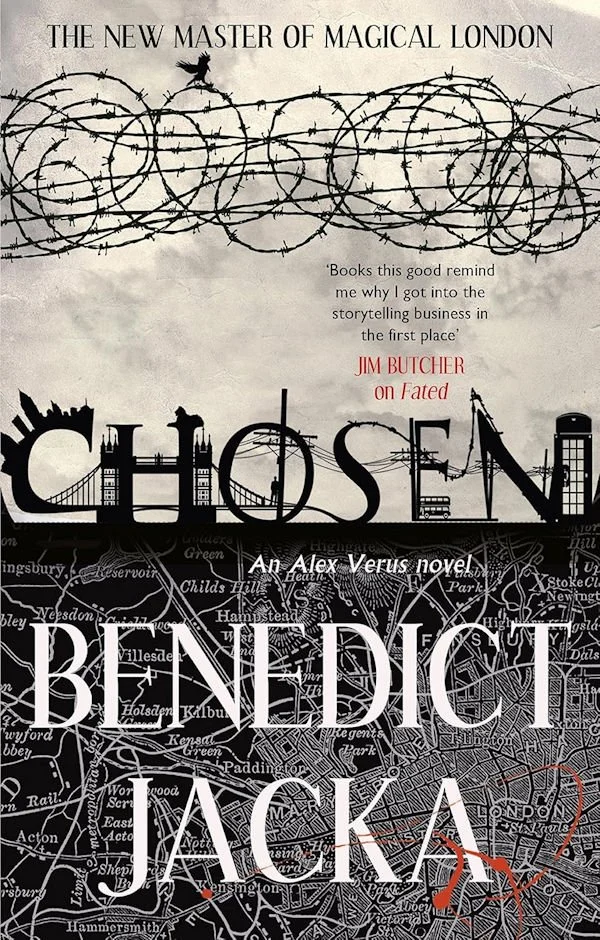
In the competitive landscape of urban fantasy, few protagonists have managed to balance the scales of morality, wit, and raw survival as effectively as Alex Verus. A diviner capable of seeing the infinite branching paths of the future, Verus has navigated the treacherous magical underworld of London for years. However, with the release of Chosen, the series reaches a pivotal inflection point. Moving beyond the procedural "scrape-of-the-week" format that characterized the early entries, Chosen forces its protagonist to confront the ghosts of his own history, marking what critics are calling the most significant evolution in the franchise to date.
The Core Narrative: A Past Reclaimed
At the heart of Chosen is a departure from the external threats that usually plague the magical community. While rumors of his former master’s return create a persistent atmospheric dread, the primary antagonist is more intimate: a young adept seeking vengeance for the atrocities Alex committed during his formative years as an apprentice to a Dark mage.
For long-time readers, the moral ambiguity of Alex Verus has always been a point of intrigue. Unlike heroes who rely on raw power, Alex is a tactician. He does not "blast his way through" obstacles; he outmaneuvers them. But Chosen strips away the layers of his current, reformed persona to reveal the cold, calculated survivor who once served the darkness. The novel poses a central question: Can a man who has done terrible things truly be redeemed, or is he merely waiting for his past to catch up with him?
Chronology of a Character Arc
To understand the significance of Chosen, one must view the trajectory of the series through a chronological lens.
- The Introduction (Books 1–2): The series established the rules of the world—the distinction between Light and Dark mages, the isolation of a diviner, and the precariousness of Alex’s shop, Arcana Emporium.
- The Expansion (Book 3): The scope of the world grew, introducing key members of the "found family" dynamic, including his apprentice, Luna.
- The Reckoning (Book 4: Chosen): This entry acts as a narrative pivot. It is no longer about the external politics of the Council or the immediate threat of a villain. It is an internal audit of the protagonist’s soul. By forcing Alex to disclose his history to his closest allies, the narrative shifts from an adventure series to a character-driven drama of high stakes.
Supporting Data: Why Chosen Resonates
What makes Chosen stand out in the crowded urban fantasy market is the shift in focus from magical spectacle to character pressure-testing.
The Weight of Found Family
The "found family" trope is a staple of the genre, but it often remains static. In Chosen, the bonds between Alex, Luna, and his other associates are placed under a microscope. When the truth of Alex’s dark apprenticeship is revealed, the narrative doesn’t provide an easy out. The friends he has cultivated are forced to weigh the man they know against the monster he once was. This uncertainty—the fear that his friends might abandon him—creates a palpable tension that defines the book’s emotional core.
The Tactical Advantage
Despite the focus on character, the "sharp" action sequences remain intact. Alex’s divination powers provide a unique storytelling mechanic that avoids the pitfalls of "power creep." Because he cannot match the raw energy output of high-level elementalists or necromancers, his victories are cerebral. Readers are treated to the thrill of a protagonist who wins not because he is stronger, but because he is smarter. The inclusion of his signature sarcasm and biting banter ensures that while the themes are heavy, the tone remains grounded and accessible.
Official Perspectives: The Evolution of the Mage
While the author’s voice remains firmly planted in the first-person perspective, the "official" sentiment surrounding this release is that the series has finally "hit its stride."
In industry circles, Chosen is frequently cited as the book that separates the casual reader from the dedicated fan. The shift is intentional: by exploring the trauma and moral compromises of the protagonist, the series gains a level of literary gravitas that is rare in contemporary fantasy. The internal conflict—the struggle between the man Alex is trying to be and the man he was forced to become—is portrayed as the ultimate test of his character. He desires peace, yet his survival instincts are honed for war. This duality is not just a plot point; it is the engine of the entire narrative.
Implications for the Series Future
The release of Chosen carries significant implications for the future of the Alex Verus series.
1. The End of Secrecy
The most profound implication is that the "smoke and mirrors" Alex uses to manage his life are beginning to fail. By revealing his past, he has fundamentally altered his relationships. Any future conflicts will be colored by the knowledge that their leader is capable of the same darkness he opposes. This creates a new dynamic where trust is no longer a given but a resource that must be earned.
2. High Stakes and Permanent Consequences
The narrative arc established in Chosen suggests that the series is moving toward a grander conclusion. With the "Dark Master" arc looming, the stakes have escalated from personal survival to existential threats. The book successfully communicates that, in the world of Verus, there are no "take-backs." Actions have weight, and the consequences of the past cannot be erased—only accounted for.
3. Genre Positioning
By succeeding in this transition to a more mature, character-centric narrative, the series has solidified its place as a cornerstone of modern urban fantasy. It has successfully avoided the stagnation that plagues long-running series by refusing to let the protagonist remain the same person he was in the first chapter.
Conclusion: A Must-Read Milestone
For those who have been following Alex Verus from his humble beginnings in the London magical scene, Chosen is not just another entry—it is the destination. It is the moment where the series stops hinting at the darkness and finally dives headfirst into it.
The book is a masterclass in pacing, balancing high-octane tactical combat with the slow-burn psychological unraveling of a man who has spent too long hiding behind his own futures. As the series moves forward, it does so with a sense of gravity and urgency that was missing in earlier volumes. If you have been waiting for the moment when Alex Verus moves from a clever trickster to a truly complex, morally complicated figure, Chosen is that moment. It is, quite simply, the best the series has to offer.
The question remains: when the dust settles, will Alex Verus still be the man his friends need him to be? Based on the evidence provided in this pivotal chapter, the answer is far from guaranteed—and that is exactly why you cannot afford to skip it.