Muslim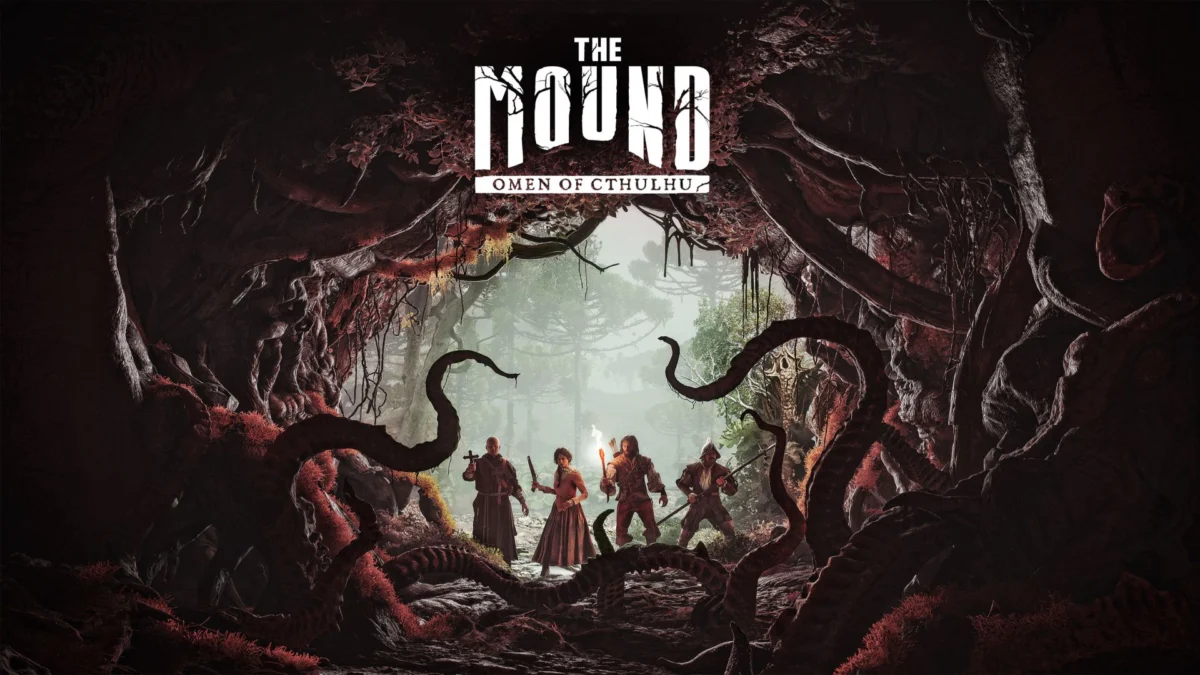
By Shane Limbaugh
Published June 4, 2026
The landscape of cooperative horror has seen a meteoric rise in recent years, with titles like Lethal Company and R.E.P.O. proving that the synthesis of emergent gameplay, proximity-based communication, and existential dread is a winning formula. However, The Mound: Omen of Cthulhu—the latest project from ACE Team and publisher Nacon—aims to take this established sub-genre and apply a more somber, historically grounded, and narratively dense filter.
Based on the literary work of the same name, The Mound transports players to a medieval-inspired setting where the veil between our reality and the eldritch beyond is dangerously thin. Having spent an intensive hour running through missions with the development team, it is clear that while the game shares DNA with the "extraction horror" genre, it is scaling up the ambition to deliver something far more visceral.
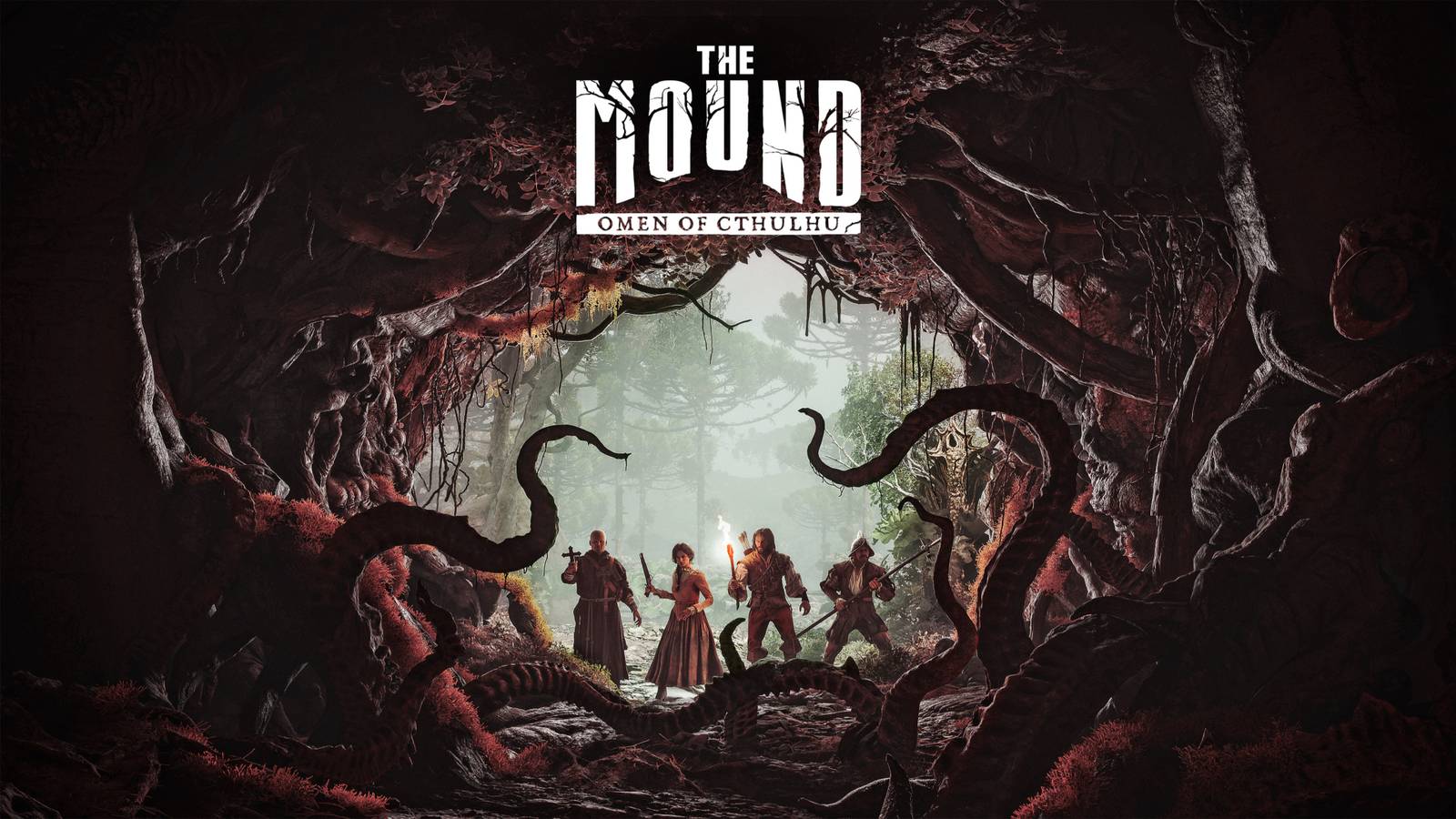
The Core Concept: Survival in the New World
At its most fundamental level, The Mound is a cooperative survival horror experience built around high-stakes scavenging. Players, operating in squads of up to four, are dropped into a mysterious island setting. Their objectives are simple in principle: locate caches of treasure, secure them on an ox-drawn cart, and extract before the island’s hidden timer—or the encroaching horrors—overwhelm the party.
The brilliance of this setup lies in the scarcity of resources. Every mission requires a careful assessment of equipment. Inventory space is strictly limited, forcing players to choose between survival tools, defensive weaponry, or extra carrying capacity for loot. As mission difficulty scales, the quality of potential gear increases, but so does the lethality of the environment.
The "hidden timer" mechanic adds a layer of psychological pressure that distinguishes The Mound from its peers. While other games might lean heavily into slapstick humor or repetitive jump scares, The Mound uses the clock to create a sense of mounting anxiety. You are essentially trespassing on hallowed, corrupted ground, and the longer you stay, the more the environment seems to realize you are there.

A Chronology of Dread: The Gameplay Loop
My time with the game followed a deliberate structure that highlighted the evolution of a mission. The experience began with a solitary tutorial—a necessary, albeit chilling, introduction that established the game’s atmosphere. Playing alone, the silence of the fog-drenched island felt oppressive.
Moving into the group session, the dynamics shifted significantly. When playing with three other previewers, the game transformed from a lonely survival simulation into a chaotic, often hilarious, and deeply stressful exercise in teamwork.
The Phases of a Mission:
- Deployment: Teams spawn in a designated zone with a limited kit. Communication is immediate, with the game’s proximity chat forcing players to stay within earshot to coordinate effectively.
- Infiltration & Scavenging: Players navigate through dense, foggy environments. The goal is to venture deeper into the map to find higher-value artifacts.
- The Extraction Tension: Once the ox-cart is loaded, the return trip becomes a race against time. The game employs a "push-your-luck" mechanic where players must decide when to call it quits before the escalating supernatural threats render escape impossible.
- Assessment: The mission concludes with a performance review based on total loot recovered, which dictates your progression and success rating.
Atmospheric Mastery and Technical Design
The most striking element of The Mound is its dedication to atmosphere. Horror is often reliant on visual fidelity, but here, the sound design is the true star. The audio cues—distant, guttural screams, the crunch of footsteps in mud, and the unsettling whispers of the environment—create a constant state of hyper-vigilance.
Visually, the game opts for a grounded, gritty aesthetic. The "zombies" or humanoids encountered are not your standard undead; they are grotesque, distorted reflections of humanity that feel ripped from a Lovecraftian nightmare. During the session, I encountered a bat-like entity that possessed the ability to illuminate players. This simple mechanic turned the player into a beacon, effectively forcing the squad to protect their compromised teammate while being hunted by other, more aggressive entities.
The decision to lean into a more realistic aesthetic for the creatures rather than stylized monsters pays off. When you see a shape moving through the fog, the uncertainty of whether it is a friend, a foe, or something beyond comprehension is genuinely unsettling.
The Dynamics of Cooperative Play
A common critique of modern co-op horror is that the presence of other players dilutes the fear factor. The Mound manages to circumvent this by weaponizing group dynamics. There is a palpable tension in deciding whether to stick together for safety or split up to cover more ground.
Interestingly, the game embraces a dark sense of humor. Watching a squad member suffer an unfortunate fate—such as the aforementioned instance of a player being forced to "puke up an eldritch worm" after mishandling an artifact—provides a strange, morbid levity that breaks the tension just enough to keep players from burning out.
However, the game is punishing. If you attempt to "lone wolf" the mission, you will likely doom your team. The mechanics are designed to demand cooperation; if one player falls, the burden of their gear and the loss of their utility can cause a chain reaction of failure.
Gameplay Nuances: The "Realism" Factor
One of the most intriguing, yet controversial, design choices is the environmental impact on player weaponry. During our session, I noticed that in rainy conditions, fuses for certain weapons would fail to ignite, effectively rendering those tools useless.

While this is a brilliant piece of world-building that reinforces the harshness of the setting, it creates a gameplay hurdle. Players must be aware of the weather and the environment before they choose their loadout. Furthermore, the game features a stealth system involving backstabs. Currently, backstabbing is incredibly powerful, capable of one-shotting many enemies. While this is satisfying, it risks becoming the "meta" strategy that renders other, more dangerous combat approaches obsolete. It will be interesting to see if the developers tune this as they approach launch to ensure a variety of combat styles remains viable.
Implications: A Finite Journey
Perhaps the most notable takeaway from my discussion with the developers is that The Mound is a finite experience. Unlike many "live-service" horror titles that focus on endless loops, this game has a beginning, a middle, and an end.
For many players, this is a breath of fresh air. It suggests a focus on quality, narrative pacing, and a cohesive experience rather than a treadmill of grindable content. While the team mentioned the possibility of post-launch content, they were clear that the base game is intended to be a complete story. This shifts the focus from "how much can we make the player play" to "how memorable can we make the play-time."
Conclusion
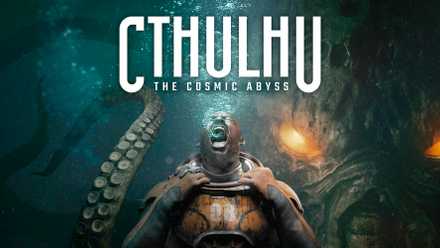
The Mound: Omen of Cthulhu stands out as a highly ambitious entry in the horror genre. By blending the frantic, high-stakes nature of modern co-op extraction games with a more serious, atmospheric commitment to the Lovecraftian source material, ACE Team has crafted something that feels both familiar and refreshingly distinct.
While concerns remain regarding the longevity of the gameplay loop and the balance of its combat systems, the foundation is remarkably solid. The game succeeds in making the player feel vulnerable, small, and ultimately, a temporary resident in a world that wants them gone. For those who enjoy the thrill of the hunt, the terror of the unknown, and the shared trauma of a co-op disaster with friends, The Mound is an experience that should be firmly on your radar as we head toward its 2026 release.
Whether you are a fan of the Cthulhu mythos or simply looking for the next great horror challenge to tackle with your squad, The Mound offers a haunting, tactical, and deeply atmospheric journey into the heart of the New World. Keep your lanterns low, your ears open, and your friends close—you’re going to need them.


 Azzam Bilal Chamdy
 Neng Nana