Layla Zulfa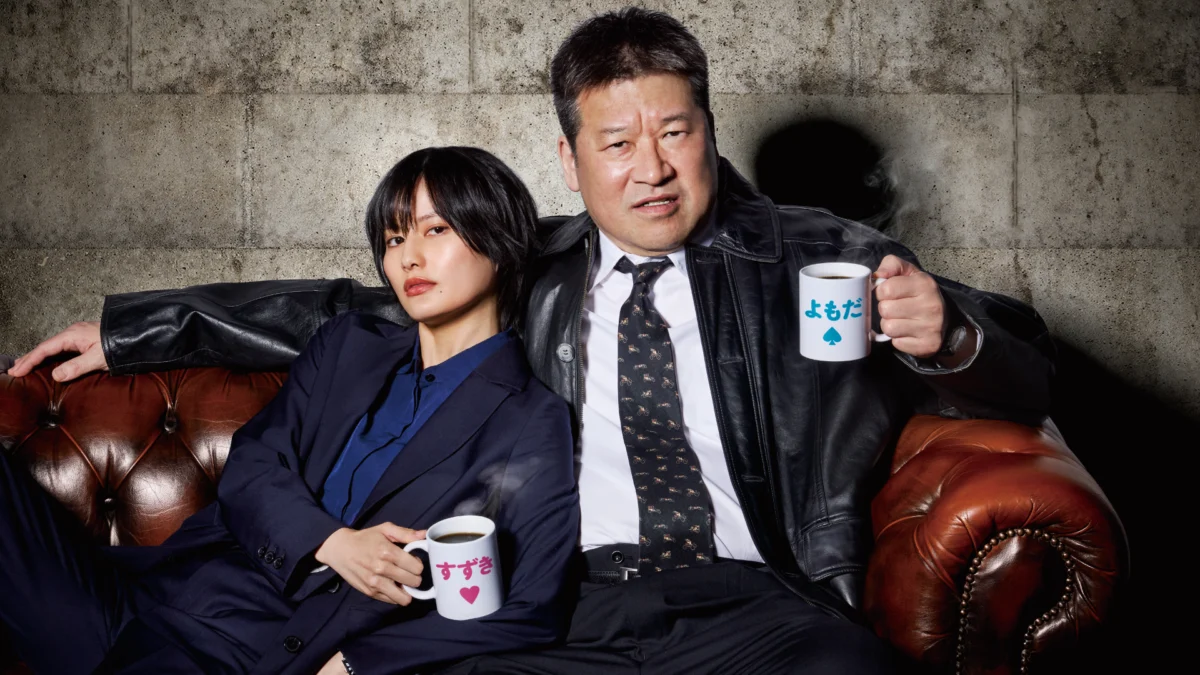
By Jay Allen
July 4, 2026
The Japanese entertainment industry is currently reeling from yet another high-profile controversy involving Fuji Television—a network that increasingly finds itself at the center of systemic ethical failures. This latest incident, involving veteran actor Sato Jiro and rising star Hashimoto Ai, has once again cast a harsh spotlight on the network’s corporate culture, its duty of care toward its talent, and the volatile nature of celebrity discourse in the digital age.
While the specifics of this case are murkier than previous scandals, the recurring theme remains clear: Fuji TV’s failure to manage its internal environment has left its stars vulnerable, resulting in a toxic cycle of public harassment and institutional silence.
A Legacy of Institutional Failure
To understand the gravity of the current situation, one must look at the recent history of the network. Fuji TV has struggled to shed a reputation for negligence, characterized by a series of scandals that have profoundly damaged public trust.
The most tragic of these remains the death of Kimura Hana. The Terrace House star, who became a target of relentless online vitriol following a controversial episode of the reality show, ultimately took her own life. The ensuing investigation revealed that the network was aware of the potential for a massive public backlash but proceeded with the broadcast regardless, prioritizing ratings over the mental well-being of its cast.
This was followed by the revelations surrounding Nakai Masahiro, a former SMAP member. Last year, it was disclosed that Nakai had settled a sexual assault claim filed by a former Fuji TV announcer. The subsequent third-party investigation into whether the network actively facilitated a cover-up for one of its most lucrative stars signaled a profound erosion of internal accountability.
Now, with the allegations involving Sato Jiro and Hashimoto Ai, the pattern of "dropping the ball" has returned. In this instance, the network’s lack of a clear, decisive communication strategy has created a vacuum, which has been filled by a torrent of misogynistic abuse directed at the accuser.
The Genesis of the Scandal: Fuufu Bessei Keiji
The current controversy centers on the production of the new Fuji TV drama Fuufu Bessei Keiji (Separate Surname Detectives). The series, which uses the hot-button national debate over Japan’s restrictive spousal surname laws as a comedic backdrop, stars 57-year-old veteran Sato Jiro and 30-year-old actress Hashimoto Ai.
The premise—a married couple working in the same police unit who must hide their relationship by using different surnames—is designed to be a lighthearted procedural. However, the production hit a dark turn on July 1, 2026, when the influential tabloid Shukan Bunshun published a report that sent shockwaves through the industry.
Shukan Bunshun alleged that during the production of the series, a confrontation occurred in which Sato reportedly "burst" into Hashimoto’s private dressing room. The report claimed that the interaction was sufficiently distressing to leave the actress in tears and further alleged that Sato had made unwanted physical contact with her.
![[Insider] In Sexual Harassment Scandal, Fuji TV Again Fails to Protect Its People](https://media.unseen-japan.com/wp-content/uploads/2026/07/bessei-fuufu-tantei.jpg)
Chronology of the Dispute
- July 1, 2026: Shukan Bunshun releases a teaser on social media and subsequently publishes a detailed article alleging that Sato Jiro behaved aggressively toward Hashimoto Ai on the set of Fuufu Bessei Keiji, citing an unauthorized entry into her dressing room and non-consensual physical contact.
- July 1, 2026 (Late Afternoon): Sato Jiro’s agency, From First Production, issues an immediate and categorical denial. The agency characterizes the Shukan Bunshun report as a gross misrepresentation of events.
- July 2, 2026: Fuji TV remains largely silent, issuing only a perfunctory statement that they are "looking into the facts," a move widely criticized as insufficient given the severity of the allegations and the public’s reaction.
- July 3–4, 2026: Social media platforms in Japan, particularly X (formerly Twitter), become battlegrounds. A significant segment of the public, reacting to the agency’s swift denial and the lack of clarity from the production, begins a coordinated campaign of vitriol against Hashimoto Ai.
The Toxic Intersection of Celebrity and Online Harassment
The most disturbing element of this case is not merely the allegation itself, but the immediate shift toward victim-blaming. Because the network failed to provide a clear account of the set environment, the public has been left to speculate.
In Japan’s patriarchal entertainment ecosystem, female stars who speak out against established, older male actors often face a brutal "punishment" from fans. The narrative currently circulating online suggests that Hashimoto is "exaggerating" or "damaging the production" for personal gain. This type of misogynistic harassment is a hallmark of the same culture that contributed to the death of Kimura Hana.
The silence of the production company has effectively granted permission for these online mobs to target Hashimoto. By failing to protect its lead actress from the inevitable fallout of such a report, Fuji TV is once again proving that it views its talent as disposable assets rather than human beings deserving of a safe working environment.
Official Responses and Agency Statements
Sato Jiro’s agency, From First Production, has taken an aggressive stance in defense of their client. In their statement, they insisted that the interaction between the two actors was strictly professional and that the reports of "bursting" into a room were a distortion of a collaborative discussion regarding the script.
However, the agency’s defense lacks the nuance required to address why the actress was allegedly reduced to tears. This creates a "he-said, she-said" dynamic that only serves to inflame the situation.
Fuji TV, meanwhile, is trapped in a defensive posture. Their lack of transparency—common in Japanese corporate crises—is designed to minimize liability. However, in the age of social media, silence is rarely neutral. By not conducting an immediate, independent inquiry into the working conditions on the Fuufu Bessei Keiji set, the network is signaling that it does not intend to address the systemic issues that make such allegations possible in the first place.
The Broader Implications for Japanese Media
The Fuufu Bessei Keiji scandal is a microcosm of a larger, systemic crisis in the Japanese entertainment industry.
- The Power Imbalance: There remains a massive disparity between older, established male actors and younger actresses. The culture of "senpai/kohai" (senior/junior) often prevents younger talent from speaking out against uncomfortable behavior for fear of being blacklisted.
- The Role of Tabloids: Shukan Bunshun acts as both an investigative force and an instigator. While they often uncover genuine wrongdoing, their sensationalist style frequently ensures that the primary victim is left exposed to public hatred before any legal or institutional process can take place.
- The Network’s Duty: Fuji TV has failed to evolve. In the aftermath of the Kimura Hana tragedy, the industry promised reforms regarding harassment and the protection of talent. The fact that a similar situation has arisen suggests these promises were largely performative.
Conclusion: A Call for Accountability
As the fallout from the Fuufu Bessei Keiji controversy continues, the public, the actors involved, and the network itself are at a crossroads. For Hashimoto Ai, the situation is increasingly untenable. For Sato Jiro, the reputation of a long career is on the line. But for Fuji TV, the issue is existential.
If the network continues to treat allegations of harassment as PR problems to be managed rather than institutional failures to be corrected, the cycle of abuse will continue. The industry in Japan is watching closely to see if there will be a genuine, transparent investigation or if this will simply be another footnote in the network’s long, troubled history of ignoring the safety and dignity of those it employs.
Until the network implements robust, independent oversight for its sets and takes a firm stance against the online harassment of its talent, it remains complicit in the toxic culture it helped create. The time for "looking into the facts" has passed; the time for systemic reform is long overdue.


 Neng Nana
 Asro
Asro