The premiere of The Vampire Lestat on AMC marks a significant milestone in the adaptation of Anne Rice’s seminal Vampire Chronicles. While 1994’s Interview with the Vampire introduced audiences to the brooding, philosophical nature of Louis de Pointe du Lac, it was the 1985 novel The Vampire Lestat that fundamentally transformed the titular character into an icon of gothic literature, rivaling the cultural legacy of Bram Stoker’s Dracula.
With Sam Reid reprising his role from the AMC series Interview with the Vampire, the new production leans heavily into the non-linear, operatic nature of Rice’s source material. For viewers looking to untangle the "narrative vines" of the series, understanding the canonical history of the brat prince is essential. From his aristocratic origins in 18th-century France to his arrival in the sweltering heat of New Orleans, Lestat’s journey is one of defiance, transformation, and a relentless search for meaning in an eternal existence.
The Mortal Life: Aristocracy and Rebellion in Auvergne
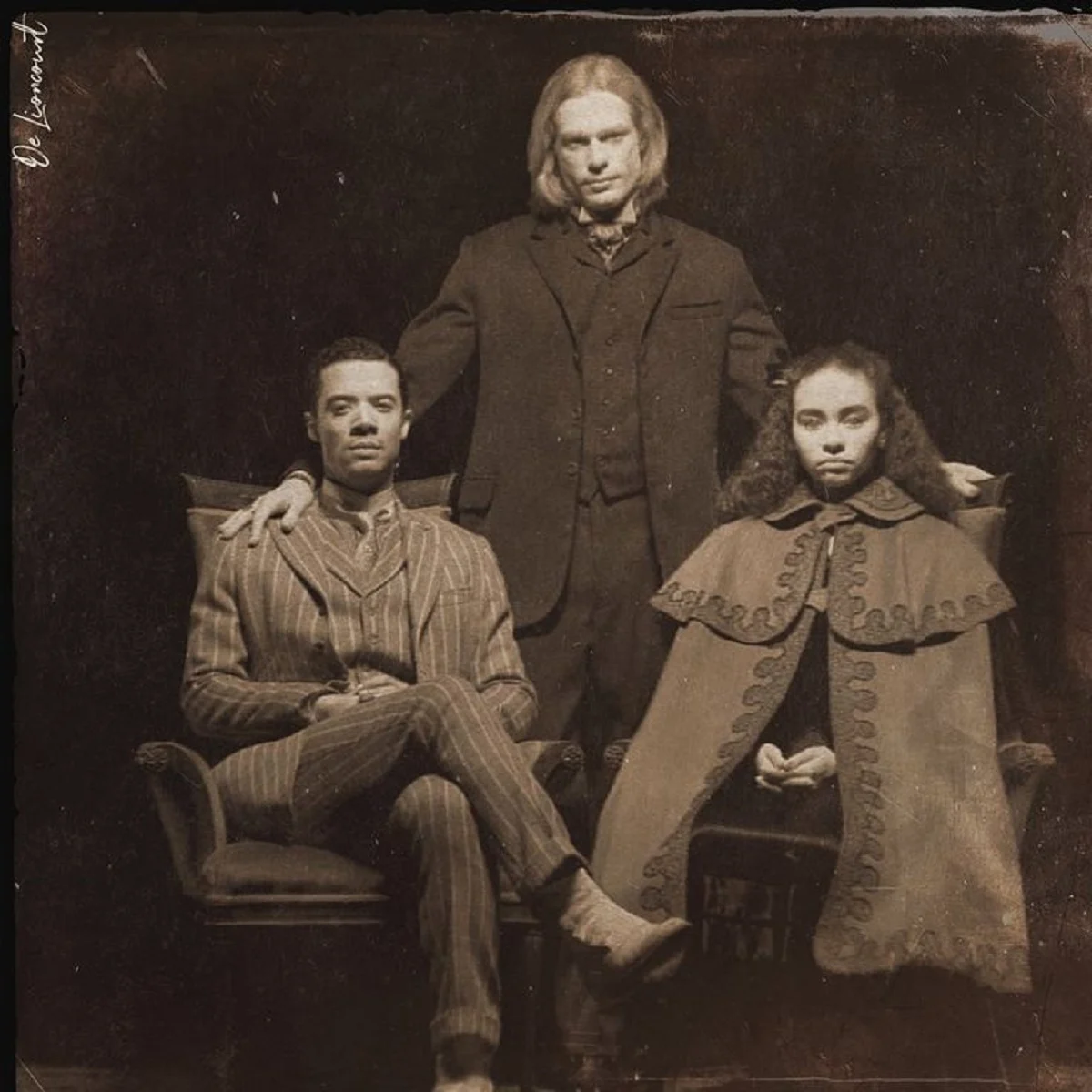
Lestat de Lioncourt was born on November 7, 1760, in the Auvergne region of France. His life began within the crumbling grandeur of an aristocratic household, a family defined by faded prestige and psychological cruelty. The character’s physical appearance in the source material was famously modeled after Stan Rice, Anne Rice’s husband, grounding the supernatural figure in a deeply personal reality.

Lestat’s childhood was marked by a stark dichotomy: the boorish, traditionalist expectations of his father and the ethereal, tragic influence of his mother, Gabrielle. While his brothers perished in infancy or succumbed to the rigid expectations of the landed gentry, Lestat emerged as an outlier—an artist, an actor, and a dreamer. His relationship with Gabrielle served as the primary emotional anchor of his youth, a bond that transcended familial duty and paved the way for his eventual transition into the undead.
At the age of 21—a milestone adjusted to 29 for the television series—Lestat’s mortal life reached a breaking point. Following a harrowing encounter with a pack of wolves that nearly claimed his life, he earned the moniker "The Wolf-Killer." This brush with mortality, coupled with the revelation of his mother’s terminal illness, acted as a catalyst. With his mother’s blessing and her hidden cache of jewels, Lestat fled the oppressive silence of the countryside for the vibrant, dangerous streets of Paris.
The Birth of the Vampire: A Trial by Fire
Paris in the late 18th century was a crucible for Lestat’s ambition. Accompanied by his childhood friend and lover, the cynical violinist Nicolas de Lenfent, Lestat found a home in the city’s rough-and-tumble theater scene. However, his rise to fame was interrupted by the predatory gaze of Magnus, an ancient, isolated vampire who saw in Lestat the perfect vessel to carry on his legacy.

Magnus abducted Lestat, forcibly transforming him into a vampire before immolating himself. This act left the newly minted immortal without a mentor or a guide, thrusting him into a world of nocturnal violence. Unlike many of his literary counterparts, Lestat adapted to his new condition with terrifying ease. He transformed his theater into a sanctuary for the downtrodden, all while navigating the complexities of his burgeoning powers and his secret, decaying relationship with Nicolas.
The Turning of Gabrielle
The series highlights the turning of Gabrielle as a pivotal moment in Lestat’s early immortality. In the television adaptation, the context and consequences of this turning differ significantly from the novels, serving to deepen the psychological rift between mother and son. By sharing the Dark Gift with her, Lestat created not just a fledgling, but a companion who would witness his erratic evolution across the centuries.
The Children of Darkness: Challenging the Dogma
The Parisian underworld was governed by the "Children of Darkness," a cultist coven led by the ancient vampire Armand. These beings lived in the catacombs of Les Innocents, adhering to a strict, superstitious code: they avoided sunlight, feared religious iconography, and believed themselves to be agents of Satan.

Lestat, ever the iconoclast, refused to bow to these constraints. His defiance shattered the power structure of the coven, exposing the rules as nothing more than dogmatic lies designed by Armand to maintain control. The revelation of Armand’s own origin—as a slave boy in Renaissance Venice transformed by the Roman elder Marius—further underscores the theme of generational trauma within the vampire hierarchy. Lestat’s interaction with this coven serves as the first major indication that he is not a creature to be tamed, but a catalyst for change.
The Rise of the Thétre des Vampires
The subsequent creation of the Thétre des Vampires is perhaps the most famous chapter in the early history of the Chronicles. After transforming Nicolas against the warnings of his peers, Lestat watched his lover descend into madness. Seeking escape, he and Gabrielle ceded the theater to Armand and his coven, transforming it into a macabre stage where vampires performed plays for mortal audiences who remained blissfully unaware of the true nature of the performers.
This era of Lestat’s life is defined by his search for Marius, the legendary keeper of the vampire origins. Even as Gabrielle eventually abandoned him to find her own path in the vastness of the world, Lestat remained consumed by the search for answers. His eventual descent into the earth—a form of self-imposed burial—marked a period of profound introspection and depression.

Marius and the Keepers of the Blood
The intervention of Marius provides the bridge between the Old World and the New. Marius revealed himself to a despondent Lestat, introducing him to "Those Who Must Be Kept"—the ancient progenitors of the vampire species, Akasha and Enkil.
The revelation that the entire vampire race stems from this frozen, silent royal pair is the bedrock of the Chronicles’ mythology. By drinking from Akasha, Lestat gained immense, volatile power, becoming one of the most formidable entities in the modern world. It was at this juncture that Marius urged Lestat to flee to the New World, specifically the burgeoning port of New Orleans, to escape the reach of the ancient queen and establish a life away from the suffocating history of the Old World.
Implications for the AMC Adaptation
The decision to adapt The Vampire Lestat as a non-linear narrative creates a unique challenge for the audience. By juxtaposing the events of the novel with the established timeline of Interview with the Vampire, AMC is crafting a "Lestat-centric" universe that prioritizes character interiority over mere plot progression.

Official Responses and Production Insights
Showrunners have noted that while they remain faithful to the spirit of Rice’s work, the television medium allows for a more granular exploration of Lestat’s motivations. The decision to adjust his age and the timing of key events—such as Gabrielle’s departure—reflects a desire to modernize the character’s arc, ensuring he remains a complex, often morally ambiguous figure rather than a traditional villain.
The Cultural Impact of the "Brat Prince"
The adaptation serves as a timely reminder of why Lestat remains one of the most enduring figures in fiction. He represents the ultimate outsider—someone who refuses to accept the limitations placed upon him, whether by society, by his maker, or by the laws of nature. As AMC continues to flesh out this world, the focus on Lestat’s personal history ensures that the audience understands not just what he is, but why he has become the star of the night.
Conclusion
As viewers tune into the subsequent episodes of The Vampire Lestat, they are witnessing the refinement of a legacy. From the aristocratic fields of France to the neon lights of the modern rock stage, the story of Lestat de Lioncourt is one of humanity’s most enduring modern myths. Whether or not AMC plans to adapt the later installments of the Vampire Chronicles remains to be seen, but for now, the journey of the Wolf-Killer provides more than enough intrigue to keep audiences captivated.

For further reading, Anne Rice’s "The Vampire Lestat" remains the essential text for understanding the depth of this character. As the series continues to air on AMC and AMC+, fans can look forward to seeing how the showrunners navigate the remaining, increasingly cosmic elements of the Ricean mythos.