Nila Kartika Wati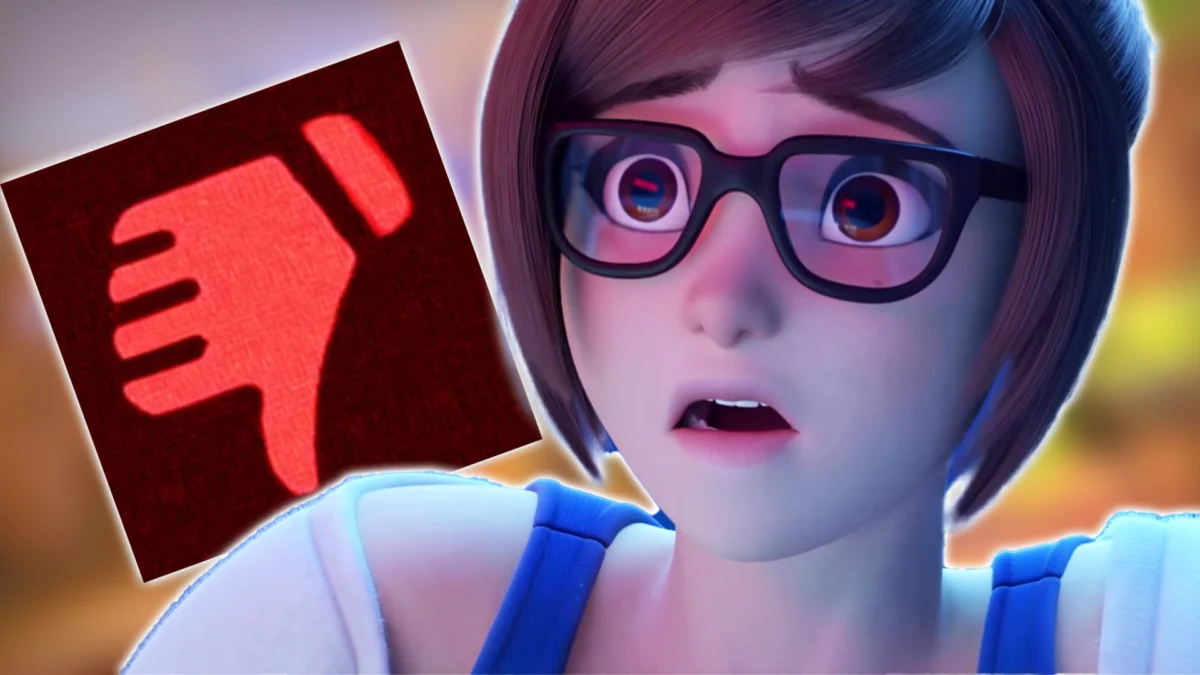
In the high-stakes arena of live-service gaming, few titles have navigated a trajectory as turbulent as Blizzard Entertainment’s Overwatch. Once the undisputed titan of the hero-shooter genre, the franchise has undergone a radical metamorphosis since its transition to a free-to-play model under the Overwatch 2 banner. Today, the game finds itself in a peculiar state of flux: while it continues to command a robust, dedicated player base on Steam, its reputation remains tethered to a polarized reception defined by aggressive monetization strategies and shifting community sentiment.
The Current State of Affairs: A "Mixed" Reality
The Steam Marketplace has become a crucible for modern gaming giants. It is a space where even the most storied franchises are subject to the unfiltered scrutiny of the PC gaming community. Overwatch, now stripped of its numeric sequel suffix, is currently navigating these waters with a "mixed" rating for recent reviews.
While a "mixed" status might sound underwhelming, for Overwatch, it represents a significant, albeit fragile, victory. Following its arrival on Steam, the title was famously besieged by a "review bomb," which saw it plummet to "mostly negative" status. With over 136,000 total reviews in English and a steady influx of thousands of recent entries, the needle is finally moving in a more favorable direction. However, this recovery is not necessarily a reflection of total player satisfaction; rather, it is a testament to the game’s enduring core loop, which continues to entice players despite their vocal grievances with Blizzard’s business practices.
A Chronology of Conflict: From "Mostly Negative" to Stabilization
To understand the current friction, one must look back at the historical context of the transition. When Overwatch first landed on Steam, it served as a lightning rod for years of pent-up frustration. Players who had transitioned from the original paid title felt alienated by the removal of the original game, the shift to a battle-pass-heavy economy, and the perceived stagnation of PvE content.
- The Launch Turbulence: The initial influx of negative reviews was historic, driven by a feeling of betrayal among legacy fans who felt the "2" in the title didn’t justify the loss of the original Overwatch ecosystem.
- The Monetization Backlash: Throughout 2025, the conversation remained dominated by the cost of cosmetics. The industry shift toward "premium" skins that cost upwards of $20—or, in extreme cases, bundles reaching $100—became the primary rallying cry for detractors.
- The 2026 Shift: As we progress through the middle of 2026, we are seeing a stabilization. The introduction of new heroes, such as the enigmatic Shion, and the anticipation of high-profile collaborations (most notably with the Japanese musical act YOASOBI), have injected fresh energy into the ecosystem, allowing the gameplay experience to occasionally outweigh the criticism of the store.
Supporting Data: By the Numbers
The performance of Overwatch on Steam can be quantified by examining the metrics provided by Steam Charts. These figures offer a candid look at how the game performs when the marketing noise is stripped away.
Player Retention and Spikes
In recent weeks, the game has demonstrated a sturdy foundation. A 24-hour peak of approximately 74,000 concurrent players—dipping to around 66,000 during off-peak hours—suggests that the game is far from the "dead" status often cited in comment sections.

When comparing these figures to the preceding year, the growth becomes clearer. Between January 2025 and January 2026, the game typically hovered between 45,000 and 50,000 concurrent users. The current climate represents a consistent upward trend. June 2026 stood out as a particularly strong month, hitting a peak of over 102,000 players. While this is still a far cry from the all-time peak of 164,636 seen during the initial launch hype, the sustainability of the current numbers indicates that Blizzard has successfully cultivated a "sticky" audience that remains engaged despite the controversies.
The Cost of Cool: Monetization as a Barrier to Entry
The primary point of contention—the "elephant in the room"—remains the aggressive microtransaction model. A common sentiment expressed in recent Steam reviews labels Blizzard as a "greedy" entity, specifically targeting the pricing of "Ultra" skins.
The Overwatch Nyan Cafe Ultra skin bundle is a poignant case study. With a price point hitting the $100 threshold, it pushed the boundaries of what the community considers acceptable for a digital cosmetic. When developers attach the price of a full-scale indie title to a set of skins, it inevitably sparks a debate about the value proposition of modern shooters. For many, these costs aren’t just an annoyance; they are a fundamental barrier that prevents them from recommending the game to friends, regardless of how fun the gameplay is.
Official Responses and Strategic Shifts
Blizzard Entertainment has remained relatively guarded in its public discourse regarding the specific critiques on Steam. Historically, the company has emphasized that the transition to free-to-play was necessary to reach a wider global audience and fund the continuous development of seasonal content.
However, the change in content cadence—marked by more frequent hero releases and the implementation of massive, high-production-value collaborations—suggests an acknowledgment that player engagement is the only metric that matters in the long run. By leaning into popular culture, such as the YOASOBI partnership, Blizzard is attempting to pivot the conversation from "why is this skin so expensive?" to "this content is too cool to miss." It is a risky strategy, but one that is clearly paying dividends in terms of raw player counts.
Implications for the Future of Hero Shooters
What does the Overwatch experience imply for the future of the genre? Firstly, it confirms that the "hero shooter" remains a remarkably resilient genre. Despite the proliferation of extraction shooters and battle royales, the character-driven, team-based tactical combat of Overwatch remains a unique selling point that few competitors have been able to replicate successfully.

Secondly, the "mixed" review status is likely the new normal for live-service giants. In an era where players have a direct line to developers via community hubs, absolute critical acclaim is rare. Instead, developers are settling for a "good enough" baseline where the game is fun enough to play, even if the monetization remains a point of contention.
Looking ahead, the success of the game will depend on Blizzard’s ability to balance its revenue requirements with community goodwill. If the company continues to release high-quality content—like the latest season’s balance updates and character additions—they may eventually exhaust the negative sentiment of the legacy player base. However, if they continue to push the envelope on high-priced bundles without offering a more equitable way for free-to-play players to earn cosmetics, the "mixed" review score may become a permanent fixture.
Conclusion
Overwatch stands at a crossroads. It is no longer the game it was in 2016, and it may never be again. It is a product of its time: a high-octane, highly polished, yet intensely monetized ecosystem that exists within the brutal, unforgiving reality of the modern Steam marketplace.
For the developer, the goal is clear: keep the servers full, keep the content flowing, and hope that the sheer quality of the gameplay is enough to silence the wallet-weary critics. For the player, the choice remains simple: enjoy the spectacle of the arena, but keep a cautious eye on the shop. As the game enters its next season, one thing is certain: the world could always use more heroes, but it could certainly do with a few more affordable ways to dress them up.


 Lina Hope
 Muslim