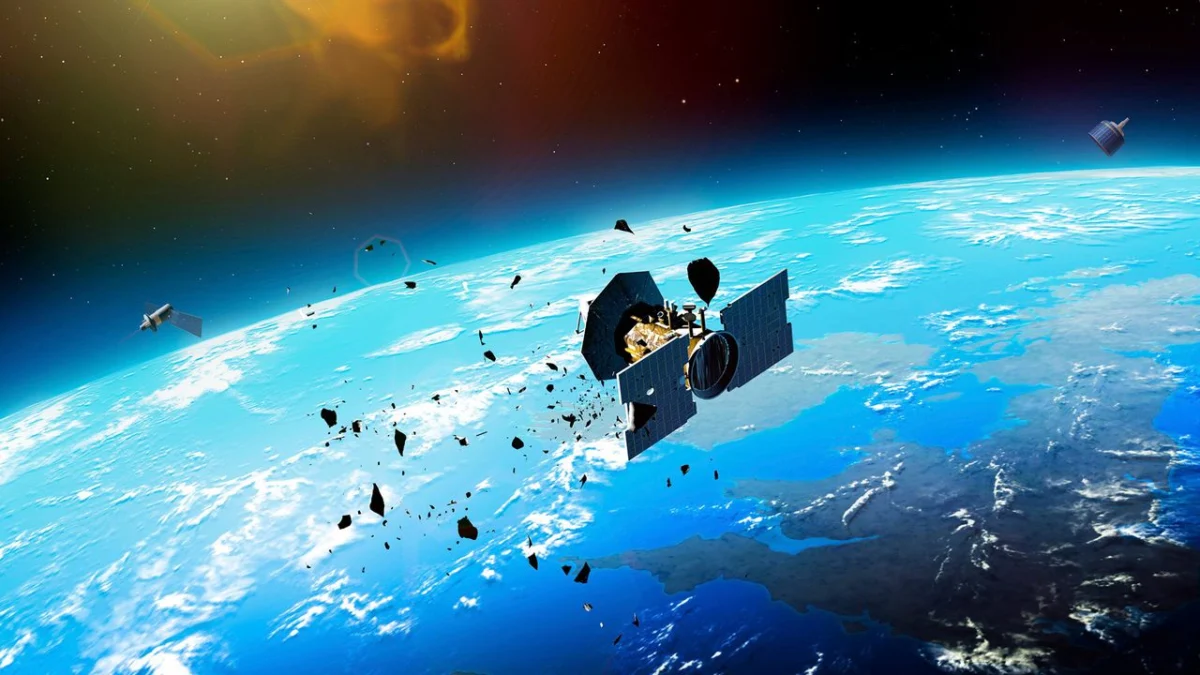
In the silence of low Earth orbit (LEO), a continuous, high-stakes logistical operation is unfolding. SpaceX, the aerospace giant led by Elon Musk, has confirmed in a recent semi-annual report submitted to the Federal Communications Commission (FCC) that it intentionally deorbited and vaporized 260 Starlink satellites between December 2025 and May 2026. This process, while essential for maintaining the integrity of the world’s largest satellite constellation, has sparked a burgeoning debate regarding the long-term environmental consequences of our increasing reliance on space-based infrastructure.
As SpaceX pushes toward its goal of a 42,000-satellite network, the company is effectively rewriting the rules of orbital management. With thousands of units already in service and thousands more in the pipeline, the act of "decommissioning" has shifted from a rare, exceptional event into a daily, industrial-scale routine.
The Life and Death of a Starlink Satellite
To understand why hundreds of satellites are being incinerated annually, one must first understand the design philosophy of the Starlink network. Unlike traditional telecommunications satellites—which are built to last for decades in high-altitude geostationary orbits—Starlink units are designed for rapid iteration.
Each satellite has an operational lifespan of approximately five years. This "short-cycle" approach allows SpaceX to continuously upgrade its fleet with the latest technology, such as the V2 hardware required for Starlink Mobile and high-density 5G-like data throughput. However, this strategy creates a relentless turnover rate. Once a satellite’s fuel reserves reach a critical threshold, it is no longer capable of maintaining its precise orbital slot or performing collision-avoidance maneuvers.
At this juncture, the satellite begins its final journey. It is programmed to utilize its remaining propellant to lower its altitude, eventually entering the thicker, denser layers of the Earth’s atmosphere. The kinetic energy generated by this high-velocity descent results in temperatures extreme enough to completely incinerate the spacecraft. SpaceX maintains that this process is 100% effective, ensuring that no debris survives to reach the surface of the planet.
A Chronology of Orbital Maintenance
The scale of this operation is staggering. According to the data provided in the FCC report:
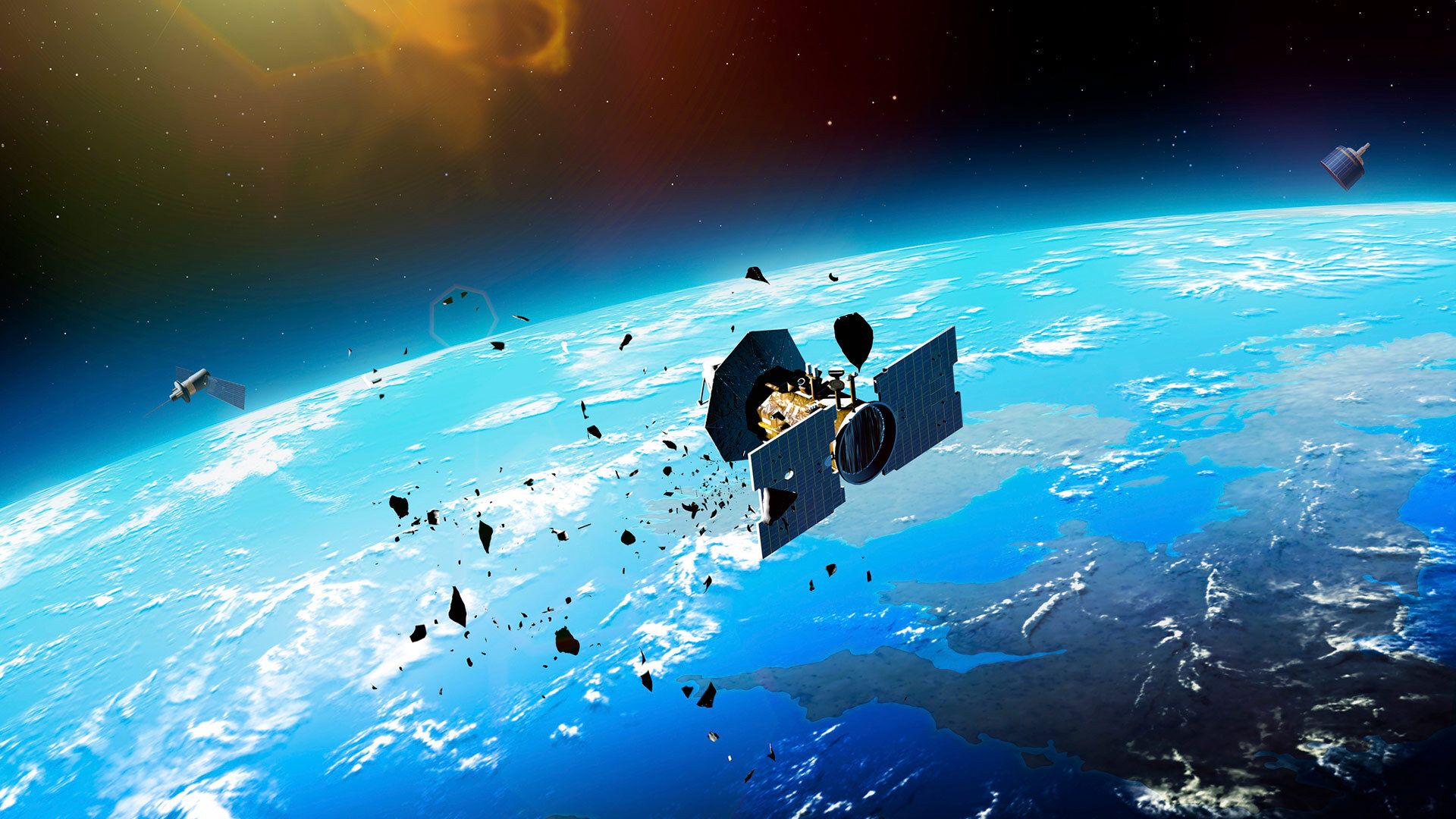
- December 2024 – May 2025: SpaceX removed more than 472 satellite links from orbit. This period represented a significant ramp-up in the company’s disposal activities as the first-generation units began hitting their natural end-of-life milestones.
- December 2025 – May 2026: The company reported the disposal of 260 additional satellites. Of these, 176 were identified as first-generation hardware, while 84 belonged to the newer, more powerful second-generation constellation.
- The Immediate Future: Beyond the 260 confirmed incinerations, the report notes that an additional 349 satellites were officially decommissioned during that same six-month window. These units are currently in a state of controlled orbital decay and are scheduled to be vaporized in the coming months.
This cadence—averaging multiple disposals per day—highlights the shift toward "disposable" space infrastructure, a necessary trade-off for the rapid evolution of global high-speed internet.
Supporting Data: The Mass of the Mission
The physical scale of the hardware being disposed of is as significant as the frequency. The mass of these satellites varies considerably between generations:
- First-Generation (Gen1): These units typically weigh between 573 and 650 pounds (260 to 295 kg). They were the pioneers of the network, designed for mass deployment to build the initial foundation of coverage.
- Second-Generation (Gen2): These more advanced, larger satellites weigh significantly more, ranging from 1,764 to 2,756 pounds (800 to 1,250 kg).
When considering the thousands of units destined for disposal over the coming decade, the cumulative mass entering the atmosphere is substantial. SpaceX argues that retrieving these satellites for recycling is both financially unviable and technically impractical, given the current state of orbital rendezvous and capture technology. Thus, atmospheric incineration remains the company’s primary—and currently only—solution for orbital housekeeping.
Regulatory and Official Perspectives
The rapid expansion of the Starlink network has outpaced the regulatory frameworks designed to govern the space environment. For years, the FCC has largely exempted satellite operators from rigorous environmental reviews, a policy driven by the fear that bureaucratic hurdles might stifle the "space race" and hinder the United States’ competitive edge in the global aerospace industry.
However, the question of whether these incinerations trigger the National Environmental Protection Act (NEPA) has become a point of contention. The FCC has formally proposed that space-based operations be categorically excluded from NEPA, arguing that these activities are "extraterritorial"—meaning their environmental impacts occur entirely outside the jurisdiction of the United States.
Critics and environmental researchers contend that while the debris may not hit the ground, the chemical byproducts of vaporizing thousands of satellites in the upper atmosphere—such as metal oxides and particulate matter—could have unforeseen effects on the ozone layer and global climate patterns. As of mid-2026, the FCC’s proposal remains under review, and the scientific community is calling for more robust, independent studies before this practice is codified as the industry standard.
Future Implications: The Gigasat Era
SpaceX is not merely maintaining its current constellation; it is preparing for a massive expansion. Having received approval in early 2026 for 7,500 additional Gen2 satellites, the company is also looking toward the next frontier: space-based computing.
The company has unveiled plans for the "A1" satellite, an orbital data center equipped with a 120 kW compute payload. To facilitate this, SpaceX is constructing an 11-million-square-foot manufacturing facility—the "Gigasat Factory"—in Texas. The facility aims to achieve a production capacity of 1 gigawatt-year of space-based AI compute power by late 2027.
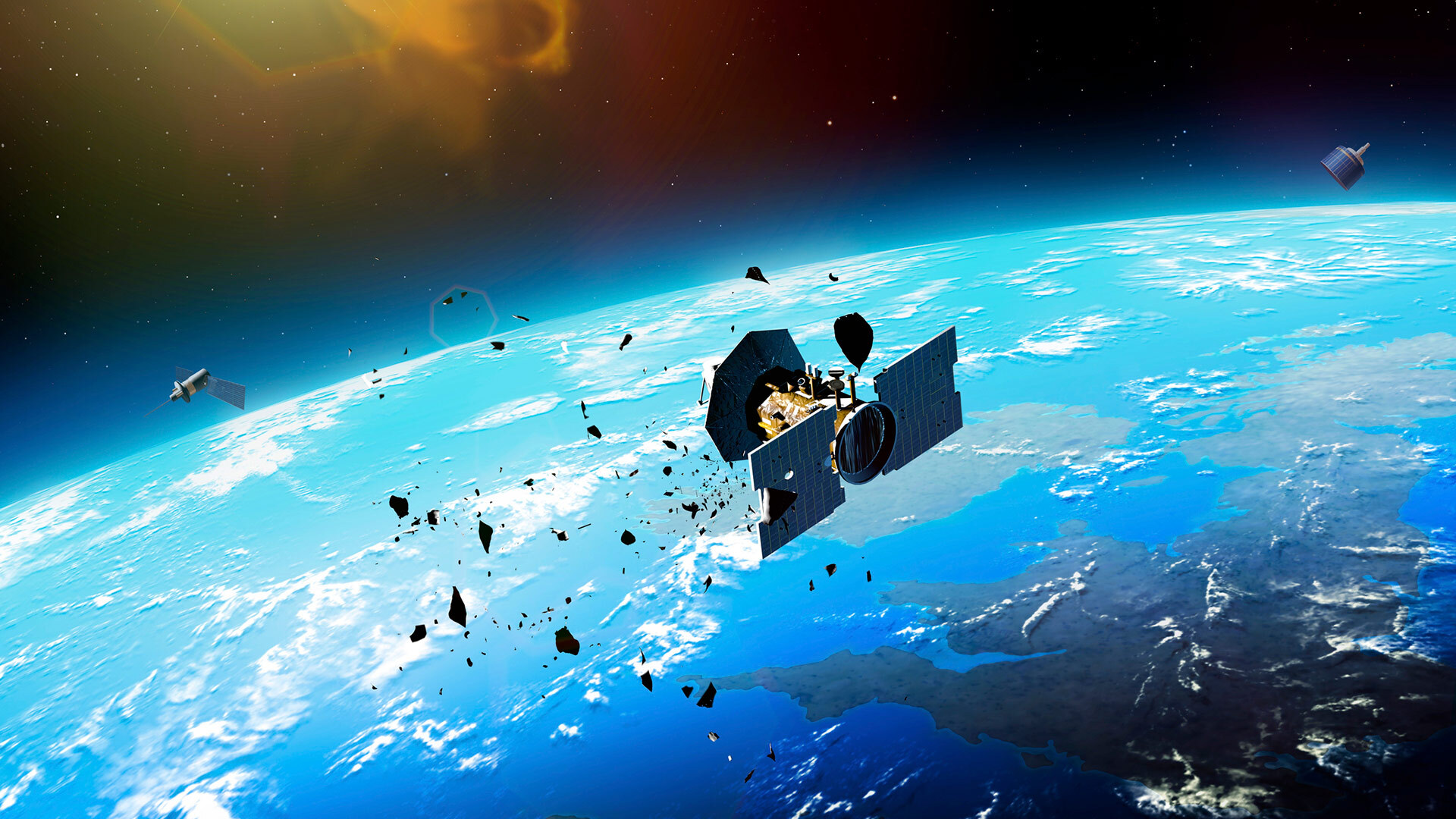
This shift toward "Gigasats" implies that future decommissioning cycles will involve significantly larger, more complex machines. As the satellites grow in size and capability, the thermal impact of their atmospheric re-entry will likely become a focal point for regulators and environmental scientists alike.
Conclusion: The Trade-off of Modern Connectivity
The ability to provide high-speed internet to the most remote corners of the globe is an engineering triumph that has undeniably changed the world. Yet, the story of the 260 incinerated satellites is a reminder of the hidden costs of our digital age.
SpaceX has positioned itself as the architect of a new orbital economy, one where constant, iterative innovation is fueled by the cycle of deployment and destruction. As we move closer to a sky populated by tens of thousands of active and burning satellites, the burden of proof rests on both the private sector and regulatory bodies to ensure that our pursuit of universal connectivity does not permanently alter the environment that surrounds our planet. The coming years will be critical in determining whether we can balance the demands of the information age with the stewardship of the Earth’s atmosphere.