Laily UPN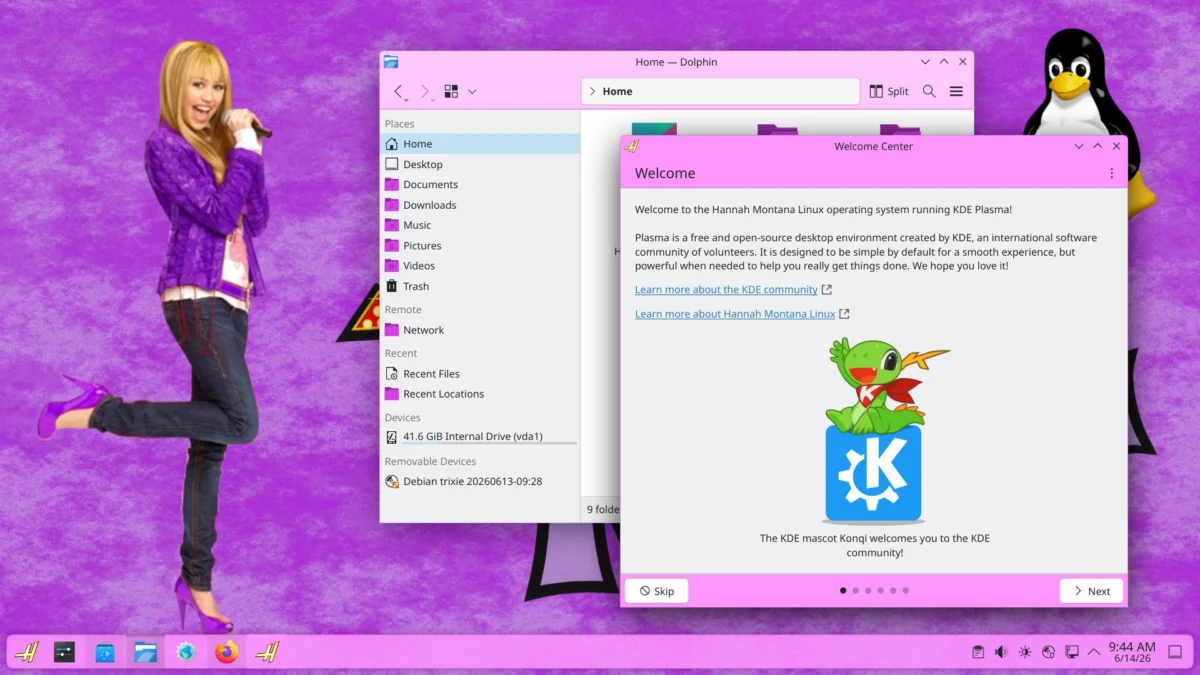
In the vast, sprawling ecosystem of Linux distributions, few projects have achieved the cult-classic, ironic status of Hannah Montana Linux. Originally released in 2009—at the height of the Disney Channel phenomenon—the project was widely viewed as a novelty, a whimsical experiment that combined the open-source power of the Linux kernel with the vibrant, unmistakable aesthetic of a teenage pop sensation.
For years, it remained a footnote in computing history, a relic of late-2000s internet culture. However, in a surprise turn of events that has caught the attention of both Linux enthusiasts and internet historians, the project has been revived. Developer Noah Cagle has released "Hannah Montana Linux v.26," bringing the aesthetic into the modern era with a foundation built on the latest KDE Plasma 6 desktop environment.
Main Facts: A Modern Twist on a Nostalgic Foundation
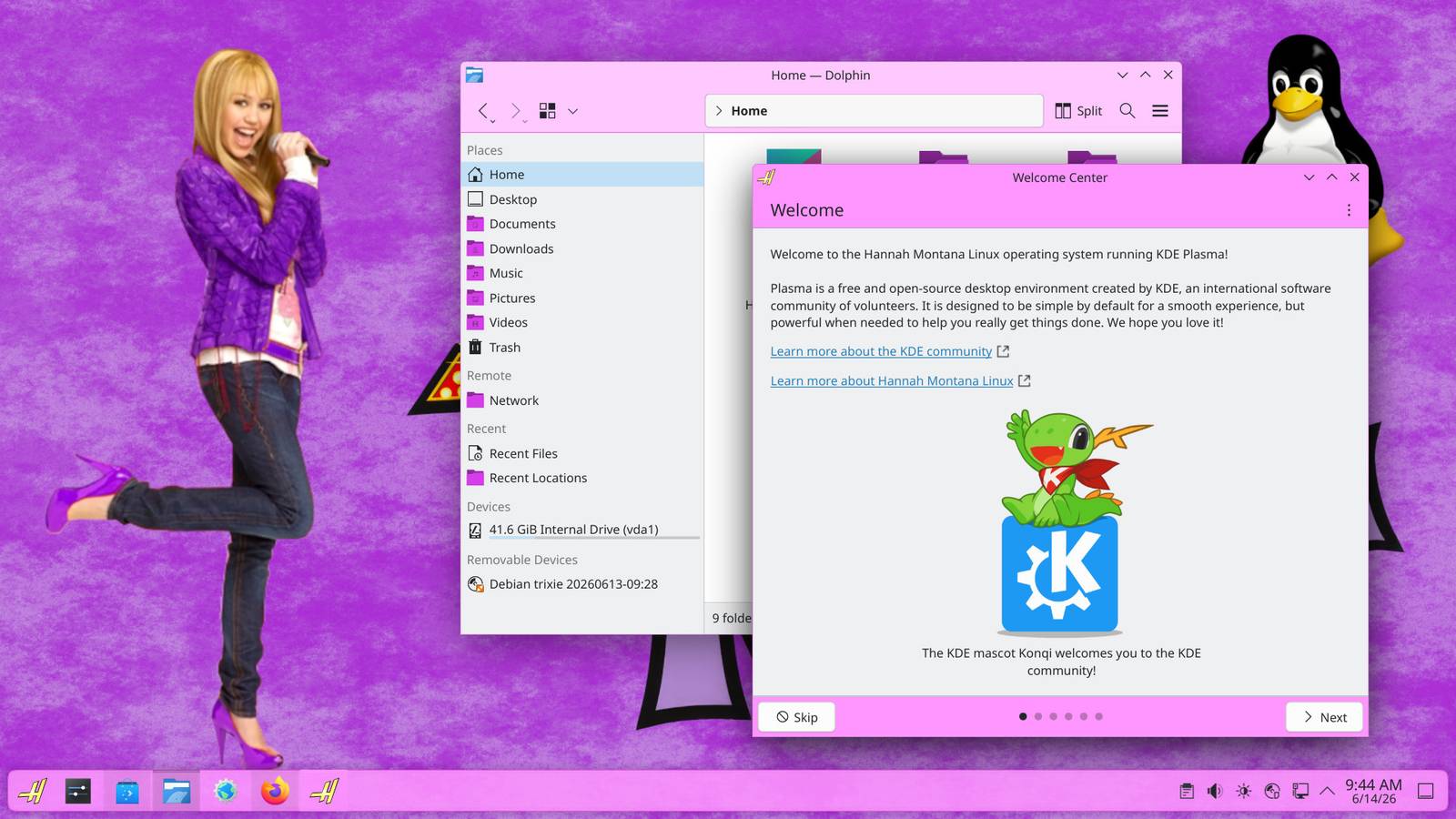
The release of Hannah Montana Linux v.26 is more than just a skin pack. While the aesthetic is aggressively pink and heavily branded with the likeness of the titular character, the underlying architecture is thoroughly contemporary.
The primary version of this distribution utilizes KDE Plasma 6 and the SDDM (Simple Desktop Display Manager) login screen. For those unfamiliar with the current state of the Linux desktop, Plasma 6 represents a significant leap forward in stability, performance, and features, offering a sleek, highly customizable experience that rivals commercial operating systems like Windows 11 or macOS.
However, the creator recognized that a modern desktop environment might be too heavy for those seeking to install this on legacy hardware—a common use case for fans of the original 2009 distribution. Consequently, a "Lite" version was launched concurrently. This version swaps the resource-intensive Plasma 6 for LXQt, a lightweight desktop environment designed to run efficiently on machines with as little as 2GB of RAM.
Chronology: From 2009 Meme to 2026 Revival
The history of Hannah Montana Linux is a fascinating case study in how open-source projects can outlive their intended relevance.
- 2009: The Original Launch. During the peak of the Hannah Montana franchise, the original Linux distro was released. It was essentially a customized version of Kubuntu that aimed to bring the "Disney magic" to a desktop interface. At the time, it was met with a mixture of amusement and genuine curiosity regarding how far desktop customization could be pushed.
- 2010–2024: The Dormant Years. As the series concluded and technology moved forward, the original distro became largely unusable on modern hardware due to deprecated repositories and outdated drivers. It became a piece of "abandonware," often sought out only by retro-computing enthusiasts or those looking for a humorous challenge.
- 2025: The Rediscovery. A year ago, interest piqued when tech publications began testing the original 2009 build on modern systems. The struggle to get the outdated software to boot served as a catalyst, highlighting a void in the "thematic distro" space.
- July 2026: The V.26 Release. Developer Noah Cagle bridged the gap between nostalgia and utility, releasing the v.26 build. This release marked the first time the theme had been ported to a truly modern, secure, and actively supported Linux base.
Supporting Data: System Requirements and Technical Specs
The decision to offer two distinct versions (Plasma 6 vs. LXQt) reflects a pragmatic approach to distribution development. Modern Linux users have varying hardware capabilities, and Cagle’s documentation provides clear guidance for prospective users.
The "Full" Experience (KDE Plasma 6)
The primary build is intended for modern hardware. Users should anticipate the following:
- RAM: 8GB minimum recommended for a smooth, lag-free experience.
- Display: Optimized for high-resolution monitors, utilizing the full visual fidelity of the Plasma 6 theme.
- Use Case: This is intended for users who want a "daily driver" that happens to look like a fan tribute. It includes all the modern software repositories expected from a contemporary Linux distro.
The "Lite" Experience (LXQt)
For those who want to keep the spirit of the original 2009 experiment alive—perhaps by installing it on an old netbook from that era—the Lite version is the preferred path.
- RAM: Operates comfortably on as little as 2GB of RAM.
- Efficiency: By utilizing the lightweight LXQt environment and lightdm, the distribution minimizes background resource consumption, allowing it to perform adequately on hardware that would struggle to even launch a modern web browser.
Official Responses and Community Reception
The release has been met with a mix of genuine technical appreciation and lighthearted humor. Within the Linux community—often criticized for being overly serious or elitist—the reception has been surprisingly positive.
Noah Cagle’s project was recently highlighted by Linux-focused outlets, including Linuxiac, which noted that while the aesthetic might not be for everyone, the underlying technical implementation is sound. The availability of the project on GitLab has allowed the community to inspect the code, contributing to a sense of transparency and collaborative development.
"I use Hannah Montana Linux btw" has already begun appearing in forum signatures and social media posts, a tongue-in-cheek reference to the famous "I use Arch btw" meme. The developer’s YouTube demonstration, which walks viewers through the installation and customization process, has further solidified the project’s status as a legitimate, if unconventional, Linux build.
Implications: The Role of Whimsy in Open Source
The return of Hannah Montana Linux raises interesting questions about the nature of the open-source community. Why do developers spend time creating and maintaining a distro that is inherently tied to a specific, now-dated pop culture brand?
1. The Gateway Effect
Distros like this act as a "soft landing" for non-technical users. If a younger user or a fan of the franchise decides to explore Linux, a familiar or fun theme can remove the intimidation factor that often accompanies the transition from Windows or macOS to an open-source operating system.

2. Demonstrating Customization
One of the core tenets of Linux is the ability to change anything. Hannah Montana Linux serves as a masterclass in theme implementation. It shows that with enough dedication, the Linux desktop can be transformed into almost anything, regardless of how extreme or unconventional the design goals might be.
3. Preserving Internet History
By modernizing the distro, the developer is effectively preserving a piece of internet history. Instead of letting the 2009 project fade into digital obscurity, they have ensured that it remains functional and accessible for future generations of users who may want to experience the "meme" in a way that is actually usable.
Conclusion
Whether one views Hannah Montana Linux v.26 as a brilliant piece of software engineering or a hilarious prank, its release is a testament to the freedom inherent in the Linux ecosystem. It proves that there is still room in the industry for projects that don’t take themselves too seriously.
By utilizing a robust, modern base like KDE Plasma 6, Noah Cagle has ensured that the "pinkest distro on Earth" is more than just a nostalgic novelty; it is a fully functional, highly capable operating system. For those who find the default look of GNOME or standard Plasma too clinical, the bright, unapologetic aesthetic of this project might just be the breath of fresh air—or at least the pop-star-infused chaos—that their desktop needs.
For those interested in taking the plunge, the project is available for download on its official GitLab page, and the creator’s documentation provides a clear roadmap for installation, regardless of whether you are running a high-end gaming rig or a dusty laptop from 2009. The question is no longer whether it can run; it is whether you are ready to embrace the pink.

 Nana Wu
 Reynand Wu