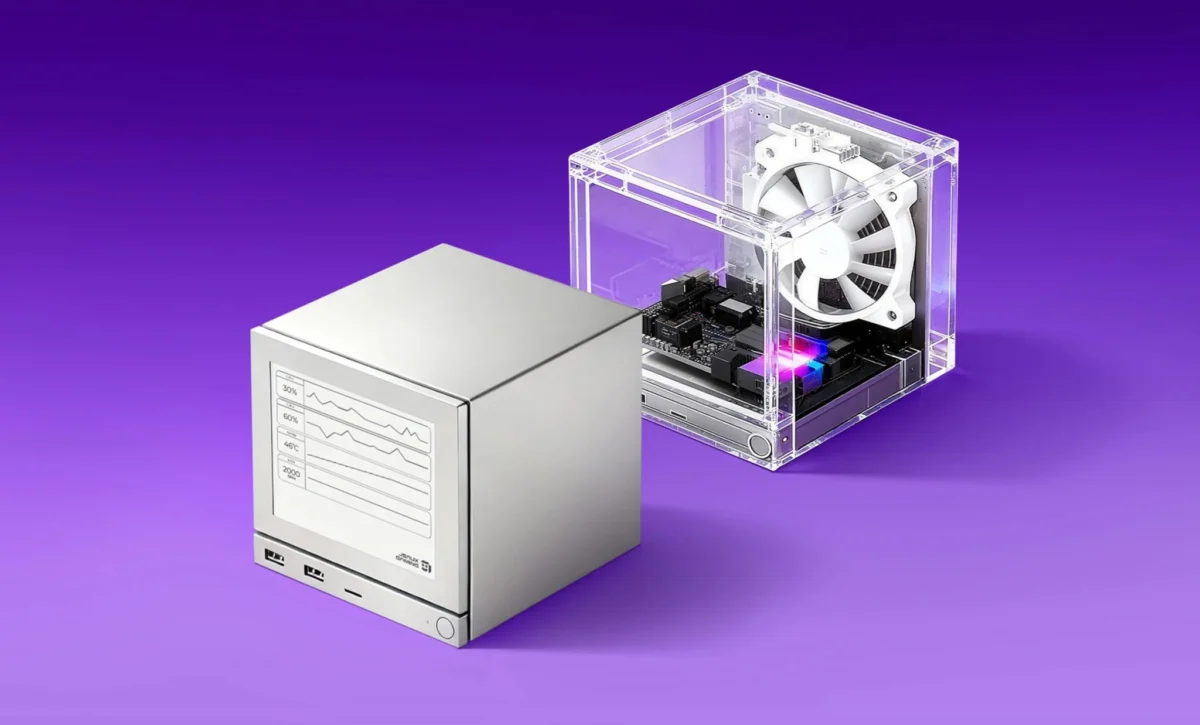
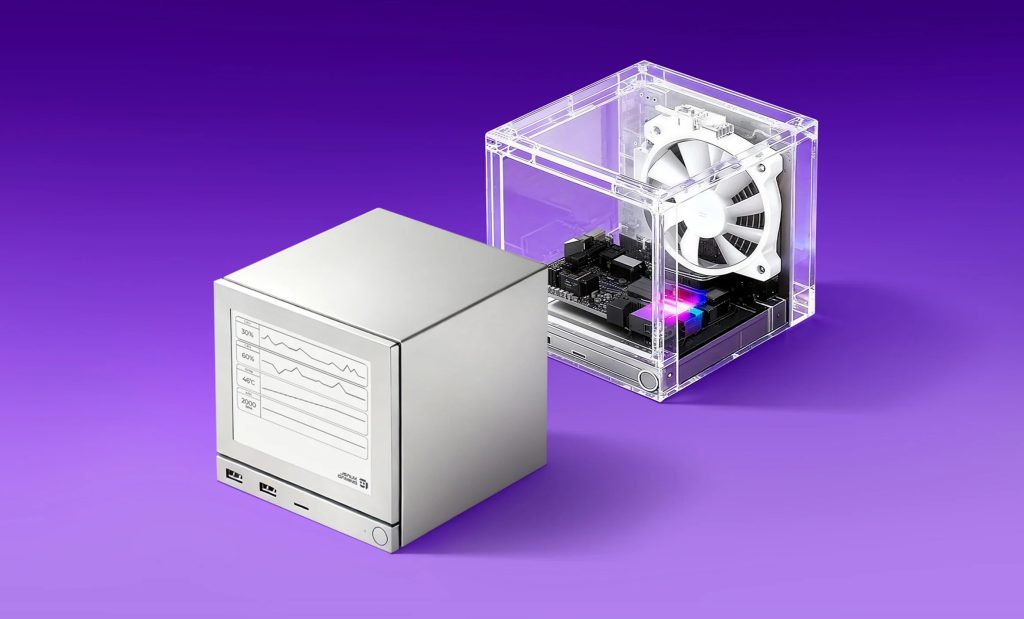
In a move that underscores Valve’s long-standing commitment to hardware transparency and community-led innovation, the company has officially released the complete project files, schematics, and assembly documentation for its experimental E-Ink faceplate designed for the new Steam Machine. This decision effectively hands the keys to the kingdom over to the DIY community, allowing enthusiasts to manufacture, program, and customize their own hardware accessories from the ground up.
Originally teased as an ambitious concept during the Steam Machine’s initial unveiling, the E-Ink faceplate was widely regarded as an enticing, yet potentially vaporware-adjacent, luxury feature. By transitioning the project to an open-source model via a dedicated GitLab repository, Valve has transformed a static concept into a living project, inviting makers and hardware hackers to participate in the evolution of their console’s aesthetic and functional design.
The Genesis of the E-Ink Interface: A Chronology of Innovation
To understand the significance of this release, one must look back at the trajectory of the Steam Machine project. When Valve first announced the console, the modularity of the chassis was touted as a primary selling point. The front panel, designed to be easily swappable, was identified early on as a canvas for user expression.
Late 2025 – The Tease: During the initial Steam Machine showcase, Valve presented the E-Ink display as a "future-looking concept." At the time, there was no indication that consumers would be able to build their own, and the industry consensus was that such a feature would be locked behind proprietary, first-party manufacturing.
Mid-2026 – The Hardware Pivot: Following the successful launch of the Steam Machine, hardware leakers and industry analysts—most notably Brad Lynch—began tracking the development of the "Inkterface" project. It became clear that Valve was not just building a product, but a platform for peripheral experimentation.
July 2026 – The Open-Source Release: Valve formally pushed the "Inkterface" repository to the public. This repository includes everything from the 3D-printable CAD files for the chassis to the precise bill of materials (BOM) required to source the necessary electrical components. This move mirrors Valve’s historical approach to the Steam Controller and the Steam Deck, prioritizing "repairability" and "moddability" over closed-garden hardware constraints.
Technical Breakdown: What’s Under the Hood?
For those interested in taking on the build, the project is surprisingly accessible to anyone with a modest 3D printer and a basic grasp of soldering. The "Inkterface" is not merely a screen; it is a fully integrated hardware component that interfaces with the Steam Machine’s internal systems.
Hardware Requirements
The assembly relies on an ESP32 microcontroller, a widely adopted and inexpensive board known for its versatility in IoT projects. The repository provides specific guidance on:
- The Chassis: High-resolution 3D printable files designed to snap seamlessly into the Steam Machine’s front mounting points.
- The E-Ink Display Module: Specific part numbers for the E-Ink panel, ensuring that the display maintains the high contrast and low-power characteristics Valve intended.
- Connectivity: The module utilizes Bluetooth to communicate with the Steam Machine. This wireless link is critical, as it allows the display to pull real-time data—such as CPU/GPU temperatures, frame rates, or custom user images—without interfering with the console’s primary I/O ports.
Software and Firmware
Valve has provided a comprehensive suite of software tools to ensure the faceplate functions as intended. Currently, users are required to flash the firmware onto their ESP32 boards using the provided instructions. While a user-friendly, one-click configuration app is currently in development for the Steam client, early adopters are expected to compile their own AppImages. This manual requirement serves as a filter for the community, ensuring that those who choose to build the hardware are capable of managing the software side of the equation.
Implications: The Shift Toward User-Centric Hardware
The decision to open-source the faceplate has profound implications for the gaming hardware industry. In an era where many tech giants aggressively lock down their hardware—limiting repairs, modifications, and user autonomy—Valve’s approach is a stark outlier.
Fostering an Ecosystem
By providing the CAD files, Valve has essentially invited third-party manufacturers to compete with the official design. Companies like JSaux have already signaled their intent to produce E-Ink faceplates, which will likely offer premium materials, pre-assembled electronics, and plug-and-play convenience for those who lack the time or tools to build their own. This creates a symbiotic relationship: Valve provides the standard, and the market provides the variety.
The "Right to Repair" Philosophy
Valve’s continued support for open hardware is a boon for the "Right to Repair" movement. By documenting how the Steam Machine is assembled, and specifically how the modular faceplate functions, Valve is training a generation of users to view their console not as a black box, but as a modular computer. If a user’s E-Ink screen cracks or an ESP32 board fails, they are not reliant on a costly RMA process; they are empowered to source the part and fix it themselves for a fraction of the cost.
Challenges for the Enthusiast
While the open-source nature of the project is a massive win, it is not without its hurdles. Building the faceplate requires a level of technical literacy that may prove daunting for the average gamer.
- Assembly Precision: 3D printing the chassis requires a printer capable of decent tolerances. Warping or poor layer adhesion could result in a faceplate that fails to snap securely into the Steam Machine.
- Firmware Complexity: While the documentation is thorough, flashing firmware via command-line tools remains an intimidating task for many. Until the official Steam configuration app is released, the barrier to entry remains strictly "hobbyist-grade."
- Component Sourcing: Users must independently source the E-Ink display and the specific ESP32 board. Global supply chain fluctuations can sometimes make these small electronic components harder to find than anticipated.
The Future of Steam Machine Customization
Looking ahead, the community is already speculating on what else might be possible with the "Inkterface" framework. Because the interface is open-source, it is highly likely that developers will create custom firmware that extends the functionality of the display.
We could see:
- Custom Widgets: Community-developed plugins that show live stock tickers, weather updates, or Discord notification counts.
- Artistic Integration: A "Wallpaper Engine" style interface for the faceplate, allowing users to rotate high-contrast artwork or dynamic themes.
- Advanced Telemetry: More granular hardware monitoring that taps into the SteamOS kernel to provide deep-dive diagnostics directly on the front of the machine.
Conclusion: A Benchmark for the Industry
Valve’s release of the Steam Machine E-Ink faceplate files is a refreshing departure from the restrictive norms of the console market. By treating its hardware as an open platform, the company is not only extending the lifespan and utility of its products but also building a deeply loyal community of "power users" who feel invested in the ecosystem.
For the casual observer, the ability to put a custom image on a console faceplate might seem like a niche feature. However, for the PC gaming community, it represents a core tenet of the hobby: the freedom to tinker, the ability to personalize, and the right to control one’s own hardware. As the Steam Machine gains traction, it is highly probable that this E-Ink faceplate will be remembered as the first of many community-led, Valve-supported hardware initiatives.
For those eager to get started, the GitLab repository is now live and actively receiving contributions from the community. Whether you are a seasoned engineer or a hobbyist with a new 3D printer, the "Inkterface" is ready to be brought to life. As Valve continues to refine its configuration software, the line between "official" and "community-made" will continue to blur, marking a new chapter in the history of user-led hardware design.