

By Mustafa Mahmoud
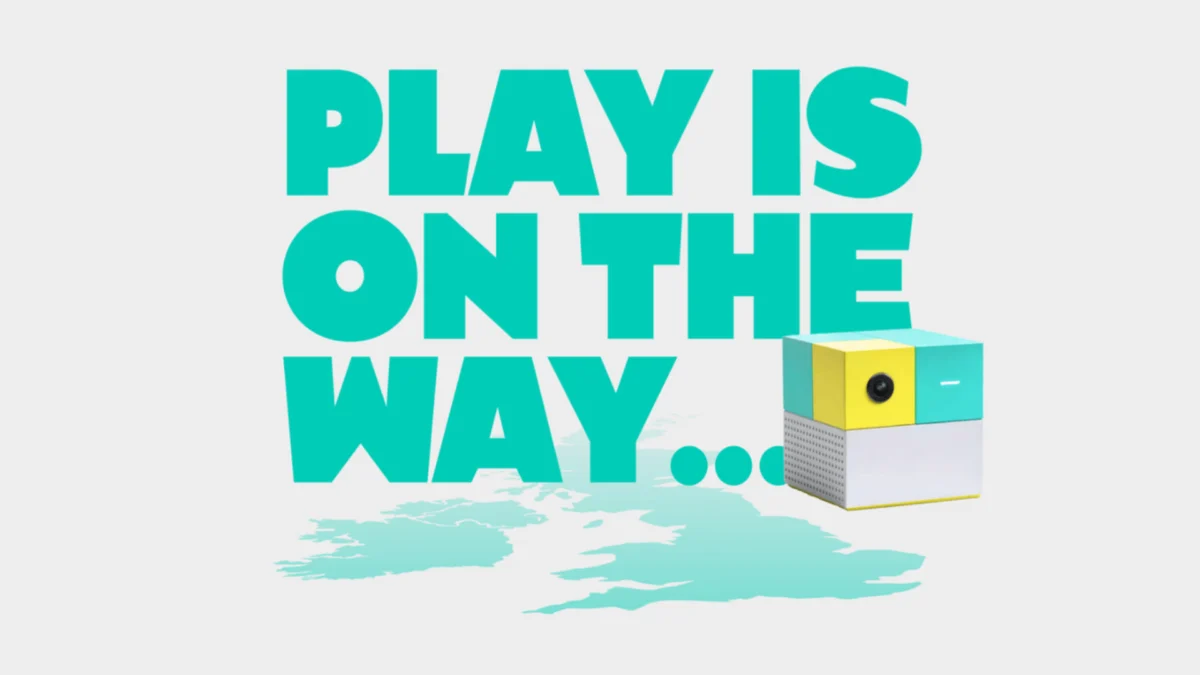
The landscape of home entertainment is witnessing an unexpected shift. While the console wars have long been dominated by the traditional "big three"—Sony, Microsoft, and Nintendo—a disruptor has quietly entered the arena. The Nex Playground, a motion-sensing, subscription-reliant console, first garnered global attention late last year when it outperformed established giants during the pivotal Black Friday shopping window in the United States. Following that unexpected commercial victory, the developers have officially announced a significant expansion, bringing the device to the United Kingdom and the Republic of Ireland this June.
This move marks a bold attempt to replicate the device’s US success in the European market, betting on a niche that many believed had been abandoned following the decline of the Kinect and the Nintendo Wii.
The Main Facts: What is the Nex Playground?
The Nex Playground is not a conventional console. Unlike the PlayStation 5 or the Xbox Series X, which prioritize high-fidelity graphics, ray-tracing, and 4K output, the Nex Playground is built entirely around active, motion-based gameplay. Utilizing a sophisticated camera system that tracks body movement without the need for wearable controllers, the device aims to bridge the gap between physical fitness and interactive entertainment.
The system is designed to be accessible, prioritizing family-friendly, intuitive gaming experiences over complex control schemes. As it prepares for its UK and Irish debut, potential customers should note the following core details:
- Release Window: The device is scheduled to ship in late June.
- Retail Strategy: Pre-orders are currently live across major UK retailers.
- Hardware Cost: The console carries a retail price of £269.
- Content Model: The system includes five starter games out of the box, but relies heavily on an annual "Play Pass" subscription model.
- Subscription Fee: Users must pay £90 per year to access a library of over 60 active titles.
A Chronological Journey: From Obscurity to Market Disruptor
The rise of the Nex Playground has been anything but traditional. Its journey can be categorized into three distinct phases:
1. The Early Development and Launch (2023)
The Nex Playground entered the market with little fanfare compared to the massive marketing budgets of industry titans. Its initial positioning was that of a boutique fitness and family device. However, as the holiday season approached, the platform found a surprising foothold among parents looking for non-sedentary gaming options for their children.
2. The Black Friday Surge
The turning point for the brand came during the 2023 Black Friday period. Sales data revealed that the Nex Playground had managed to outsell both Xbox and Nintendo consoles in specific US retail channels. This sent shockwaves through the industry, proving that there was a massive, underserved demand for motion-controlled, "active" home gaming that didn’t require expensive virtual reality hardware.
3. Price Adjustments and Global Expansion (2024–2025)
As the platform scaled, it faced the same economic headwinds as the rest of the tech industry. In early 2024, the company announced a $50 price hike on the hardware in the US, citing rising component costs. This increase has now been factored into the European launch price, confirming that the company is passing the costs of global logistics and manufacturing on to the consumer.
Supporting Data: Understanding the Market Dynamics
To understand why the Nex Playground is a significant outlier, one must look at the data regarding hardware saturation. The gaming market is currently dominated by high-powered, static experiences. Data indicates that while "hardcore" gamers are well-served, there is a "casual-active" demographic—comprising families and individuals interested in home fitness—that feels alienated by the complexity of modern controllers.
The Cost-of-Ownership Comparison
When evaluating the £269 entry price plus the £90 annual subscription, the Nex Playground enters a price tier that competes directly with the Nintendo Switch OLED model. However, the value proposition is fundamentally different:
- Nintendo Switch: A hybrid portable/home console with a vast library of "buy-to-own" software.
- Nex Playground: A dedicated home-based motion system that functions similarly to a "Game Pass" service, where the library is only accessible as long as the subscription is active.
Industry analysts are watching this model closely. The "service-as-a-console" approach is a high-risk, high-reward strategy that requires constant content updates to keep the £90 annual fee feeling justified to the consumer.
Official Responses and Strategic Vision
In their official announcement regarding the UK and Irish expansion, the Nex Playground team emphasized that the decision was driven by overwhelming demand from the region.
"We have listened to our community, and the message was clear," a spokesperson stated in a recent press release. "The UK and Ireland are vibrant markets with a strong appetite for innovative, inclusive gaming experiences that get people off the sofa and moving together."
The company is positioning the "five free starter games" as a way to lower the barrier to entry, ensuring that users can engage with the hardware immediately upon unboxing. By bundling these titles, Nex hopes to mitigate the "sticker shock" of the initial hardware purchase and the recurring subscription fee.
Implications: Can the Nex Playground Succeed in the UK?
The arrival of the Nex Playground in the UK and Ireland poses several critical questions for the future of the console market.
The "Kinect" Shadow
History has not been kind to motion-based consoles. The Microsoft Kinect, while technologically impressive, eventually suffered from a lack of "killer apps" and waning developer interest. The Nex Playground must avoid this trap by ensuring its library of 60+ games is not merely a collection of tech demos, but sustained, replayable experiences that justify the annual subscription.
The Competitive Landscape
The Nex Playground is not just fighting for shelf space; it is fighting for "leisure time." In a UK market where households are increasingly budget-conscious due to inflation, asking for a £269 upfront investment followed by a recurring £90 annual fee is a significant hurdle.
If the device can capture the family demographic—a segment that Nintendo has historically dominated—it could carve out a permanent, if modest, place in the ecosystem. However, if the novelty wears off, the device risks becoming a piece of electronic clutter, similar to the fitness peripherals of the previous decade.
Market Integration
The success of the platform will likely depend on its integration with local retailers. By securing placement in major UK electronics stores, Nex is signaling that they are not content with being an "online-only" niche product. They are seeking mainstream legitimacy.
Final Thoughts: A New Direction for Gaming
As we look toward the latter half of 2024, the Nex Playground represents a fascinating case study in market diversification. It is a reminder that the gaming industry is not a monolith. While the "console wars" are often defined by teraflops and frame rates, there is a segment of the population that defines gaming by activity, accessibility, and shared physical experience.
Whether the Nex Playground will become a staple in British living rooms or a footnote in gaming history remains to be seen. What is clear, however, is that the demand for "active" gaming has not vanished—it was simply waiting for the right hardware to arrive.
For the average consumer, the choice is now: do you invest in the proven, high-fidelity power of a traditional console, or do you take a chance on a platform that promises to turn your living room into a digital playground? Only time, and the sales figures of this coming winter, will provide the answer.












No comments yet. Be the first to join the conversation!