Lina Hope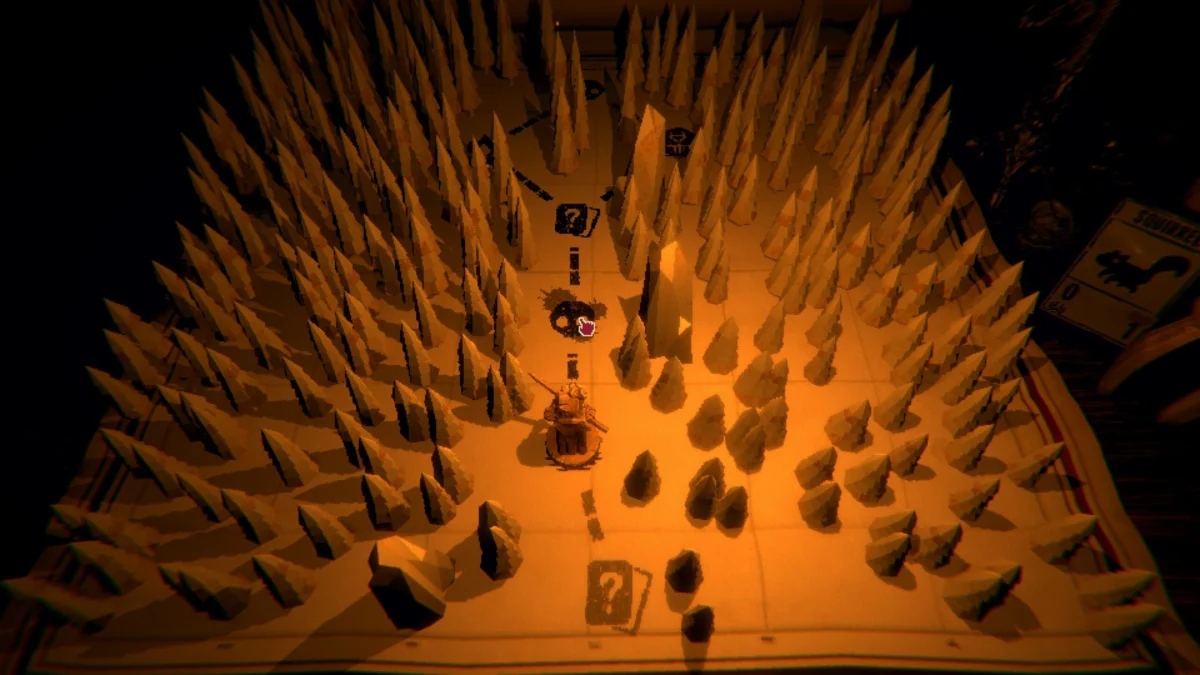
Main Facts: A Genre-Defying Descent
In the crowded landscape of indie gaming, few titles manage to subvert expectations as violently and effectively as Inscryption. Developed by Daniel Mullins Games and published by the industry tastemakers at Devolver Digital, Inscryption is ostensibly a deck-building roguelike, but that classification is a gross simplification of a multifaceted, meta-fictional nightmare.
Priced at £16.79 on PC, the game presents itself as a simple, gothic card battler played in a claustrophobic, dimly lit shack. Yet, within moments of launching the title, the player is confronted with the reality that they have no choice in the matter. There is no "New Game" button—only the haunting invitation to "Continue." What follows is an experience that blends psychological horror, puzzle-solving, and card-based strategy into a singular, cohesive narrative that challenges the player’s relationship with the medium of video games itself.
Chronology: The Ritual of the Cabin
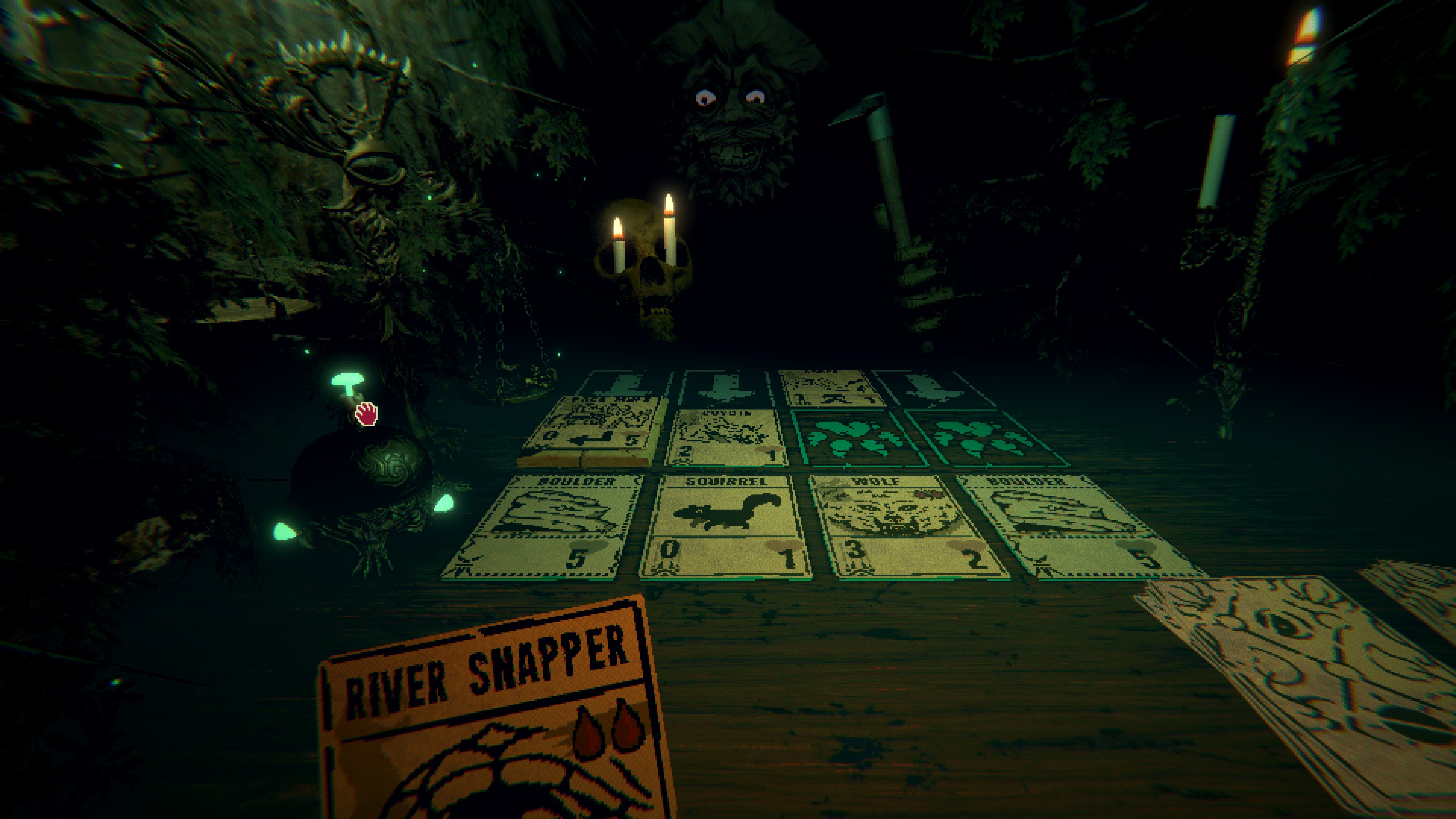
The narrative structure of Inscryption is cyclical and oppressive. The player sits across from a shadowy, malevolent entity whose presence is defined by glowing eyes and withered hands that rhythmically tap on a wooden table.
The Opening Gambit
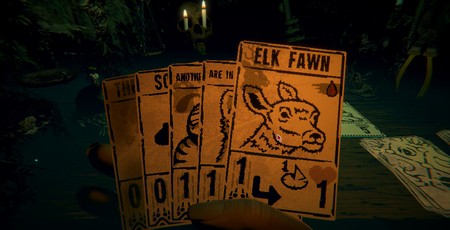
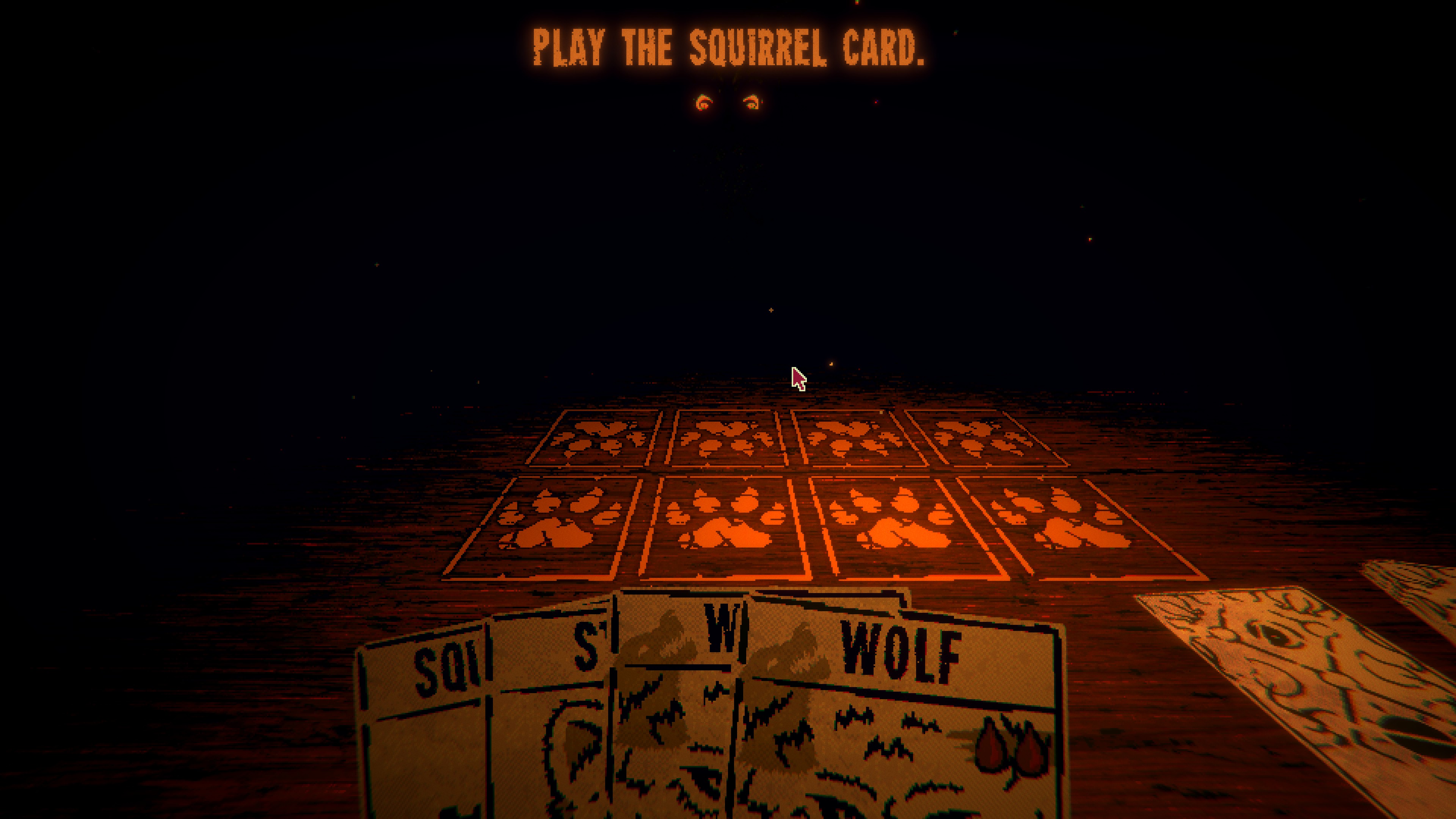
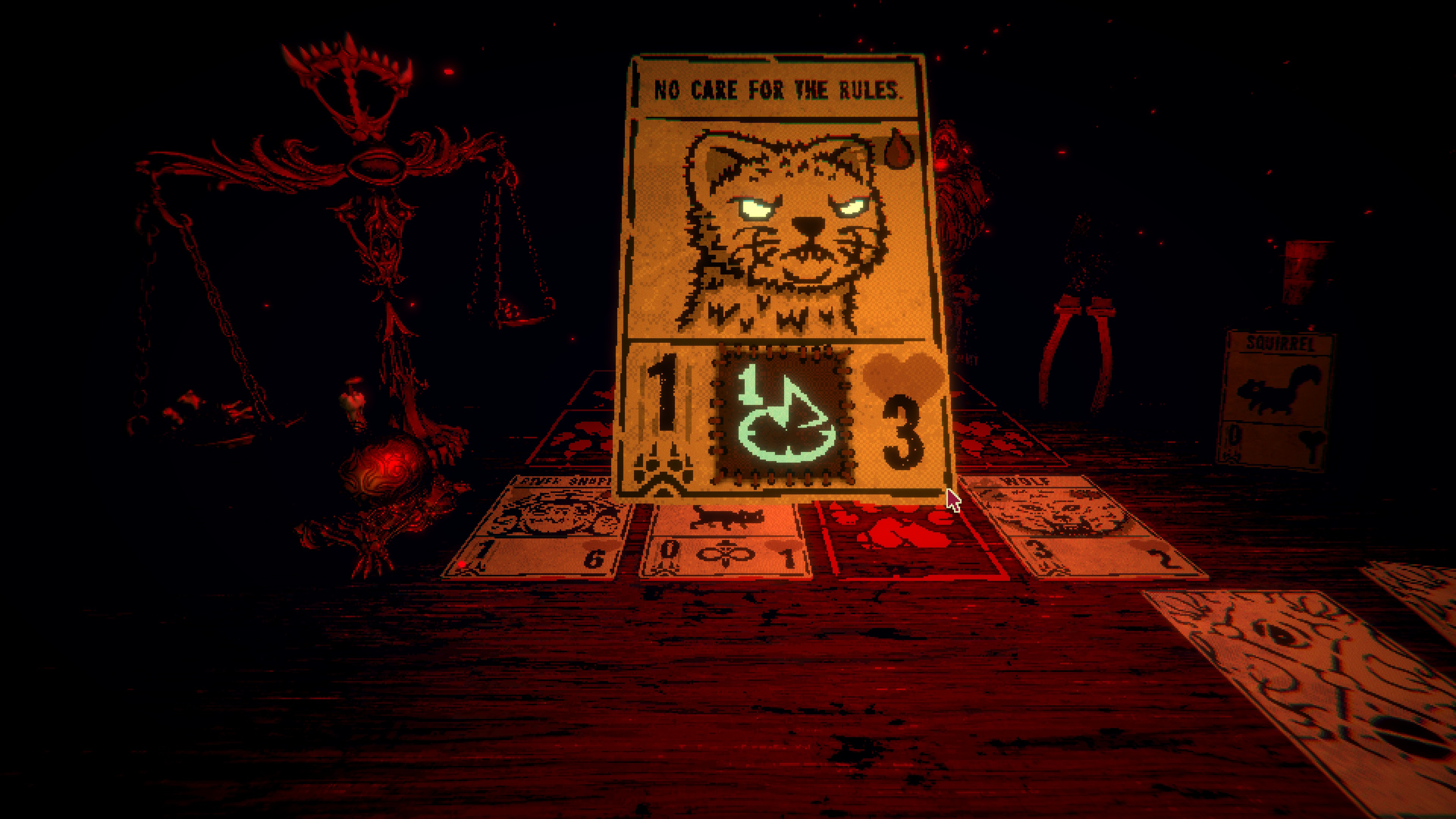
The game begins in a state of enforced participation. The board serves as the primary theater of conflict. Players utilize a deck of woodland creatures, where the core mechanic revolves around sacrifice. To play a high-value card like a Wolf, one must first play and then "sacrifice" lesser creatures like squirrels—a bleak, visceral reminder of the stakes involved. The stoat, one of the first cards to interact with the player, serves as a cynical guide, offering advice that feels simultaneously helpful and deeply untrustworthy.
The Liminal Space
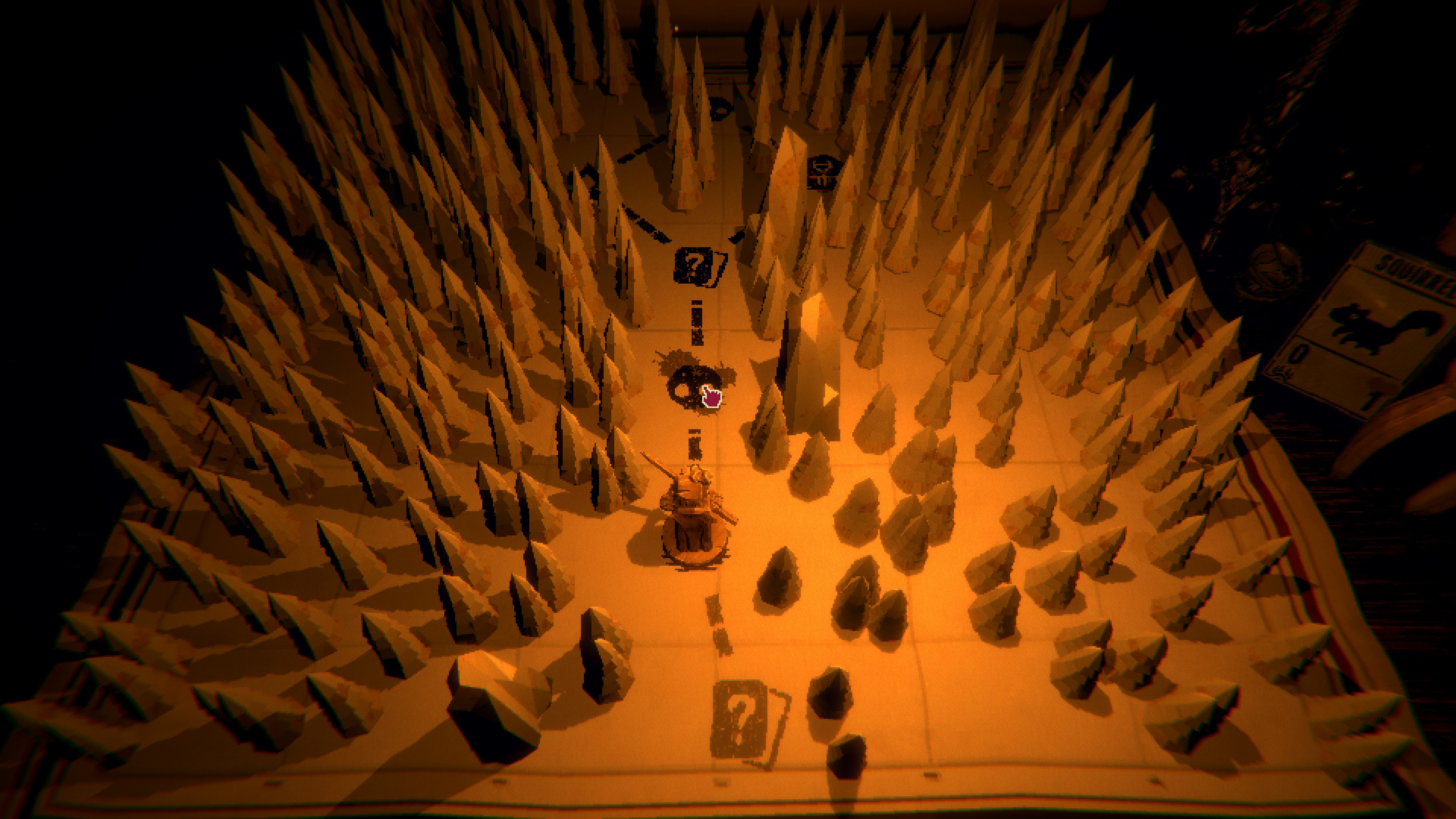
When the cards are not being played, the player is granted brief moments of reprieve. You are free to stand up from the table and explore the cabin. This is where the game shifts from a traditional card battler to an immersive sim-lite. The environment is dense with detail: a cuckoo clock that holds secrets, a safe that demands a code, and a rulebook that hints at a larger mystery. It becomes clear that the cabin is not merely a backdrop; it is a puzzle box. Every item you manipulate in the physical space of the room influences the cards you draw at the table, creating an intoxicating feedback loop between the player, the game board, and the environment.
The Escalation of Stakes
As the player progresses, the "Opponent" introduces more complex mechanics. From the Prospector, who turns your hard-earned cards into useless gold, to the Trapper and the Trader, the game constantly shifts its ruleset. Players must adapt to resource management systems involving "bones"—a secondary currency earned when creatures die—and stone altars that allow for the grotesque fusing of animal cards. The game encourages a form of "power creep" that borders on the divine, allowing players to build decks that feel intentionally broken, yet entirely necessary to survive the increasingly hostile encounters.
Supporting Data: The Mechanics of Dread
Inscryption succeeds because it treats its mechanics as part of its horror. The "crunchy" pixel art style provides a layer of tactile nostalgia that masks the underlying rot of the world.
Strategic Depth
The complexity of the deck-building is profound. The synergy between the cards—such as the Ant, which gains power based on the number of other ants on the board—demands high-level strategic thinking. However, the game cleverly balances this by giving the player one-off items like scissors or squirrel bottles, allowing for "cheating" mechanics that feel like desperate, last-ditch efforts to survive.
The Meta-Narrative
Perhaps the most significant aspect of Inscryption is how it treats the "game" as a physical object. The cards chatter, argue, and complain. The environment is aware of your actions. As you delve deeper, the line between the card game and the reality of the cabin begins to blur. The game is not just about defeating the opponent; it is about escaping the constraints of the software itself. This meta-narrative approach has earned the game significant critical acclaim, as it forces the player to question if they are the master of the game or merely another card in the deck.
Official Responses and Industry Reception
Upon its release, Inscryption received overwhelming acclaim from both critics and the community. Devolver Digital, known for backing "weird" and experimental titles, found a massive hit in Daniel Mullins’ creation.
Critics have frequently noted that Inscryption is best played with as little prior knowledge as possible. This "spoiler-free" consensus has become a hallmark of the game’s marketing. Daniel Mullins, in various interviews, has emphasized that the game was designed to be an exploration of the "dark side" of gaming—the obsession, the frustration, and the bizarre attachment players form with the digital items they collect.
The community response has been equally fervent, with dedicated forums and wikis appearing to map the game’s complex ARG (Alternate Reality Game) elements, which extend far beyond the executable file itself. The game has been heralded as a masterclass in atmosphere, with many reviewers noting that the sound design—the "soul-shaking buzz" of the opponent’s voice—creates an auditory experience that sticks with the player long after the screen goes dark.
Implications: The Future of Indie Horror
The success of Inscryption carries significant implications for the future of indie development.
Breaking the Fourth Wall
Inscryption proves that players are hungry for experiences that treat the medium of the video game as a malleable, interactive narrative rather than a static product. By breaking the fourth wall, the game creates a sense of intimacy that AAA titles, with their focus on polished, linear experiences, often fail to replicate.
The Evolution of the Roguelike
By injecting a deep, unfolding narrative into the roguelike genre, Mullins has provided a blueprint for how to evolve stale mechanics. The "death" in Inscryption is not a punishment that resets your progress in the traditional sense; it is a narrative beat that advances the story. This shift from "fail-state" to "story-progression" is a vital evolution for the genre.
The Lingering Presence
The final implication of Inscryption is the most unsettling: it changes how you view your own game library. When you exit the game, the atmosphere of the cabin—the cold wood, the smell of damp earth, and the feeling of being watched—lingers. It is a testament to the power of immersive design.
As you consider your next move, you find yourself drawn back to the chair. The cards are waiting. The stoat has more secrets to whisper. The shadows in the corner of the room seem to stretch just a little bit further than they did before. You know you should stop, but you also know that you cannot. You are, after all, part of the ritual now. And there is nothing else quite like it.


 Nila Kartika Wati
 Laily UPN