Ali Ikhwan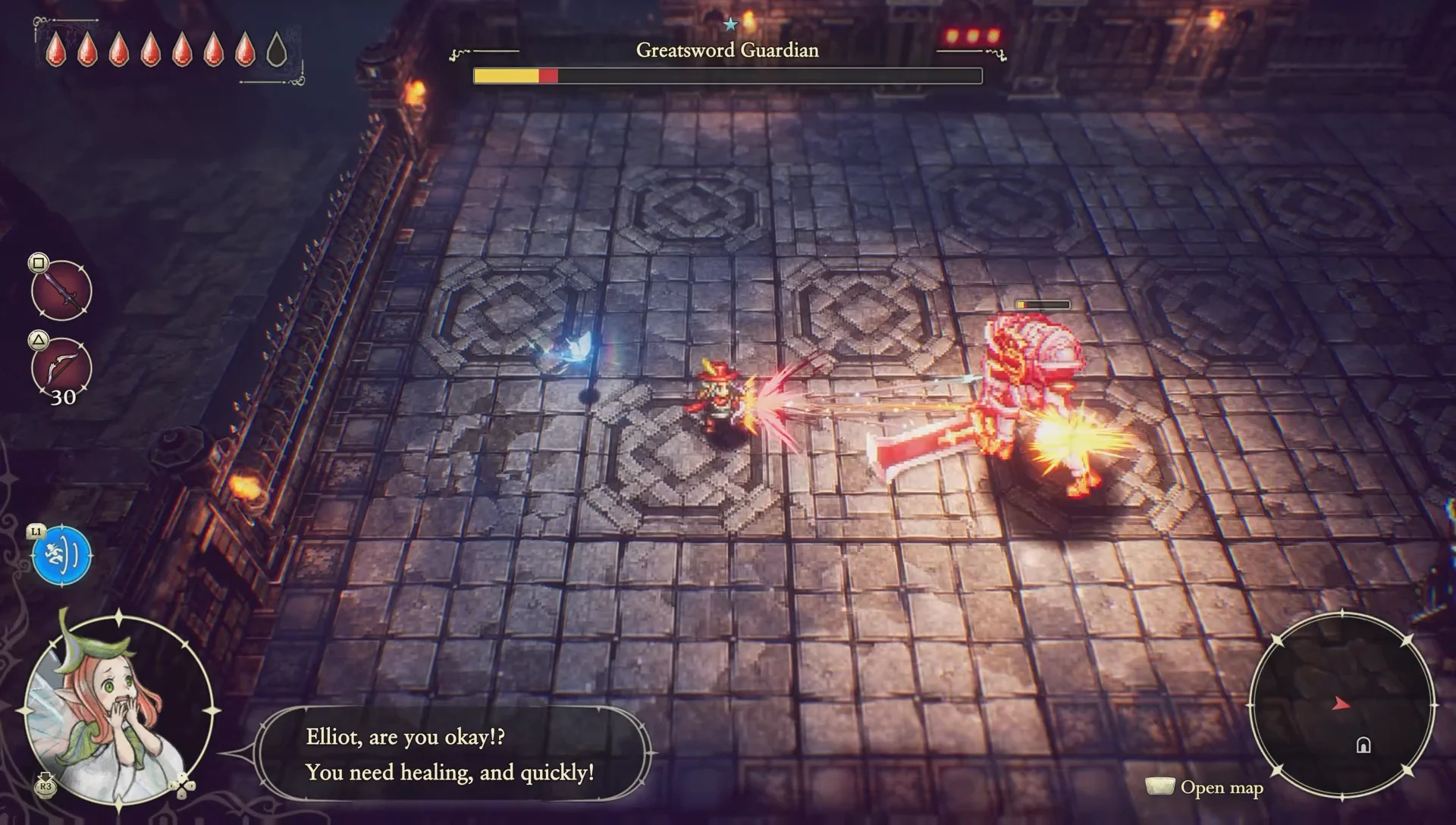
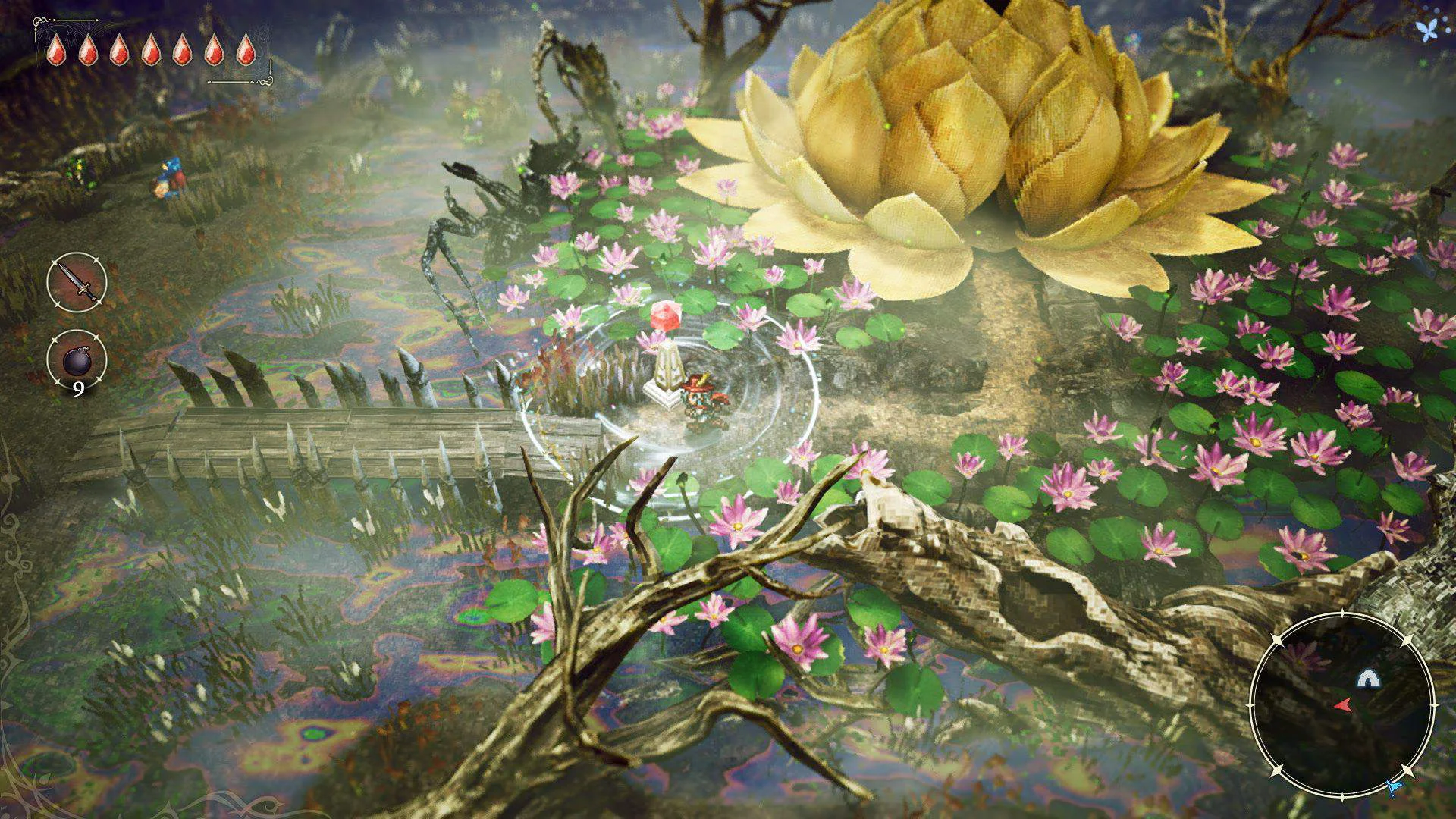
Since the release of Octopath Traveler, the gaming industry has been captivated by the "HD-2D" aesthetic—a sophisticated marriage of nostalgic pixel art and modern lighting, depth-of-field, and high-fidelity shadow effects. While this visual language has become a staple for Square Enix’s turn-based JRPG revival, its potential for other genres has remained largely untapped. That is, until now.
Developed by the acclaimed Team Asano in collaboration with Claytechworks, The Adventures of Elliot: The Millennium Tales represents a bold evolution of the HD-2D framework. By shifting the perspective from traditional turn-based combat to a top-down action RPG format reminiscent of the golden era of The Legend of Zelda, the developers are crafting a title that feels both hauntingly familiar and refreshingly innovative.
The Evolution of the HD-2D Formula
The HD-2D aesthetic is more than a stylistic choice; it is a bridge between the 16-bit era and the modern gaming landscape. While titles like the Dragon Quest I & II HD-2D remakes have successfully translated classic turn-based experiences into this new visual dialect, The Adventures of Elliot takes a leap of faith into real-time combat.
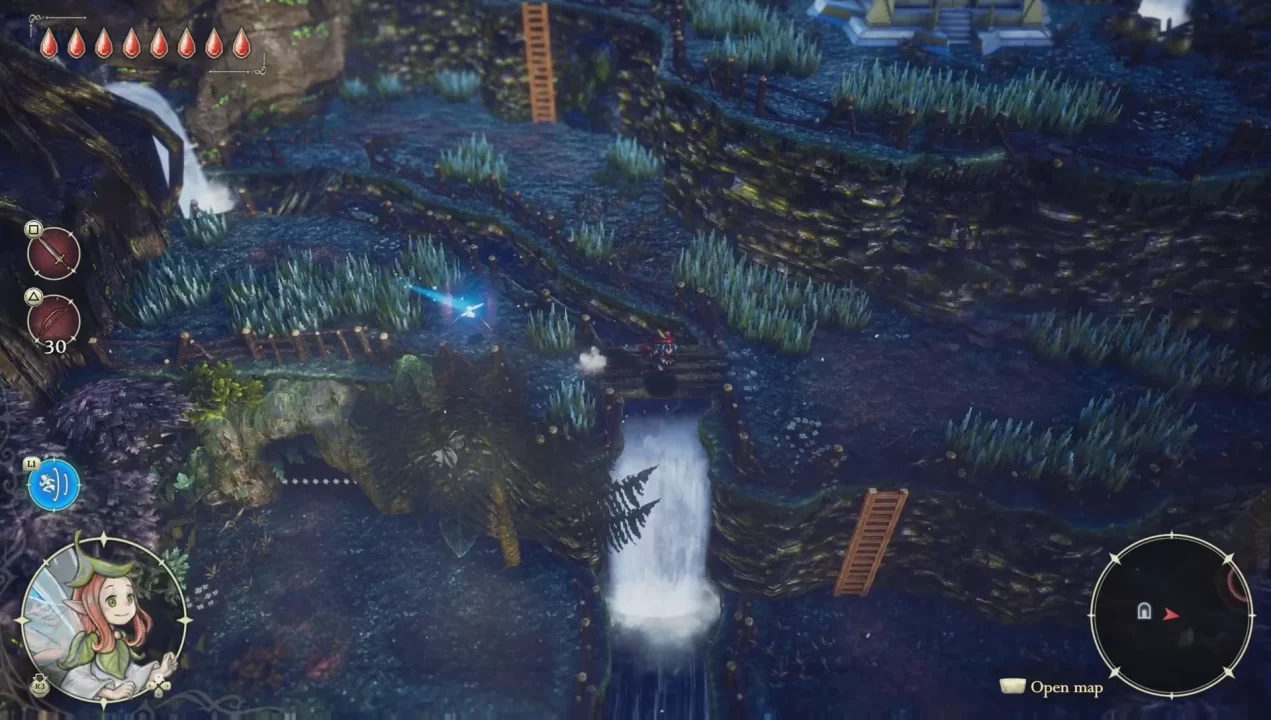
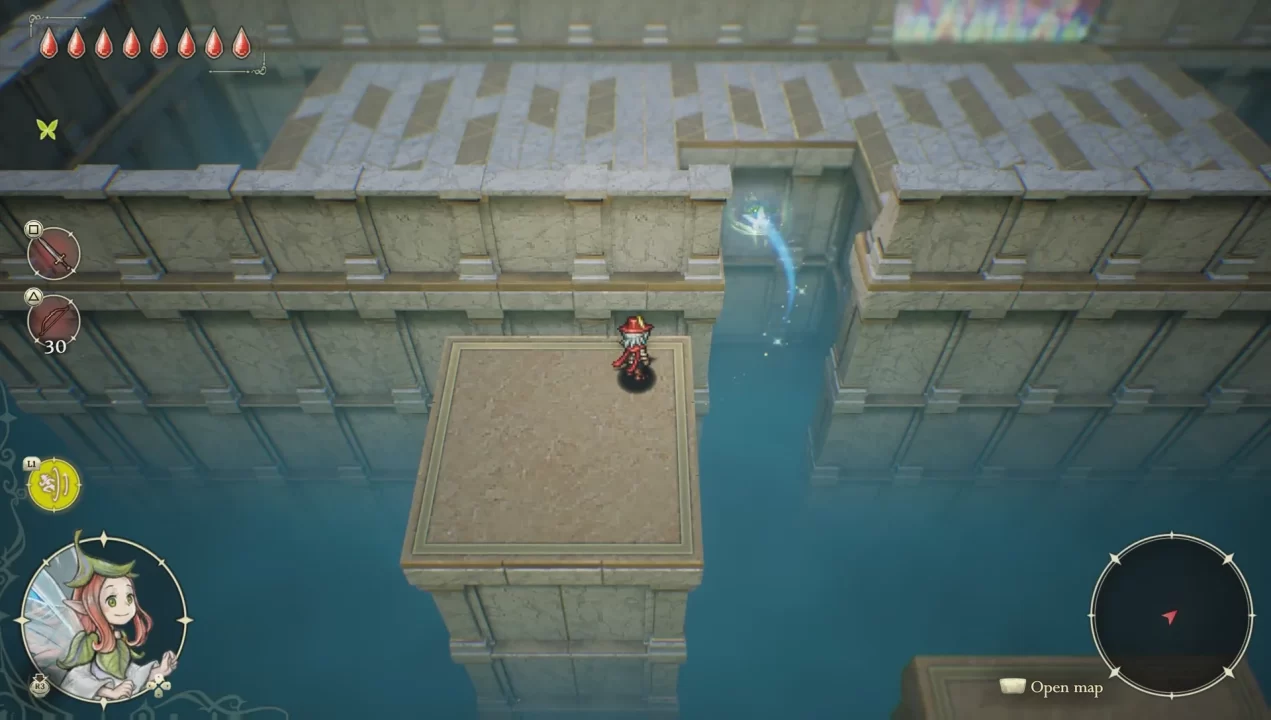
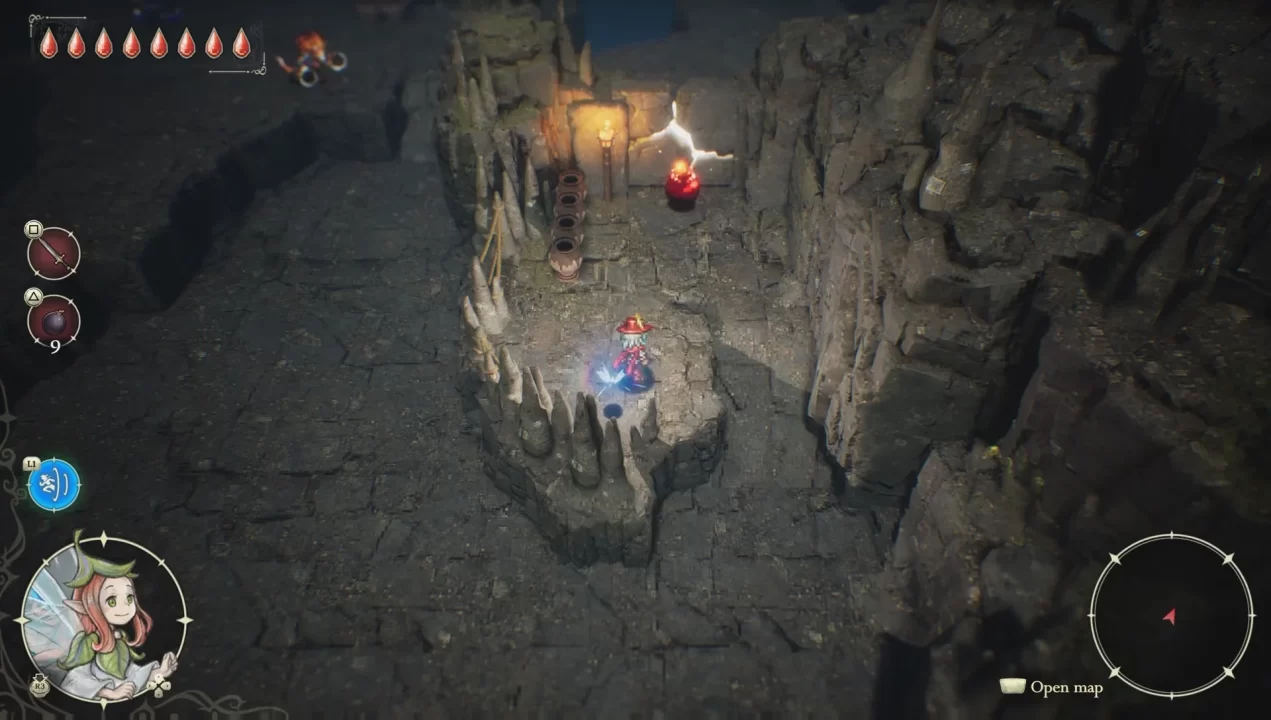
The visual fidelity offered by this engine—specifically the dynamic lighting and depth perception—fundamentally changes how players interact with the environment. In a traditional 2D sprite-based game, verticality can often feel "muddled." The Adventures of Elliot solves this by utilizing the 3D-space-within-a-2D-frame approach, allowing players to instantly distinguish between elevation levels. This is not just for show; it is a foundational pillar for navigation and environmental puzzle design, creating a sense of scale that previous sprite-based adventures simply could not achieve.
Chronology of Development: From Concept to Polished Demo
The road to The Adventures of Elliot has been characterized by a transparent development process and an active feedback loop between creators and the player base.
- Summer 2025: An initial demo was released on the Switch 2, offering players a glimpse into the game’s core mechanics. While the reception was largely positive, the developers identified several areas for refinement.
- Late 2025 – Early 2026: Team Asano and Claytechworks entered a period of intense iteration. They actively analyzed community feedback, specifically addressing concerns regarding character movement speed and combat fluidity.
- May 2026: A refined, near-final build of the game was made available to select press members, showcasing significant mechanical overhauls, including adjusted weapon weight, improved enemy AI, and expanded character mobility.
- June 18th, 2026: The official worldwide launch date across all major platforms: Switch 2, PlayStation 5, PC, and Xbox Series X|S.
The speed and responsiveness of the game have been drastically improved since the initial demo. By increasing Elliot’s base movement speed and tightening the input delay on weapon swaps, the developers have successfully pivoted the game from a "slower, methodical" experience to a fluid, reactive action title.
Gameplay Mechanics: More Than Just a Zelda Clone
While the surface-level comparisons to The Legend of Zelda are inevitable, The Adventures of Elliot quickly distinguishes itself through a robust, RPG-forward mechanical structure.
The Arsenal: Seven Ways to Fight
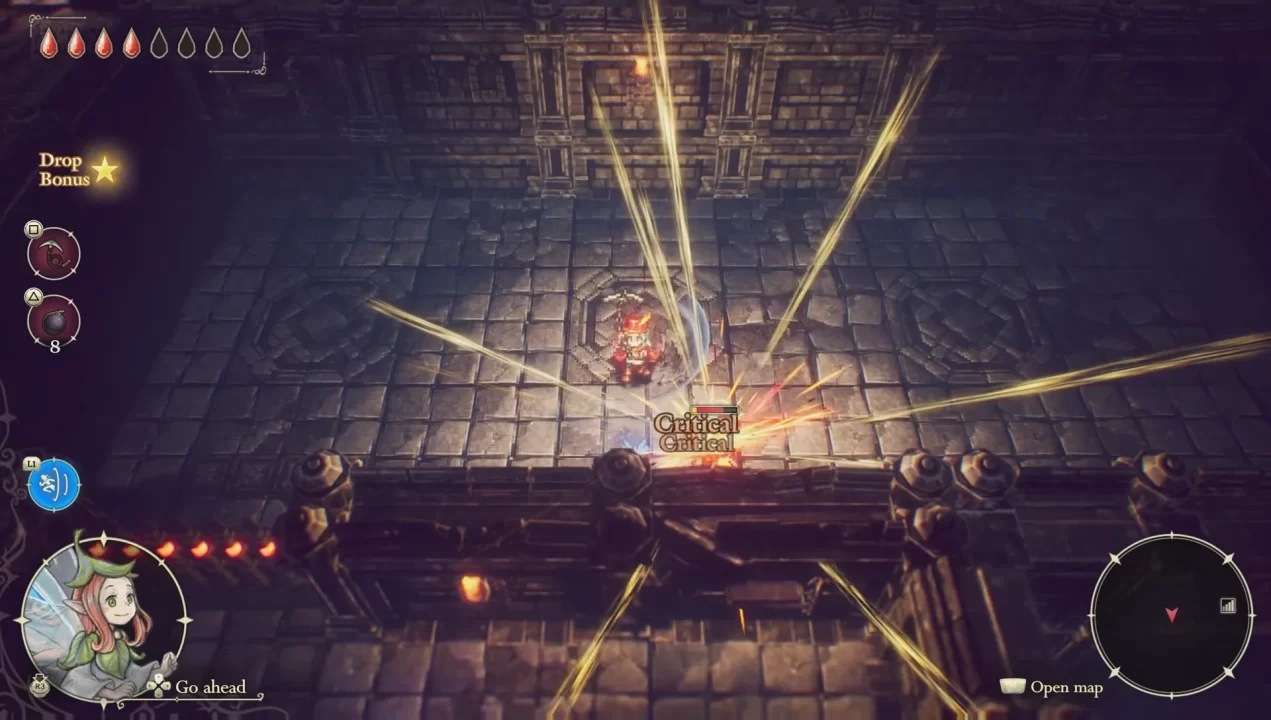
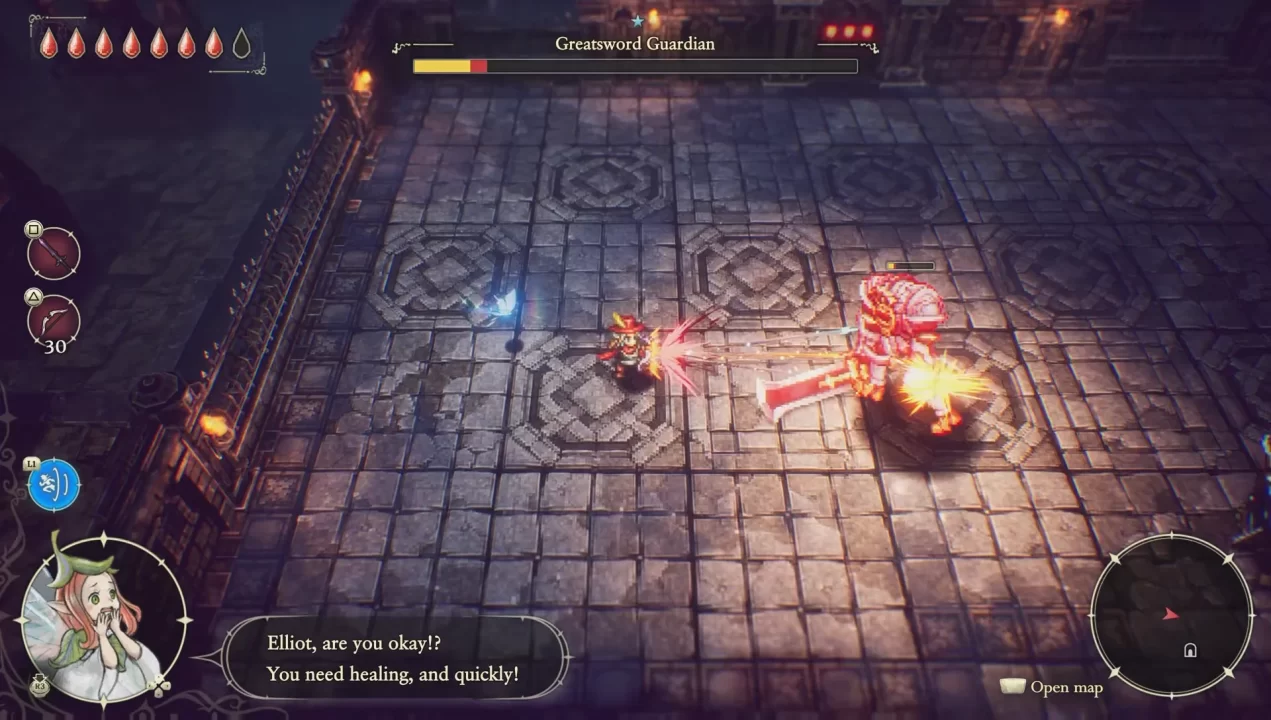
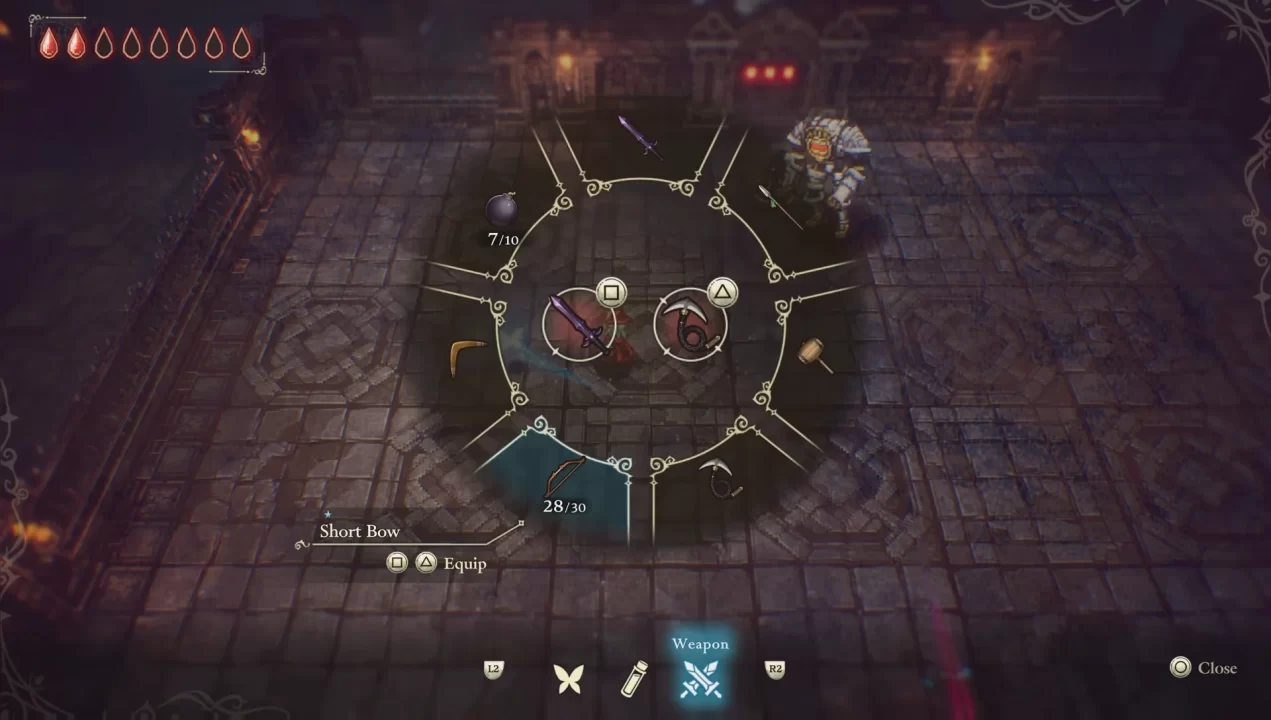
Combat is central to the experience. Rather than relying on a singular primary weapon, Elliot has access to seven distinct tools: a sword, boomerang, bombs, spear, hammer, bow, and a devastating chain scythe. The genius of this system lies in the flexibility of the radial menu, allowing players to map any two weapons to the Square and Triangle buttons.
Each weapon is not just a damage dealer; they function as puzzle-solving tools and tactical options. Furthermore, the combat borrows from the Secret of Mana school of design, where weapons can be charged to unleash tiered, powerful attacks. A dedicated block button—which requires active timing rather than passive mitigation—elevates the skill ceiling, making boss encounters feel like intense duels rather than button-mashing exercises.
Faie and the Companion System
Elliot is not alone in his quest. He is accompanied by Faie, a fairy companion controlled by the right analog stick. This mechanic opens up a variety of utility functions:
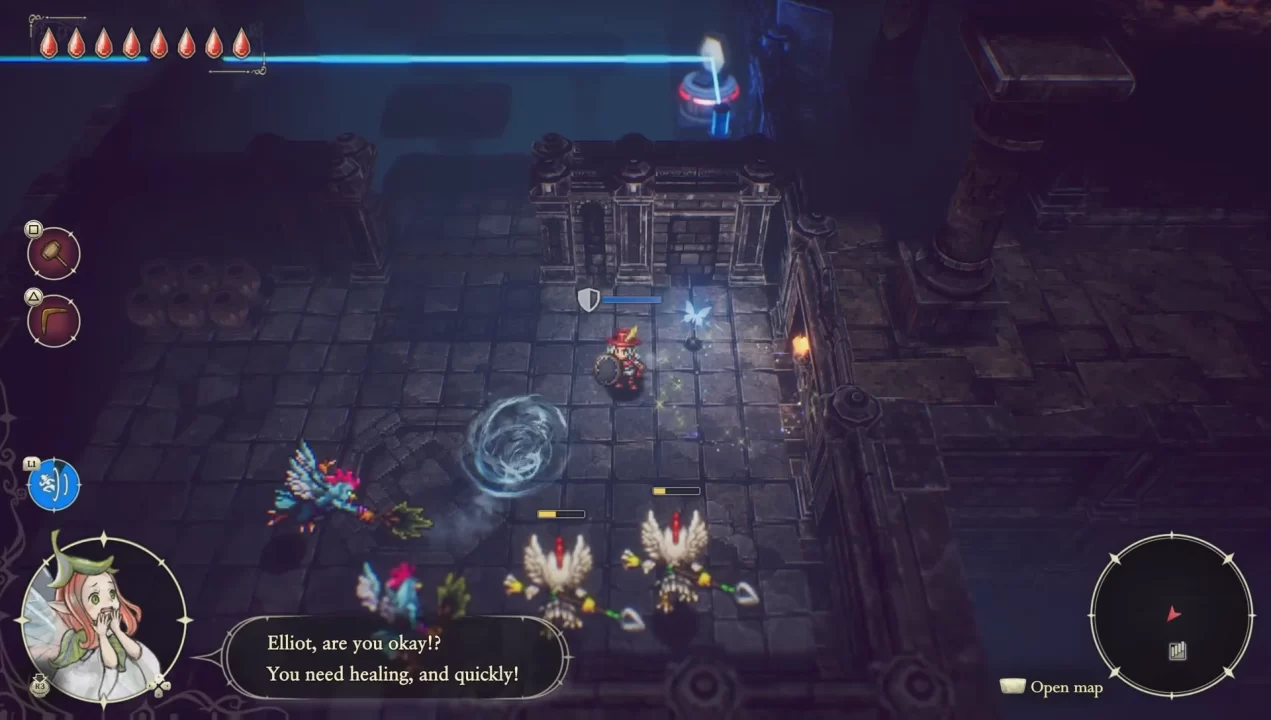
- Traversal: Faie allows Elliot to perform dashes and long-distance teleports, essential for navigating the complex geography of the overworld.
- Environmental Interaction: The "Fire Ability" is a highlight, allowing players to burn dense vegetation, melt ice barriers, or illuminate subterranean caverns.
- Cooperative Play: Perhaps the most intriguing feature is the inclusion of full two-player local co-op. A second player can take direct control of Faie, opening up unique speedrunning strategies and cooperative combat tactics that would be impossible in a single-player environment.
Customization and Character Progression
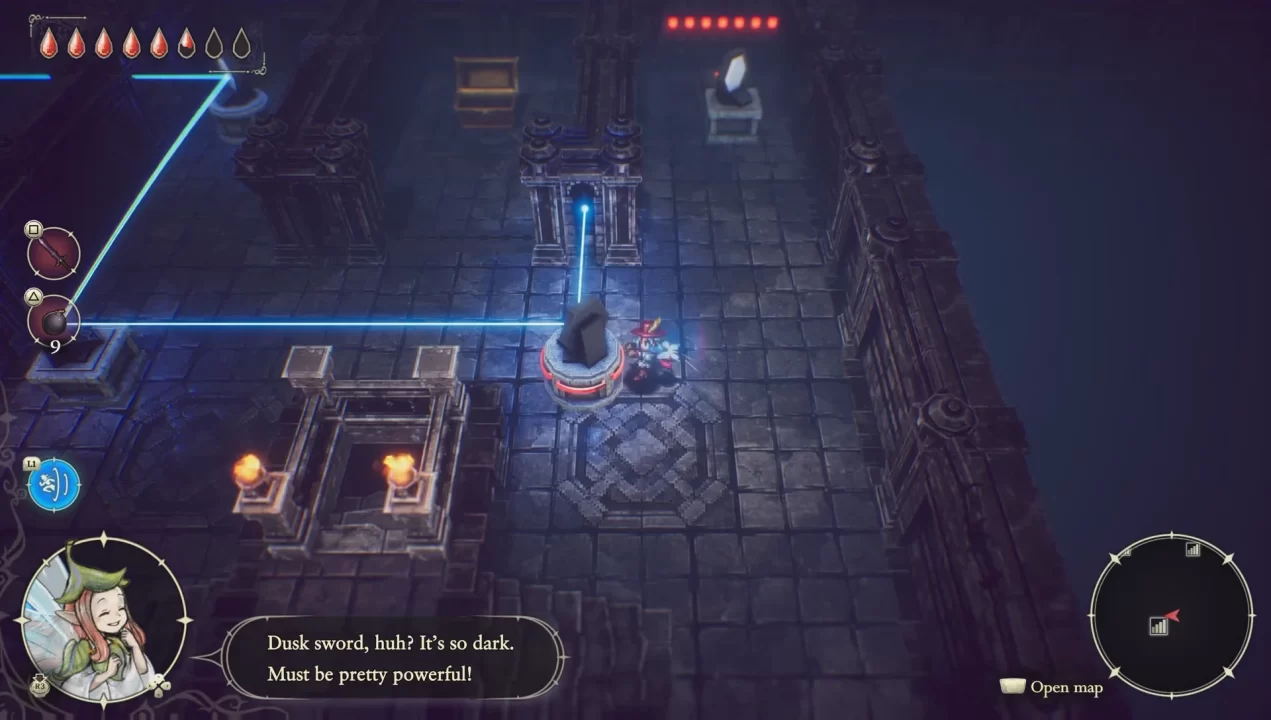
If Zelda is the foundation, the RPG elements are the house built upon it. The depth of character customization in The Adventures of Elliot is significant. The game features an equipment system that goes beyond simple stat boosts; items like the specialized cloak allow for movement mechanics, such as hovering, which fundamentally change how players traverse dungeons.
The "Magicite" system is perhaps the most defining feature for the game’s RPG identity. By socketing different types of magicite into weapons, players can fundamentally alter their behavior. One might equip a stone that increases the attack radius of the spear, while another might opt for a piece that significantly reduces the charge time of the bow. This allows for a "build-your-own-playstyle" approach that provides much greater agency than the static item progression found in traditional action-adventure titles.
Official Responses and Developer Insight
In recent discussions, producer Naofumi Matsushita emphasized the importance of balancing accessibility with depth. Addressing the concerns regarding the game’s map, Matsushita acknowledged that dropping players into the middle of a build can be disorienting. He expressed confidence that the natural progression of the full game will mitigate these navigation hurdles.
Regarding the difficulty settings, the development team has implemented a dynamic system. On "Very Hard," the game introduces a punishing economy for resurrection. As players progress further from a checkpoint, the cost to respawn rises, eventually becoming prohibitive. This design choice forces players to prioritize survival and mastery of mechanics over brute-force persistence.
Matsushita noted, "Our goal was never to recreate a classic; it was to use the language of the classics to tell a modern story with modern mechanics. We wanted to make something that respects the legacy of the 16-bit era while embracing the mechanical complexity that today’s RPG fans demand."
Implications for the Industry
The success of The Adventures of Elliot could signal a shift in how major publishers view their back-catalog and indie-style development. If this title proves that HD-2D is a viable format for high-speed action RPGs, we may see an influx of similar projects from studios that have previously been hesitant to move away from turn-based combat.
Furthermore, the game’s focus on deep customization and co-op play positions it as a bridge between the "retro-enthusiast" market and the "action-RPG" crowd. By successfully integrating these disparate elements, Team Asano and Claytechworks are not just releasing a game; they are setting a new standard for what a mid-budget "AAA-indie" hybrid can achieve.
Conclusion: A New Era of Action RPGs
The Adventures of Elliot: The Millennium Tales is shaping up to be a definitive experience for those who appreciate the aesthetic charm of the 90s but crave the mechanical depth of the 2020s. With its vibrant, depth-filled world, fluid combat, and ingenious companion system, it manages to pay homage to its influences while carving out a distinct identity.
As we approach the June 18th release date, the anticipation is palpable. Whether you are a fan of classic dungeon-delving or simply looking for the next great action RPG to sink your teeth into, The Adventures of Elliot promises a journey that is as deep as it is beautiful. For those looking for further insight into the creative process behind this title, our recent Q&A with producer Naofumi Matsushita provides an even deeper look at the challenges and triumphs encountered during the game’s development.


 Asro
Asro
 Muslim