Warning: This article contains significant spoilers for "House of the Dragon" Season 3, Episode 3, as well as plot developments from George R.R. Martin’s "Fire & Blood."
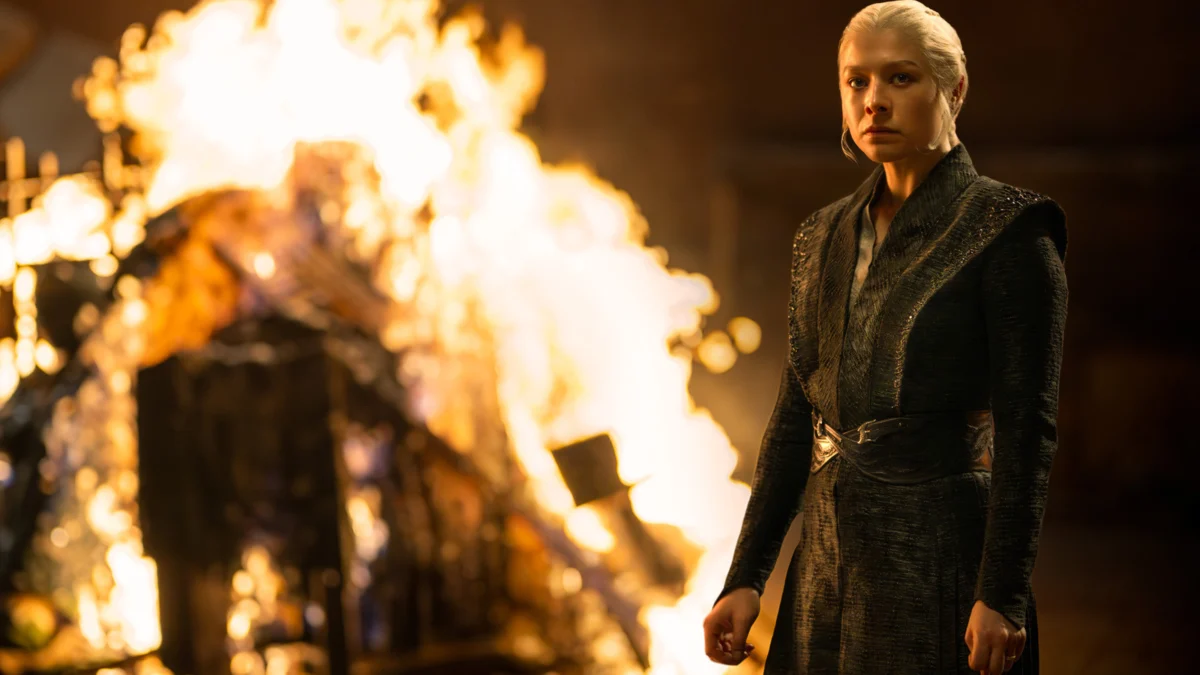
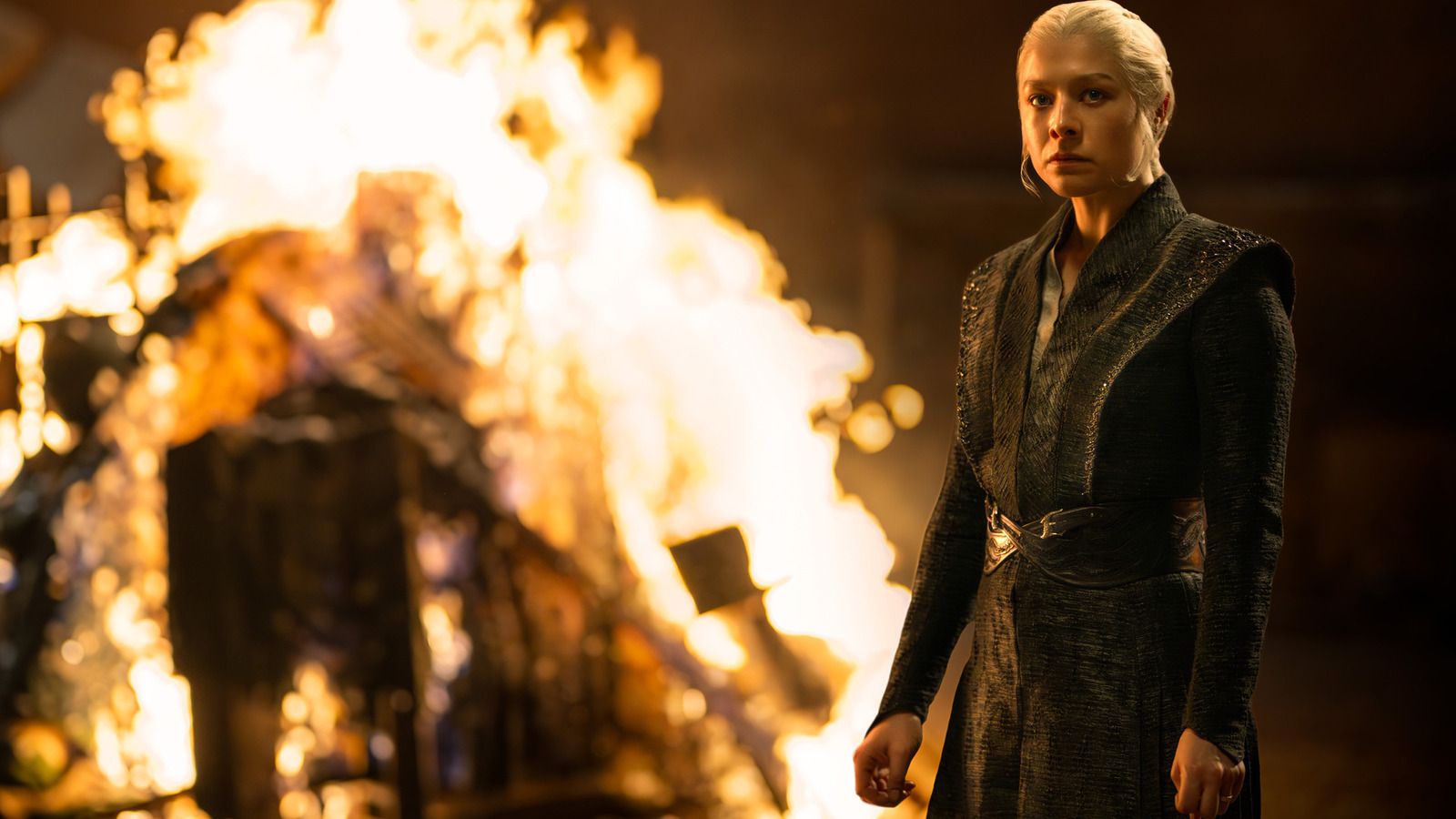
The iron throne has been reclaimed, but for Rhaenyra Targaryen, the real battle is only just beginning. As the third season of HBO’s House of the Dragon unfolds, the narrative has shifted from the tactical maneuvers of the Dance of the Dragons to the far more precarious challenge of governing a war-torn capital. While the death of Otto Hightower and the consolidation of King’s Landing under Team Black might seem like a decisive victory, the latest episode suggests that the greatest threat to Rhaenyra’s reign is not a rival claimant or a rival dragon, but the volatile, starving populace of King’s Landing itself.
Amidst the bureaucratic nightmares of famine, inflation, and civil unrest, a seemingly minor interaction in the third episode may have served as the catalyst for the show’s most devastating future arc. The appearance of the High Septon, once again portrayed by Simon Chandler, carries with it an ominous subtext that has book readers speculating: Are we witnessing the genesis of the "Shepherd," the most influential and destructive commoner in Targaryen history?
The Fragility of Power: The Current State of King’s Landing
To understand the weight of this potential development, one must first analyze the current geopolitical climate within the series. Rhaenyra Targaryen (Emma D’Arcy) has achieved what many thought impossible: the bloodless capture of the capital. However, history—and George R.R. Martin’s source material—reminds us that seizing a throne is a hollow victory if the people beneath it are destitute.
The city is currently a powder keg. Famine is rampant, the coffers are depleted, and the social contract between the Crown and the smallfolk has been shredded by years of war and mismanagement. When Rhaenyra meets with the High Septon, the tension is palpable. He is not merely a religious figurehead; he is the voice of the people and the arbiter of legitimacy. By refusing to recognize her rule with the same fervor he afforded Aegon II, he is signaling that the church—and by extension, the masses—remains a wildcard in the ongoing conflict.
A Chronology of Unrest: From Book to Screen
In Fire & Blood, the decline of Rhaenyra’s support in King’s Landing is a slow, agonizing descent. It begins with the heavy taxation and the strain of the blockade, but it is ultimately weaponized by a mysterious, scarred beggar known only as the Shepherd.
The Shepherd appears in the historical text as an enigma. He possesses no name, no noble lineage, and no formal army. Instead, he wields the most potent weapon in Westeros: religious fervor and populist rage. He preaches in the streets, railing against the "black magic" of the dragons and the perceived hubris of the Targaryen dynasty. As the war worsens and the city’s conditions deteriorate, the Shepherd transforms from a fringe lunatic into a messianic figure. He eventually leads a mob so large and so blinded by hatred that they successfully storm the Dragonpit, resulting in the slaughter of several of the most powerful creatures in existence.
The showrunners appear to be taking a calculated approach to this arc. By using the High Septon as a conduit for this anti-dragon sentiment, the series is grounding the Shepherd’s ideology within the existing power structure of the city. This is a departure from the books, where the Shepherd arrives as a vacuum-filling catalyst, but it is a necessary narrative evolution to maintain the show’s focus on established characters.
Supporting Data: Why the High Septon Matters
Why choose the High Septon to potentially embody the spirit of the Shepherd? In a visual medium, introducing an entirely new character as a world-altering revolutionary requires significant screen time that the show may not be able to afford. By layering this role onto the existing High Septon, the writers achieve several goals:
- Narrative Efficiency: Simon Chandler’s character is already established. The audience understands his position and his history.
- Institutional Legitimacy: A beggar preaching in the streets is a nuisance; a High Septon preaching from the steps of the Great Sept of Baelor is a revolution.
- Theological Conflict: The Targaryens have always walked a thin line between divinity and humanity. The High Septon’s disdain for "dragon-magic" provides a compelling ideological battleground that pits the ancient, mystical power of Valyria against the organized faith of the Seven.
The show is effectively setting up a "top-down" revolution. While the Shepherd in the book is a grassroots movement, the show is positioning the religious institution to act as the spark. If the High Septon continues to deny Rhaenyra, he isn’t just withholding a crown; he is legitimizing the anger of every starving person in King’s Landing.
Official Perspectives and Creative Direction
Showrunner Ryan Condal and the writing team have been vocal about the necessity of adapting Fire & Blood as a dramatic narrative rather than a historical text. In interviews, the team has emphasized that the transition from page to screen requires condensing timelines and merging archetypes to ensure that the emotional beats land with maximum impact.
The decision to lean into the religious tension in Season 3 suggests a move toward a more grounded, political thriller style. The creators are clearly interested in the "politics of the belly"—the idea that no matter how much dragonfire a queen possesses, she cannot rule if the markets are empty and the priests are hostile. This thematic choice elevates the conflict from simple dynastic succession to a broader critique of power and the fickle nature of public support.
Implications: The Looming Storm
If the series is indeed setting up the High Septon—or an associate of his—to become the Shepherd, the implications for the remainder of the season are dire.
The End of Dragon Supremacy
The most critical implication is the shift in the balance of power. If the smallfolk can be galvanized to kill dragons, the tactical advantage Team Black holds currently evaporates. The dragons, which have been the ultimate trump card in the series, become liabilities. They require feeding, they are destructive, and they are now the primary targets of a city that fears them.
The Erosion of Rhaenyra’s Moral Authority
Rhaenyra’s claim is based on the idea that she is the rightful heir, but the Shepherd’s rhetoric targets the very nature of her bloodline. By framing the Targaryens as "unnatural" or "corrupt," the resistance is not just fighting a war of succession; they are fighting a war of identity. Rhaenyra’s struggle to maintain her composure in the face of such propaganda will likely be the defining arc of her character in the coming episodes.
The Vulnerability of King’s Landing
The city itself is becoming a character. With the High Septon whispering in the ears of the desperate, the city is no longer a base of operations for Rhaenyra; it is a trap. The tension between the occupiers and the occupied is reaching a breaking point, and the historical inevitability of the dragon-slaying riot looms over every scene set in the capital.
Conclusion: A Masterful Setup
Whether or not the High Septon will eventually don the rags of the Shepherd and lead the mob remains to be seen. However, the breadcrumbs laid out in the third episode are impossible to ignore. House of the Dragon has always excelled at highlighting the disconnect between the high-born players of the game and the low-born pawns who suffer the consequences. By centering the religious and social unrest of the capital, the series is moving toward one of the most iconic and tragic events in the entire Targaryen chronicle.
As we look toward the remainder of Season 3, the question is no longer just who will sit on the Iron Throne, but how much of the city—and the dragons themselves—will be left by the time the dust settles. If the showrunners continue to thread this needle, they will provide a masterful adaptation of one of George R.R. Martin’s most haunting plotlines, proving once again that the most dangerous fire in Westeros is not the kind breathed by dragons, but the kind ignited by the desperation of the people.