The boundaries between reality and nightmare are set to blur once again with the announcement of Where Dolls Hang, an upcoming survival horror title from Steelkrill Studio. Inspired by the real-world horrors of Mexico’s Isla de las Muñecas (Island of the Dolls), the game promises a tense, methodical investigation experience that places players in the shoes of a detective searching for the missing in a landscape choked by decrepit, hanging effigies.
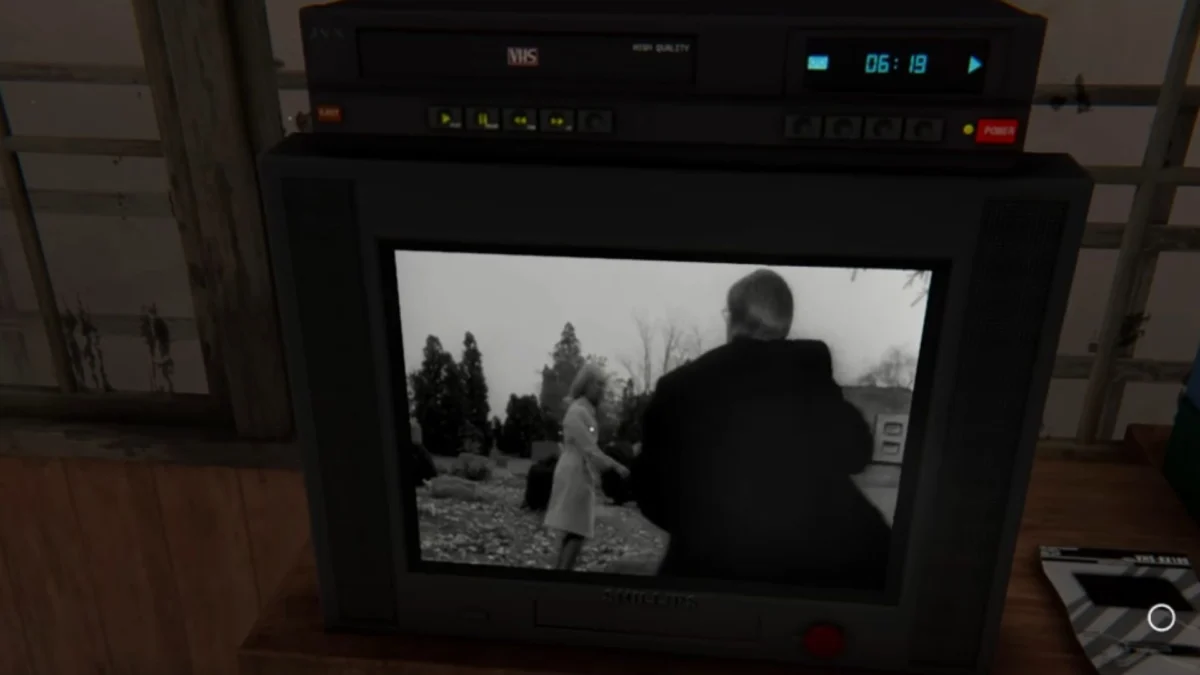
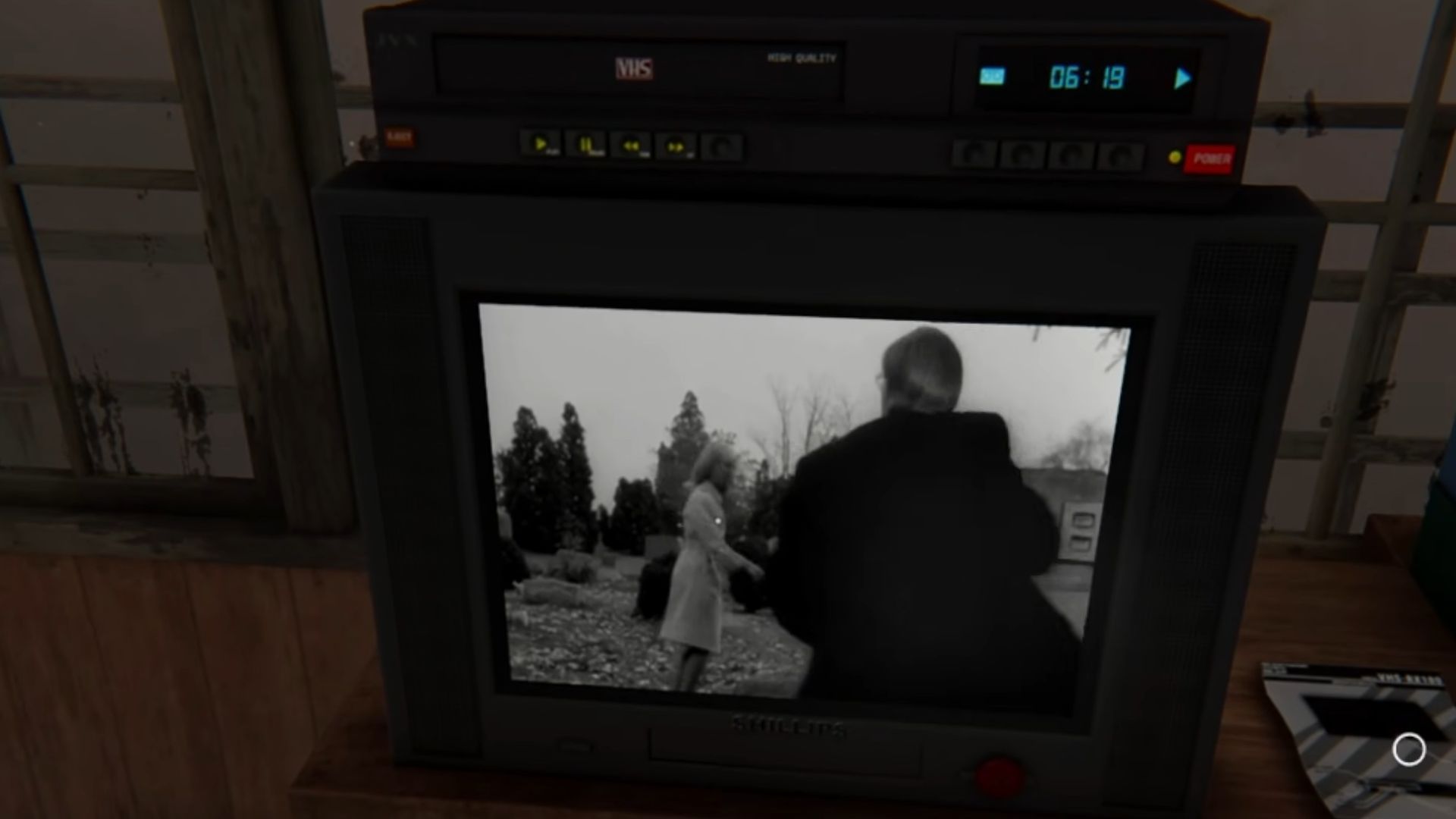
Beyond its atmospheric setting, the game is garnering attention for a unique meta-narrative feature: the inclusion of playable, public-domain classic horror films within the game’s internal VHS ecosystem. As the industry looks toward a 2024 release window, Where Dolls Hang is positioning itself as a standout title for those who crave psychological depth alongside high-stakes survival mechanics.
Main Facts: A Detective’s Descent into Madness
At its core, Where Dolls Hang is a procedural investigative horror game. Unlike many modern horror titles that rely on scripted jump scares, Steelkrill Studio is focusing on the tension inherent in forensic work. Players are tasked with exploring a cursed, overgrown forest region, presumably modeled after the infamous canals of Xochimilco.
The gameplay loop revolves around meticulous documentation. Players must:
- Examine Remains: Interact with bodies and environmental hazards to piece together the fate of the victims.
- Forensic Documentation: Utilize an in-game camera to photograph evidence, creating a digital record of the horrors discovered.
- Evidence Management: Strategically place markers to navigate the treacherous terrain and return to key sites.
The overarching goal is to locate missing persons, but the developer has made it clear that the forest is not a passive environment. The "dangers lurking within the woods" suggest an active antagonist or supernatural force that tracks the player’s progress, forcing them to balance the need for thorough investigation with the primal instinct to survive.
The Chronology of Development and Inspiration
The inspiration for the project, Isla de las Muñecas, provides a haunting foundation for the game’s narrative. The real-life island, located south of Mexico City, is adorned with thousands of dolls hung by a former caretaker, Julian Santana Barrera, who believed they were necessary to appease the spirit of a young girl who drowned nearby. This macabre history provides a perfect backdrop for a psychological horror game.
- Pre-Production: Steelkrill Studio began prototyping the "investigative" mechanics early in the development cycle, moving away from the "run-and-hide" tropes that have dominated indie horror for the last decade.
- The VHS Hook: The integration of real-world public domain media was a design choice intended to ground the game in a tactile, analog past. By allowing players to find and watch classic films, the developers are creating a "safehouse" environment that feels lived-in and historically anchored.
- The Reveal: The official announcement trailer, released recently, confirmed the game’s aesthetic direction—a gritty, low-light environment where the dolls are not merely decorations, but active participants in the player’s psychological unraveling.
Supporting Data: The Power of Public Domain
A fascinating technical and creative detail regarding Where Dolls Hang is the inclusion of George A. Romero’s 1968 classic, Night of the Living Dead. The film’s presence in the game is not merely a stylistic homage; it is a clever use of legal technicalities.
The Legal Curiosity of Night of the Living Dead
As many cinephiles know, the 1968 masterpiece entered the public domain almost immediately upon release due to a procedural error. The film’s original title, Night of the Flesh Eaters, carried a copyright notice, but when the title was changed to Night of the Living Dead for distribution, the notice was inadvertently omitted. Under the US Copyright Act of 1909, this omission rendered the film unprotected.
By integrating this film into the game’s VHS system, Steelkrill Studio offers players a moment of respite—a "busman’s holiday"—where they can watch a classic horror movie while trapped in a digital nightmare. This opens the door for a vast library of public domain horror that could potentially be included in the final build, such as:
- Manos: The Hand of Fate (1966)
- Plan 9 From Outer Space (1959)
- The Brain That Wouldn’t Die (1962)
- White Zombie (1932)
This integration acts as a "sanity mechanic" of sorts, providing players with a sense of temporal stability in a world where time and reality feel fractured.
Official Responses and Developer Vision
Steelkrill Studio has emphasized that Where Dolls Hang is intended to feel like a high-stakes police procedural that slowly devolves into an occult nightmare. In the official press materials, the development team noted:
"We wanted to move beyond the simple ‘monster chasing you’ mechanic. We want the player to feel the weight of their duty. When you are standing in a forest, in the dark, with nothing but a flashlight and a camera, your focus should be on the evidence. The fear comes from knowing that the more evidence you gather, the deeper you are being pulled into something you cannot possibly solve."
The studio has also addressed the technical side of the game’s performance, ensuring that the integration of film files within the game engine does not compromise the frame rate or the visual fidelity of the forest environment. The use of the "safehouse" as a central hub is a deliberate choice to allow players to pace themselves, preventing the "horror fatigue" that often occurs in longer survival titles.
Implications: The Future of Investigative Horror
The success of Where Dolls Hang could signal a shift in how indie developers approach environmental storytelling. By focusing on the process of investigation—placing markers, documenting scenes, and managing resources—Steelkrill is elevating the genre from a thrill-ride to a simulation of fear.
1. The "Detective" Sub-Genre
We are seeing a trend toward investigative horror (seen in games like Phasmophobia or Condemned: Criminal Origins), but Where Dolls Hang pushes this further by demanding a more academic approach to the horror. If the game succeeds in making the gathering of evidence feel as terrifying as the pursuit by an enemy, it will set a new bar for the genre.
2. The Preservation of Media
The choice to include public domain films is also a quiet, profound act of media preservation. In an era where digital storefronts often delist games and movies due to licensing disputes, the usage of works like Night of the Living Dead ensures that these films will remain accessible to a new generation of players. It creates a bridge between the history of horror cinema and the future of interactive entertainment.
3. Psychological Impact
By anchoring the player in a realistic setting—the detective, the camera, the evidence—the game makes the eventual transition into the supernatural more jarring. It is a classic narrative technique: establish a rational world, then slowly dismantle it. If the developers can maintain this balance, Where Dolls Hang will likely be remembered as a masterclass in pacing.
Conclusion: A Date with Destiny
As the release date approaches, anticipation continues to mount. The combination of a terrifying real-world location as inspiration, the methodical gameplay loop, and the inclusion of historic cinema makes Where Dolls Hang one of the most intriguing projects currently in development.
Whether you are an aficionado of the macabre, a fan of detective procedurals, or a cinephile looking to see how classic horror is being recontextualized for the modern age, this is a title that demands attention. As Steelkrill Studio puts the final touches on their project, players are advised to keep their flashlights charged and their cameras ready—the dolls are watching, and they have been waiting a long time for someone to come and document their stories.
Where Dolls Hang is currently scheduled for release later this year. Players can add the game to their wishlist via the official Steam page.