

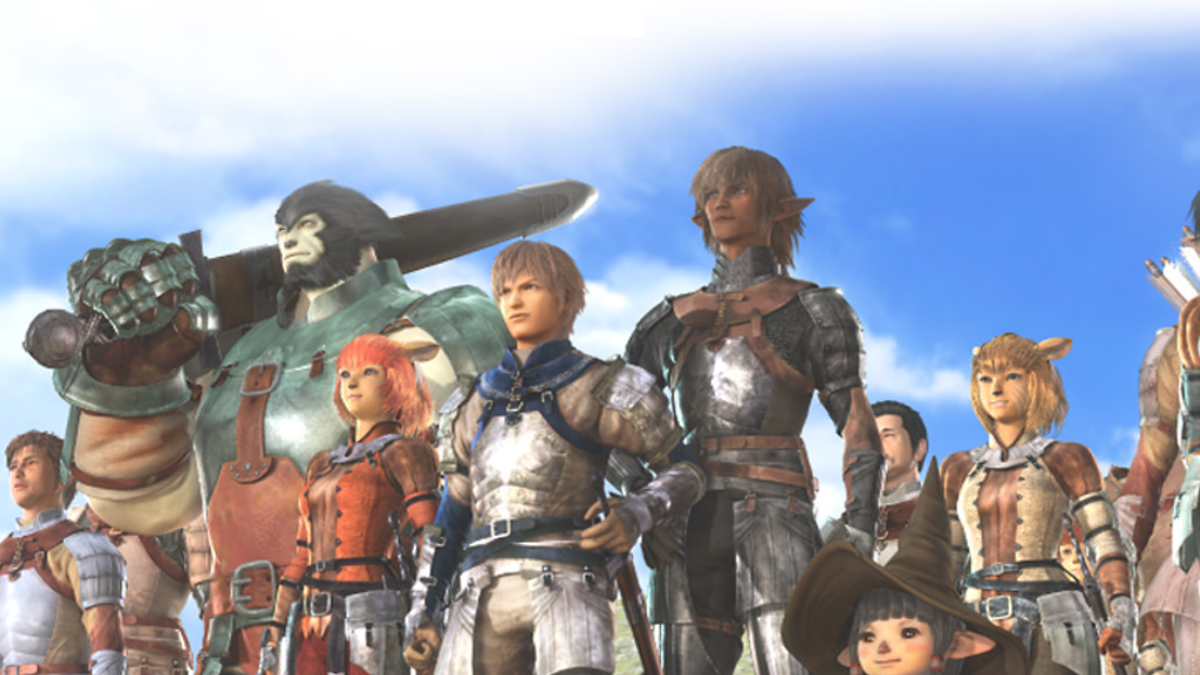
As Final Fantasy XI (FFXI) marks its 24th anniversary, the legendary MMORPG continues to defy the typical lifecycle of online gaming. Despite launching in an era dominated by bulky desktop towers and dial-up connections, the title remains a pillar of Square Enix’s catalog. In a recent, candid interview with Famitsu, Director and Producer Yoji Fujito shed light on the arduous process of keeping the world of Vana’diel alive, detailing the monumental task of hardware modernization and offering a glimmer of hope for future narrative expansions.
The Technical Backbone: Replacing the Foundation
For years, the player base of Final Fantasy XI has wondered how a game designed in the early 2000s remains functional on modern Windows operating systems. The secret, as revealed by Fujito, lies in an ongoing, multi-year infrastructure overhaul. Square Enix has been systematically decommissioning the game’s aging, original server hardware, replacing it with modern, robust systems.
The Shift to Virtualization
The core of this transition is the move toward virtualization. Historically, maintaining a massive online world required physical interventions—manual reboots and hardware-level troubleshooting that posed significant risks to the game’s stability. By migrating to a virtualized environment, the development team has streamlined their maintenance pipeline.
“The newer servers allow for virtualization, which makes them easier to maintain,” Fujito explained. “Instead of physically restarting the server, we can now run a process to achieve the same result.” This shift is not merely a quality-of-life improvement for the engineers; it is an existential necessity. By abstracting the game’s code from the physical hardware, Square Enix ensures that Final Fantasy XI can survive hardware obsolescence, effectively future-proofing the game against the decay of legacy components.
Clarifying the Scope of Infrastructure
It is important to manage expectations regarding these upgrades. Fujito was careful to clarify that these server replacements are primarily for the preservation of current services rather than an immediate catalyst for expansion.
While players might hope that new hardware equates to increased capacity or graphical overhauls, the current reality is more grounded. The virtualized servers are currently configured to mimic the behavior of their predecessors. The goal is to maintain the existing ecosystem with higher efficiency and lower risk. Without further resource allocation, the servers currently serve as a stable foundation for the status quo, not an engine for immediate feature bloat.
Chronology of a Legacy: From Launch to Longevity
To understand the significance of these developments, one must look at the timeline of Final Fantasy XI.
- 2002: Final Fantasy XI launches in Japan on the PlayStation 2, marking the first cross-platform MMORPG between consoles and PC.
- 2003–2004: The game expands globally, hitting North American and European markets, sparking a massive, dedicated community.
- 2004–2015: The "Golden Age" of FFXI saw the release of five major expansions (Rise of the Zilart, Chains of Promathia, Treasures of Aht Urhgan, Wings of the Goddess, Seekers of Adoulin), solidifying its place in gaming history.
- 2015: The "Rhapsodies of Vana’diel" scenario concludes the main story arc, shifting the game into a "maintenance" phase.
- 2020–2026: The modern era, defined by the "Voracious Resurgence" storyline and the quiet, behind-the-scenes effort to replace the game’s physical server infrastructure.
This history underscores why the recent announcement of potential "new developments" is so momentous. For over a decade, the community has operated under the assumption that the game was in its sunset years. Fujito’s willingness to discuss a path forward suggests that the sunset is being pushed back indefinitely.
The Human Element: The Bottleneck of Creativity
The primary obstacle to new content in Final Fantasy XI is not technical, but organizational. Fujito acknowledged that while the technical infrastructure is being prepared for expansion, the human capital is currently deployed elsewhere.
The Resource Crunch
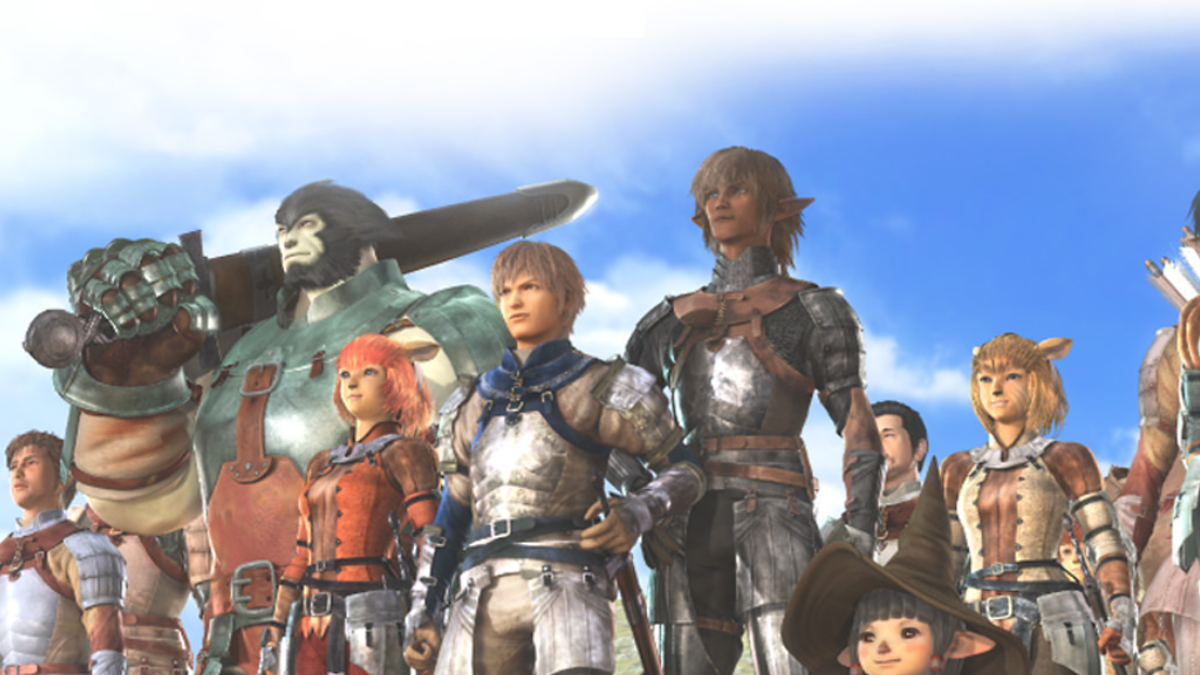
Square Enix, like many major publishers, balances dozens of active projects simultaneously. The creative leads, designers, and writers who possess the institutional knowledge required to craft authentic FFXI content are currently occupied with other high-priority titles within the company.
"The people necessary for it are currently busy with other projects," Fujito noted. This is the reality of the modern gaming industry: the labor pool is finite. However, this is not a permanent "no." It is a logistical pause. By preparing the middleware and optimizing resource management, Fujito is effectively "clearing the runway" so that when the team’s bandwidth opens, they can pivot back to Final Fantasy XI without being bogged down by technical debt.
Middleware and the Future of Cutscenes
One of the more intriguing reveals in the interview was the mention of "middleware for resource management." This implies that the team is upgrading the tools used to trigger and render in-game cutscenes. The existing architecture is, by modern standards, ancient. If the team succeeds in updating this pipeline, the barrier to creating new cinematic narrative content—the hallmark of any Final Fantasy experience—will be significantly lowered.
Implications for the Future of MMORPGs
The approach taken by the Final Fantasy XI team offers a blueprint for how legacy titles can persist in an era of "live service" obsession.
Preservation vs. Iteration
Most modern games are built to be replaced by their sequels. Final Fantasy XI represents a different philosophy: long-term institutional stewardship. By choosing to virtualize the server environment, Square Enix is treating FFXI as a digital monument. This has profound implications for the preservation of gaming history. If the game remains playable, it continues to provide value to the company and the player base, regardless of its age.
The Potential for "Voracious Resurgence" Successors
The "Voracious Resurgence" story arc proved that there is still a massive appetite for new content in Vana’diel. If the team can successfully secure the necessary personnel, the next phase of Final Fantasy XI will likely focus on smaller, high-impact narrative additions. Players should not expect a graphical overhaul or a complete engine rewrite, but they can reasonably expect that the story of Vana’diel is not yet finished.
Final Thoughts: A Commitment to the Adventurer
The sentiment expressed by Yoji Fujito is one of deep respect for the community. In an industry that often discards older titles to focus on the "next big thing," the effort to keep Final Fantasy XI alive is a testament to the bond between the developers and the players.
As the team lays the groundwork—replacing servers, updating middleware, and managing resources—they are doing so with a clear objective: ensuring that when the time comes to tell another story in the world of Vana’diel, the systems are ready to support it. For the players who have spent over two decades roaming the plains of Ronfaure or the dunes of Valkurm, this promise of future development is more than just a news update; it is an invitation to continue their journey.
While the "when" remains uncertain, the "if" has been answered with a cautious, yet firm, affirmative. The servers may be new, the technology may be virtualized, but the heart of Final Fantasy XI remains as it has always been: a world of endless adventure, waiting for the right moment to expand once more.












No comments yet. Be the first to join the conversation!