By Editorial Staff
July 5, 2026
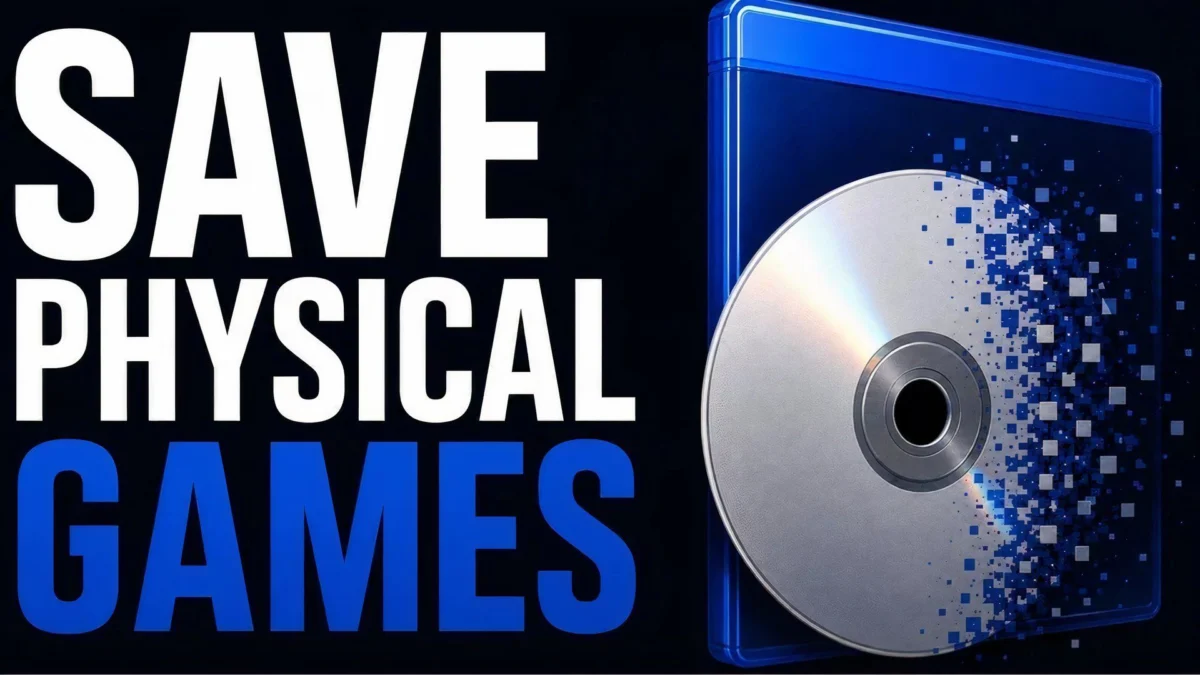
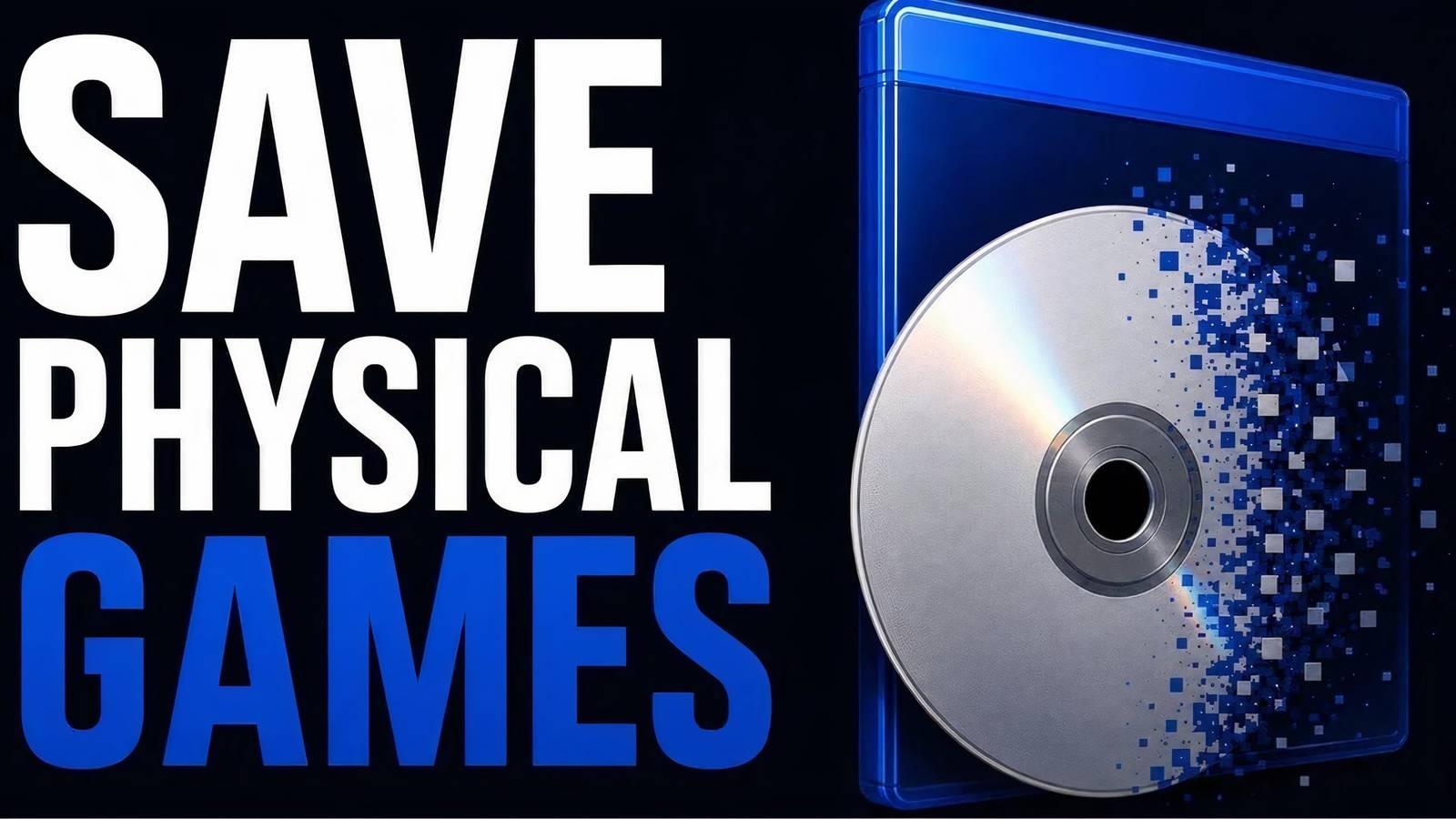
The gaming industry is currently navigating its most significant paradigm shift since the transition from cartridges to optical discs. On July 1, 2026, Sony Interactive Entertainment released a concise, devastating press release that sent shockwaves through the global gaming community: beginning in January 2028, the company will officially cease the production of physical game discs for all PlayStation consoles.
While rumors of an "all-digital future" have circulated for years, the finality of this announcement has left players, retailers, and even high-profile industry veterans reeling. As Sony pivots to what it describes as an attempt to "adapt to evolving consumer trends," the move has ignited a fierce, worldwide debate regarding media preservation, digital ownership, and the potential erosion of the gaming ecosystem as we know it.
The Chronology of a Controversy
The timeline of this transition is rapid. Sony’s announcement came on the heels of increasing speculation regarding the hardware specifications of the next generation of consoles.
- July 1, 2026: Sony publishes its official statement confirming the cessation of physical disc production for all new titles effective January 2028.
- July 2, 2026: Within 24 hours of the announcement, a Change.org petition titled "Don’t Kill the Disc: Tell Sony to Keep Physical PlayStation Games" is launched by Jade Pearce, CEO of the Canadian-based retailer PNP Games Inc.
- July 3, 2026: The petition surpasses 40,000 signatures, reflecting a massive groundswell of grassroots opposition.
- July 5, 2026: As of this writing, the petition has crossed the 100,000-signature threshold, with the count climbing by the minute. Simultaneously, reports indicate that a primary Sony disc manufacturing plant in Thagau, Austria, has already begun retooling its facilities to produce optical microlenses, signaling that the company’s internal transition is already well underway.
The Economic and Practical Implications
At the heart of the backlash is the issue of ownership. When a consumer purchases a physical disc, they possess a tangible asset—one that can be traded, sold, gifted, or played offline. When that option is removed, consumers are relegated to purchasing digital licenses. These licenses are governed by End User License Agreements (EULAs) that allow companies like Sony to revoke access to software at any time, whether due to server shutdowns, licensing disputes, or account-wide bans.
The Retail Ripple Effect
The impact on the global economy cannot be overstated. Physical game production is a massive multi-billion-dollar infrastructure. It encompasses a vast network of manufacturers, packaging designers, global logistics and shipping companies, warehouses, and thousands of independent and chain retailers.
By shifting to an exclusively digital model, Sony effectively removes the "middleman." While this is undoubtedly a cost-saving measure for the corporation—allowing them to retain a larger percentage of revenue per sale by bypassing retail distribution—it threatens the livelihoods of thousands of workers. PNP Games Inc.’s petition explicitly highlights that this decision does not just harm the consumer; it threatens the closure of independent businesses that rely on the secondary market of used games to remain profitable.
The Investor Perspective
Interestingly, the market response to the news stands in stark contrast to the sentiment of the player base. On the day of the announcement, Sony’s stock value saw a 3.2% increase on the Tokyo Exchange and a 2.9% rise in US shares. To shareholders, the transition to an all-digital model represents higher profit margins and reduced overhead, validating the company’s strategy from a purely fiscal standpoint.

Industry Giants Weigh In: The Hideo Kojima Critique
It is not just the average consumer expressing concern; prominent figures within the creative side of the industry are raising alarms. During a recent appearance at the Il Cinema in Piazza film festival, legendary developer Hideo Kojima provided a scathing assessment of the trend toward total digital reliance.
"The fact that the initial data is not in my possession but is somewhere held by a private company means that I will always have that risk," Kojima noted. "For any reason, whether commercial or political, the company could prevent access to that data, and therefore I will no longer be able to see that film, I will no longer be able to play that game."
Kojima’s comments highlight a philosophical shift in how we perceive art. If games are treated as "services" rather than "products," the history of the medium becomes volatile. Without a physical, offline backup, the preservation of gaming history depends entirely on the goodwill and longevity of the corporations that own the servers.
The Illusion of the "Physical" Disc
One of the most complex aspects of this debate is the current state of physical media. Many modern PlayStation 5 titles are, for all intents and purposes, digital products sold in plastic cases. Games like Suicide Squad: Kill the Justice League have been criticized for containing little to no data on the disc, functioning merely as an authentication key that requires the user to download the entire game from a server.

This "digital-in-a-box" model has already weakened the argument for physical media. However, critics argue that even these incomplete discs offer a baseline of ownership that a purely digital download does not.
In contrast, other industry players are taking a different path. Nintendo continues to utilize high-capacity game cards for the Switch 2, with many titles, such as The Elder Scrolls IV: Oblivion Remastered and Indiana Jones and the Great Circle, including the full game data on the physical medium. This creates a functional standard for preservation that many believe Sony is now abandoning in favor of complete platform control.
The Road Ahead: Can Sony Be Swayed?
The 100,000-signature petition is a powerful signal, but whether it can force a corporate pivot remains to be seen. Historically, large-scale consumer protests have had mixed results in the tech sector. However, the intensity of the reaction suggests that Sony is facing a significant PR crisis.
The technical infrastructure for the next generation, including the rumored "PlayStation 6" and the competition’s "Project Helix," appears to be designed with a digital-first architecture. This suggests that the transition is not a whim, but a long-term strategic pillar. Even if Sony were to offer some concessions, the industry appears to be moving toward a future where "owning" a game is a relic of the past.

The Preservation Crisis
The most dire implication of this move is the potential for a "digital dark age" in gaming. If digital storefronts close or accounts are compromised, thousands of titles could effectively vanish. While there are initiatives to archive software, they often exist in legal grey areas. Without a physical component to keep games accessible, the burden of preservation falls entirely on the community, often forcing them to rely on emulation or pirated copies to ensure that the medium’s history survives.
Conclusion: A Turning Point for Gaming
As we look toward 2028, the gaming landscape is poised for a permanent transformation. The conflict between the convenience of digital distribution and the security of physical ownership has reached a breaking point.
Sony’s decision to move away from physical media is a calculated bet on the future—a future where the consumer is a subscriber, not an owner. Whether this move leads to greater innovation or the systematic degradation of the player’s rights is a question that will be answered in the years to come. For now, the global outcry serves as a reminder that for millions of players, games are more than just software—they are cultural artifacts that deserve a permanent, tangible place in our homes.
As the industry watches to see if Sony responds to the "Don’t Kill the Disc" campaign, one thing is clear: the relationship between the gaming giants and their audience has been fundamentally altered. The battle for the future of physical media is not just about a piece of plastic; it is about the right to own, play, and preserve the games we love.