Sagoh
Sagoh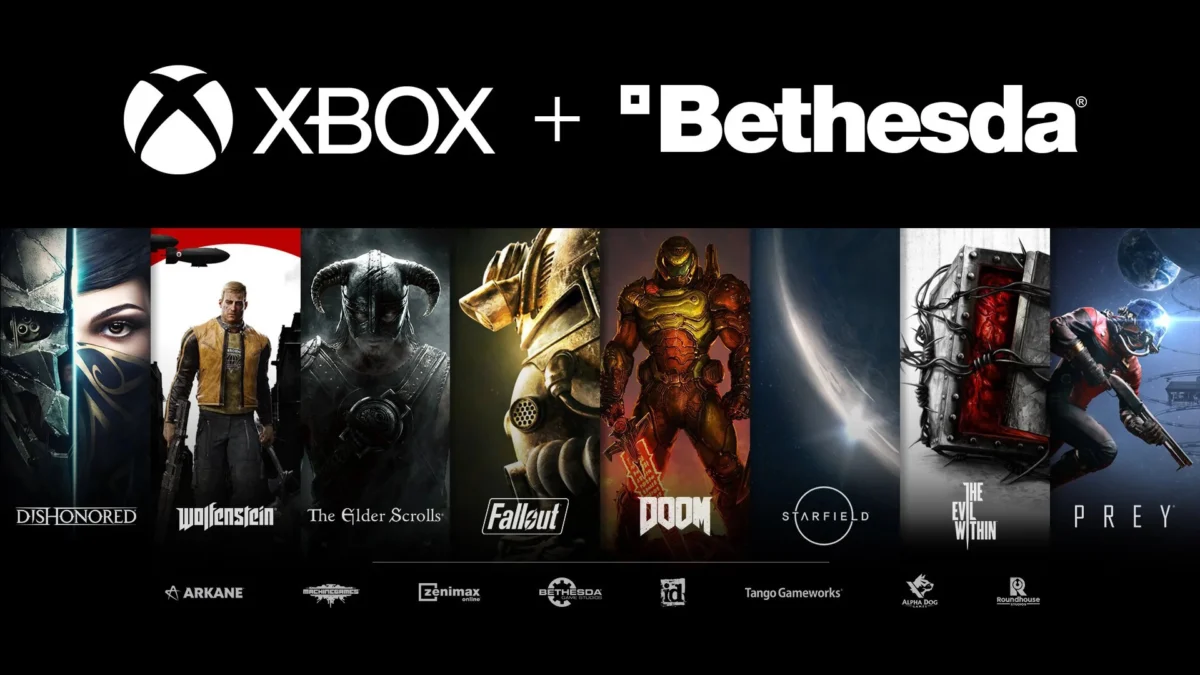
In the wake of sweeping structural changes within Microsoft’s gaming division, the industry has been gripped by uncertainty regarding the future of ZeniMax Media. Following a series of leaked reports and intense speculation that suggested Microsoft intended to pivot the publishing giant into a specialized “Fallout and Elder Scrolls factory,” industry insiders have stepped forward to clarify the roadmap ahead. Contrary to rumors of a narrow consolidation, ZeniMax Media will retain a diverse portfolio, ensuring that legendary franchises such as DOOM, Wolfenstein, and Quake remain vital components of the company’s future strategy.
The Context: A Period of Unprecedented Reorganization
The gaming landscape was rocked recently when Microsoft announced a massive internal restructuring. The memo, which detailed the layoff of over 3,000 employees across its gaming sectors, confirmed that the company is parting ways with as many as five internal studios. Among the most notable shifts are the transitions of Compulsion Games and Double Fine to independent status.
This aggressive downsizing—part of a broader effort to streamline costs and refocus on core operational efficiencies—inevitably cast a shadow over ZeniMax Media, the parent company of Bethesda Game Studios, id Software, Arkane, MachineGames, and ZeniMax Online Studios. For weeks, the industry chatter suggested that Microsoft, desperate for the commercial dominance of their two biggest RPG pillars, would effectively "gut" the other studios to ensure all resources were funneled into The Elder Scrolls and Fallout projects.
Industry Insiders Provide Clarity
As the rumors reached a fever pitch, renowned industry journalist Jason Schreier took to social media to provide a necessary correction. According to Schreier, while ZeniMax Media is undeniably being affected by the current round of reorganizations, the “factory” narrative is fundamentally incorrect.
“ZeniMax will be impacted significantly by the reorganization but will NOT be reduced to only Fallout and The Elder Scrolls, despite rumors over the last few weeks,” Schreier noted. “The publisher will also still work on Wolfenstein, Doom, and Quake.”
This statement serves as a critical reassurance for fans who feared that the diverse creative output of studios like id Software or MachineGames would be sacrificed at the altar of the Fallout franchise’s recent surge in popularity, fueled in part by the success of the Amazon Prime television adaptation.
Chronology of Recent Events
The path to this moment has been paved with rapid, often painful, transitions:
- The Acquisition Phase: Following the high-profile multi-billion dollar acquisition of ZeniMax Media, Microsoft inherited a sprawling portfolio of prestige studios and intellectual properties.
- The Tango Gameworks Fallout: Initial signs of a shift in strategy were perceived when Tango Gameworks, the studio behind Hi-Fi Rush, was shuttered by Microsoft. This move sparked intense debate, as the studio was critically acclaimed. (The studio was later salvaged through a deal with Krafton).
- The Speculation Wave: As Microsoft began to finalize its 2026 budget and personnel plans, rumors intensified that the "Bethesda model" was failing and that a radical consolidation of development talent was underway.
- The Official Memo: Microsoft’s formal announcement regarding the 3,000+ layoffs and the independence of several studios finally confirmed that the company was indeed pruning its portfolio.
- The Current Clarification: With the "factory" rumors now being systematically refuted by credible industry sources, stakeholders and fans are finally receiving a clearer picture of the remaining ZeniMax entity.
The Weight of the Portfolio: Why Diversity Matters
ZeniMax Media represents more than just two massive RPG series. It is a collection of some of the most influential studios in the history of interactive entertainment. To understand why the potential “refocusing” was so concerning, one must look at the historical output of these entities:
- id Software: As the creators of the first-person shooter genre, their DOOM and Quake series are not merely games; they are technological benchmarks. The DOOM reboot series, in particular, has set the gold standard for modern fast-paced action.
- MachineGames: Known for the critically acclaimed Wolfenstein series, the studio has redefined narrative-driven single-player shooters.
- Arkane Studios: Despite internal pressures, Arkane remains a pioneer in "Immersive Sim" design, providing a unique flavor to the Xbox ecosystem that no other studio can replicate.
- ZeniMax Online Studios: Responsible for The Elder Scrolls Online, they represent a critical pillar of the "Games as a Service" model that remains vital for Microsoft’s subscription-based revenue.
If Microsoft were to narrow the focus to just Fallout and Elder Scrolls, they would be effectively discarding the specialized expertise that makes ZeniMax such a valuable asset. The cultural and technical diversity of these teams is exactly what prevents a "monoculture" of development within the publisher.
Implications for the Future of Xbox
The decision to keep the broader ZeniMax portfolio intact suggests that Microsoft is attempting to strike a delicate balance between fiscal responsibility and creative viability.
1. Resource Allocation
The primary driver of the current reorganization is the need to increase efficiency. By keeping the other franchises alive, Microsoft acknowledges that they need a steady pipeline of content to support the Game Pass ecosystem. Relying solely on Fallout and Elder Scrolls would create dangerous gaps in the release calendar, given the multi-year development cycles associated with these massive titles.
2. Studio Autonomy vs. Oversight
The move to grant independence to studios like Double Fine suggests that Microsoft is looking to trim the "fat" from its overhead. For the remaining ZeniMax studios, this likely means tighter budgets and more rigid milestone tracking, even if the creative projects themselves are allowed to continue.
3. The "Skyrim" Shadow
It is undeniable that The Elder Scrolls V: Skyrim, released 15 years ago, remains one of the most profitable assets in gaming history. The pressure on Bethesda Game Studios to deliver a successor that captures that same lightning-in-a-bottle magic is immense. However, the realization that this pressure cannot be alleviated by destroying other studios is a sign of a maturing management strategy.
Official Responses and Stakeholder Sentiment
While Microsoft has not issued a detailed breakdown of which specific games are currently in development across every ZeniMax studio, the implication is clear: the current leadership is prioritizing a balanced portfolio over extreme specialization.
Investors and market analysts have reacted with cautious optimism. The stock market, which often demands immediate cost-cutting measures during corporate mergers, appears satisfied with the reduction in the total number of owned studios, even if the core intellectual properties of ZeniMax are preserved.
For the gaming community, the response has been one of relief. The prospect of losing the DOOM or Wolfenstein brands would have been viewed as a catastrophic mismanagement of gaming history. The fact that these series are explicitly mentioned by insiders as "staying" indicates that there is still a place for high-octane, non-RPG experiences within the Microsoft/ZeniMax framework.
Conclusion: A New Era for ZeniMax
The journey for ZeniMax Media under Microsoft’s stewardship has been anything but smooth. From the initial excitement of the acquisition to the recent, painful reality of layoffs and studio divestments, the company is clearly in a state of profound transition.
However, the definitive word that the company will not be transformed into a two-franchise factory is a crucial pivot point. It suggests that while Microsoft is willing to make hard, unpopular decisions to ensure the profitability of its gaming division, it still values the legacy and the technical excellence of the studios under the ZeniMax umbrella.
As the industry moves forward, the focus will now shift to execution. With the rumors of consolidation dispelled, the pressure returns to the developers: to prove that these iconic, non-RPG franchises can continue to thrive in an increasingly crowded and competitive market. Whether this "leaner" ZeniMax can produce the next generation of masterpieces remains to be seen, but for now, the diversity of the studio’s portfolio remains its greatest strength.


 Layla Zulfa
 Nana Wu