Raul Delapena Setiawan
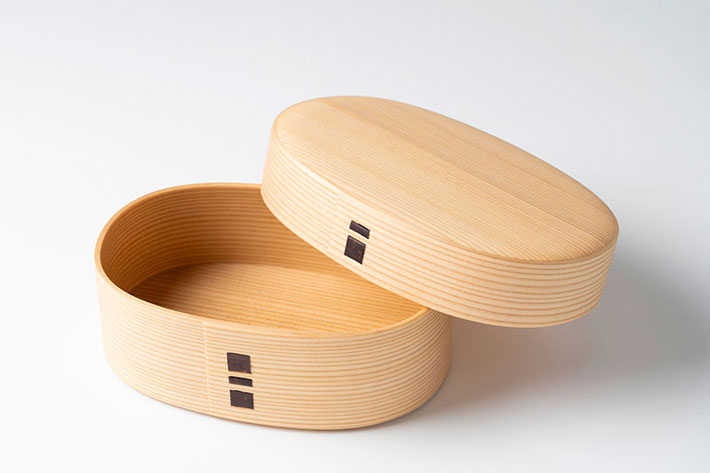
For centuries, the Japanese landscape has been defined not by steel or concrete, but by the living, breathing essence of timber. In Japan, wood is more than a mere construction material; it is a cultural cornerstone that bridges the gap between ancient spiritual traditions and the cutting edge of modern sustainable design. From the minimalist aesthetic of a magewappa lunchbox to the soaring, gravity-defying timber frames of the Expo 2025 pavilion in Osaka, the nation’s reliance on its forests remains a testament to a deep-rooted philosophy of harmony with nature.
Main Facts: A Civilization Built on Timber
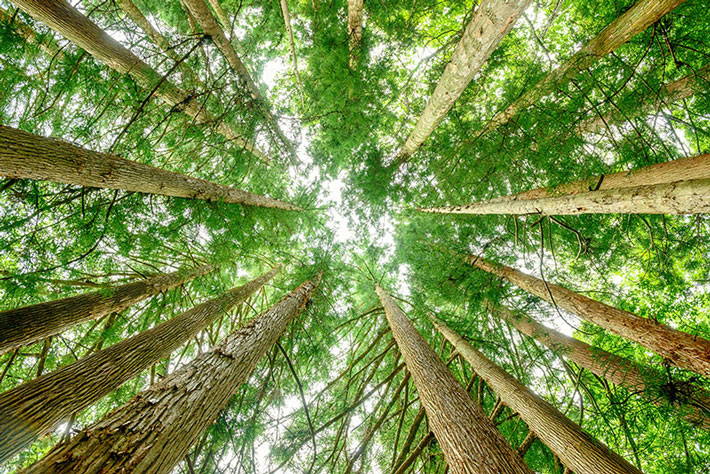
Japan’s geography is inherently tied to its arboreal wealth. With approximately two-thirds of the nation’s landmass covered in forests, Japan has cultivated a sophisticated relationship with tree species such as Sugi (Japanese cedar), Hinoki (Japanese cypress), Karamatsu (Japanese larch), and Todomatsu (fir).

This reliance is not born of necessity alone, but of profound functionality. Wood in Japan is favored for its thermal insulation properties, its ability to regulate indoor humidity, and its tactile beauty. Whether utilized in the construction of iconic temples or the delicate crafting of soup bowls, wood is valued for its versatility—the ability to be both a structural monolith and a domestic accessory.
Chronology: A Millennial Legacy
The history of Japanese woodwork is a narrative of continuity rather than change.
- Ancient Origins: The use of Hinoki as a primary building material began in earnest during the Asuka period. Its resistance to decay and insects made it the gold standard for sacred architecture.
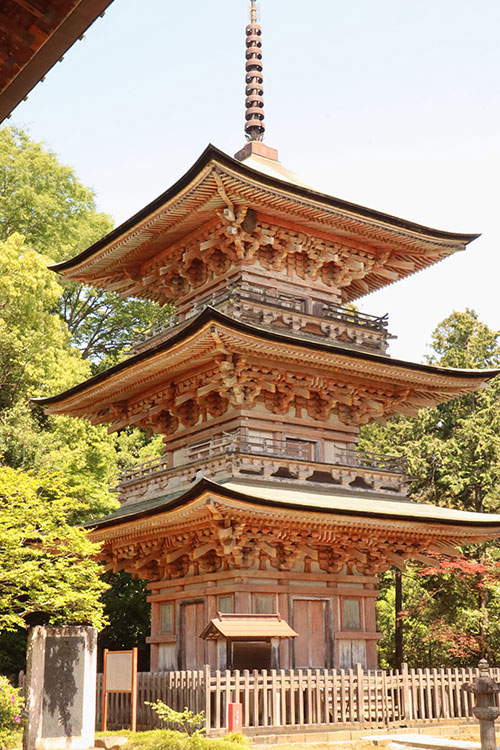
- The 1,000-Year Benchmark: The Hōryū-ji Temple in Nara Prefecture stands as the world’s oldest wooden building. Its survival through over a millennium of natural disasters and climate shifts serves as the ultimate empirical proof of the durability of Japanese timber craftsmanship.
- The Feudal Era: Throughout the era of samurai residences and merchant houses, the mastery of wood evolved, leading to the development of sophisticated joinery techniques that allowed buildings to sway during earthquakes without collapsing.
- The Modern Pivot (2024): In a landmark development for the international forestry industry, the American Lumber Standards Committee certified Hinoki-based "two-by-four" dimension lumber in April 2024. This marked the formal recognition of Japanese timber as a premium material within the North American building code, signaling a new era for Japanese exports.
Supporting Data: The Science of Species
The endurance of Japanese wood is grounded in distinct biological characteristics.
- Hinoki (Japanese Cypress): Celebrated for its aromatic fragrance and inherent resistance to rot, Hinoki is the material of choice for high-end construction. Its cellular structure provides a natural defense against termites, a factor that has preserved Japan’s historical treasures for centuries.
- Sugi (Japanese Cedar): As the most abundant timber species in Japan, Sugi is prized for its soft, workable texture. Beyond its aesthetic appeal, it functions as a natural hygrometer, absorbing excess moisture in humid Japanese summers and releasing it during dry winters, thereby stabilizing indoor environments.
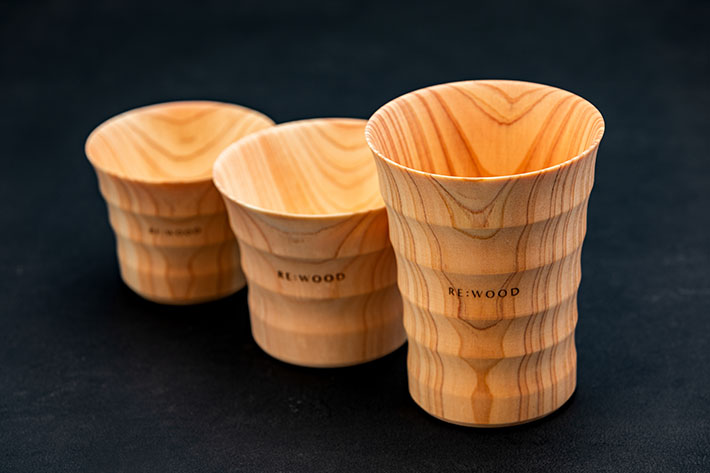
- The Magewappa Principle: The creation of bentwood boxes (magewappa) highlights the unique pliability of Sugi. By treating fresh planks with heat and moisture, artisans create curved vessels that naturally preserve the freshness of food, an elegant synthesis of form and function that predates modern synthetic food storage.
Innovations in Wood Processing: Engineering for the Future
While tradition provides the foundation, modern engineering is ensuring that Japanese wood remains relevant in a climate-conscious world.
S-Tech Treatment: The Nitrogen Revolution
One of the most significant advancements is S-Tech, a nitrogen heat treatment process. By heating wood to temperatures exceeding 200°C (392°F) in an oxygen-depleted environment, engineers can decompose the hemicellulose—the component responsible for rot and fungal growth. This process produces highly durable, dimensionally stable lumber without the use of harsh chemical preservatives. Boardwalks and exterior decking treated with S-Tech have demonstrated longevity exceeding 20 years, even under harsh environmental exposure.
Structural Integrity: Preservative-Infused Plywood
For modern high-rise and multi-family residential construction, Japan has pioneered the use of termite-proof, preservative-infused plywood. By deep-impregnating the inner layers of structural plywood with specialized, eco-friendly compounds, manufacturers are creating materials that can withstand the moisture-heavy Japanese climate. This is critical for the "hidden" elements of a home—subfloors, exterior wall cavities, and framing—where moisture accumulation would typically lead to structural degradation.
Official Responses and Strategic Implications
The Japan Wood Products Export Association (JWPEA) has become the central clearinghouse for the global dissemination of these innovations. Their mission is twofold: to share the aesthetic traditions of Japanese woodwork and to provide technical guidance to international architects and developers.
Sustainability and the SDGs
The global pivot toward Sustainable Development Goals (SDGs) has placed wood at the center of the construction debate. Unlike steel and concrete, which have massive carbon footprints, timber acts as a carbon sink. By promoting long-term, high-durability wood products, Japan is advocating for a circular economy where buildings are not just temporary shelters, but carbon-storing assets that can last for generations.
The Global Outlook
The recent certification of Japanese Hinoki for the North American market is more than a commercial victory; it is a validation of quality. As international markets move toward greener building solutions, the demand for high-performance, sustainably managed timber is expected to rise. Japanese exporters are now positioning their products not as niche luxury items, but as essential components for sustainable, resilient urban infrastructure.
Conclusion: A Living Heritage
The enduring presence of wood in Japanese society is not a sign of resistance to modernity, but rather a profound understanding of nature. As we look toward a future defined by the need for carbon neutrality and environmental stewardship, the ancient wisdom of Japanese forestry—combined with the precision of modern nitrogen treatment and structural engineering—offers a blueprint for the world.
Whether it is the scent of a Hinoki bath or the structural resilience of a modern wooden skyscraper, Japan’s bond with wood serves as a reminder that the most advanced technology is often that which is grown, not manufactured. Through the initiatives of organizations like the Japan Wood Products Export Association, this legacy is transitioning from a domestic treasure to a global standard, ensuring that the forests of Japan continue to shape the architecture of tomorrow.
For those interested in exploring the technical specifications or sourcing Japanese timber products, the Japan Wood Products Export Association provides comprehensive resources through the Japanese Wood Export Portal.


 Neng Nana
 Asro
Asro