Neng Nana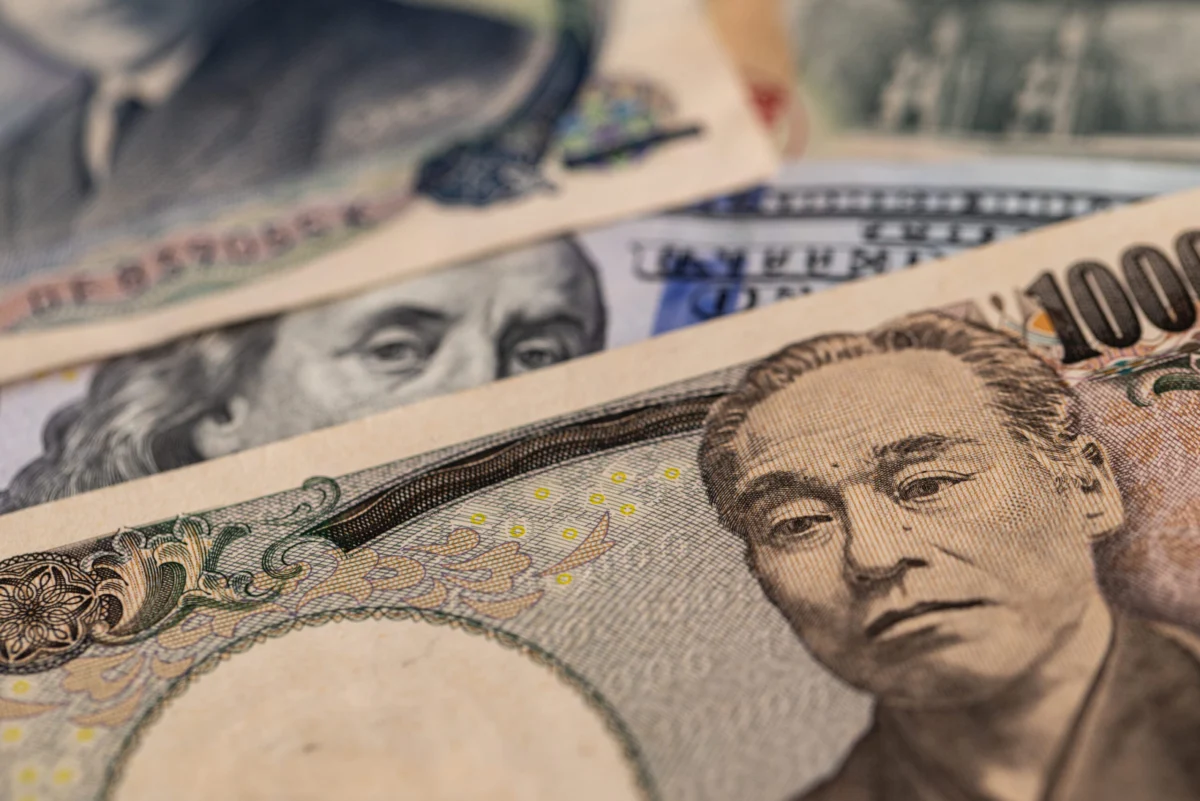
The Japanese yen has breached a psychological and historical threshold that few observers thought possible. As of June 30, 2026, the currency slipped into the ¥162 range against the U.S. dollar, marking its weakest valuation since December 1986. This milestone is not merely a number on a trading screen; it is the culmination of years of divergent monetary policies, shifting geopolitical alliances, and a fundamental restructuring of the Japanese economy.
Despite an unprecedented, record-breaking ¥11.7 trillion ($72 billion) intervention by Japanese financial authorities earlier this year, the currency’s descent has proven resilient to state interference. For the international community, Japan has effectively become a bargain destination. For those living within its borders, however, the landscape is one of mounting pressure, inflation, and a fundamental re-evaluation of the cost of living.
The 2020–2026 Arc: How Did We Get Here?
To grasp the severity of the yen’s current weakness, one must trace the trajectory of the last six years. During the height of the pandemic in 2020 and 2021, the yen occupied a relatively stable "safe haven" range between ¥103 and ¥113 per dollar. As the global economy reopened, however, a profound divergence in monetary policy emerged, tearing that stability apart.
The Great Divergence
While the U.S. Federal Reserve and other global central banks embarked on aggressive interest rate hikes to combat post-pandemic inflation, the Bank of Japan (BOJ) maintained its commitment to ultra-loose, negative interest rate policies. The BOJ’s goal was to stimulate a long-stagnant economy, but the unintended consequence was a massive "carry trade." Investors began borrowing cheaply in yen to invest in higher-yielding assets denominated in dollars, effectively short-selling the Japanese currency on a global scale.
Normalization vs. Reality
By 2024, the BOJ finally moved to normalize policy, signaling an exit from its negative interest rate era. By mid-2026, the benchmark rate had reached 1.0%—a 31-year high. Yet, this move has been insufficient to stem the tide. Under the leadership of Federal Reserve Chair Kevin Warsh, the U.S. has navigated sticky inflation and rising geopolitical tensions by keeping policy rates elevated between 3.5% and 3.75%. This persistent interest rate differential acts as a structural anchor, dragging the yen downward and preventing it from regaining its historical footing.
The Practical Implications of a ¥162 Yen
Macroeconomic data points often feel abstract until they hit the wallet. At the current exchange rate, the practical implications vary wildly depending on one’s economic vantage point.
For Global Travelers: A Window of Opportunity
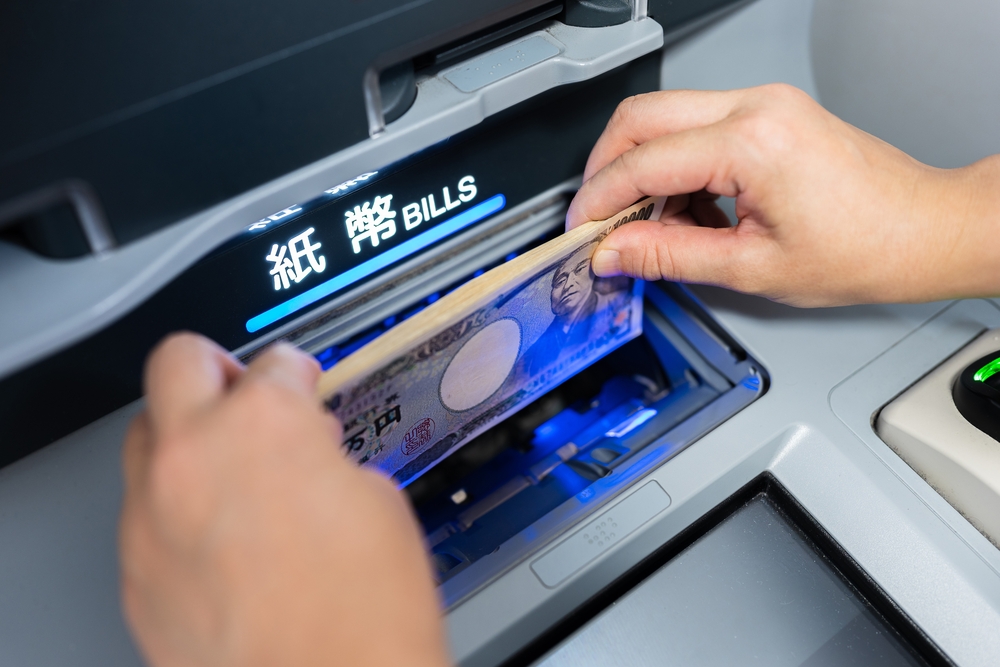
For tourists holding USD, EUR, or pegged currencies, Japan is currently experiencing a "sale" of historic proportions. A trip that might have required a $5,000 budget in 2021 now costs roughly $3,100—a nearly 40% discount in real purchasing power.
The Strategy for Travelers:
- Book Now: While Japanese authorities have hinted at intervention should the yen breach the ¥163 level, even a successful rebound is unlikely to move the needle significantly. The current "discount" is so deep that waiting for a better exchange rate risks losing out on the availability of peak-season travel, such as cherry blossom windows in 2027 or autumn foliage tours in Kyoto.
- The "Pay in Yen" Rule: A critical piece of advice for any traveler is to bypass Dynamic Currency Conversion (DCC). When paying for hotels or meals, always choose to be billed in Japanese yen. Merchants often apply a markup of 3–5% for the convenience of showing your home currency, a cost that is entirely avoidable.
For Residents: The Invisible Inflation Tax
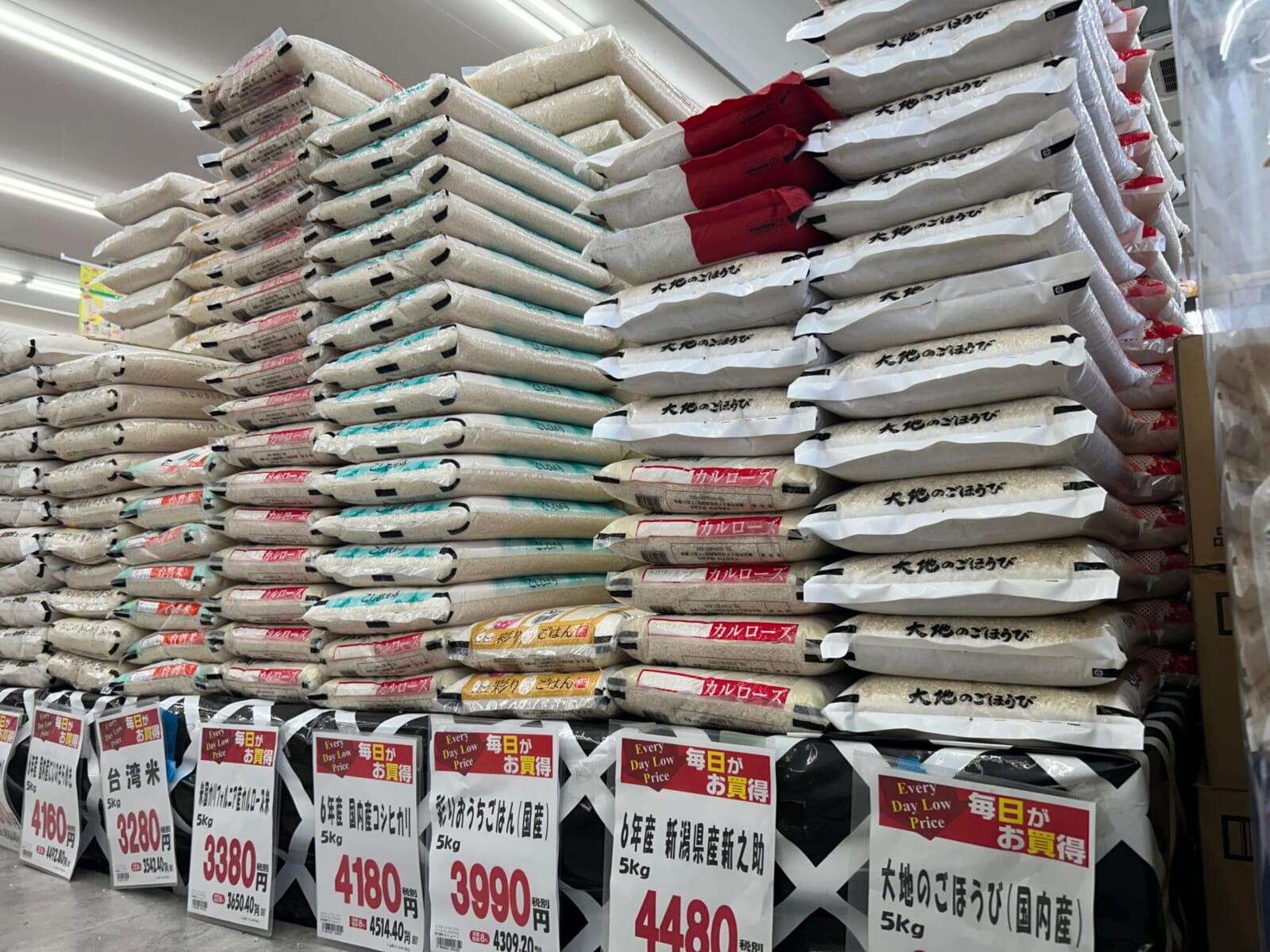
For those earning a salary in yen, the situation is increasingly dire. Japan is a nation heavily dependent on the importation of energy, raw materials, and food. As the yen weakens, the cost of importing these essential goods rises, functioning as an "invisible tax" on the average household. Utility bills, grocery prices, and fuel costs have climbed steadily, outpacing modest wage growth and squeezing the disposable income of the Japanese middle class.

The Expatriate Dilemma: Remittances and Wealth Preservation
For foreign residents living in Japan, the weak yen has created a "remittance trap." Sending money home—to pay off student loans, mortgages, or support family—has become significantly more expensive in terms of labor hours.
Navigating the Transfer Landscape
The difference between a "good" and "bad" transfer strategy is now measured in thousands of yen.
- Avoid Traditional Banks: Major institutions like MUFG or SMBC often charge high flat fees and incorporate unfavorable exchange spreads, often costing the sender 3–5% of the total amount.
- Digital-First Solutions: Platforms like Wise and Revolut have become the gold standard for the expat community. By utilizing mid-market rates and transparent, low-cost structures, these services ensure that more of the transferred capital reaches its destination.
- The Hedging Alternative: For those with recurring, predictable obligations abroad, dollar-cost averaging is essential. By sending smaller, frequent amounts rather than waiting for an elusive "market bottom," residents can smooth out the volatility of the currency markets.
The Government’s Defensive Posture: A Strategic Tightrope
The Ministry of Finance finds itself in a precarious position. The ¥11.7 trillion ($72 billion) intervention between April and May 2026 was a massive show of force, yet it yielded only temporary relief.
Finance Minister Satsuki Katayama has maintained a stance of "verbal intervention," warning that Tokyo remains prepared to take "decisive action" against disorderly market moves. However, there is a limit to this strategy. Unilateral intervention requires the sale of U.S. Treasury holdings, which can irritate Washington by driving up U.S. yields. As Katayama works to coordinate with U.S. Treasury Secretary Scott Bessent, it is clear that the government is trying to balance domestic economic pain with the need to maintain strong trans-Pacific financial ties.
What to Watch: The Takaichi Administration’s Vision
Looking toward the remainder of 2026, three pillars will determine the yen’s fate:
1. The Takaichi Fiscal Gamble
Prime Minister Sanae Takaichi has staked her administration on a pro-growth agenda, proposing a massive ¥370 trillion public-private investment plan aimed at revitalizing Japan’s semiconductor and AI sectors. By prioritizing growth over fiscal austerity—and potentially freezing consumption taxes on food—the administration is signaling that it is willing to tolerate a weaker yen if it means achieving long-term industrial modernization.

2. The Bank of Japan’s Measured Normalization
The BOJ is caught between the need to support the currency and the fear of crushing the domestic debt market. Because Japan carries one of the highest debt-to-GDP ratios in the developed world, even a modest rise in interest rates significantly increases the cost of servicing that debt. Consequently, the BOJ’s pace of rate hikes will remain glacial, preventing any rapid narrowing of the yield gap with the U.S.
3. Federal Reserve Policy
The "Warsh Doctrine" at the U.S. Federal Reserve remains the primary external factor. As long as the U.S. maintains higher interest rates to combat its own inflationary pressures, the carry trade will remain profitable, and the yen will likely remain under pressure.
Conclusion: A New Normal?
The yen at ¥162 is a sign that the old economic order—characterized by low inflation and stable, predictable exchange rates—is being replaced by a more volatile, growth-oriented environment. For the visitor, it is a period of unprecedented affordability. For the resident and the policymaker, it is a period of transition that requires agility, careful financial planning, and a sober recognition that the days of the "strong yen" are unlikely to return in the near term.

Whether the Takaichi administration’s massive investment plans will pay off in the long run remains the most significant variable. Until then, both domestic and international observers must prepare for a landscape defined by the "weak yen" reality.
Summary Checklist for Navigating the Weak Yen
For Travelers:
- Book Accommodations Immediately: Secure your trip now to lock in current rates.
- Prioritize Local Payments: Always choose to pay in JPY when using credit cards.
- Avoid Airport Exchanges: Use ATMs at convenience stores (7-Eleven, Lawson) for better rates.
For Residents & Expats:
- Audit Your Remittances: Move away from traditional bank wires toward digital fintech solutions.
- Budget for Import Inflation: Factor higher costs for imported food and energy into your monthly spending.
- Monitor Policy Shifts: Keep a close eye on the BOJ’s quarterly meetings for signs of acceleration in interest rate adjustments.



 Asro
Asro