Nana
Nana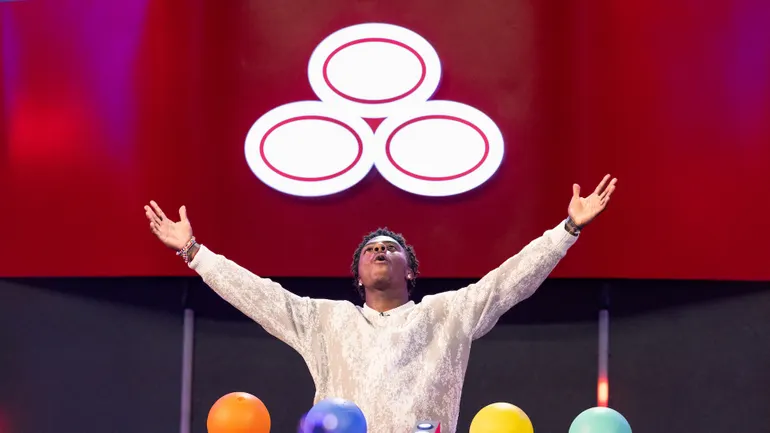
In an era where traditional advertising is increasingly bypassed by ad-blockers and cord-cutting, State Farm has cemented its position as a pioneer in non-traditional brand integration. The insurance giant’s reality-competition series, "Gamerhood," is set to return for its fifth season on July 31, marking another milestone in the brand’s multi-year effort to embed itself into the gaming and creator ecosystem. With a star-studded lineup headlined by the viral sensation IShowSpeed, State Farm is moving beyond the standard sponsorship model, treating creators not as mere endorsers, but as vital media channels.
Main Facts: The Evolution of "Gamerhood"
"Gamerhood" is more than a commercial endeavor; it is a full-scale reality series that blends digital gaming with physical competition. Since its inception, the franchise has accumulated over 53 million views, a testament to the brand’s ability to capture the elusive Gen Z and Alpha demographics.
The fifth season marks a return to the series’ roots, utilizing an "every-player-for-themselves" free-for-all format. Participants will compete in a variety of popular video games and high-stakes physical challenges, all vying for a substantial prize pool consisting of 100,000 gifted subscriptions. The show will broadcast across State Farm’s official Twitch and YouTube channels, as well as the personal channels of the participating creators, effectively creating a decentralized media network.
The cast for this season is a "who’s who" of the streaming world, featuring creators who made waves at last year’s prestigious Streamer Awards. Alongside the ever-present Jake from State Farm, the lineup includes:
- IShowSpeed: Known for his explosive, high-energy content and massive global reach.
- PlaqueBoyMax: A rising star in the variety streaming space.
- Emiru: A staple in the gaming community, particularly known for her creative content.
- JasonTheWeen: A prominent creator known for his engaging, personality-driven streams.
- Marlon and Cinna: Influential figures who bring significant audience cross-pollination to the show.
Chronology: Building the Gamerhood Ecosystem
State Farm’s journey into the gaming space was not an overnight success but a calculated, iterative process.
- Foundation Phase: In the initial seasons, State Farm experimented with the "Gamerhood" format, testing how a legacy insurance brand could realistically exist in a virtual space without feeling forced.
- Growth and Validation: As viewership climbed, the brand expanded its reach. Last year’s collaboration with top streamer Kai Cenat served as a turning point, proving that partnering with top-tier talent could yield viral engagement.
- The IShowSpeed Era: The current cycle began in January, when negotiations with IShowSpeed commenced. Filming took place in March, strategically timed to follow the creator’s high-profile venture with FIFA, Fox Sports, and YouTube. This timing allows State Farm to leverage the creator’s peak momentum following his recent global exposure.
- The Road Ahead: Episodes are scheduled to stream every Friday throughout the month of August, creating a consistent weekly touchpoint for the brand’s digital audience.
Supporting Data: Why Gaming Works
The shift toward creator-led marketing is backed by significant industry research. According to recent reports from the IAB, creator marketing has evolved from a secondary tactic into a core media channel.
The success of "Gamerhood" is measured not just in views, but in actionable data. To bridge the gap between passive viewing and active engagement, State Farm is introducing "Jake’s Neighborhood Swarm," a new 2D game. Players can participate for a chance to win exclusive, custom-designed gaming chairs and apparel, created in collaboration with the esports powerhouse 100 Thieves.
Furthermore, the integration of Flowcode technology serves as the backbone of this strategy. By embedding QR codes within episodes, State Farm is able to create a direct digital bridge between the viewer’s screen and the brand’s ecosystem. This allows the company to collect first-party data, facilitating an ongoing relationship with the consumer that extends far beyond the duration of the gameplay.
Official Responses: The Philosophy of "Good Neighbors"
Alyson Griffin, Head of Marketing at State Farm, has been a driving force behind the brand’s shift toward modern media. In her view, the success of these campaigns relies on a delicate balance of brand safety and creative freedom.
"Creators are a media channel—you can’t deny it anymore," Griffin stated. "We’ve been using them in that way for a long time, but it’s obvious pretty quickly if you’re just creating an ad versus helping the creator understand what your goals are, and then trusting them to create something that their fans will like."
Griffin emphasizes that the vetting process is rigorous. "I would not give control of my brand to every creator, but when we vet and talk about synergies and the right ‘good neighbor’ connections, if the person is the right fit, we give them the control and let them go."
Addressing the community buzz, Griffin noted, "Gamerhood is really becoming a cultural force. People are speculating online about who the gamers are going to be. They want to know what to expect. We’re already seeing some of that anticipation online."
Implications: A Broader Sports and Cultural Strategy
State Farm’s foray into gaming is just one spoke in a larger wheel of its marketing strategy, which also leans heavily into high-impact sporting events and innovative tech.
The Soccer Pivot
While not an official World Cup sponsor, State Farm successfully captured soccer audiences through a series of Spanish-language advertisements. This strategy included testing social content where "Jake from State Farm" spoke Spanish, a deliberate effort to reach the massive Hispanic market in the United States—a demographic heavily represented among soccer fans.
AI and Basketball
State Farm continues to leverage its long-standing partnerships with the NBA and WNBA, but with a modern twist. During the recent NBA Finals, the brand partnered with the Google AI Lighthouse program to produce real-time, AI-generated social media content that reacted to live game moments on X (formerly Twitter).
Furthermore, the introduction of "Stan"—a character representing the stanchion pads under the basketball hoop—marks an attempt to revitalize a sponsorship asset that has existed for nearly two decades. By anthropomorphizing the padding and featuring it in commercials alongside WNBA superstar Caitlin Clark, State Farm is turning a "passive" logo into an active brand personality.
"We’ve been there for a really long time, and people know it’s there, but it’s been there for so long that it can be passive," Griffin explained regarding the stanchion pads. "It was about snapping back attention to a very long-standing logo that we’ve had, that people know, and re-reminding them."
Conclusion: The Future of Brand Integration
State Farm’s "Gamerhood" represents a fundamental shift in how insurance brands—traditionally viewed as stodgy or unexciting—can maintain relevance in a digital-first world. By treating creators as legitimate media partners, utilizing advanced data-collection tools like Flowcode, and leaning into the cultural zeitgeist of gaming and sports, the brand has successfully positioned itself as a "good neighbor" in the digital spaces where its customers actually live.
As the fifth season of "Gamerhood" kicks off on July 31, the industry will be watching closely. If history is any indicator, State Farm’s willingness to experiment with creator control and interactive tech will likely yield not only high viewership numbers but also a deeper, more sustainable connection with a new generation of consumers.


 Evan Lee Salim
 Rifan Muazin