

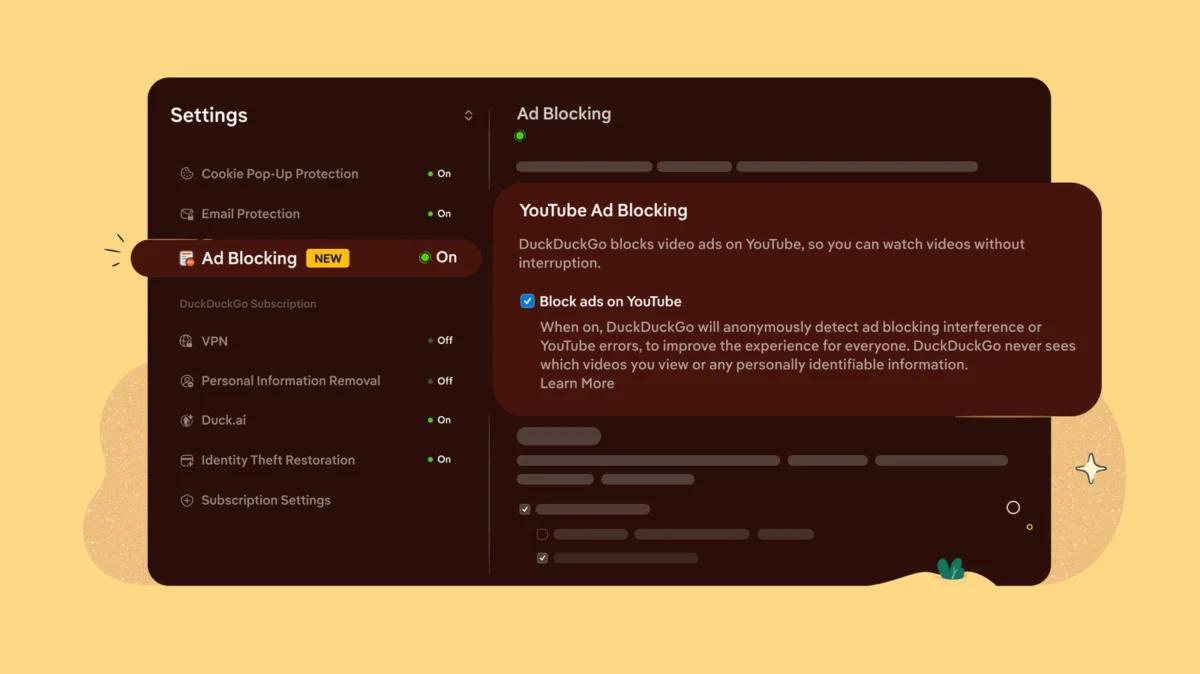
In a move that signals a significant escalation in the ongoing digital battle between privacy-centric browsers and ad-supported platforms, DuckDuckGo has announced a major update to its browser suite. The company has officially rolled out native video ad-blocking capabilities, explicitly identifying YouTube as a primary target. This development marks a pivotal shift for the search-engine-turned-browser provider, positioning itself as a direct disruptor of the traditional "ad-supported internet" model that tech giants like Google have spent decades refining.
Main Facts: How the New Feature Operates
The update, which is currently rolling out across DuckDuckGo’s desktop and mobile platforms, integrates advanced filtering technology directly into the browser’s engine. Unlike third-party extensions that often require manual installation and maintenance, this feature is baked into the browser’s core architecture.
According to the official announcement, the ad-blocking mechanism leverages the community-maintained filter lists popularized by uBlock Origin—the industry standard for open-source ad blocking. By incorporating these lists, DuckDuckGo can identify and strip out tracking scripts and advertising payloads before they are rendered on the user’s screen. However, DuckDuckGo has augmented these lists with proprietary internal rules designed to optimize the viewing experience and ensure better compatibility with modern web frameworks.
The company was transparent about the technical limitations inherent in such a feature. Users may encounter "hiccups"—sporadic playback errors or extended buffering times—as the browser attempts to intercept and neutralize ad injection scripts in real-time. Despite these potential minor inconveniences, the core value proposition remains clear: an ad-free viewing experience without the need for a premium subscription.
Chronology: The Evolution of DuckDuckGo’s Browser Strategy
The path to this update has been a steady progression of feature expansion. When DuckDuckGo first launched its desktop browser, it was widely criticized for being too simplistic—essentially a wrapper for the underlying OS web engine (Webkit on macOS, WebView on Windows) with a privacy-focused skin.
- Early Phase: DuckDuckGo focused exclusively on search, emphasizing that "it doesn’t track you."
- Expansion: The company introduced its mobile app, which served as a privacy-focused alternative to Safari and Chrome, primarily through its "Fire Button" that cleared browser history and data with a single tap.
- The Browser Era: The launch of the desktop browser brought the company into direct competition with Google Chrome and Microsoft Edge.
- Ad-Blocking Integration: Over the past year, the company has gradually integrated more aggressive tracking protection. The inclusion of video ad-blocking is the latest, and perhaps most aggressive, step in this timeline, moving beyond merely stopping trackers to actively dismantling the advertising delivery systems of major streaming platforms.
Supporting Data: The Privacy-Performance Paradox
The debate surrounding ad-blocking is rarely just about the ads themselves; it is about the massive data-harvesting infrastructure that supports them. DuckDuckGo has frequently cited that modern video platforms—specifically YouTube—load a significant volume of third-party tracking scripts alongside advertisements.
When a user watches a video on a standard browser without ad-blocking, their device often initiates dozens of background connections to various ad-tech servers. These connections serve two purposes: delivering the advertisement and, more importantly, tracking the user’s behavior (what they watched, how long they watched, and where they clicked).
By blocking these ads, DuckDuckGo reports that it is not only providing an "unsubtle shot at Chrome"—the flagship product of the world’s largest advertising company—but is also reducing the total amount of data transferred, potentially improving page load speeds and extending battery life on mobile devices. While the company admits that the blocking process can occasionally lead to buffering, they argue that the net result is a leaner, more performant browser.
Official Responses and Platform Nuances
DuckDuckGo’s rollout strategy is tiered, reflecting the different technical environments of the platforms they support.
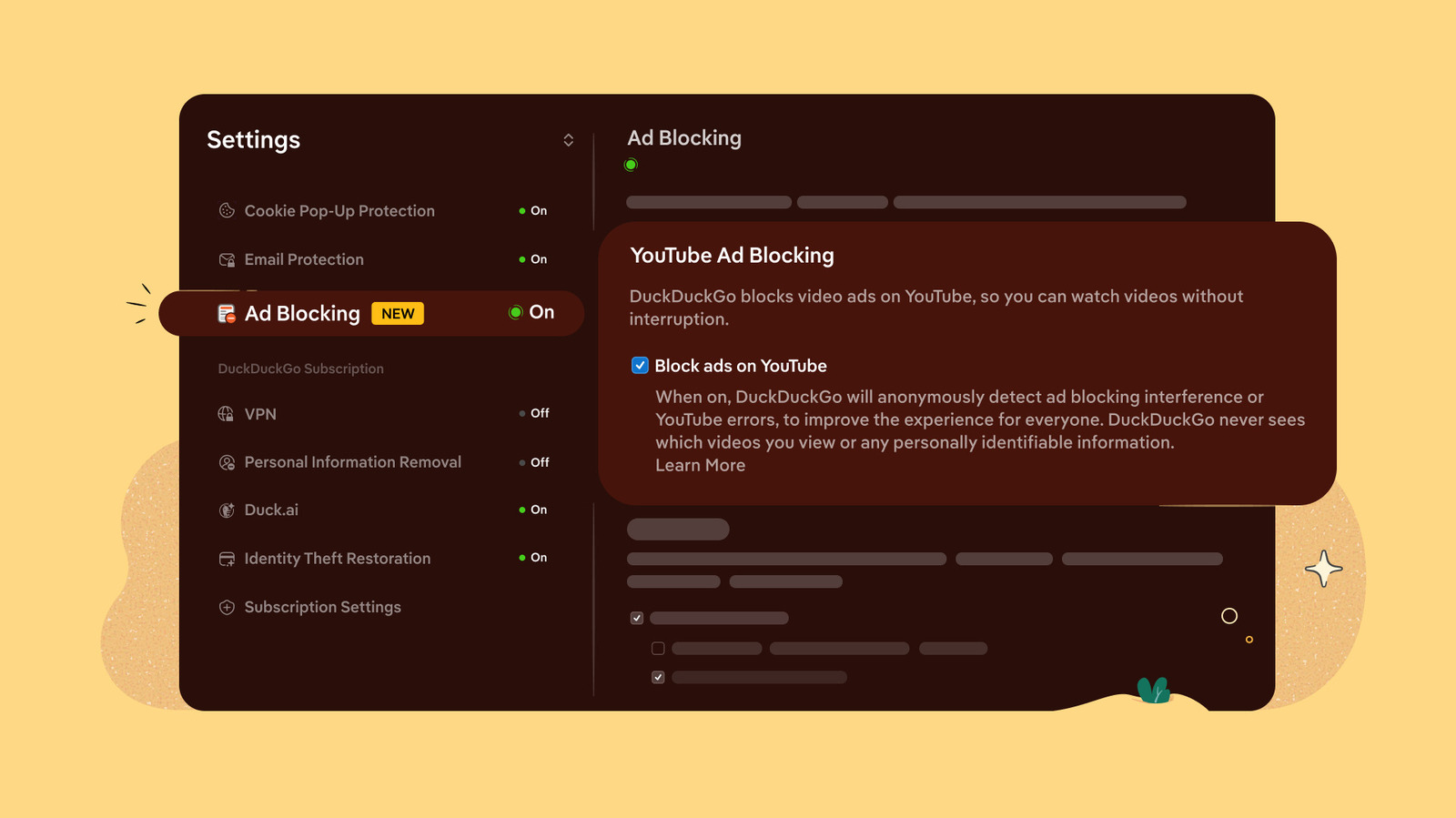
- iPhone, Mac, and Windows: The feature is toggled "on" by default. Users on these platforms will immediately experience the benefits of the new filtering rules upon updating their browsers.
- Android: The feature is being rolled out in phases. While it is currently available, some users may need to navigate to their settings menu to manually activate it while the final deployment finishes.
A critical point of clarification issued by the company is that this functionality only works when the user is browsing YouTube via the DuckDuckGo browser. It does not—and cannot—affect the standalone YouTube app installed on a smartphone. This distinction is vital: Google maintains strict control over its own app ecosystem, meaning that users who want to avoid ads on mobile must fundamentally change their behavior by shifting from the native YouTube app to the DuckDuckGo browser.
Implications: A Strategic Challenge to Google’s Monopoly
The move carries significant industry implications. By targeting YouTube, DuckDuckGo is directly attacking the most profitable asset in the advertising ecosystem.
The Regulatory and Competitive Landscape
For years, browser developers have faced pressure from Google to limit the effectiveness of ad-blockers. Google’s transition to "Manifest V3"—a change to the extension architecture of Chromium-based browsers—has been viewed by many developers as a thinly veiled attempt to hobble powerful ad-blockers like uBlock Origin. DuckDuckGo’s decision to build this blocking capability natively into its own browser (rather than relying on a plug-in) essentially allows them to bypass the constraints of Manifest V3, effectively creating a "walled garden" for privacy-conscious users.
The Impact on Content Creators
A common criticism of such tools is the impact on content creators who rely on YouTube’s ad revenue. While the user benefits from an ad-free experience, the platform and the creator lose potential revenue. DuckDuckGo has not yet announced a mechanism to support creators within this new paradigm, leaving the moral and economic implications of this "ad-blocking by default" strategy to be debated by users and content creators alike.
The Future of "Browser Wars"
This development signals a shift in the browser landscape. Modern browsers are no longer just tools for rendering HTML; they are becoming frontline defensive tools in a digital war. By offering a "set it and forget it" ad-blocking experience, DuckDuckGo is betting that the average user is increasingly frustrated by the current state of "ad-bloat" on the internet.
Whether this will lead to a mass migration of users from Chrome to DuckDuckGo remains to be seen. However, by providing a seamless, native solution to one of the most common user pain points—YouTube advertisements—DuckDuckGo has successfully differentiated its browser from the crowded field of Chromium-based competitors. As the digital advertising industry continues to push for more invasive data collection, browsers that position themselves as the "user’s agent" against that tide are likely to see increased adoption among a growing demographic of privacy-literate consumers.
In the final analysis, DuckDuckGo has moved from being a niche search engine for the privacy-conscious to a full-scale browser contender capable of taking on the internet’s largest incumbents. The "unsubtle shot" at Chrome is not merely a marketing jab; it is a declaration of a new browser-centric model of the web, where the user’s experience—and their data—takes priority over the advertising revenues that have sustained the digital economy for the past two decades.











