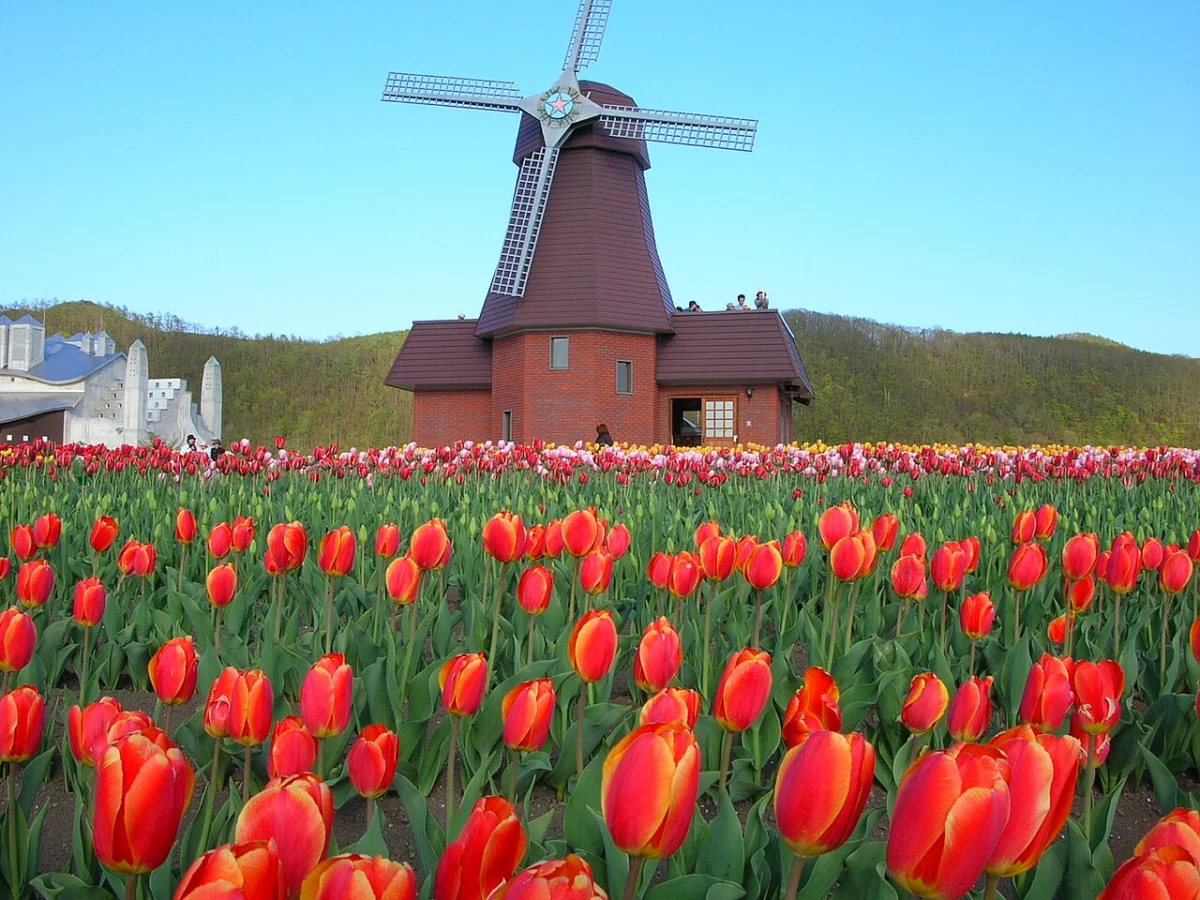
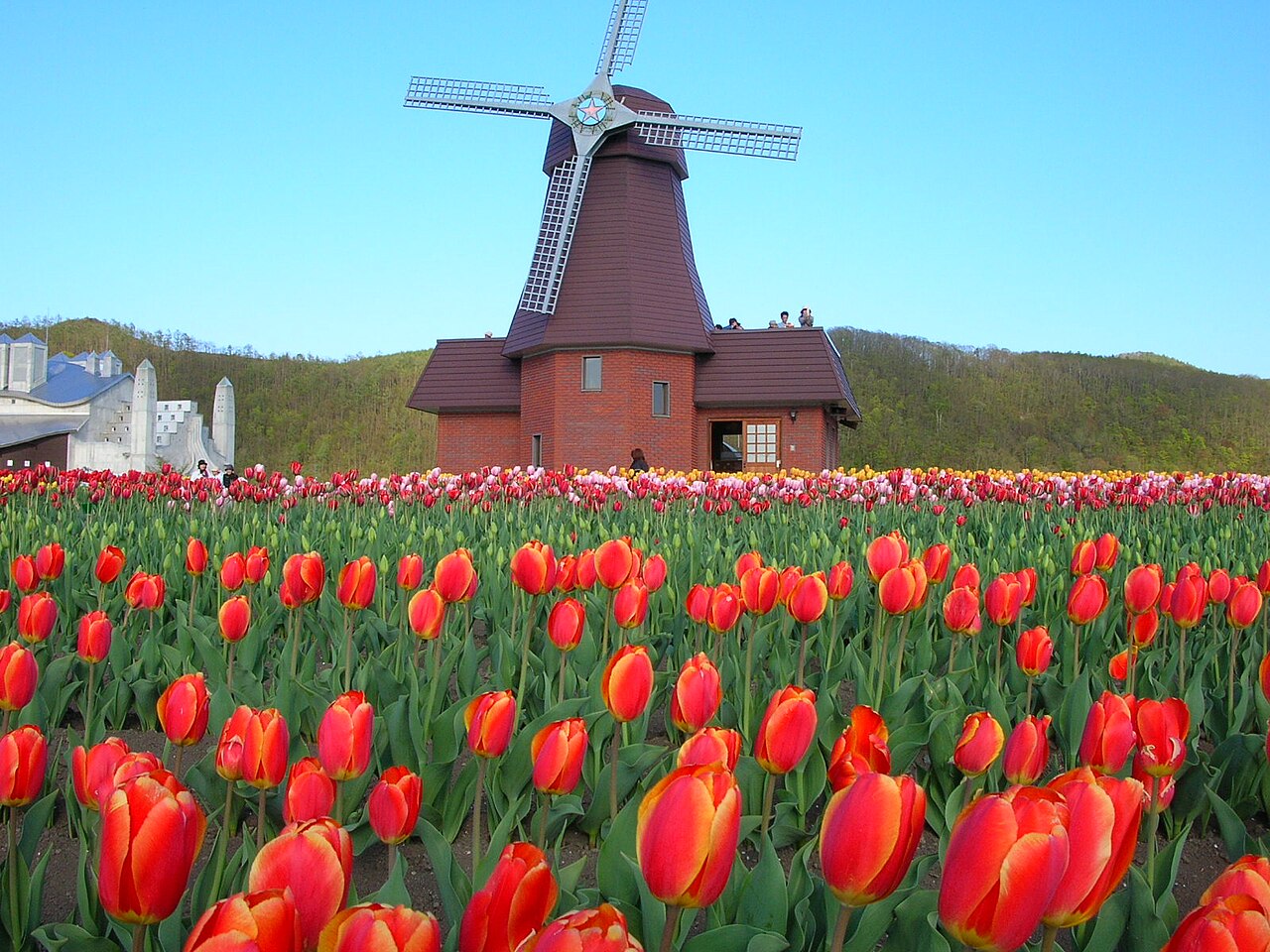
In the quiet, rural landscape of Yubetsu, Hokkaido, a remarkable transformation occurs each spring. As the winter frost retreats from the Okhotsk plains, the town prepares for the arrival of 700,000 vibrant tulips. The Kamiyubetsu Tulip Park, arguably the most significant horticultural display in Northern Japan, stands as a testament to agricultural innovation, regional identity, and the relentless beauty of seasonal cycles. Spanning 12.5 hectares, with seven hectares dedicated exclusively to a kaleidoscope of 200 distinct tulip varieties, the park has evolved from a post-war economic experiment into a premier tourism destination.
Main Facts: The Anatomy of a Floral Giant
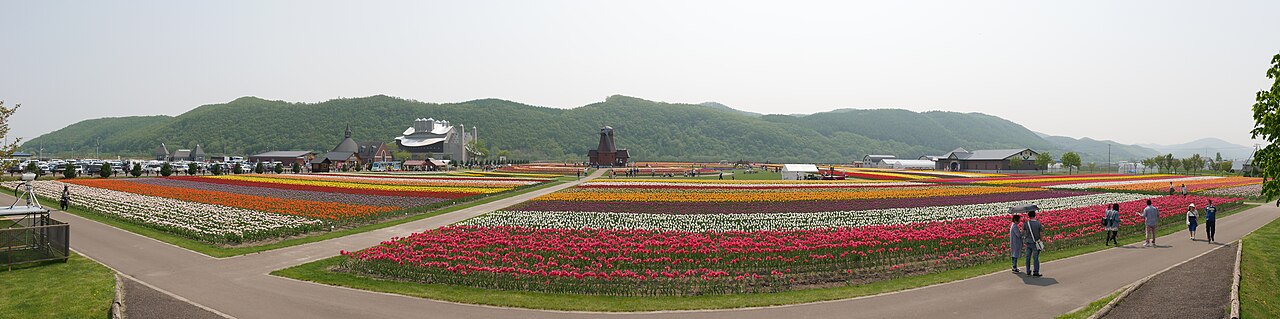
The Kamiyubetsu Tulip Park is more than a garden; it is a meticulously engineered landscape designed to captivate the senses. The park is defined by its geometric precision: rows of tulips are arranged in sweeping, colored bands that follow the gentle, east-facing slope of the Yubetsu terrain. This layout is not accidental. The park’s head gardener orchestrates a complex planting strategy, rotating the color palette on a three-year cycle to ensure that returning visitors are greeted with a fresh visual experience.
At the heart of the display is a genuine Dutch-style windmill, a five-story observation deck that serves as the park’s focal point. From its summit, the disparate ribbons of red, yellow, pink, white, and purple resolve into a coherent, stunning tapestry. For those who prefer to traverse the grounds with ease, the Hana Densha (Flower Car)—an open-sided electric tram—winds through the flower beds, providing an 18-minute immersive tour of the blooming landscape.
The park operates exclusively during the May festival, attracting approximately 100,000 visitors annually. Beyond the flowers, the site integrates cultural elements, including a "dig-your-own" bulb experience in early June, a children’s playground, and a seasonal stamp-rally activity, making it a multifaceted destination for families, botanists, and photographers alike.
Chronology: From Post-War Subsistence to Tourism Icon
The history of the park is rooted in the pragmatic spirit of post-war Japan. In the early 1950s, the local agricultural cooperative (JA) sought to diversify the region’s economy, which was then dominated by labor-intensive potato and sugar-beet farming. The introduction of Dutch tulip bulbs was an ambitious experiment in agricultural diversification.
- 1950s: Initial trials begin as local farmers are trained in bulb cultivation, aiming to leverage the cool, northern climate of Hokkaido to replicate the success of Dutch flower production.
- 1957: The town hosts its first public tulip festival, marking the transition of the bulbs from a purely commercial crop to a community attraction.
- 1989: The Yubetsu municipal government formally establishes the permanent park site, investing in infrastructure to transform the annual blooming into a sustainable tourism asset.
- Present Day: The park has solidified its reputation as a "pilgrimage" site for garden enthusiasts, supported by the municipal tourism board and maintained with professional rigor.
Supporting Data: Diversity and Bloom Dynamics
The botanical inventory at Kamiyubetsu is categorized into five distinct groups, each selected for its specific hardiness and aesthetic qualities. The diversity ranges from simple, early-blooming goblet shapes to the intricate, fringed, and parrot-style cultivars that define the upper terraces.
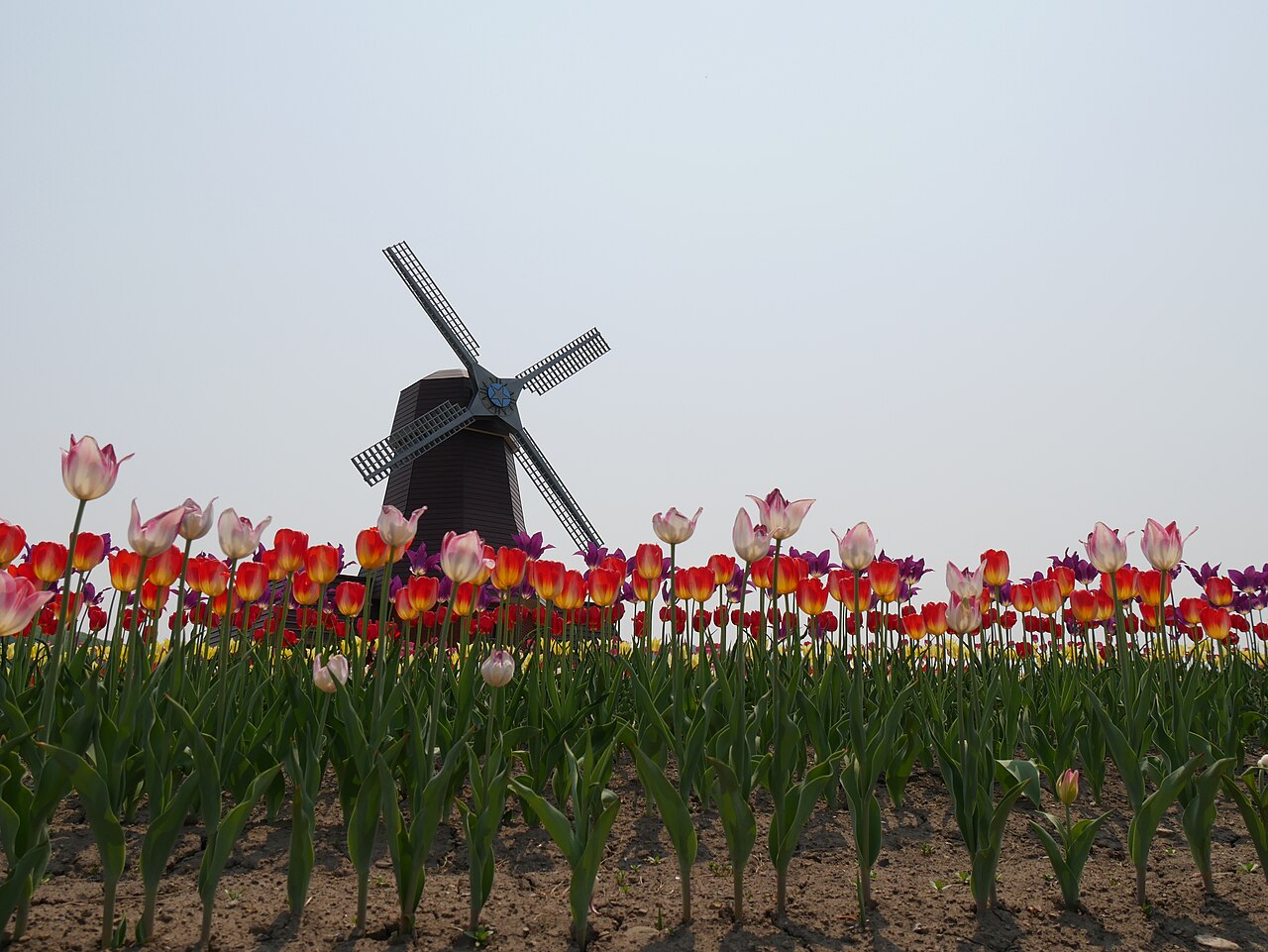
The blooming schedule is a masterclass in timing. By varying planting depths and selecting cultivars with different maturation rates, the head gardener creates a "bloom wave." This ensures that the lower terraces come to life in early May, while the upper, more complex varieties peak toward the end of the month. This staggered timing protects the park against the volatility of the Hokkaido spring; even if a cold snap hits early in the month, the later-blooming varieties are held in reserve, ensuring that the festival remains vibrant for its entire duration.
| Feature | Data/Specification |
|---|---|
| Total Area | 12.5 Hectares |
| Planted Area | 7 Hectares |
| Total Plants | ~700,000 |
| Cultivars | 200 Named Varieties |
| Peak Window | Mid to Late May (May 15–25) |
| Annual Attendance | ~100,000 |
Official Responses: The Role of the "Tulip no Yu"
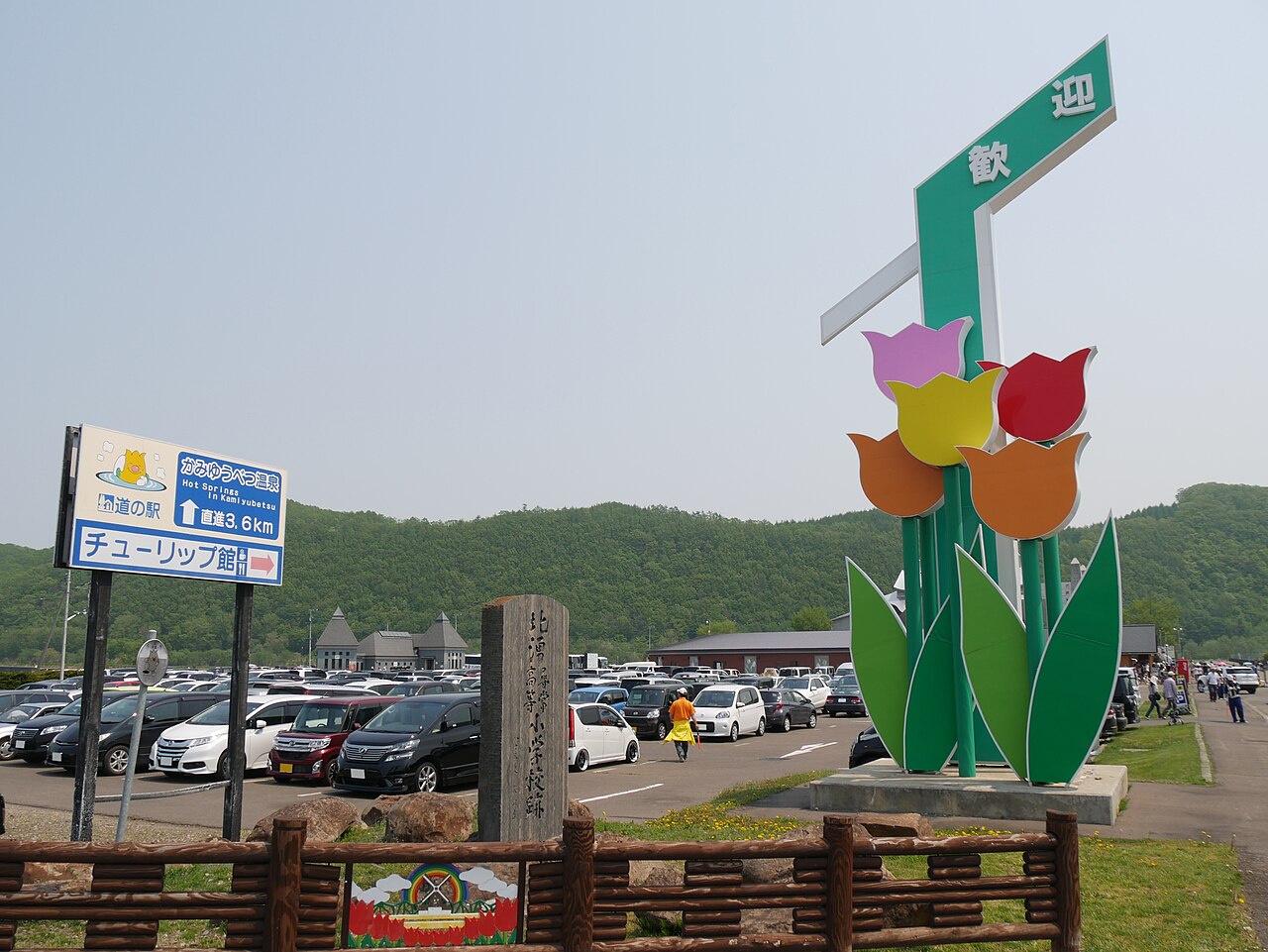
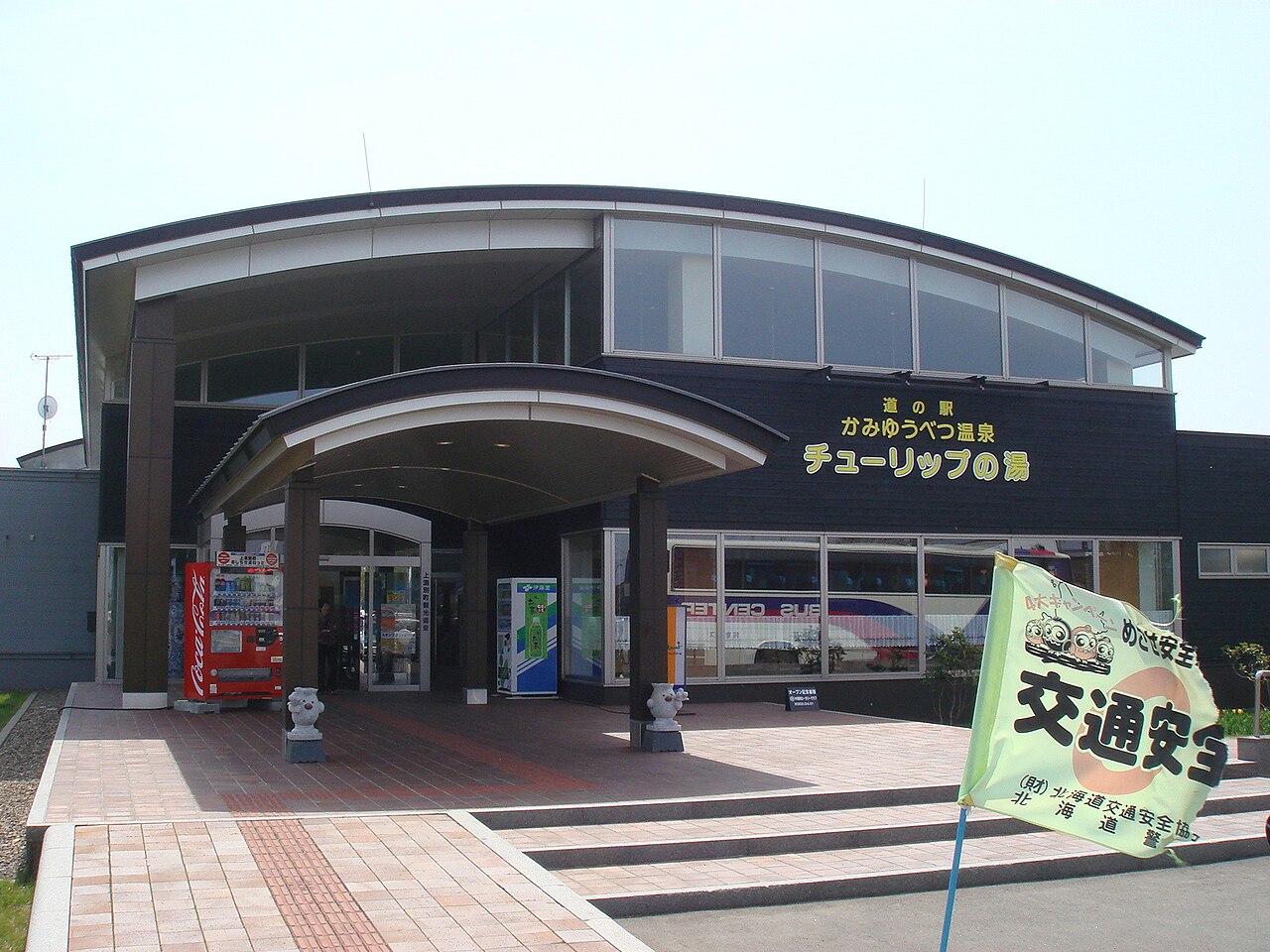
The municipal management of the park extends beyond the garden gates. The town of Yubetsu operates the Tulip no Yu, a michi-no-eki (roadside station) and onsen complex located just five minutes from the park. This facility acts as a vital bridge between the transient tourism of the festival and the local economy.
Local officials highlight the facility as a "year-round anchor." While the park itself is dormant for 11 months of the year, the Tulip no Yu remains open, serving as a hub for local produce, regional cuisine, and essential services for travelers traversing the Okhotsk coast. By integrating the park visit with a hot-spring experience, the local government encourages longer stays and higher spending within the town, effectively mitigating the "hit-and-run" tourism model often seen at seasonal attractions.
Implications: The Strategic Value of Seasonal Tourism
The success of the Kamiyubetsu Tulip Park carries significant implications for rural revitalization in Japan. As many regional towns struggle with aging populations and shrinking local economies, the park serves as a model for how a single, specialized asset can generate regional economic activity.
- Synergistic Regional Planning: The park does not exist in a vacuum. It is intentionally marketed as part of an "Eastern Hokkaido Flower Circuit," paired with the Takinoue Shibazakura Park (moss phlox). By coordinating festival windows, Yubetsu and its neighbors have turned a single-day trip into a multi-day regional itinerary.
- Infrastructure Longevity: The investment in the Tulip no Yu suggests that sustainable tourism requires more than just a "spectacle." It requires basic infrastructure that serves both the tourist during the peak season and the local resident year-round.
- The "Pilgrimage" Effect: By focusing on rare, high-quality Dutch cultivars rather than mass-market options, the park has carved out a niche that appeals to serious gardeners and photographers. This audience is often more resilient to travel trends than the general public, providing a consistent, albeit seasonal, revenue stream.
A Practical Guide for the Visitor
For those considering a visit, logistics are paramount due to the remote nature of the region.
- Logistics: The most efficient method of travel is by rental car from Asahikawa or New Chitose Airport. While public transport exists via the Sekihoku Line to Engaru Station, the limited bus frequency to the park makes a private vehicle far more practical.
- The "Flower Car": For visitors with mobility issues or those who wish to avoid extensive walking, the 18-minute electric tram is an essential convenience.
- Accommodation: Travelers should base themselves in Monbetsu or Engaru. Monbetsu, in particular, offers a wider range of hotels and sits at the crossroads of the Okhotsk coast, making it the ideal base for visiting both the tulip and moss phlox sites.
- The "Dig-Your-Own" Event: For the truly dedicated, the final week of the festival offers the unique opportunity to purchase and dig up flowering bulbs. This event is a rare chance to bring a piece of the Dutch-Hokkaido fusion home, provided international travelers account for local customs and phytosanitary regulations.
In conclusion, the Kamiyubetsu Tulip Park is a rare example of a long-term agricultural and tourism vision successfully realized. It requires effort to reach, but for those who value the intersection of nature, design, and local history, it offers a profound experience that belies its quiet, rural setting. As the tulips bloom in their rhythmic bands, they reflect not just the beauty of spring, but the resilience of a town that has successfully cultivated a legacy in the soil of the North.