

By Mustafa Mahmoud
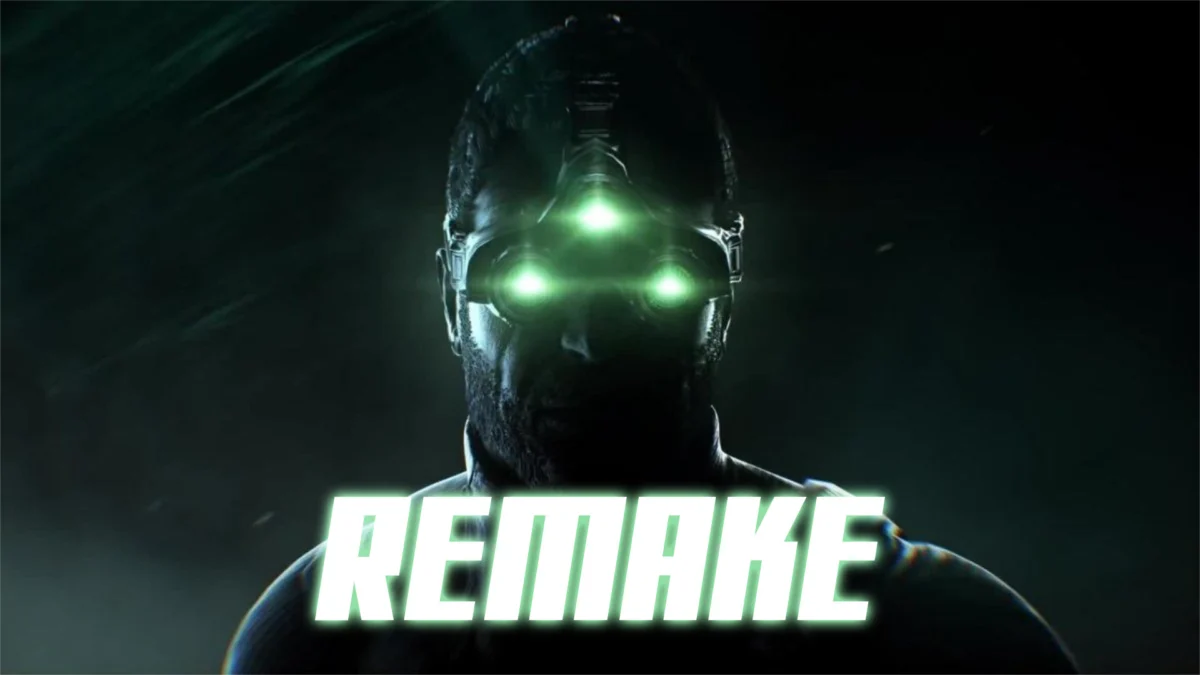
For nearly a decade, the silence surrounding Sam Fisher—the iconic, shadow-dwelling protagonist of Ubisoft’s legendary Splinter Cell franchise—was deafening. Once the undisputed king of the stealth-action genre, Fisher had been relegated to cameo appearances in other titles, leaving fans desperate for a proper return to the high-stakes world of Third Echelon. That silence was finally shattered in 2021 when Ubisoft officially confirmed that a full-scale Splinter Cell Remake was in development. However, since that brief glimmer of hope, the project has been shrouded in a thick fog of corporate reticence.
Now, fresh leaks from industry insiders have finally begun to peel back the curtain, offering a glimpse into what Ubisoft Toronto is crafting behind closed doors. While the path to release has been anything but smooth, the latest intelligence suggests that the Splinter Cell project remains a significant focus for the publisher, even as it navigates a tumultuous internal landscape.
The Core Revelation: What We Know About the Remake
After years of speculation, the recent leaks provided by well-known Ubisoft tracker "RogueTX" via X (formerly Twitter) have sent ripples through the gaming community. For a project that has been starved of official updates, these early mechanical and technical details are vital.
According to the leaked reports, the Splinter Cell Remake is not merely a graphical facelift. Instead, the developers are focusing on modernizing the core tenets that defined the original 2002 light and shadow mechanics, non-lethal stealth approaches, and the tactical "gadgetry" that made Sam Fisher a household name. Reports suggest that the team is leveraging Ubisoft’s proprietary Snowdrop engine—the same technology powering Avatar: Frontiers of Pandora and the upcoming Star Wars Outlaws—to create a dynamic lighting system that is integral to the gameplay rather than just aesthetic.
Beyond the visuals, the leak points toward a refined AI system. The original game’s "detection" mechanics were revolutionary for their time, but today’s standards require more complex enemy behavioral loops. The remake is reportedly aiming for a "systemic" stealth experience where enemies react to environmental noise, patrol patterns, and even subtle changes in their surroundings, forcing players to adapt their tactics on the fly.
A Chronology of Development: From Announcement to Uncertainty
The road to the Splinter Cell Remake has been characterized by fits and starts, reflecting the broader challenges facing Ubisoft as a company.
- 2013-2020: The "Dark Ages": Following the release of Splinter Cell: Blacklist, the franchise entered a period of extended dormancy. Rumors of a new entry circulated annually, often gaining traction during E3 presentations, only to be met with official denials.
- December 2021: The Official Reveal: Ubisoft finally announced that a remake of the first game was in the works at Ubisoft Toronto. The company emphasized that they were rebuilding the game from the ground up to "ensure the spirit of the early games remains intact while updating the tech for modern audiences."
- 2022-2023: Leadership Turnover: The project faced significant hurdles, most notably the departure of two successive game directors. High-profile personnel changes at Ubisoft Toronto during this period sparked fears that the project was suffering from "development hell."
- Early 2024: Structural Reorganization: Reports of layoffs at Ubisoft Toronto added further fuel to the fire. With staff reductions impacting various departments across the studio, many analysts questioned whether the Splinter Cell project would remain a priority or if resources were being shifted toward more "live-service" oriented titles.
- July 2026 (Present): The Leak Era: With official communication remaining at an all-time low, industry insiders have stepped in to fill the void, suggesting that the game is still active, albeit likely in a state of extended iteration.
Supporting Data: Why the Remake Matters
To understand why the gaming public remains so invested in a remake of a 22-year-old title, one must look at the impact the original Splinter Cell had on the industry. When it launched in 2002, it was a technical marvel that pushed the Xbox hardware to its absolute limit. It wasn’t just a game; it was a demonstration of what lighting could do for interactive storytelling.
Current market data shows a resurgence in interest for "immersive sims" and stealth-focused gameplay. While the market has been dominated by massive open-world titles, there is a clear, vocal hunger for more linear, handcrafted experiences. Ubisoft’s decision to revisit Splinter Cell is likely a response to this shift in player sentiment. By utilizing the Snowdrop engine, Ubisoft is attempting to bridge the gap between legacy nostalgia and modern technical expectations, a strategy that has proven successful for other publishers (such as Capcom with the Resident Evil remakes).
Official Responses and Corporate Silence
Ubisoft has maintained a "no comment" stance regarding the recent leaks. This policy of silence is standard for the publisher, which often prefers to wait until a project reaches a state of "gold" or near-completion before mounting a major marketing campaign.
However, the silence is compounded by the studio’s recent financial reports. Ubisoft has been under pressure from shareholders to streamline its portfolio and focus on its "biggest" brands. While Splinter Cell is a beloved legacy franchise, it does not currently fit the mold of a "Games-as-a-Service" (GaaS) model, which historically makes it a harder sell for modern corporate stakeholders. This has led to speculation that the remake may eventually incorporate some form of long-term support or online connectivity, though this remains purely speculative.
Implications: Can the Remake Save the Series?
The implications of the Splinter Cell Remake extend far beyond the game itself. For Ubisoft, this is a "brand trust" exercise. After years of criticism regarding the homogenization of their open-world design, a successful, high-quality, and focused stealth experience could do wonders for the company’s reputation.
1. Reclaiming the Stealth Genre: If the remake succeeds, it could revitalize the stealth genre, which has seen very few high-budget entries in recent years.
2. Setting a New Standard: If the lighting and stealth mechanics are as revolutionary as the leaks suggest, it could set a new benchmark for how developers approach remakes of 2000s-era classics.
3. The Risk of Failure: Conversely, if the game suffers from the "identity crisis" that has plagued some of Ubisoft’s recent releases, it could permanently shelf the franchise. The pressure on the development team at Ubisoft Toronto is immense; they are tasked not just with updating code, but with capturing the "soul" of a game that defined an entire generation of console gaming.
Conclusion: A Tense Wait
As we move further into the latter half of the decade, the gaming world remains divided. Some are cynical, viewing the project as a victim of internal mismanagement and corporate apathy. Others remain cautiously optimistic, clinging to the hope that when Sam Fisher finally steps back into the light—or rather, the shadows—it will be a return to form that justifies the decade-long wait.
For now, we wait for an official word from Ubisoft. Will the Splinter Cell Remake be the definitive stealth experience of the modern era, or will it remain a ghost in the machine? Only time, and perhaps the next round of leaks, will tell.
Are you hopeful for the return of Sam Fisher? Which moment from the original Splinter Cell left the biggest impression on you? Share your thoughts and your favorite memories of the series in the comments section below.











