

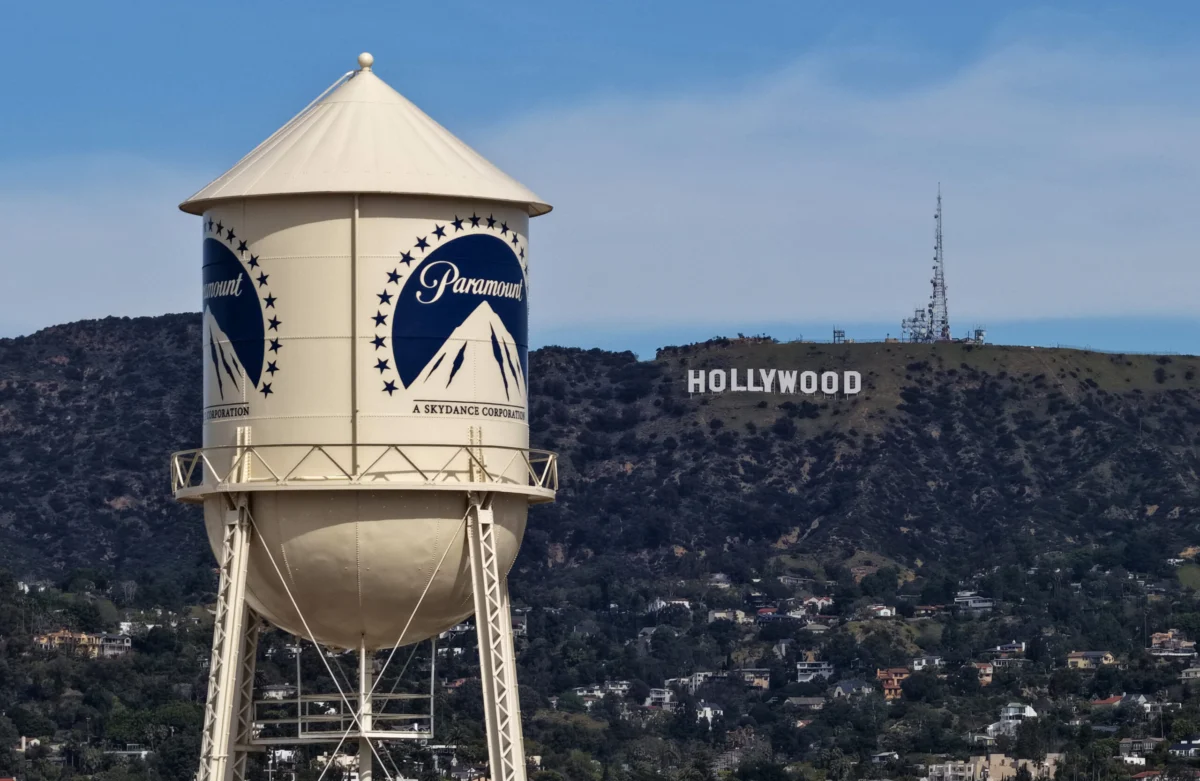
The proposed multi-billion-dollar acquisition of Warner Bros. Discovery (WBD) by Paramount has hit a significant legal roadblock in the Pacific Northwest. Oregon Attorney General Dan Rayfield has formally petitioned a Multnomah County Circuit Court judge to impose a 60-day stay on the transaction’s closing. The move, which aims to force the disclosure of sensitive internal documents, signals a intensifying conflict between state-level antitrust regulators and the media conglomerates attempting to consolidate the entertainment landscape.
As the merger faces a complex web of international regulatory hurdles, the domestic pushback—led by Oregon and joined by concerns from California Attorney General Rob Bonta—raises critical questions regarding corporate lobbying, government transparency, and the integrity of the U.S. Department of Justice’s (DOJ) antitrust review process.
The Core Conflict: Transparency vs. Corporate Strategy
At the heart of the dispute is a document request filed by the Oregon Department of Justice targeting what internal company communications have labeled “Project Warrior.” According to court filings, AG Rayfield is seeking exhaustive records concerning Paramount’s lobbying efforts directed at federal officials and, more provocatively, the company’s potential role in drafting or editing the DOJ’s official statement regarding the merger.
The DOJ’s public stance on the transaction was notably unusual. Typically, the Department’s Antitrust Division issues formal statements only when challenging or suing to block a merger. In this instance, the DOJ released a statement effectively endorsing or explaining its decision not to intervene, a move that has drawn sharp criticism from state regulators who suspect the language may have been heavily influenced—or even ghostwritten—by the parties involved in the merger itself.
“Oregonians have a real stake in this deal—in our film industry, in our economy, in the choices they’ll have as consumers,” Rayfield said in a public statement. “Paramount had every opportunity to hand over records and answer a few basic questions. Instead, it is trying to run out the clock and evade scrutiny. We’re asking the court to make sure Oregonians get the answers they’re owed before this deal closes, not after.”
Chronology of a High-Stakes Merger
The trajectory of the Paramount-WBD deal has been marked by a series of accelerating regulatory developments:
- Initial Filing and DOJ Review: Paramount and Warner Bros. Discovery announced their intent to merge, triggering a standard review process by the U.S. Department of Justice.
- The "Greenlight" Month: Last month, the DOJ’s Antitrust Division formally cleared the transaction, issuing a supportive statement that has since become the focal point of state-level investigations.
- The European Pivot: With domestic hurdles seemingly cleared, Paramount shifted focus to European regulators. The company has publicly stated it will not finalize the acquisition before July 22, the scheduled date for a definitive decision by the European Union.
- The UK Intervention: In the United Kingdom, Culture Secretary Lisa Nandy has expressed a "minded to intervene" stance, citing potential public interest concerns, though no formal blockade has been initiated.
- The Oregon Escalation: Parallel to international reviews, Oregon’s AG initiated a state-level probe. Following Paramount’s refusal to comply with document subpoenas regarding “Project Warrior,” the state filed for a 60-day injunction in Multnomah County.
- The Upcoming Hearing: A critical hearing is set for this coming Monday in Multnomah County Circuit Court, where a judge will decide whether to grant the stay and compel the production of the requested documents.
The "Project Warrior" Controversy and the DOJ Statement
The term “Project Warrior” has become a lightning rod for state investigators. While the company characterizes the initiative as a standard regulatory strategy, Attorney General Rayfield argues that the depth of the lobbying campaign suggests an attempt to bypass traditional antitrust safeguards.
Of particular concern is the allegation that Paramount may have had a hand in composing the DOJ’s favorable statement. The Oregon AG’s motion suggests that if the merger’s approval were the product of a "corrupt bargain" or improper influence over federal regulators, it would fundamentally alter the state’s interpretation of all other materials submitted by the companies.
“If an approval were the product of a corrupt bargain, that too would inform the state’s interpretation of its own investigative materials,” the AG’s office wrote in its filing. The request for documents is not merely about procedural compliance; it is an investigation into whether the regulatory process itself was compromised.
Paramount’s Defense: Privilege and Proportionality
In response to the legal assault, Paramount has mounted a vigorous defense, filing motions to quash the subpoenas. The company’s legal team argues that the Oregon AG’s demands are a classic case of judicial overreach.
In its formal objection, Paramount articulated three primary defenses:
- Disproportionality: The company claims the scope of the discovery request is “burdensome” and “disproportionate” to the actual issues at hand, arguing that the time and expense required to produce these records far outweigh any potential investigative value.
- Relevance: Paramount asserts that lobbying communications are legally irrelevant to the specific question of whether the acquisition violates Oregon’s state antitrust laws. "Lobbying activities and related communications are wholly irrelevant to whether the proposed acquisition violates Oregon’s antitrust laws," the company stated.
- Constitutional Privilege: The company has invoked attorney-client privilege and First Amendment protections, specifically freedom of association, arguing that the state’s demand for lobbying documents infringes upon the company’s right to petition the government.
Implications: A Multi-State Legal Front
The involvement of Oregon is not an isolated incident. Reports indicate that California Attorney General Rob Bonta, along with a coalition of other state attorneys general, is currently evaluating the possibility of a coordinated legal challenge.
The implications of such a challenge are significant. If multiple states unite to challenge a merger that the federal government has already cleared, it creates a "fractured regulatory landscape." This could set a legal precedent where federal antitrust clearance no longer serves as a "safe harbor" for massive corporate mergers.
Furthermore, the economic impact on the film and television industry is at the center of the dispute. Regulators are concerned about the concentration of market power, which could lead to reduced competition in content distribution, lower wages for creative talent, and fewer choices for consumers in an already saturated streaming market.
The Road Ahead: What to Watch on Monday
The hearing in Multnomah County on Monday serves as a litmus test for the authority of state-level regulators in an era of massive media consolidation.
- If the judge grants the 60-day stay: Paramount will be forced to pause its global closing schedule, potentially endangering the current terms of the agreement and forcing a renegotiation or a complete collapse of the deal. It would also likely trigger a "discovery phase" where internal lobbying emails and drafts of the DOJ statement are made public.
- If the judge denies the stay: Paramount will likely proceed with its European regulatory path, effectively neutralizing the Oregon investigation and signaling that state-level challenges carry little weight against federally approved deals.
As the industry watches, the "Project Warrior" saga highlights a growing divide between corporate entities seeking rapid consolidation and state officials increasingly willing to use the courtroom to challenge the mechanisms of federal regulatory approval. Whether this is a legitimate exercise of state sovereignty or an attempt to stall a deal through bureaucratic friction remains to be seen, but the outcome will undoubtedly resonate through the corridors of power in Washington, London, and beyond.










