In the sprawling landscape of DC Comics, few characters possess the tactical brilliance and narrative resilience of Barbara Gordon. Whether as Batgirl or Oracle, she is traditionally a figure defined by momentum, intelligence, and the ability to outmaneuver her enemies. However, in the latest installment of the current limited series, Barbara Gordon: Breakout #3, that momentum has hit a significant wall.
While the issue succeeds as a visual showcase, it falters under the weight of a disjointed narrative that struggles to justify its own pacing. As the mid-point of the series approaches, readers are left questioning whether the story is building toward a grand reveal or simply spinning its wheels in the dark, damp halls of Supermax prison.
Main Facts: A Tale of Two Stories
Barbara Gordon: Breakout #3 attempts to juggle two distinct narrative threads, yet it fails to weave them into a cohesive tapestry. The first thread focuses on the immediate present: Barbara is incarcerated in the brutal Supermax facility, suffering from a severe head injury and surrounded by inmates who actively seek her demise. The secondary thread is a flashback sequence detailing a case from years past—a mission that reportedly set Barbara on a collision course with the Joker.
The central failure of this issue lies in the lack of synthesis between these two timelines. Readers naturally expect the historical case to provide context, clues, or a thematic bridge to the present-day mystery of who assaulted Barbara and why she is currently imprisoned. Instead, the two threads feel like excerpts from entirely different books. The past sequence acts as a narrative red herring, failing to offer the payoff required to justify its inclusion. As a result, the issue feels fragmented, leaving the reader with the impression that the writer, Mariko Tamaki, is intentionally withholding information to the detriment of the story’s pacing.

Chronology: The Stagnation of the Present
To understand why this issue feels like it is "treading water," one must look at the progression—or lack thereof—in the present-day plot. The premise is established early: Barbara is vulnerable, injured, and being manipulated by a fellow inmate, Sparrow.
The suspicion that Sparrow is drugging Barbara with hallucinogens, rather than providing medical relief, has been a central point of tension for three issues. However, Breakout #3 spends the majority of its page count rehashing this exact dynamic. Rather than escalating the stakes or providing a breakthrough in the mystery, the issue circles back to the same revelations regarding Barbara’s deteriorating mental state.
The "mystery" of the assailant is barely advanced, with the final pages only confirming the presence of a shadowy antagonist who has been watching Barbara all along—a fact that was already heavily implied in previous chapters. By the time the final page is turned, the narrative has moved inches when readers were expecting miles.
Supporting Data: Visual Excellence vs. Narrative Dissonance
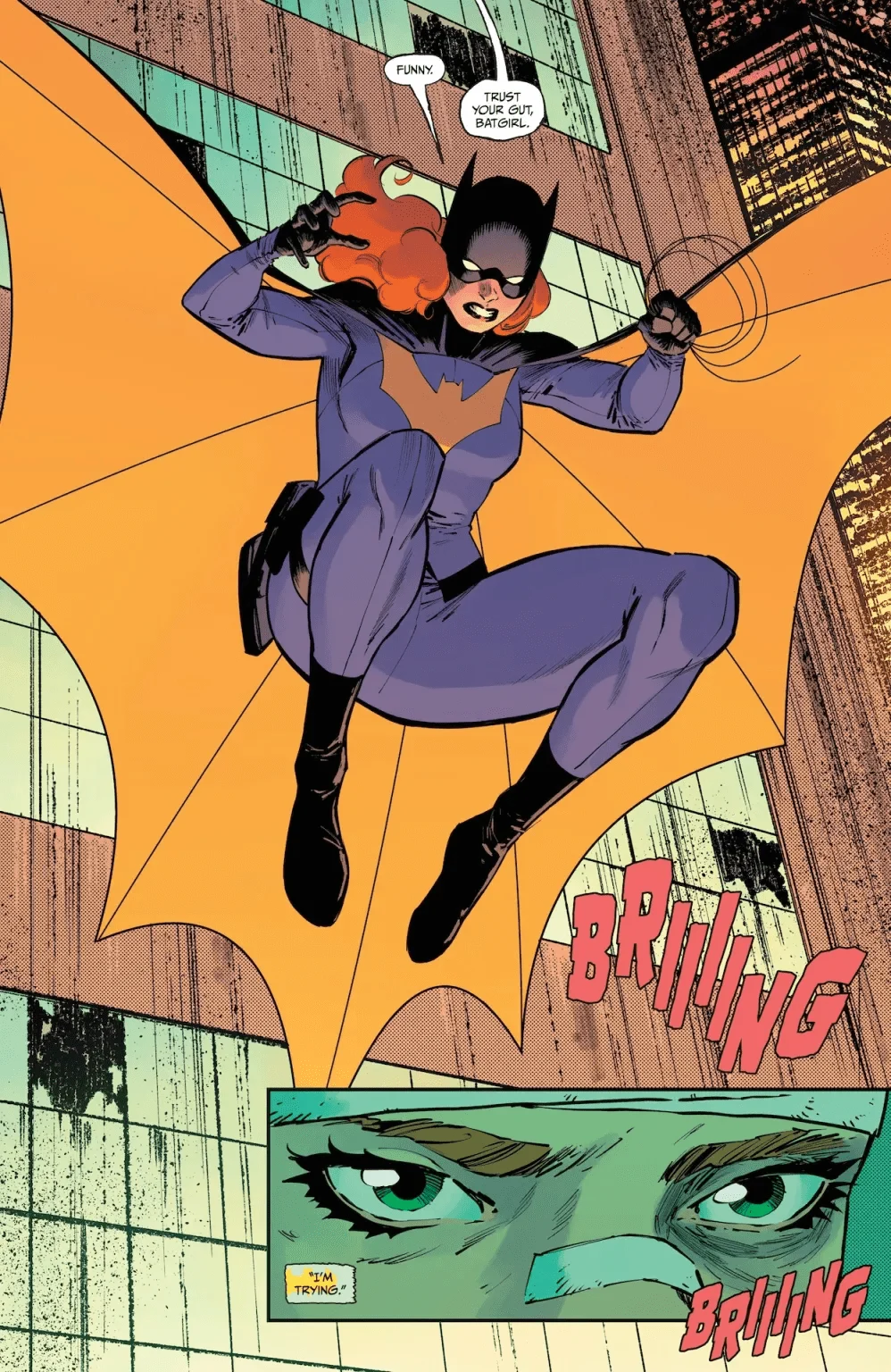
While the script may be faltering, the visual department is performing at an elite level. Artist Amacay Nahuelpan delivers some of the most striking panels in the current DC catalog. His ability to render the high-octane action of the flashback sequences provides a stark, necessary contrast to the claustrophobic tension of the Supermax scenes.
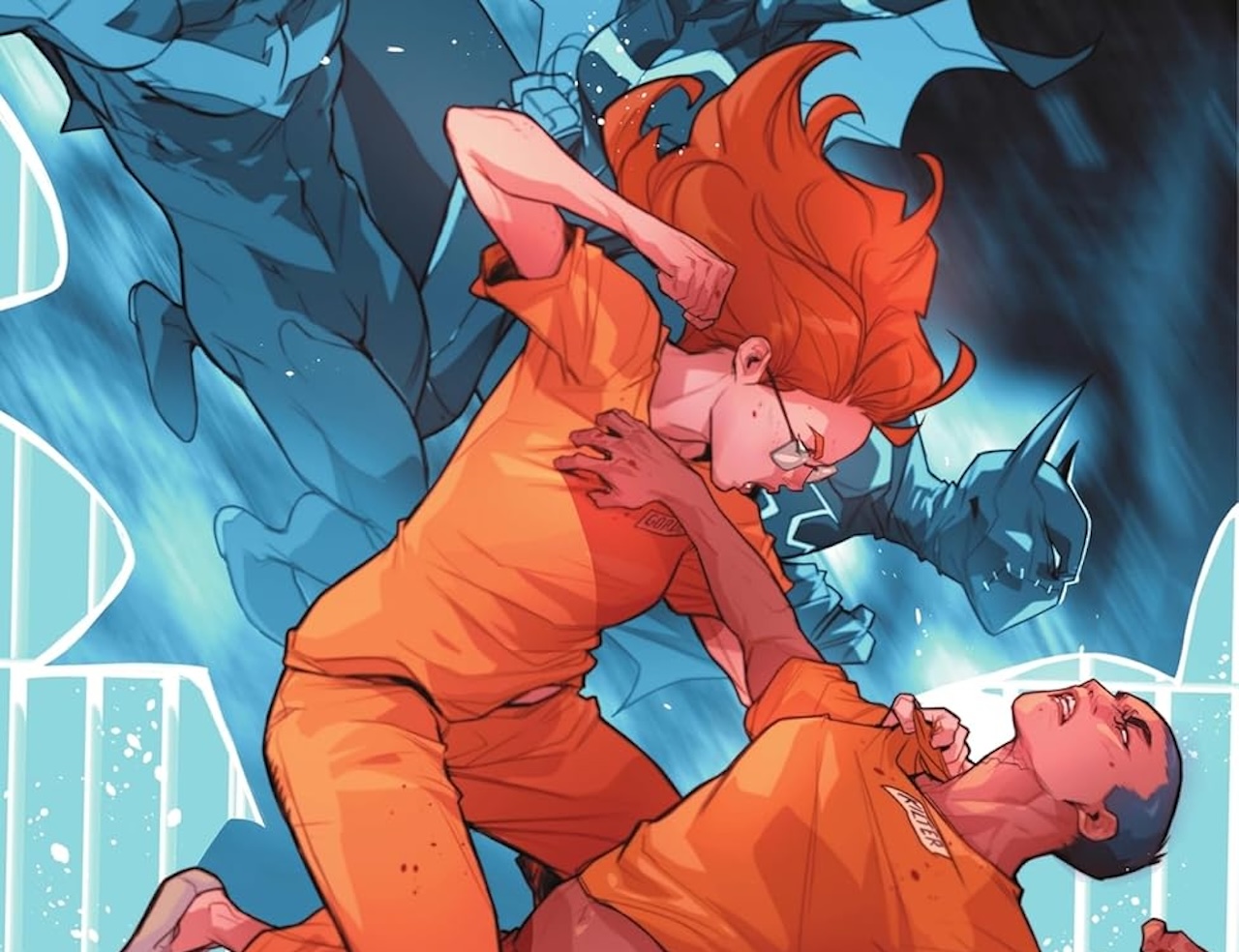
The Artistry of Nahuelpan and Bonvillain
The flashback sequences are a masterclass in comic book composition, featuring appearances by fan-favorite characters like Cassandra Cain and Huntress. The dynamic between Barbara and the Huntress, in particular, is a highlight, serving as a reminder of the depth of the Bat-family’s history.
The color palette, provided by Tamra Bonvillain, is equally vital. In the prison sequences, Bonvillain utilizes a cold, sterile, and often harsh lighting scheme. When Barbara is pushed into the electric fence, the use of searing, bluish-white energy serves as an effective, visceral reminder of the lethal stakes within the prison walls. Furthermore, the depiction of the "Grim Reaper-esque" hallucination figure is terrifyingly rendered. The deep, abyssal purples and blacks used for the figure’s robes create a sense of genuine dread that, ironically, is the most compelling part of the book.
The Continuity Conflict
However, even the art encounters a stumble in terms of visual continuity. In the flashback segments, which are explicitly stated to take place "years ago," Barbara is depicted wearing her modern Batgirl suit. This choice is jarring for long-term readers and adds to the feeling of disarray. Whether this is an intentional stylistic choice or a continuity error, it contributes to the overall sense that the series is lacking a firm grip on its own timeline.
Official Responses and Creative Context
While DC Comics has not released a formal statement regarding the pacing of Barbara Gordon: Breakout, the editorial intent behind limited series often relies on "slow-burn" mystery structures. In the current market, where the trade-paperback reading experience is prioritized, single issues are often criticized for failing to provide a standalone "micro-climax."

Mariko Tamaki’s work on characters like Batgirl is usually marked by a strong sense of character voice and emotional depth. It is possible that the current stagnation is a deliberate attempt to mirror Barbara’s own fractured mental state—the confusion, the hallucinations, and the inability to trust her own perceptions. However, even if the frustration is intentional, it remains a dangerous game to play with a monthly release schedule, as it risks alienating the reader before the story reaches its inevitable climax.
Implications: A Prison of Its Own Making
The primary implication of Barbara Gordon: Breakout #3 is a loss of narrative momentum. In the world of serialized superhero fiction, the "middle chapter" is often the most difficult to write. It must maintain interest without giving away the ending, while simultaneously pushing the plot into new territory.
By failing to provide significant plot progression, the series now faces a "make or break" scenario with its fourth issue. If the next installment continues to dwell on the same internal struggles and stagnant mysteries, the series risks being viewed as a wasted opportunity.
The potential for a great story is clearly present. The characterization of Barbara remains strong, and the inclusion of the Bat-family in the flashbacks proves that the creative team understands the legacy of the character. However, these elements cannot sustain a story indefinitely if the plot refuses to move.

Future Outlook
For the series to recover, it must pivot sharply toward action and revelation in the next issue. The "shadowy figure" needs to stop being a vague, looming threat and start becoming a tangible antagonist. The relationship between Barbara and the prison inmates needs to evolve from passive suffering to active resistance.
In conclusion, Barbara Gordon: Breakout #3 serves as a cautionary tale of style over substance. It is a visually arresting book that demonstrates the immense talent of its art team, but it is ultimately weighed down by a script that refuses to break free from its own constraints. Like its protagonist, the comic is trapped—not just within the walls of Supermax, but within a narrative cycle that desperately needs to be broken. Readers will return for the fourth issue, but their patience is undoubtedly being tested. Whether the creative team can deliver the necessary breakout remains to be seen.