
 Laily UPN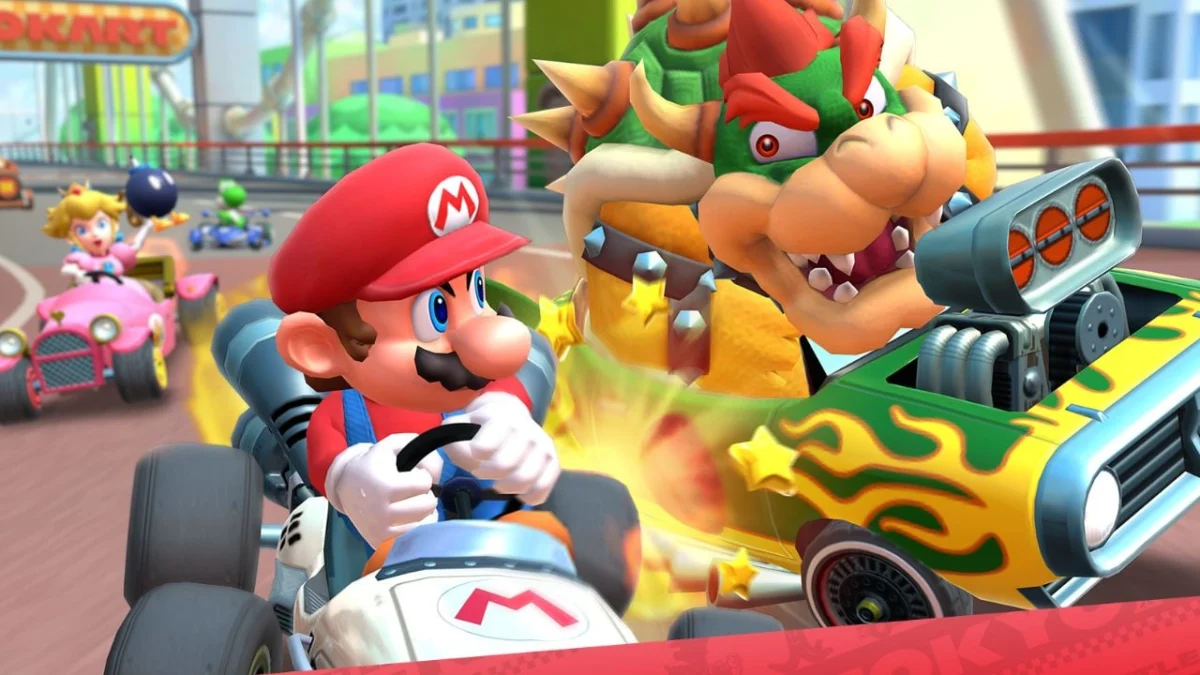
In a move that has sent ripples of disappointment through the mobile gaming community, Nintendo has officially confirmed that its long-running mobile title, Mario Kart Tour, will cease operations later this year. The announcement marks the definitive end of the road for a game that served as a cornerstone of Nintendo’s mobile strategy since its ambitious launch in 2019. On September 30th, the servers will go dark, rendering the title inaccessible to the millions of players who have spent the last five years collecting karts, gliders, and drivers.
This closure serves as yet another stark reminder of the inherent volatility of the live-service model, where the longevity of a digital product is entirely dependent on the continued support of its publisher. As the digital library of Mario Kart Tour prepares to vanish, the community is left to grapple with the loss of years of progression and the industry’s failure to preserve these titles beyond their shelf life.
A Legacy of Mobile Innovation
Released in September 2019, Mario Kart Tour was Nintendo’s high-stakes entry into the mobile racing market. Following the massive success of Mario Kart 8 Deluxe on the Nintendo Switch, the mobile adaptation aimed to translate the chaotic, high-octane fun of the franchise into a bite-sized format. By utilizing intuitive touch controls—specifically designed for vertical screen orientation—the game invited players to compete on tracks inspired by real-world locations like New York, Tokyo, and Paris, alongside reimagined classic circuits from the series’ storied history.
Over its five-year lifespan, the game evolved from a simple racer into a complex live-service ecosystem. It introduced a rotating schedule of "Tours," a robust Gacha-style mechanic for unlocking content, and a recurring "Gold Pass" subscription service. For many, the game was a daily ritual, providing a consistent stream of new challenges and seasonal aesthetics that kept the Mario Kart brand relevant in the pocket of every commuter and casual gamer.
Chronology of the Shutdown
The writing had been on the wall for some time, as Nintendo had already shifted its development focus away from major content updates for the title. However, the finality of the shutdown was confirmed on July 8, 2026, via the official Mario Kart Tour X (formerly Twitter) account.
- July 7, 2026: Nintendo ceased the sale of Rubies, the game’s primary premium currency, effectively beginning the sunset phase of the game’s monetization.
- July 8, 2026: Official public announcement via social media, providing a clear end date for services.
- September 29, 2026 (11:00 p.m. PT): The scheduled cutoff for all online connectivity and gameplay, marking the end of the game’s functional life.
- September 30, 2026 (8:00 a.m. CEST): The final global sunset, as servers are officially decommissioned.
This timeline leaves players with a limited window to spend their remaining in-game currency. According to Nintendo’s official FAQ, while Ruby sales have halted, existing balances remain valid in the Spotlight Shop, Mii Racing Suit Shop, and Coin Rush mode until the final shutdown moment. The transition for Gold Pass subscribers is significantly more complex, with Nintendo directing users to specific support pages to manage the cancellation of recurring billing cycles.
Official Responses and Administrative Procedures
Nintendo has remained characteristically brief regarding the shutdown, framing the decision as a standard conclusion to the game’s lifecycle. The official statement posted to social media was polite but firm: "Thank you for your support throughout the years. For info on how rubies and the Mario Kart Tour Gold Pass will be handled moving forward, see in-game notifications or FAQ below."
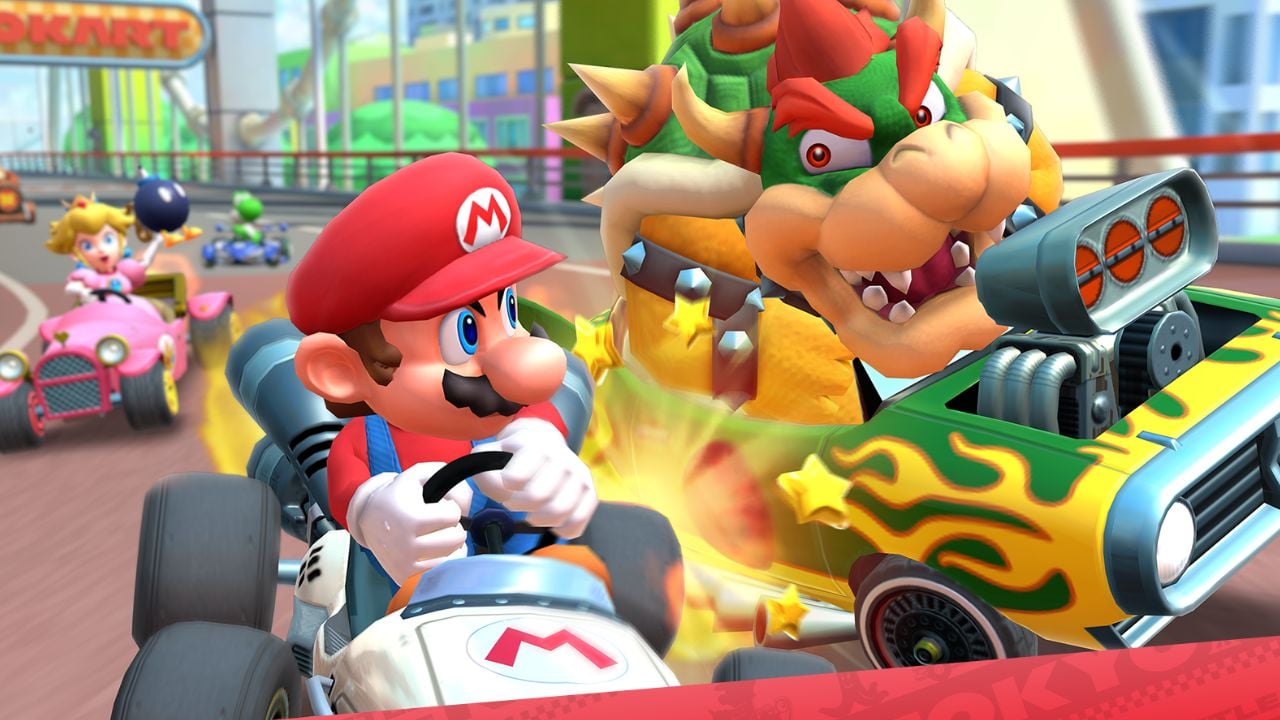
By redirecting users to the official Nintendo support portal, the company is attempting to mitigate the potential backlash regarding paid digital assets. However, the FAQ pages reveal a reality that many players find frustrating: there is no path forward for transferring progress, no local offline mode, and no compensation for unspent premium currency beyond their utility in the shop before the shutdown date. The loss of digital goods, which players have collectively invested thousands of dollars into over half a decade, remains a point of intense contention.
The "Pocket Camp" Disparity: A Demand for Preservation
The loudest criticism emerging from the fan base is not necessarily about the closure itself, but about the manner in which it is being handled. Players have drawn direct comparisons to the recent transition of Animal Crossing: Pocket Camp. In that instance, Nintendo opted to release a "Complete" version of the game—an offline, one-time purchase application that allowed users to retain their data and continue playing without the need for a persistent server connection.
Fans are now calling for a similar treatment for Mario Kart Tour. The argument is logical and sentiment-driven: Mario Kart Tour contains a vast library of assets, tracks, and character models that represent a significant investment of artistic and technical labor. By simply pulling the plug, Nintendo is effectively deleting this history.
One vocal community member remarked on social media: "Please make an offline edition like you did with Animal Crossing: Pocket Camp. You can even charge money for that. Just give us a way to still play all the tracks. The game has so much content; it’s very sad that everything will be gone."
This sentiment is echoed by others who question the technical necessity of the shutdown. Critics argue that removing the server-side requirements—such as rotating live events and online multiplayer—and replacing them with an automated loop of events would be a relatively low-effort way to preserve the game for posterity. The refusal to implement such a "legacy mode" is seen by many as a missed opportunity to respect the consumer’s investment and the game’s own heritage.
The Broader Implications for Live-Service Gaming
The closure of Mario Kart Tour is a microcosm of a much larger crisis within the video game industry. We are currently living in an era where "owning" a game is increasingly becoming a temporary privilege rather than a permanent right. As more developers and publishers pivot toward Games-as-a-Service (GaaS) models, the risk of "digital extinction" increases.
1. The Erosion of Digital Ownership
When a game like Mario Kart Tour shuts down, it disappears entirely. Unlike physical media, which can be played for decades, live-service titles are tethered to the publisher’s infrastructure. Once the revenue potential dips below the cost of server maintenance, the game is terminated, and the consumer is left with nothing.
2. The Preservation Problem
Gaming historians and archivists have long warned that the industry is creating a "dark age" of media. If companies like Nintendo, which has a reputation for valuing its IP, are unwilling to preserve their mobile titles, it sets a worrying precedent. Without official offline versions, these games will only exist in the future through illegal emulation or fragmented, incomplete fan-made projects, stripped of their original multiplayer components.
3. Consumer Trust and Monetization
The aggressive monetization of mobile games—specifically the use of Gacha mechanics and subscription passes—creates a bond of trust between the developer and the player. When that game is shuttered, that trust is broken. Players are less likely to invest in future mobile titles if they feel their time and money are subject to the whims of a corporate bottom line.
Conclusion: A Call for Industry Standards
As September 30th approaches, the community will undoubtedly engage in a final wave of play, capturing screenshots and sharing memories of their favorite races. However, the sadness surrounding the end of Mario Kart Tour should serve as a catalyst for a broader industry conversation.
Is it acceptable for major publishers to effectively "erase" games that have been supported by millions of players? The success of the Animal Crossing: Pocket Camp transition proves that there is a viable, profitable path toward game preservation. If Nintendo can do it for one title, it sets a standard for others.
For now, Mario Kart Tour stands as a reminder of the fleeting nature of the modern digital landscape. While the karts will stop spinning and the servers will fall silent, the debate over how we preserve the culture of gaming in the 21st century is only just beginning. As the industry moves forward, players will continue to demand that when the final lap is run, the game shouldn’t have to die with it.

 Sagoh
Sagoh
 Ammar Sabilarrohman





