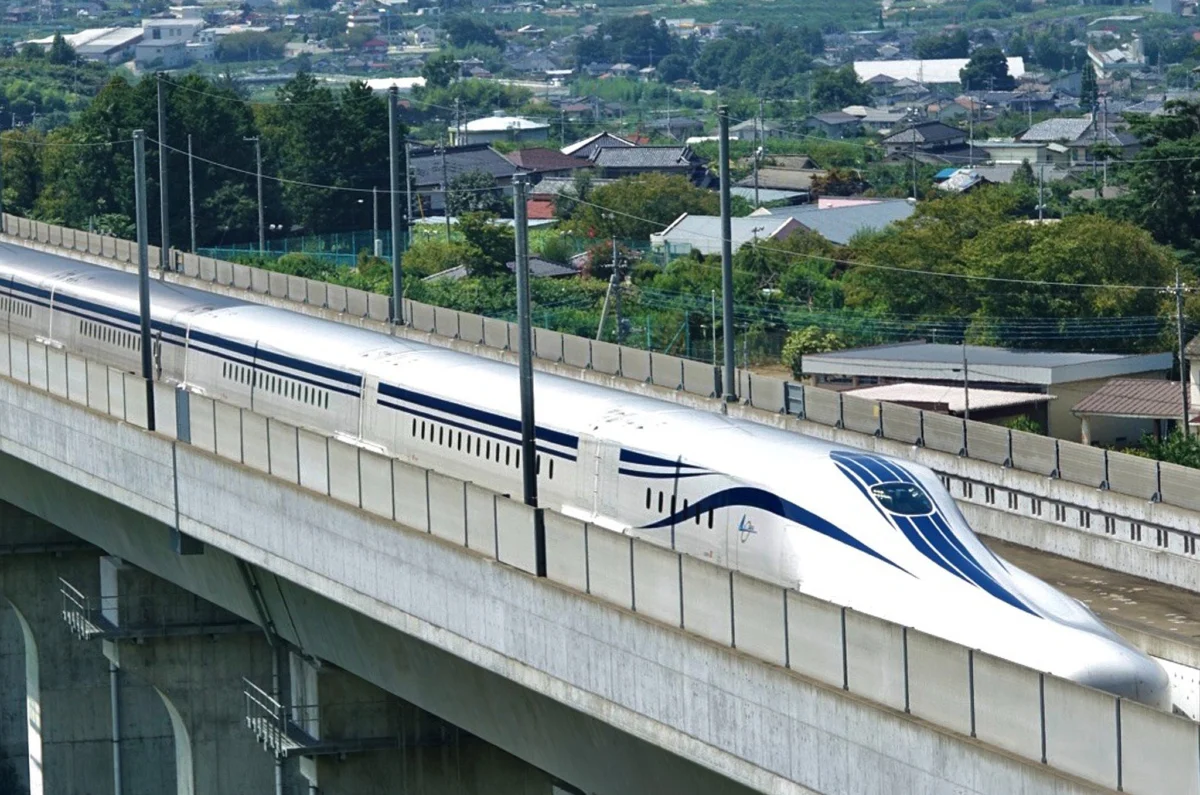
After nearly a decade of political deadlock and environmental scrutiny, Japan’s most ambitious infrastructure project of the 21st century has finally cleared its most significant hurdle. On Tuesday, Shizuoka Governor Yasutomo Suzuki officially granted approval for the construction of the Linear Chuo Shinkansen maglev line through his prefecture, signaling a turning point for a project that promises to revolutionize travel between Japan’s economic hubs.
The decision marks the end of a protracted standoff that had stalled the Central Japan Railway Company’s (JR Central) plans to link Tokyo and Nagoya via magnetic levitation technology. By authorizing the 8.9-kilometer tunneling project beneath the Southern Alps, Governor Suzuki has cleared the path for the realization of a transit vision that could redefine the geography of Japan’s megalopolis.
Main Facts: The Green Light for Innovation
The approval comes following a comprehensive review process. For years, the project remained in a state of suspended animation due to concerns voiced by the Shizuoka prefectural government regarding the potential impact of tunneling on the Oi River’s water resources.
The breakthrough arrived after an expert panel, convened to assess the environmental repercussions, confirmed that JR Central had addressed all 28 specific protection measures mandated by the prefecture. With these technical benchmarks met, the administrative responsibility shifted to Governor Suzuki. Addressing the prefectural assembly on Tuesday, Suzuki emphasized a balanced approach: "We will continue to ask JR Tokai to provide us with accurate information and detailed explanations in order to achieve both the construction of the Chuo Shinkansen line and the conservation of the natural environment, including the Oi River’s water resources."
While the approval is a monumental victory for JR Central, it does not mean construction will conclude immediately. The engineering challenges involved in tunneling through the geologically complex Southern Alps remain formidable, with experts estimating that the Shizuoka stretch alone will require at least a decade of intensive labor once work commences later this year.
Chronology: A Decade of Friction and Change
The timeline of the Chuo Shinkansen is a study in the intersection of cutting-edge technology and local governance.
- 2014: JR Central receives approval to begin construction on the Chuo Shinkansen line, with the original goal of opening the Tokyo-Nagoya leg by 2027.
- 2015–2023: The project enters a period of stagnation. Then-Governor Heita Kawakatsu becomes the primary obstacle, arguing that tunneling would cause groundwater to leak out of the mountain, thereby reducing the flow of the Oi River and damaging the local agricultural sector.
- April 2024: Governor Kawakatsu resigns following a scandal involving derogatory remarks directed at new employees, specifically insulting the intelligence of those in agricultural and industrial roles.
- May 2024: Yasutomo Suzuki is elected as the new Governor of Shizuoka. His campaign platform explicitly supports the maglev project, contingent upon environmental safeguards.
- July 2024: The expert panel officially clears the final environmental conditions, paving the way for the governor’s formal approval.
The transition from the adversarial tenure of Kawakatsu to the pragmatic approach of Suzuki proved to be the decisive factor in breaking the stalemate. Where Kawakatsu viewed the project through a lens of existential environmental risk, Suzuki has framed it as a challenge of engineering management—one that can be navigated with sufficient transparency and oversight.
Supporting Data: Why the Maglev Matters
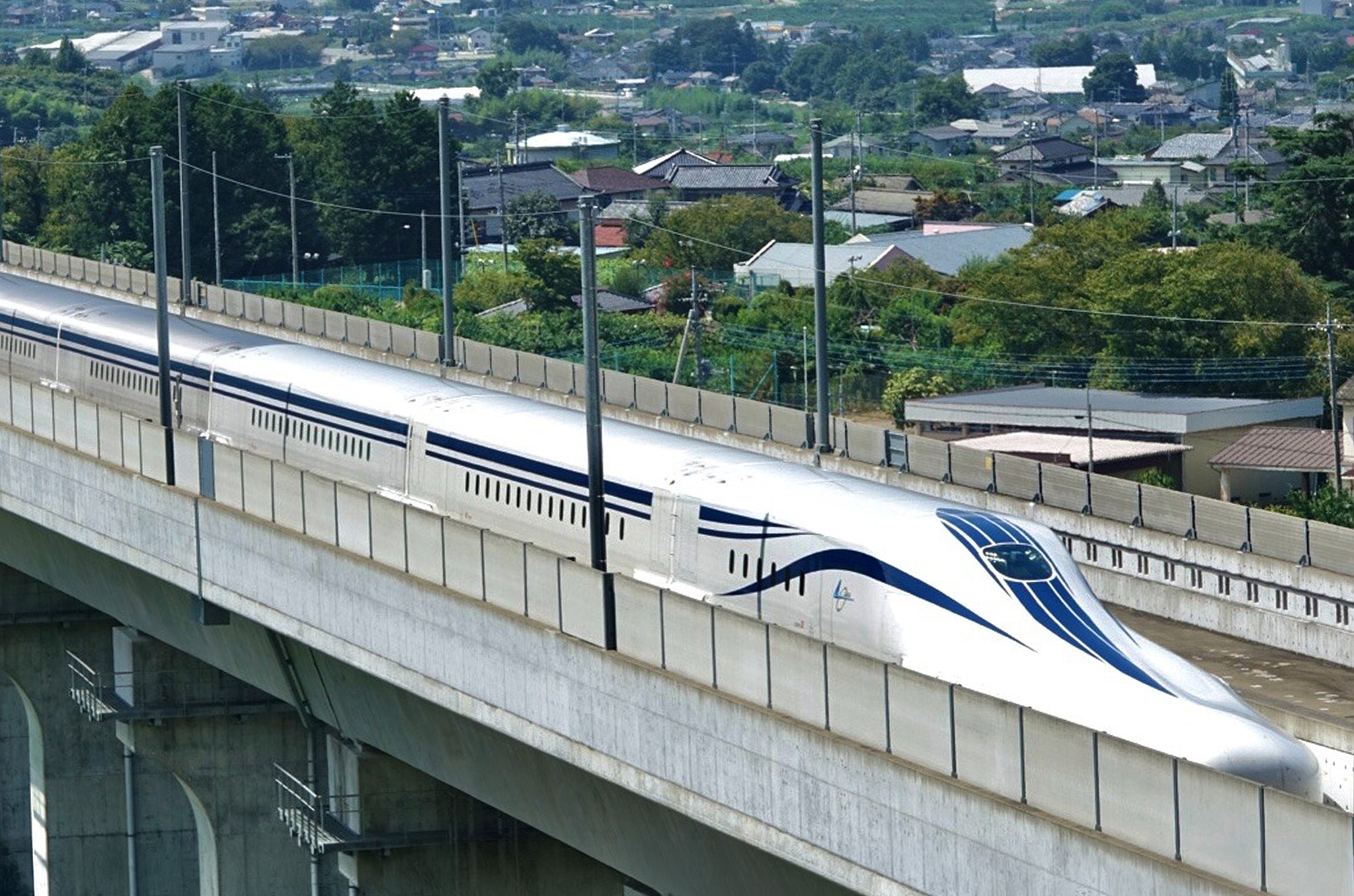
The economic implications of the Chuo Shinkansen are staggering. Currently, the Tokaido Shinkansen—the backbone of Japan’s transit network—is reaching its capacity limits. The maglev project is designed to provide a high-speed alternative that operates at speeds of up to 500 kilometers per hour.
Projected Travel Times
- Tokyo to Nagoya: 40 minutes (reduced from the current 90+ minutes via the Tokaido Shinkansen).
- Tokyo to Osaka: 67 minutes (once the line is extended, down from over 2 hours).
The project is more than just a speed upgrade; it is an economic insurance policy. Japan’s government has long emphasized the need for a "dual network" to ensure economic resilience. In the event of a major disaster affecting the Tokaido corridor—which is highly susceptible to seismic activity—the Chuo Shinkansen would serve as a vital lifeline, maintaining connectivity between the capital and the industrial powerhouses of the Chubu and Kansai regions.
Official Responses: Navigating the Balance
The sentiment among stakeholders is one of cautious optimism. JR Central, which has seen its original 2027 completion target slip away, has signaled its commitment to working closely with the Shizuoka government.
For the residents of Shizuoka, the project has been a source of anxiety, particularly for those whose livelihoods depend on the Oi River. Governor Suzuki’s office has promised a "watchdog" approach. By insisting on rigorous data sharing and regular briefings, the prefecture aims to ensure that if water levels drop, construction can be paused or modified immediately.
National government officials in Tokyo have largely welcomed the news, viewing the Shizuoka approval as the "final barrier" falling. The Ministry of Land, Infrastructure, Transport and Tourism has signaled that it will provide support to ensure that the project adheres to the highest safety standards, acknowledging that the eyes of the global engineering community are fixed on Japan’s ability to execute this high-stakes project.
Implications: The Future of Japan’s Infrastructure
The approval of the Shizuoka stretch is not merely a local victory; it is a signal that Japan remains committed to "Big Science" and large-scale infrastructure investment, even in an era of demographic decline.
1. Regional Integration
By effectively merging the Tokyo, Nagoya, and Osaka metropolitan areas into a single "super-region" with commute times under an hour, the Chuo Shinkansen could trigger a massive shift in corporate headquarters and residential patterns. This could alleviate the hyper-concentration of population in Tokyo, offering a new model for living and working across a broader geographic span.
2. Global Technological Leadership
The maglev technology being deployed is a testament to Japanese engineering. Successfully navigating the mountainous terrain and environmental complexities of the Southern Alps will provide JR Central with a wealth of intellectual property and technical experience that could be exported to other nations looking to build similar high-speed, long-distance maglev networks.
3. The Cost of Delay
The nine-year delay has come at a significant financial cost. Inflationary pressures on materials and labor, combined with the rising cost of the project itself, mean that the final bill will be substantially higher than the initial projections from 2014. Critics argue that the political impasse highlights the need for a more robust framework for resolving conflicts between national strategic interests and local environmental concerns.
Conclusion: A Long Road Ahead
While the approval granted by Governor Suzuki is a moment of celebration for those who have advocated for the project’s completion, the work is far from over. The coming decade will be characterized by meticulous construction, rigorous environmental monitoring, and the ongoing task of maintaining public trust in Shizuoka.
The Chuo Shinkansen is more than a train; it is a physical manifestation of Japan’s future aspirations. As the drills prepare to turn beneath the Southern Alps, the project moves from the realm of political debate into the reality of the construction site. For a nation that built the world’s first high-speed rail network in 1964, the Chuo Shinkansen represents the next great leap—a project that, once finished, will once again place Japan at the forefront of global mobility. The deadlock is broken; the future, however, remains to be built.