Muslim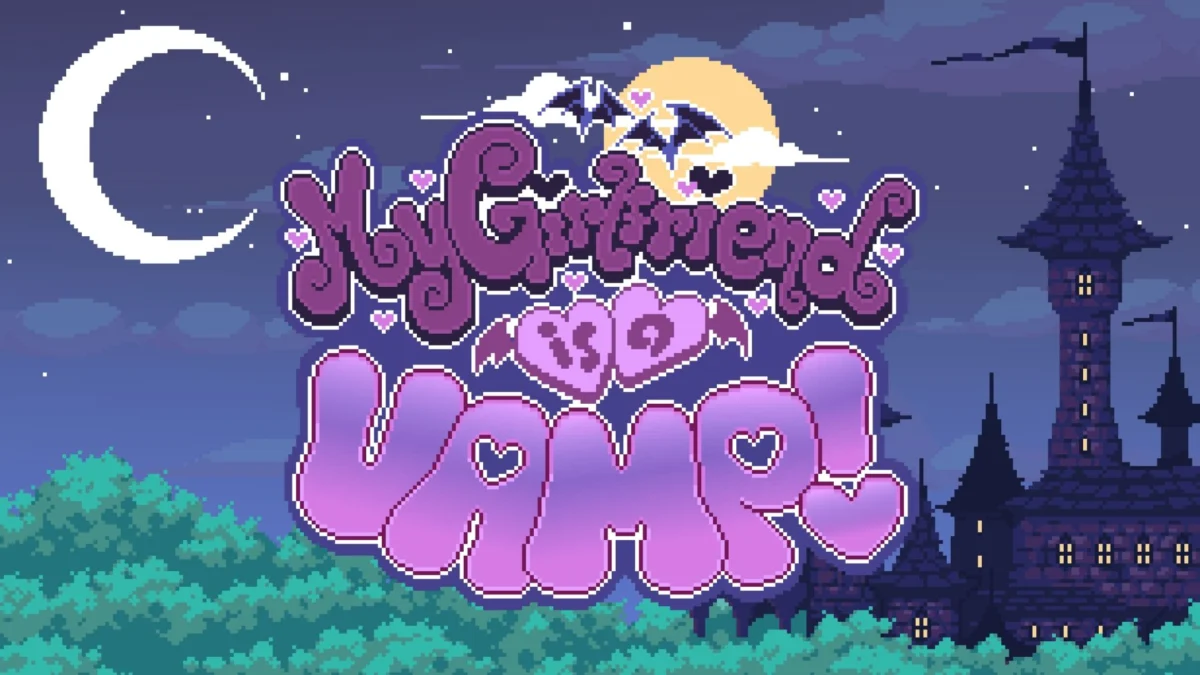
By Murillo Zerbinatto
Published May 8, 2026
In the ongoing debate regarding the legitimacy of video games as a high-art form, one often cites technical fidelity, narrative complexity, or musical scores. However, the true artistic potential of the medium lies in its interactivity—the ability to bridge the gap between the creator’s vision and the player’s personal lived experience. It is within this intersection of empathy, mechanical design, and narrative that My Girlfriend is a VAMP! emerges as a standout title from the current indie landscape.
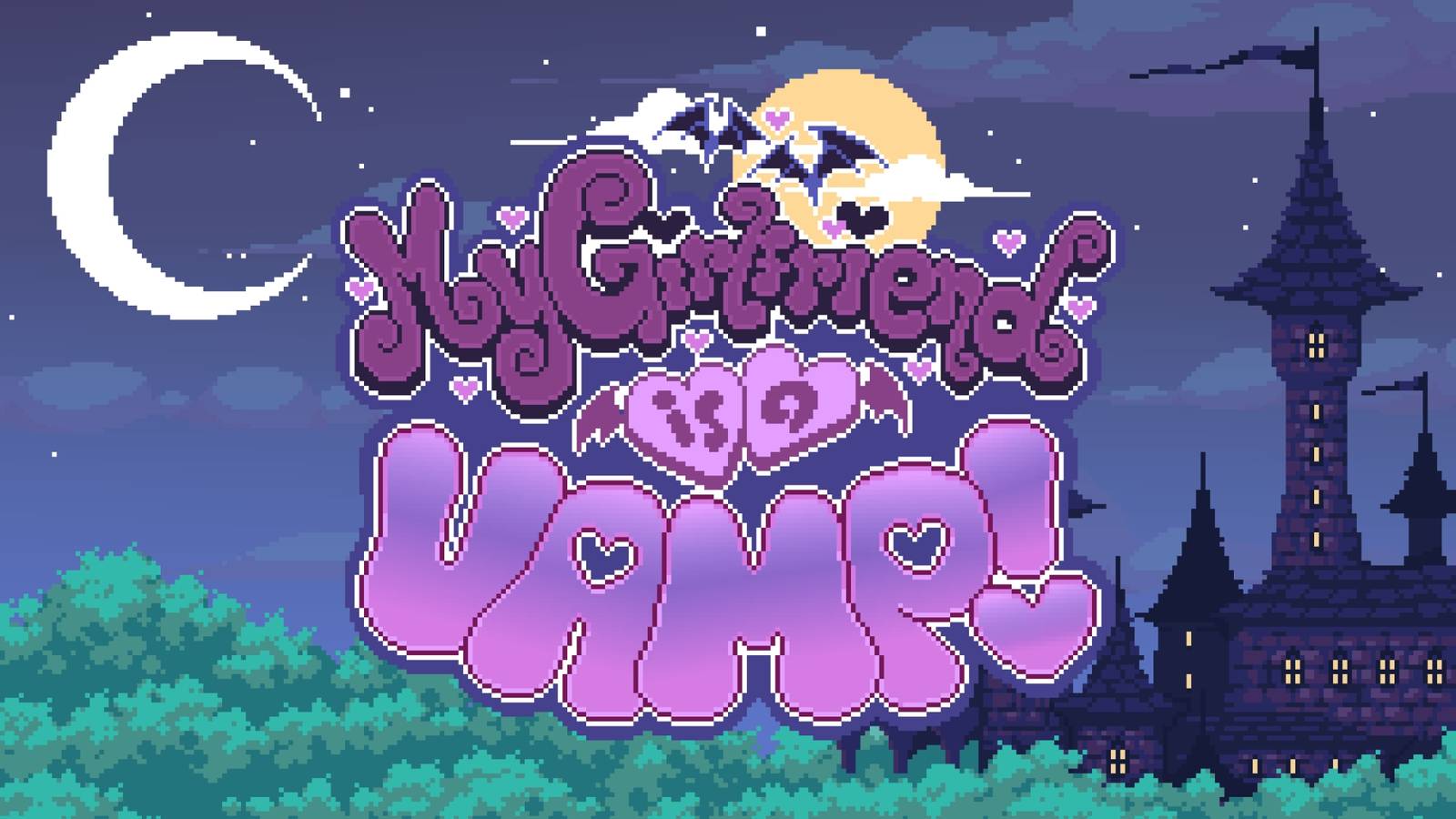
Showcased at Gamescom Latam 2026, this 2D narrative platformer is more than just a genre exercise. It is a heartfelt exploration of Autism Spectrum Disorder (ASD) through the lens of a relationship, tasking players with navigating the complex, sensory-heavy life of a "Vampire Autistic Magical Princess" (VAMP).
The Genesis of a Unique Perspective
The project is helmed by the seven-person indie studio TinyTank, led by Game Director Matheus Lacerda and Executive Producer/Narrative Designer Juliana Dutra. The inspiration for the game was not derived from cold market research, but from the couple’s own life together.
"We are a couple formed by a typical person and an atypical one," explains Dutra. "Throughout our marriage, we faced some adaptations regarding sensory issues. Matheus has always been my ‘support person,’ and we joked that we could even make a game about what it’s like to ‘live with me.’"
What began as an intimate joke evolved into a serious design philosophy. The team recognized a distinct void in the gaming market. While there are titles designed to teach autistic individuals social or behavioral skills, and others that attempt to simulate the internal experience of autism, there were few, if any, that explored the dynamic from the perspective of the "support" partner—the neurotypical individual tasked with navigating the world alongside an atypical loved one.
Gameplay Mechanics: The Empathy Engine
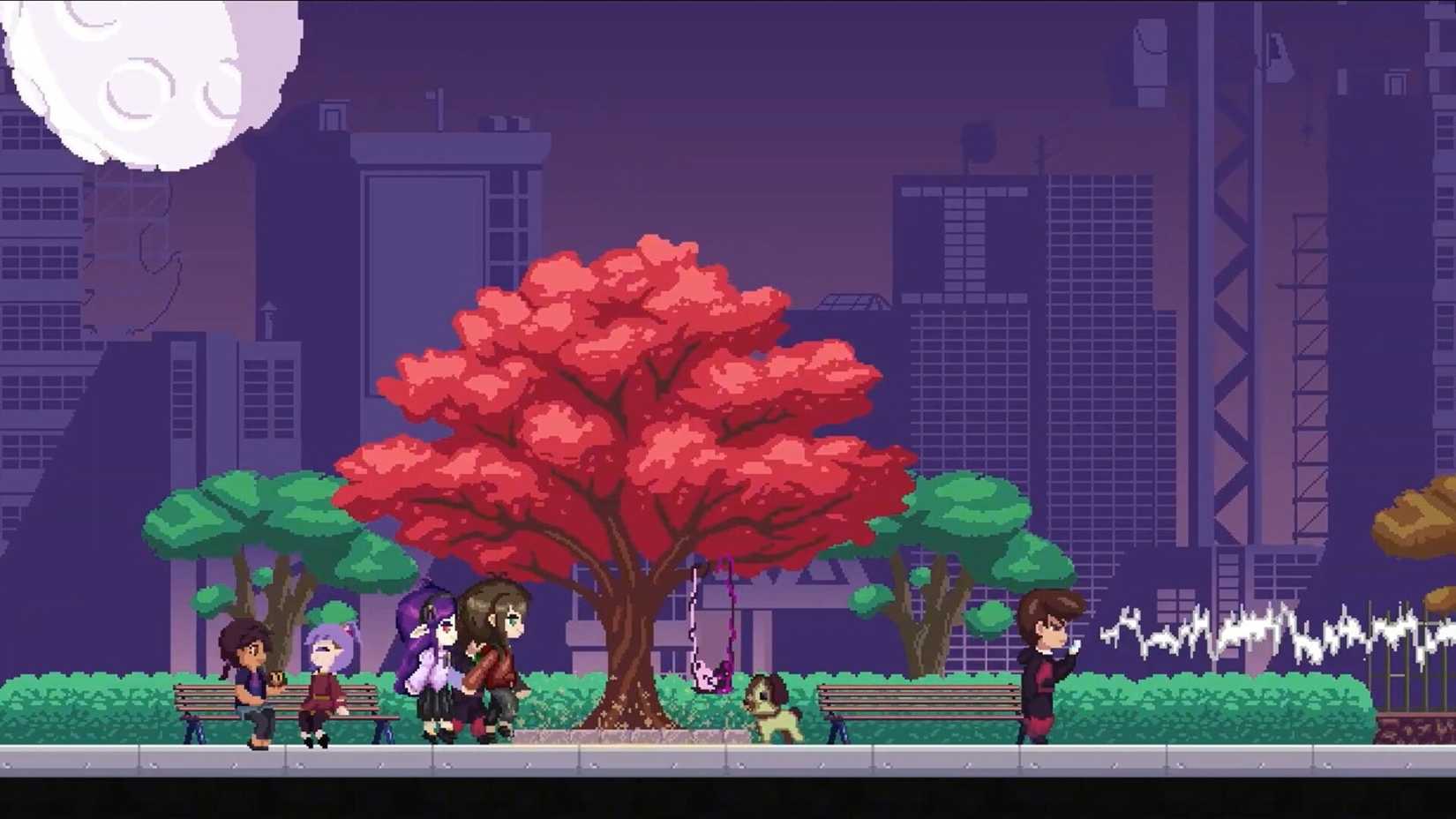
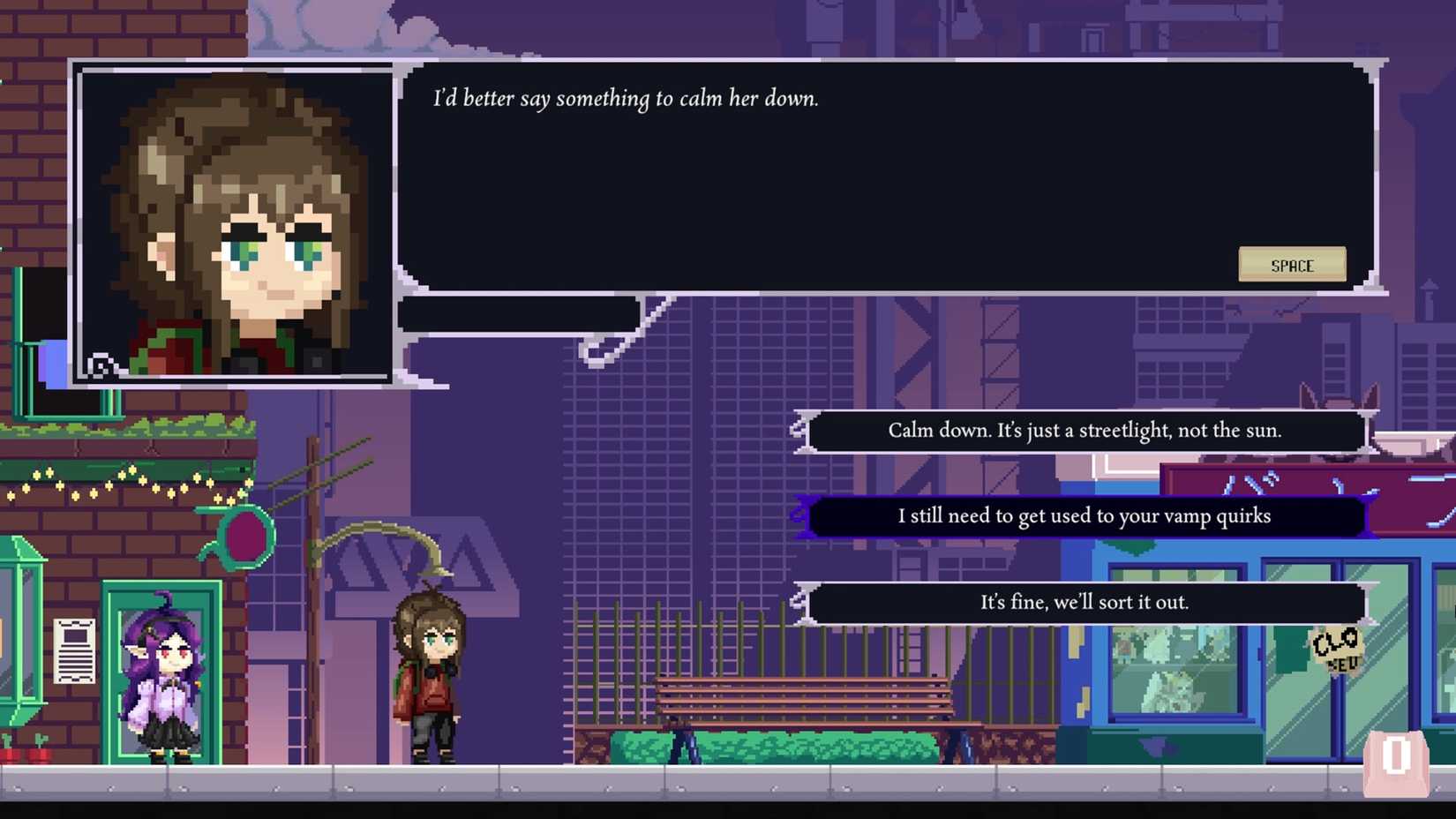
My Girlfriend is a VAMP! is built upon a foundation of platforming, but its core loop is driven by caretaking and dialogue. The protagonist must guide the princess, Patrícia, through various environments. However, these environments are designed to challenge her specific sensory sensitivities.
In the game’s logic, the traditional "enemies" of a vampire—garlic, sunlight, and loud noises—serve as clever metaphors for sensory overload. The player must navigate these hazards, utilizing specific items and dialogue choices to ensure Patrícia’s comfort and safety.

"The game features caretaking mechanics and empathetic dialogue that determine if you’ll stay together until the end of the game," Lacerda notes. "All of this occurs while the Queen observes your actions to decide the future of humans, whom she calls ‘nonpires.’"
Chronology of Development and Consultation
The development cycle has been defined by a constant feedback loop between the team and the autistic community. The decision to consult with professionals was made early in the pre-production phase to ensure the representation was both respectful and accurate.
Dutra worked closely with Rebeca Moreira, an autistic psychologist with extensive experience in ASD-focused care. This collaboration proved vital in refining the game’s narrative and visual identity. For instance, the game features a "collectible room" for the Princess. Initially, Dutra envisioned this space as impeccably organized—a common stereotype associated with autism.
"Rebeca helped me see that ASD is individual, and the character could indeed follow the original idea, but it didn’t have to be a monolith," Dutra recalls. "In the end, I opted for an ‘organized mess’ room categorized by types."
This iterative process has allowed the team to refine the mechanics based on genuine feedback. As Lacerda explains, the team now finds themselves with more ideas than the current development scope allows, a testament to the depth of the subject matter.
Supporting Data: Why Representation Matters
The indie gaming space has seen a surge in titles that prioritize emotional intelligence alongside traditional game mechanics. My Girlfriend is a VAMP! fits into a broader, necessary trend of games that utilize "hyperfocus" as a gameplay mechanic.
According to the developers, the player can choose a "hyperfocus" for the protagonist at the start of the game, which directly alters the types of items found in shops and the sets of collectibles available in the game world. This mechanic not only provides high replayability but also serves to validate the intense interests often associated with neurodivergent individuals.
The community response has been overwhelming. With over 40,000 followers across social media channels, TinyTank has built a robust, engaged audience. This support suggests that there is a significant appetite for media that portrays neurodivergent relationships with honesty, humor, and, above all, empathy.
Official Responses and Narrative Philosophy
When asked about the "correct" way to play the game, or whether players should be concerned about reaching a "bad" ending, Dutra emphasizes that the narrative is meant to reflect the nuances of human relationships.
"I like to think that right and wrong are relative from a narrative standpoint," Dutra states. "Sometimes we are clumsy, but the intention is affectionate and welcoming. Sometimes, intention isn’t enough, and words touch a sore spot. And sometimes there is a barrier of understanding, of putting yourself in the other’s shoes, that hurts."
The game features four distinct endings based on the player’s success in managing the relationship and the Queen’s perception of their support. It is a mature approach to storytelling that refuses to simplify the difficulties of cohabitation and communication between neurodiverse individuals.
Future Implications: The Path Forward
Looking ahead, TinyTank plans to expand the game’s scope significantly before its final release. Lacerda confirms that the full version will include more complex environmental puzzles that require the player to dodge hazards and utilize a broader range of equippable items.
"We want to bring more and more elements that generate this identification and visibility," says Dutra. "We plan to add more interactivity to the scenery, NPCs, and—the most requested of all—the ability to pet the cat."
The implications of My Girlfriend is a VAMP! extend beyond its status as a piece of software. It serves as a reminder that the gaming industry is increasingly becoming a vehicle for social empathy. By shifting the perspective from the "hero" to the "supporter," the game challenges players to step outside their comfort zones and consider the needs of those around them.
As the industry continues to evolve, titles like this one will likely serve as the gold standard for how games can bridge the gap between entertainment and education. For many players, particularly those who identify as neurodivergent or those who love someone who is, this game offers a rare, comforting space where their realities are not just acknowledged, but celebrated as a fundamental part of the gameplay experience.
"If you are looking for a game that will embrace you for being different," Dutra concludes, "and a very comfortable gameplay experience, My Girlfriend is a VAMP! might be the game that stays in your heart."
As the team prepares for the final stretch of development, the message remains clear: through patience, curiosity, and a willingness to adapt, we can create worlds—both in-game and in real life—that are more inclusive for everyone.

 Laily UPN
 Sagoh
Sagoh