Asro
Asro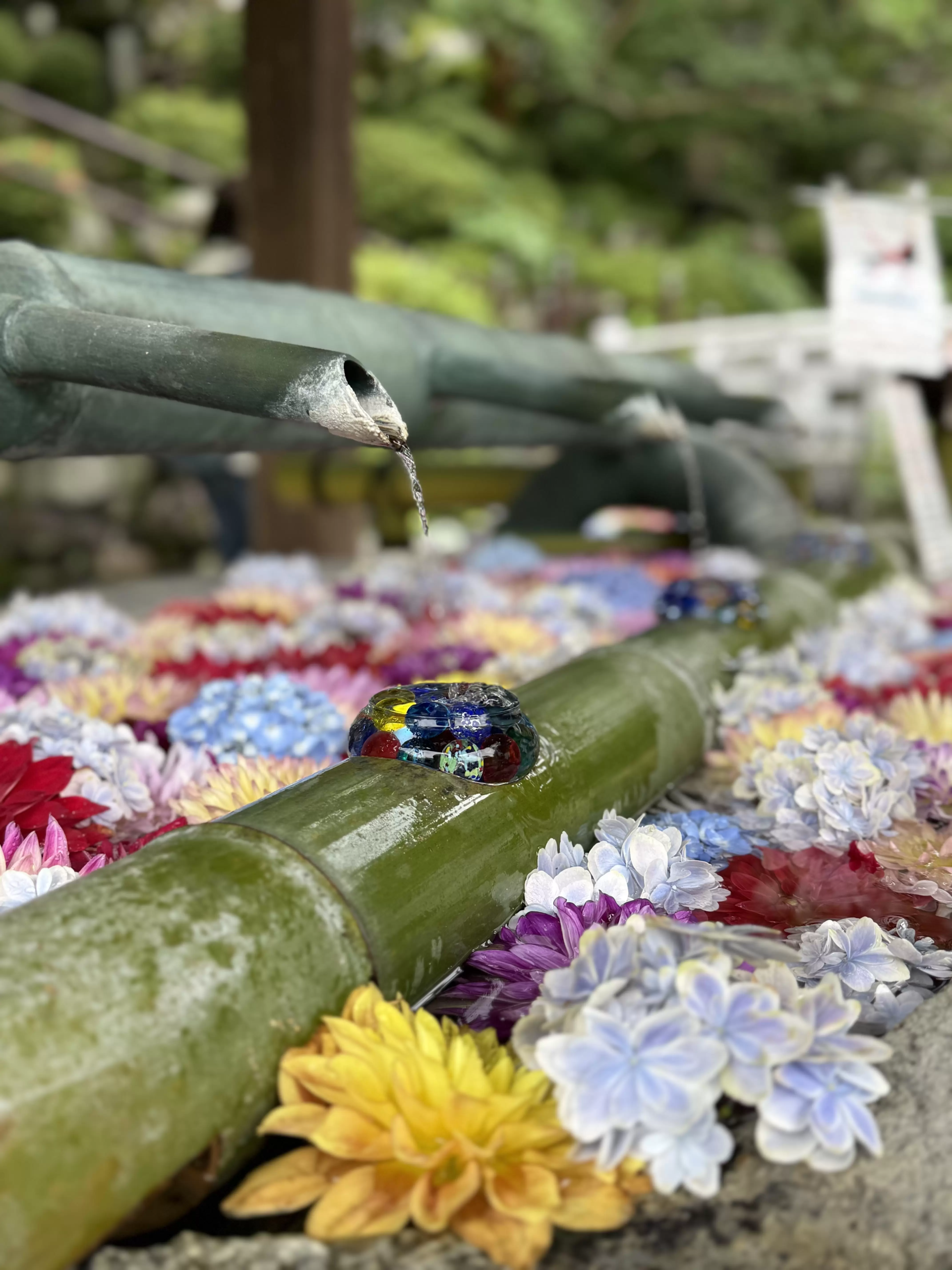
Date: July 8, 2026
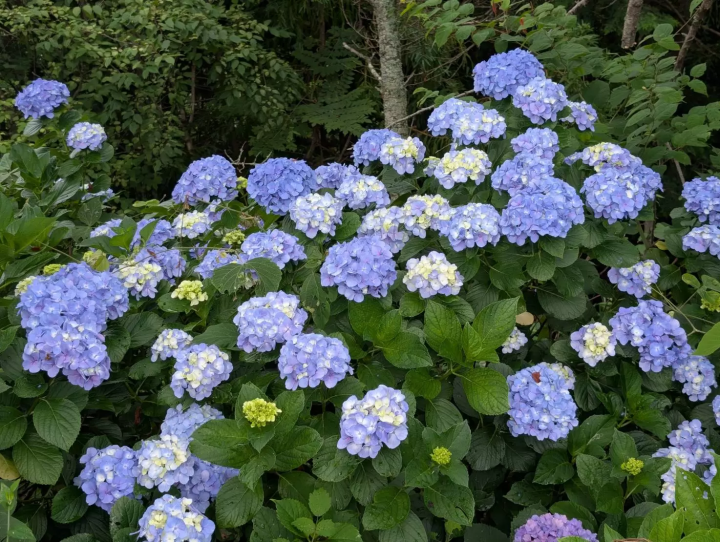
As the Japanese archipelago enters the tsuyu (rainy season), the landscape undergoes a dramatic transformation. While the constant drizzle often keeps travelers indoors, those who venture into the ancient prefecture of Nara are rewarded with a visual spectacle of unparalleled serenity. Across the prefecture’s historic temple grounds, the arrival of June and July brings forth the vibrant, kaleidoscopic bloom of ajisai—the Japanese hydrangea.
Far from the bustling tourist corridors of neighboring Kyoto, Nara offers a meditative escape where centuries-old architecture and delicate flora coalesce. This year, the hydrangea season has been particularly prolific, drawing photographers, botanists, and spiritual seekers alike to four primary sites that have redefined the aesthetic of the early summer pilgrimage.
The Cultural Significance of the "Hydrangea Pilgrimage"
The practice of visiting temples specifically for floral appreciation is deeply rooted in Japanese aesthetics. Known as hana-meguri (flower touring), this tradition emphasizes the transient nature of beauty—a core tenet of Buddhist philosophy. In Nara, this experience is amplified by the sheer age of the structures, many of which have stood for over a millennium.
The hydrangeas serve as more than mere decoration; they act as living incense, softening the harsh lines of weathered wood and gray stone. As these blossoms change hue based on the acidity of the soil, they create a living gradient of blues, purples, and pinks that mirror the shifting clouds of the rainy season.
Chronology of the Season: A Blooming Timeline
Understanding the temporal nature of these flowers is crucial for the discerning traveler. While the climate can cause minor variances, the typical blooming schedule in Nara follows a specific trajectory:
- Late May to Early June: Early-blooming varieties begin to emerge at Okadera and Tsubosaka-dera. These sites benefit from slightly different micro-climates, often situated on the slopes of the Asuka region.
- Mid-June: The peak intensity begins. Hannyaji Temple enters its prime, characterized by the rare overlap of late-spring flowers and early-summer hydrangeas.
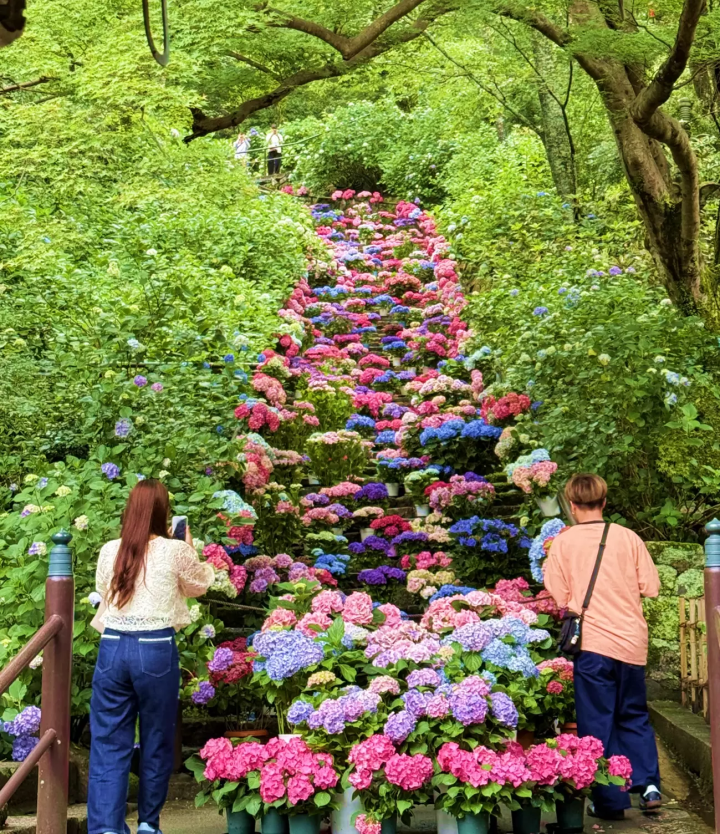
- Late June to Mid-July: Hasedera reaches its crescendo. The 399 steps of its iconic covered corridor become a tunnel of blossoms, marking the grand finale of the prefecture’s floral cycle.
Supporting Data: The Four Pillars of Nara’s Floral Landscape
To navigate this experience, one must understand the distinct personality of each location. Here is a detailed breakdown of the four premier destinations.
1. Hasedera: The Temple of Flowers
Widely regarded as the premier destination for seasonal blossoms, Hasedera is a testament to the harmony between man-made engineering and nature. The temple’s fame rests on its legendary 399-step covered corridor, which acts as a transition point between the secular world and the sacred mountain.
- Botanical Scale: Approximately 3,000 hydrangea bushes.
- Atmospheric Impact: The architectural design allows for a "layered" viewing experience, where the color of the flowers is mirrored against the lush, misty mountain backdrop.
- Visitor Experience: The view from the Main Hall’s butai (stage) offers a panoramic perspective that is arguably one of the most photographed vistas in central Japan.
2. Okadera: The Sanctuary of Protection
Okadera holds the distinction of being Japan’s first sacred site for warding off evil. Its approach to floral display is intimate and artistic, focusing on the interplay between water and petal.
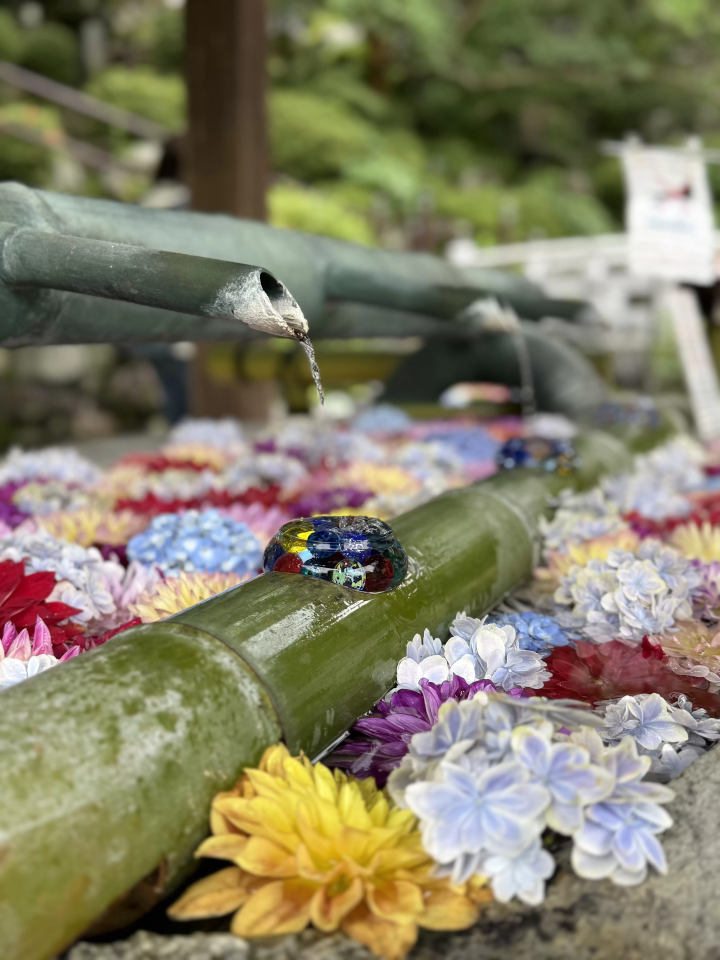
- The Art of Hanachozu: The temple is famous for its Hanachozu (floating flower water basins) and the Hana no Ike (flower pond). By placing hydrangeas in these traditional basins, the temple creates a reflective, mirror-like quality that captures the light of the rainy season.
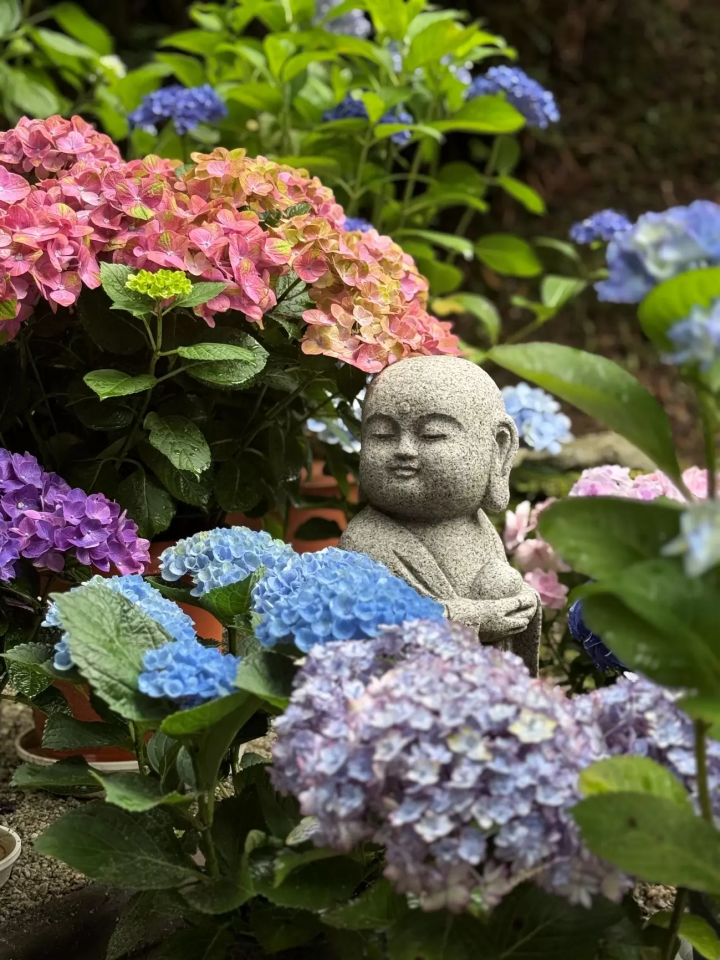
- The Jizo Connection: Small, moss-covered stone statues of Jizo—the protector of travelers and children—are often surrounded by potted hydrangeas, creating a whimsical and deeply comforting tableau.
3. Tsubosaka-dera: The Great Buddha’s Garden
Located in Takatori, this temple is part of the prestigious Saigoku Thirty-Three Kannon Pilgrimage. Its centerpiece is the 15-meter-tall Great Buddha, which provides a monumental scale against which the hydrangeas are measured.
- The "Hydrangea Buddha": By lining the massive stone base of the Buddha with hundreds of hydrangea pots, the temple creates a visual bridge between the divine and the terrestrial.
- Global Harmony: The temple also features Indian-derived stone carvings, providing a unique multicultural aesthetic that sets it apart from more traditional Japanese temple gardens.
4. Hannyaji: The Master of Innovation
Known traditionally as the "Cosmos Temple," Hannyaji has pivoted its identity in recent years to become a hub of contemporary floral art.
- The Glass Ball Aesthetic: The temple’s signature attraction is the use of clear glass spheres filled with water and hydrangea heads. These spheres act as lenses, distorting and magnifying the colors of the flowers, which has made the site a viral sensation on social media.
- Botanical Overlap: Due to careful horticultural management, Hannyaji offers a rare opportunity to see hydrangeas blooming in tandem with early-season cosmos, providing a unique color palette that spans the seasons.
Official Perspectives and Conservation Efforts
The stewardship of these floral landscapes requires immense dedication. Temple administrators emphasize that the management of these sites is not purely aesthetic; it is an act of maintenance that preserves the structural integrity of the grounds.
"The hydrangeas help regulate the moisture in the soil around our foundations," says an official spokesperson for Hasedera. "We are not simply growing flowers; we are maintaining an ecosystem that has protected these wooden halls for centuries. We invite visitors to participate in this by respecting the paths and avoiding any damage to the delicate bushes."
Local tourism boards have also noted the economic and cultural impact. By promoting these temples as seasonal destinations, Nara is successfully dispersing foot traffic, preventing the "over-tourism" issues often seen in Kyoto. This "slow tourism" approach allows for a deeper appreciation of the region’s history while ensuring that the temples remain viable as places of worship.
Implications for the Modern Traveler
As global interest in Japanese "slow travel" grows, the hydrangea temples of Nara offer a model for the future of tourism. The ability to find solitude in a world-class cultural site is becoming increasingly rare. In Nara, however, the rain acts as a natural filter, keeping the crowds manageable and the atmosphere contemplative.
For those planning to visit, the following recommendations are essential:
- Accessibility: While most sites are reachable by train, the final leg often requires local bus routes or walking. Check local schedules, particularly for the rural Tsubosaka-dera route, which changes on weekends.
- Preparation: The rainy season in Japan is humid. Lightweight, waterproof gear is preferable to umbrellas, which can be cumbersome in crowded temple corridors.
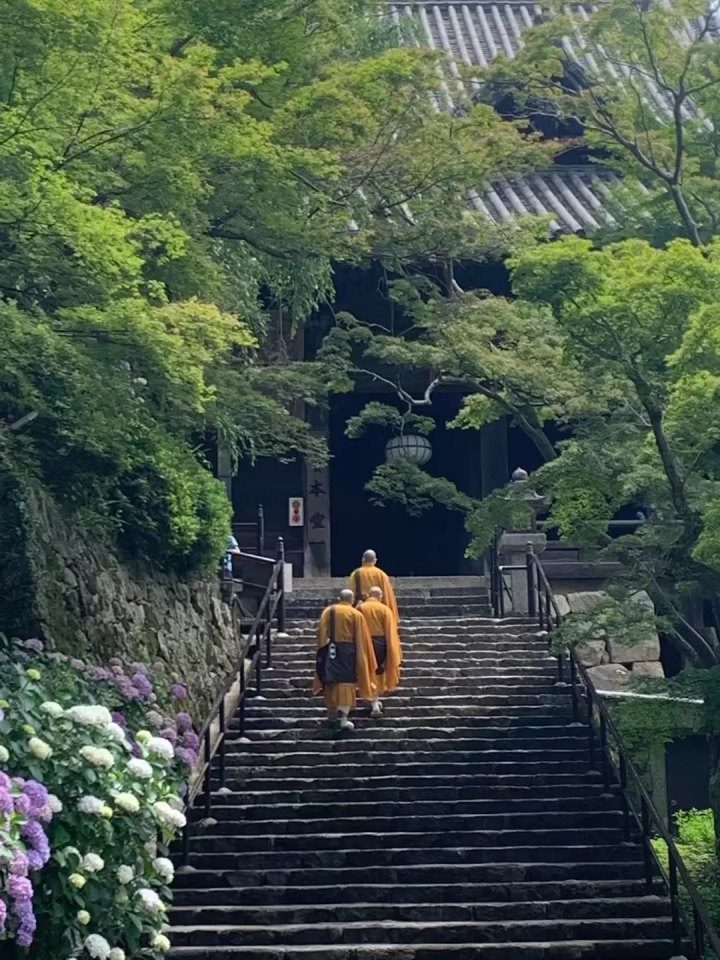
- Etiquette: Remember that these are active religious sites. Maintain a quiet demeanor, and be mindful of monks and worshippers who are performing daily rites.
Conclusion: Finding Beauty in the Gloom
The tsuyu season is often viewed as a period of inconvenience, a damp interlude between the vibrant spring and the sweltering summer. However, through the lens of Nara’s temples, the rainy season becomes a time of profound beauty. The hydrangea, with its ability to thrive in moisture, stands as a symbol of resilience.
Whether you are drawn by the architectural majesty of Hasedera, the whimsical basins of Okadera, the monumental scale of Tsubosaka-dera, or the artistic innovation of Hannyaji, a trip to Nara this season is an invitation to pause. In the shadow of a thousand-year-old pagoda, surrounded by the soft blue glow of blooming hydrangeas, one finds not just a destination, but a moment of absolute, tranquil clarity.


 Neng Nana