Layla Zulfa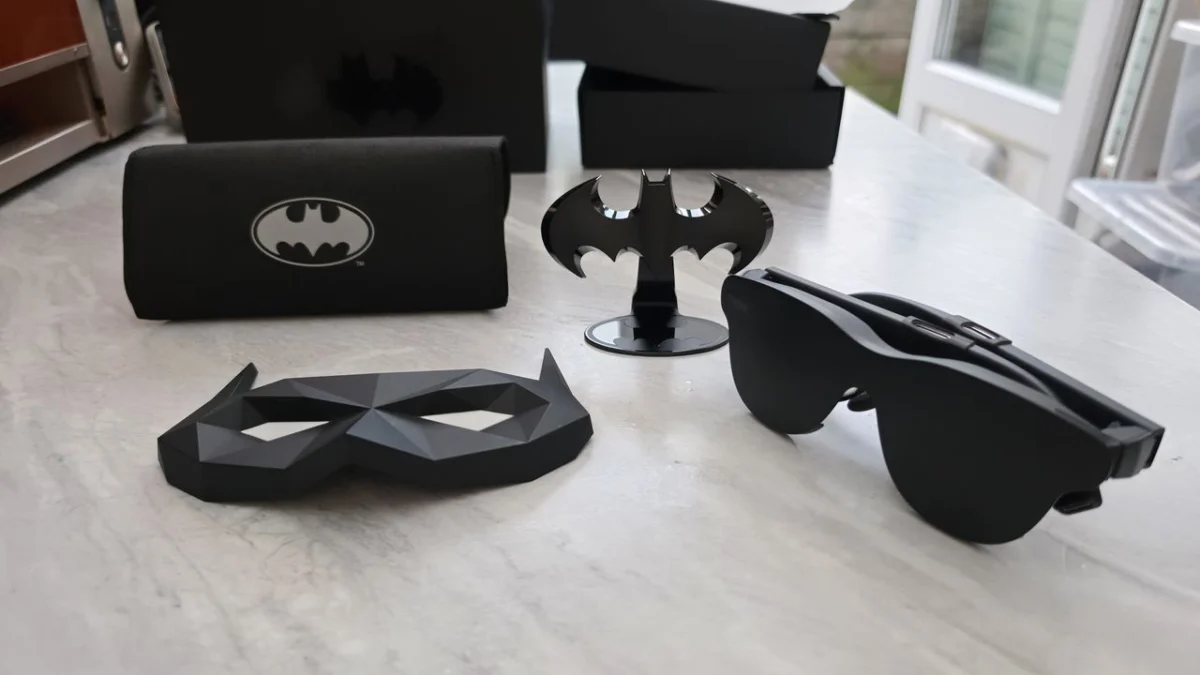
In the rapidly evolving landscape of personal technology, few segments have seen as much explosive growth as the wearable display market. As handheld consoles like the Nintendo Switch 2 continue to push the boundaries of portable gaming, the demand for immersive accessories that match this power has never been higher. Enter the RayNeo Air 4 Pro—specifically the visually arresting Batman Justice Edition.
This isn’t just a pair of glasses; it is a specialized piece of hardware designed to turn a modest handheld screen into a private, cinematic experience. By projecting a massive 201-inch virtual display directly into the user’s field of vision, the RayNeo Air 4 Pro represents the current pinnacle of "techwear" integration, blending lifestyle aesthetics with high-performance optics.
Main Facts: The Intersection of Style and Performance
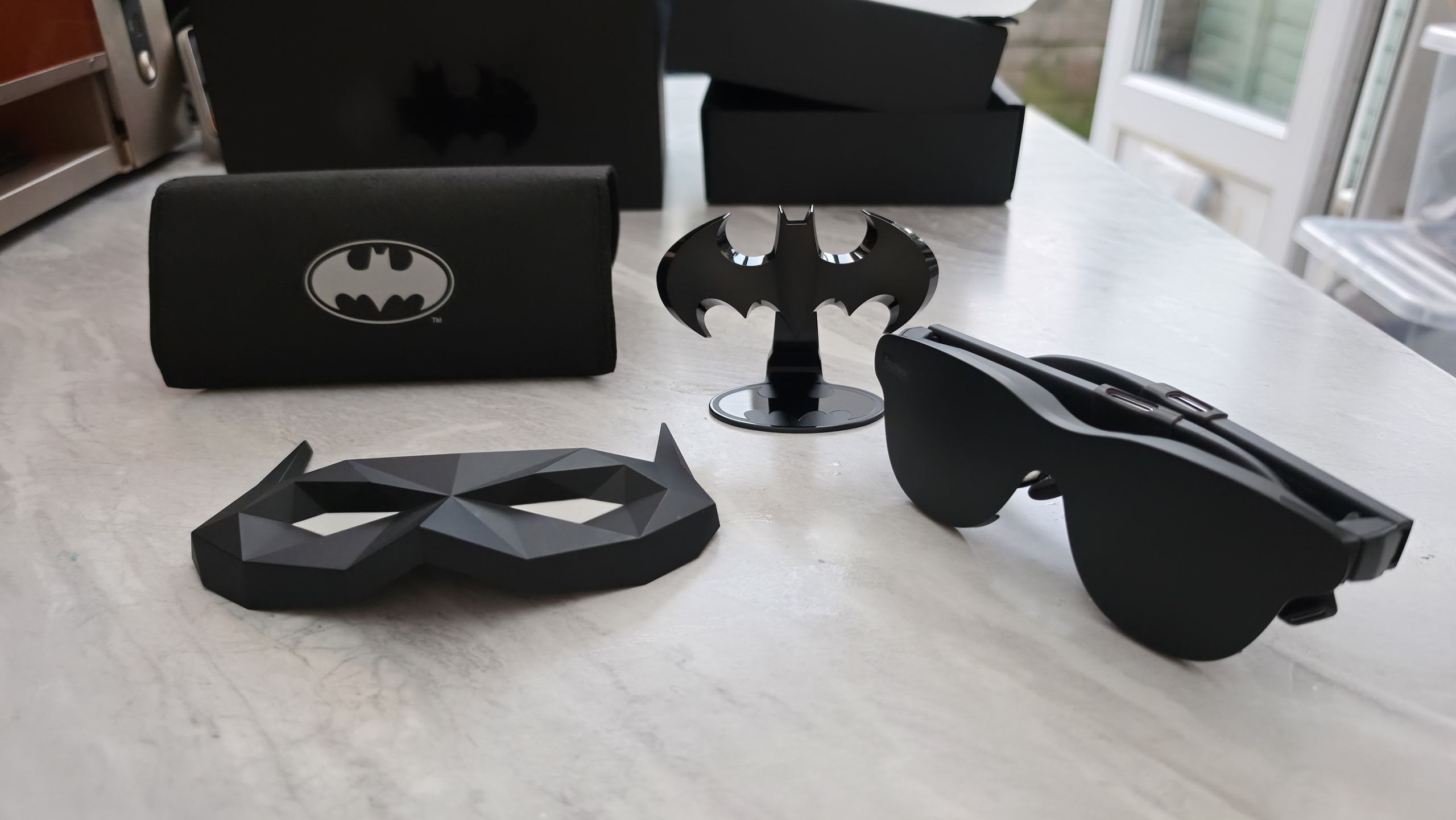
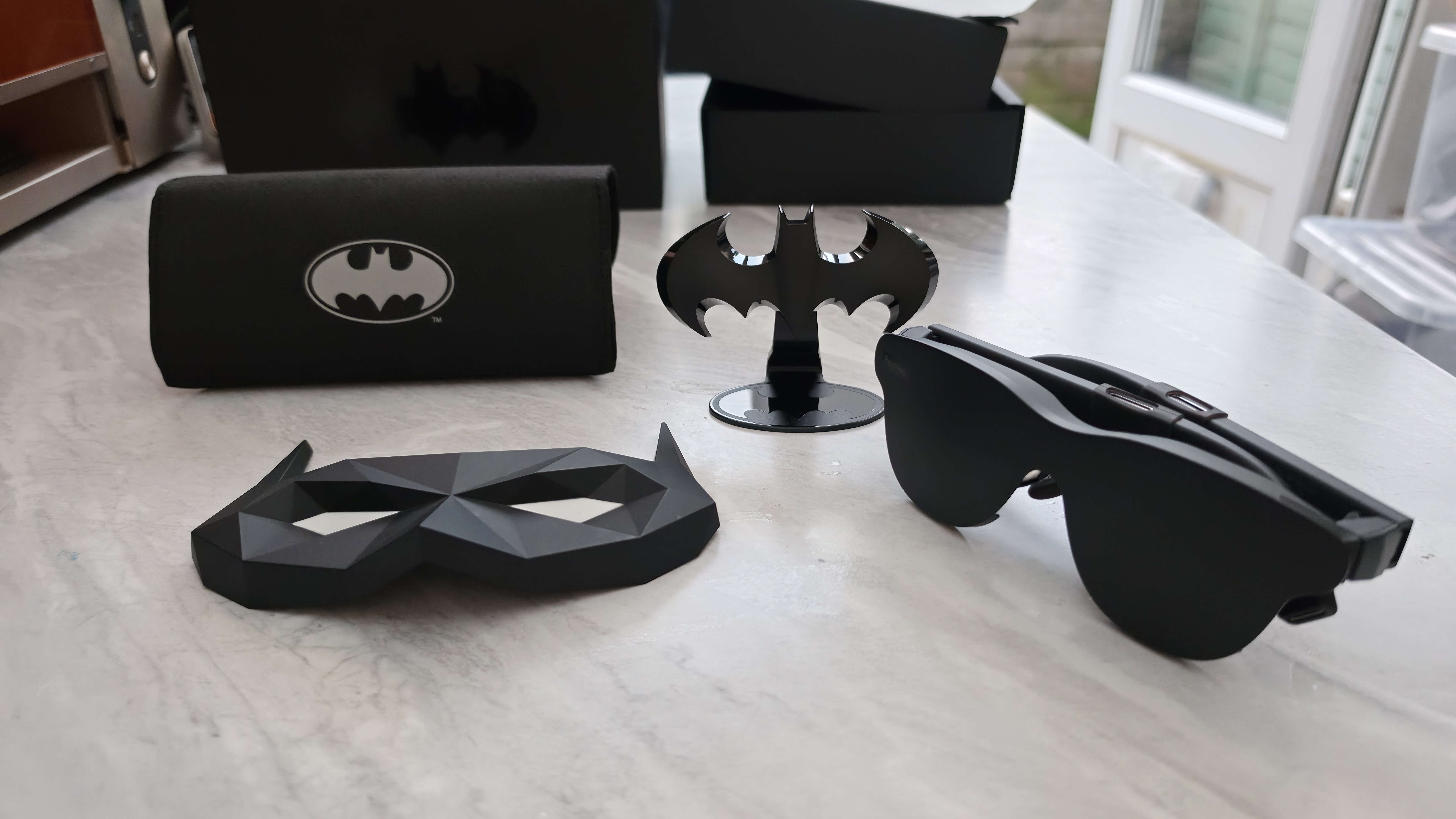
The RayNeo Air 4 Pro Batman Justice Edition is a masterclass in thematic hardware design. For fans of the DC Universe—particularly those who cut their teeth on the Arkham trilogy—these glasses offer an aesthetic appeal that is rarely found in the sterile, industrial world of consumer electronics.
The device features:
- A 201-inch Virtual Display: Utilizing advanced XR (Extended Reality) technology to simulate a giant cinema screen.
- Themed Aesthetic: Custom branding, including subtle black bat motifs on the frames and an exclusive, collector-grade box.
- Blackout Peripherals: Dedicated hardware attachments to block out ambient light, ensuring the user remains fully immersed in their content.
- Compatibility: Designed for seamless integration with the latest generation of handheld consoles, specifically optimized for the Nintendo Switch 2.
Currently, as part of the Amazon Prime Day sales event, these glasses have seen a significant price correction, dropping from $319 to $255. For those in the UK, the device is available via the official RayNeo website for £248.99, making this an opportune moment for early adopters to invest in the future of portable entertainment.
Chronology: The Rise of AR/XR Gaming Hardware
The trajectory of augmented reality (AR) and extended reality (XR) glasses has moved from niche science-fiction concepts to essential travel gear within the last three years.
2023: The market sees an influx of lightweight, tethered display glasses. While performance was adequate, thermal management and comfort were often secondary to the hardware specs.
2024: RayNeo begins refining its "Air" series, focusing on display fidelity and weight distribution. During this period, the integration with handheld consoles becomes a primary marketing pillar, acknowledging that the biggest bottleneck for mobile gamers is screen size.
2025: The introduction of firmware-optimized docking systems (such as the JoyDock) allows for a plug-and-play experience that rivals traditional desktop monitors.
2026 (Present): We are currently in the "Collaboration Era." By partnering with major entertainment franchises like DC, companies like RayNeo are moving beyond purely utilitarian tech, transforming devices into fashion-forward accessories that appeal to subcultures and superfans.
Supporting Data: Why Wearable Displays Matter
Why are gamers shifting away from built-in screens to wearable displays? The answer lies in ergonomics and resolution density.
A 14-hour flight from London to Tokyo is a grueling ordeal for any traveler. Traditional handheld gaming usually requires the user to hunch over a small screen, leading to significant neck and shoulder strain. The RayNeo Air 4 Pro shifts the "viewing plane" to a natural eye level, effectively eliminating the need to crane one’s neck.
Furthermore, the "fishbowl effect"—a common criticism of early VR and AR headsets—has been mitigated in the Air 4 Pro through a higher refresh rate and improved optic clarity. While users who wear prescription glasses may experience a slight adjustment period, the ability to project a high-definition image regardless of the environment (be it a cramped airplane seat or a bright office) makes this a premier travel hack.
Official Responses and Technical Considerations
RayNeo has been vocal about the technical requirements for these glasses. A critical step for new users, particularly those pairing the hardware with a Nintendo Switch 2, is the firmware update process.
According to official documentation, users must ensure their RayNeo JoyDock is running the latest firmware before attempting a connection. Failure to update can result in intermittent signal loss or resolution scaling issues.
Regarding the "motion sickness" phenomenon reported by some users, the company suggests that comfort levels vary based on individual sensitivity and whether the device is worn over existing corrective lenses. "The optical engine is designed for long-form viewing," says a spokesperson for the development team. "However, like any high-fidelity display, we recommend taking periodic breaks to allow the eyes and inner ear to recalibrate, especially during fast-paced, high-motion gaming sessions."
Implications for the Future of Techwear
The success of the Batman Justice Edition suggests a broader shift in the tech industry: The personalization of hardware.
As we move toward 2027, we can expect to see more "lifestyle-integrated" tech. It is no longer enough for a piece of hardware to simply function well; it must fit the identity of the user. The success of these glasses in the current market indicates that consumers are willing to pay a premium for high-quality, branded collaborations that elevate their daily routine.
Furthermore, the implications for productivity are significant. Beyond gaming, these glasses offer a private monitor for video editing, writing, and remote work. The ability to create a "digital nomad" workspace in any location—without the bulk of a physical monitor—positions these glasses as the most underrated tool for professionals and creative freelancers alike.
Final Verdict: Is it Worth the Investment?
For the dedicated gamer, the traveler, and the Batman enthusiast, the RayNeo Air 4 Pro Justice Edition is an easy recommendation. It bridges the gap between high-end visual performance and collectible fan service.
While the learning curve—specifically regarding firmware updates and individual sensitivity—requires a bit of patience, the long-term payoff in comfort and immersion is undeniable. As we embrace the techwear trend, devices like these prove that the future of computing isn’t just about what we carry in our pockets, but how we view the world around us.
If you are looking to upgrade your handheld experience this Prime Day, this is one of the few pieces of hardware that truly delivers on its promise of a "private cinema," whether you are 30,000 feet in the air or simply relaxing on your sofa. Just remember: keep your firmware updated, take those breaks, and enjoy the ride.


 Siti Muinah
 Evan Lee Salim