

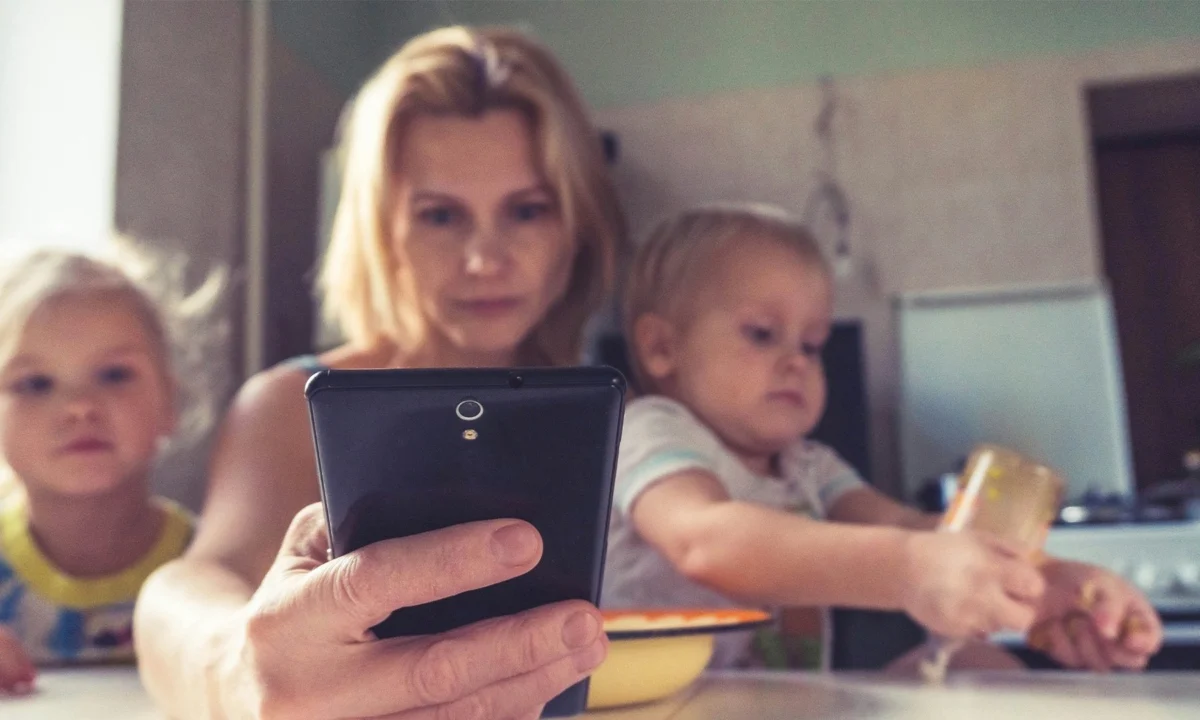
For the better part of a decade, the cultural anxiety surrounding screen time has been laser-focused on the younger generation. We have scrutinized the impact of YouTube algorithms on toddlers, debated the age-appropriateness of TikTok for pre-teens, and fretted over the mental health of teenagers navigating the digital landscape. Parents have been the architects of these restrictions, implementing timers, content blockers, and "no-phone zones" at the dinner table.
However, a groundbreaking study published recently in the peer-reviewed journal Frontiers in Psychology suggests that we may have been looking through the wrong end of the telescope. While society continues to demand better digital boundaries for children, the evidence is mounting that the most significant factor in a child’s emotional development may not be their own screen time, but the screen habits of their caregivers.
The Core Findings: A Shift in Perspective
The research, which surveyed 600 U.S. adolescents aged 12 to 17, flips the narrative on its head. It posits that parents who are perpetually distracted by their own devices are inadvertently creating a vacuum of emotional availability. When a child attempts to engage with a parent—to share a school achievement, express a fear, or simply play—and is met with a parent scrolling through social media or checking work emails, the result is more than just a missed conversation. It is a subtle, cumulative erosion of the parent-child bond.

The study highlights that for many adolescents, the issue is not the physical absence of their parents, but their emotional "ghosting." Many participants reported feeling sidelined, invisible, or secondary to the digital world. This phenomenon, which researchers have termed "technoference," describes the myriad ways digital devices interrupt and degrade face-to-face social interactions.
Chronology of the Digital Parenting Crisis
To understand how we arrived at this juncture, one must look at the rapid evolution of the smartphone.
- 2007–2012: The Integration Phase: Smartphones moved from professional tools to essential life companions. During this period, parents began to integrate constant connectivity into their domestic lives, often justifying it as a way to stay "on top" of household management.
- 2013–2018: The Normalization of Distraction: As social media platforms optimized for infinite scrolling and constant notification loops, the "distracted parent" became a common archetype. Studies began to emerge linking parental phone use to lower quality of care, but these were largely confined to academic circles.
- 2019–2023: The Pandemic Catalyst: The COVID-19 pandemic forced a digital reliance on everyone. For parents, the phone became the primary window to the outside world, blurred lines between work and home life, and normalized constant screen engagement.
- 2024–Present: The Reckoning: The current research reflects a growing body of evidence that we are living through a "silent epidemic." With teens now reporting high levels of frustration with parental phone use, the conversation has moved from "how do we limit our kids’ screens?" to "how do we reclaim our presence?"
Supporting Data: The Anatomy of Insecure Attachment
The most concerning implication of the study is the link between parental screen habits and "insecure attachment." Attachment theory, a cornerstone of developmental psychology, suggests that children who have secure, consistent, and emotionally present caregivers develop the confidence to explore the world and form healthy relationships as adults.
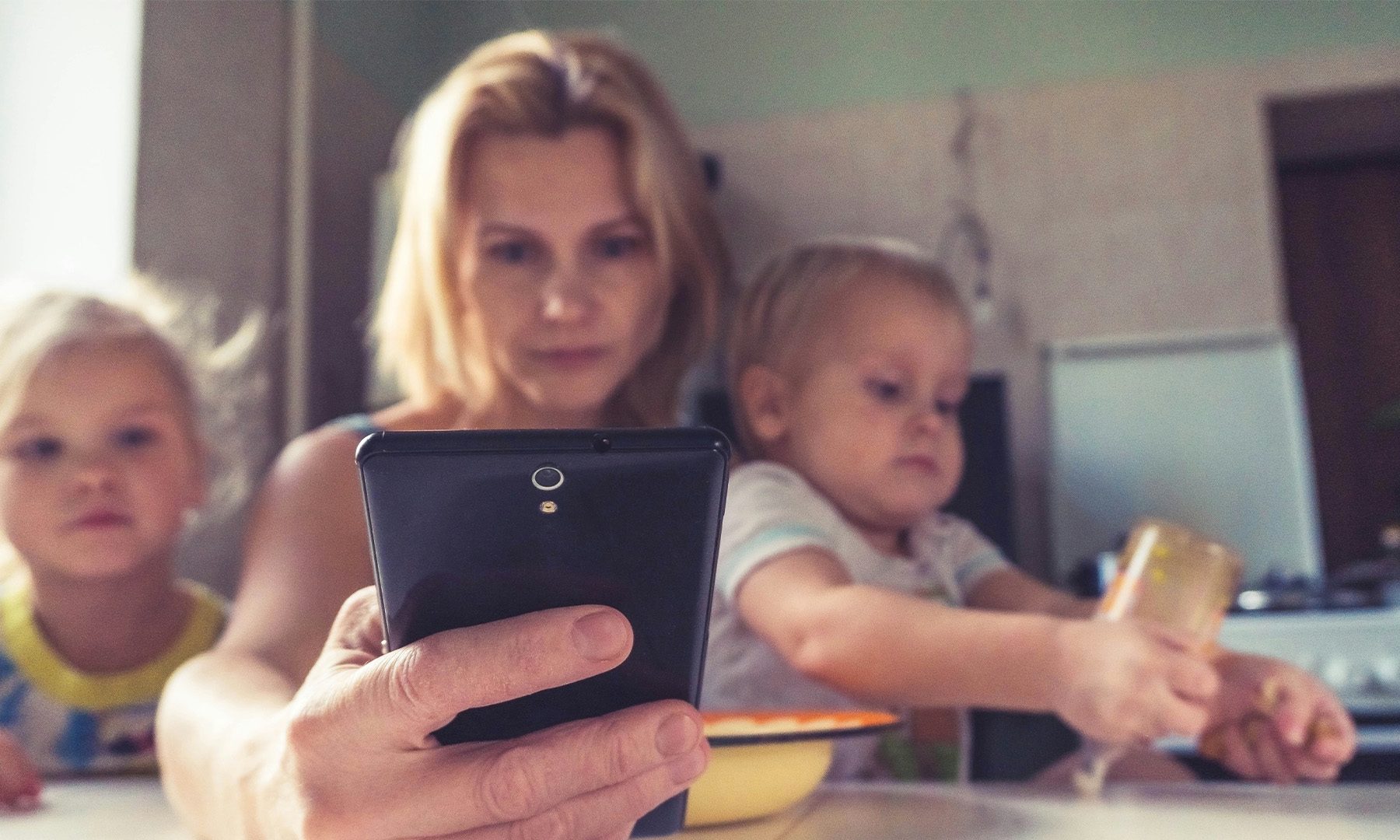
When a parent is intermittently available—responding to their child only when their phone is put down—it creates a sense of unpredictability. Data from the survey indicates that this pattern makes children more prone to anxiety and avoidant behaviors. If a child learns that their emotional needs are secondary to a digital notification, they may begin to suppress those needs, leading to long-term issues with self-esteem and relationship trust.
Don Grant, a media psychologist and fellow of the American Psychological Association, notes that this is not merely a modern "annoyance." It is a fundamental shift in how children experience their primary support system. "It could really unfavorably impact their attachment security, which they will carry for life," Grant explained. He highlights that children are astute observers; they are acutely aware of when they are being "phubbed" (phone-snubbed).
The Perception Gap
One of the most revealing aspects of the current research is the disconnect between how parents view their behavior and how their children experience it. A 2024 study by the Pew Research Center found a striking contradiction: while nearly half of teenagers reported that their parents were distracted by phones during conversations, a significantly smaller percentage of parents admitted to the behavior.

This "perception gap" suggests that parents have become habituated to their own distraction. Many parents claim to be "multitasking" or keeping an eye on work while being present for their kids. However, the study suggests that for a child, the experience of being ignored is not mitigated by the parent’s intent. Whether a parent is browsing the news, checking email, or doom-scrolling social media, the child perceives the same thing: the digital device is more important than the interaction.
Implications for Future Development
The implications of these findings are profound. If we are raising a generation of children who feel they must compete with a smartphone for their parents’ attention, we may be seeing the seeds of future mental health challenges, including lower social confidence and a heightened need for external validation.
Furthermore, there is a modeling effect to consider. Parents who are unable to detach from their devices are, by default, teaching their children that this behavior is normal and acceptable. If a parent struggles to put the phone down, it becomes significantly harder for them to enforce screen-time boundaries for their children, as the "do as I say, not as I do" approach rarely holds up under the scrutiny of an observant teenager.

Strategies for Reclaiming Connection
The researchers and psychologists behind these findings suggest that the solution is not a complete digital detox, but rather an intentional "mindful presence."
- Phone-Free Zones: Establishing physical spaces where phones are strictly prohibited—such as the dinner table, the car, or the bedroom—can create reliable windows of connection.
- The "Check-In" Ritual: Parents can practice "active listening" by putting the phone in another room during high-value times, such as the first 15 minutes after a child returns from school or before bedtime.
- Transparency and Modeling: Parents should be honest with their children about their own struggles with technology. Admitting, "I am feeling the urge to check my phone, but I want to be present with you right now," validates the child’s experience and models healthy self-regulation.
- Device-Free Play: Engaging in activities that require full attention—hobbies, sports, or board games—allows for the kind of deep, sustained interaction that builds secure attachment.
Conclusion: Looking Up
The conversation around technology in the family home is maturing. For years, the focus has been on protecting children from the content they consume. Now, we must acknowledge the importance of the environment we create for them.
The moments that shape a child’s emotional development are often the quiet, mundane ones: the car ride home, the walk to the park, or the bedtime routine. When those moments are filled with the blue light of a screen, we lose the opportunity to build the emotional bedrock our children need. The findings in Frontiers in Psychology serve as a vital reminder: the most effective way to help our children navigate the digital age is to ensure they know, without a shadow of a doubt, that they are more important than anything happening on our screens.

As we move forward, the goal is not to demonize technology, but to restore the priority of human connection. After all, when our children look up to us, they should see our eyes—not the glow of a screen.











