Nana Muazin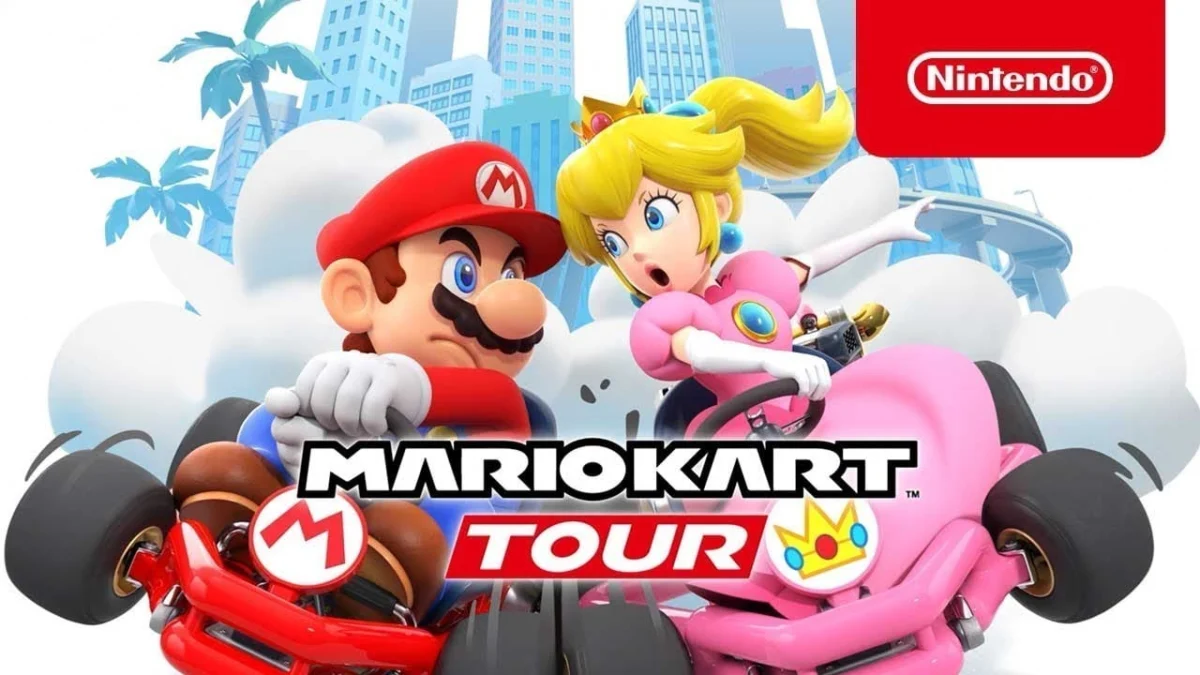
Kyoto, Japan – September 29, 2024, will mark the end of an era for mobile racing fans as Nintendo officially pulls the plug on Mario Kart Tour. Launched in September 2019 for Android and iOS devices, the popular, albeit often controversial, kart racer will cease operations after a five-year run. The announcement of its impending End-of-Service (EOS) brings to a close a chapter in Nintendo’s evolving mobile strategy, leaving behind a legacy of both impressive profitability and persistent player debate over its monetization model and control scheme.
Mario Kart Tour‘s shutdown stands as a significant event in the mobile gaming landscape, particularly for a title bearing one of Nintendo’s most iconic franchises. While its journey was frequently bumpy, characterized by initial heavy criticism regarding its gacha mechanics and simplified touch controls, it nonetheless carved out a substantial niche and enjoyed a considerable period of financial success. Now, as the company signals a strategic pivot back towards its core console offerings, Mario Kart Tour joins a growing list of Nintendo’s mobile experiments that have ultimately reached their final lap.
Main Facts: The Final Lap for Mario Kart Tour
Nintendo has confirmed that Mario Kart Tour will officially go offline on September 29th, 2024, at 11:00 PM Pacific Time. This definitive date marks the culmination of a phased winding-down process initiated earlier in the year, ensuring players have ample time to adjust and utilize any remaining in-game assets.
The most immediate and impactful changes for active players include the suspension of sales for the game’s premium currency, Rubies. This move prevents new purchases of the virtual currency that was essential for acquiring new drivers, karts, and gliders, or for refreshing the in-game shop. Concurrently, automatic renewals for the Gold Pass subscription have also been disabled. The Gold Pass, which offered subscribers various perks such as exclusive gifts, challenges, and faster rewards, will continue to provide its benefits to current subscribers until the game’s final closure, irrespective of their original renewal date. Nintendo’s aim is to allow players to enjoy the full scope of their existing subscriptions for the remainder of the game’s operational lifespan. Further detailed information regarding the handling of Rubies and Gold Passes during this transition period is accessible directly within the Mario Kart Tour application itself.
A point of particular concern and disappointment for the player community is Nintendo’s explicit confirmation that there will be no offline version of Mario Kart Tour post-shutdown. This means that once the servers are deactivated, the game will become entirely unplayable. Consequently, a significant collection of unique content—including several Mario Kart tracks that were exclusively designed for Tour and never appeared in mainline console entries—will effectively vanish from accessibility. These courses, along with the game’s extensive roster of character variations and kart designs, will be lost to digital history, underscoring the ephemeral nature of online-only live-service titles.
Chronology: A Race Through Time
The journey of Mario Kart Tour from its highly anticipated debut to its impending closure is a microcosm of the evolving challenges and strategic shifts within the mobile gaming industry and Nintendo’s place within it.
Inception and Initial Buzz (September 2019)
Mario Kart Tour launched on September 25, 2019, with considerable fanfare, marking Nintendo’s latest foray into the burgeoning mobile market. Following titles like Miitomo, Super Mario Run, Fire Emblem Heroes, and Animal Crossing: Pocket Camp, Tour was expected to leverage the immense popularity of the Mario Kart franchise to attract a massive audience. Initial downloads were staggering, quickly propelling it to the top of app store charts worldwide.
However, the launch was immediately met with a mixed reception. While many praised the vibrant visuals and the core fun of Mario Kart on the go, significant criticism arose concerning its monetization model. The game heavily relied on a gacha-style "Pipes" system, where players would spend Rubies to "fire" pipes, hoping to randomly unlock high-rarity drivers, karts, and gliders. This mechanism, common in many free-to-play mobile games, felt jarring to a fanbase accustomed to Nintendo’s more direct purchase or unlock systems on consoles. The simplified one-finger touch controls, designed for accessibility, also drew criticism from veteran Mario Kart players who felt they lacked the precision and depth of traditional console gameplay. Despite these early controversies, Mario Kart Tour quickly proved to be a lucrative venture for Nintendo, demonstrating the immense power of its intellectual properties on mobile platforms.
The Gacha Controversy and Player Backlash (2019-2022)
The gacha system, often referred to as "loot boxes," was the primary driver of early player dissatisfaction. Players expressed frustration over low drop rates for desirable characters and items, the high cost of Rubies, and the perceived "pay-to-win" elements in multiplayer modes where higher-tier items conferred distinct advantages. This model contrasted sharply with Nintendo’s reputation for transparent, family-friendly gaming experiences, leading to a vocal backlash across social media and gaming forums. Many felt that the game was designed to exploit addictive gambling tendencies, rather than reward skill or consistent play.
This period also saw continuous content updates, introducing new characters, themed tours, and tracks, including some original creations. Despite the monetization complaints, the sheer volume of content kept a significant portion of the player base engaged, particularly those willing to invest or who found enjoyment in the collection aspect. The introduction of a "Gold Pass" subscription service offered a slightly more predictable avenue for obtaining rewards, serving as an early attempt to diversify revenue streams beyond pure gacha.
Monetization Overhaul and Content Expansion (2022 Onwards)
In a significant move that demonstrated Nintendo’s responsiveness to player feedback, Mario Kart Tour underwent a radical transformation in September 2022. The controversial gacha "Pipes" system was entirely removed. In its place, Nintendo introduced the Spotlight Shop, allowing players to directly purchase specific drivers, karts, and gliders using Rubies. This shift was widely applauded by the community, as it provided greater transparency and control over acquisitions, alleviating many of the "pay-to-win" concerns and making the game feel fairer.
Alongside this overhaul, the game continued to expand its roster and track list, introducing more characters from across the Mario universe and beyond, as well as a mix of classic Mario Kart courses and new, unique designs. The Gold Pass remained a core offering, providing a consistent stream of benefits. The implementation of a robust multiplayer mode further enhanced the game’s appeal, allowing players to race against friends and competitors globally, though it too faced initial balancing challenges. This period represented a more stable and generally better-received phase for Mario Kart Tour, showcasing Nintendo’s willingness to adapt and refine its mobile offerings.
The Winding Down Begins (Early 2024)
The first indicators of Mario Kart Tour‘s eventual closure emerged in early 2024. While new content continued to be released, the frequency of entirely new drivers, karts, and gliders began to slow down. Updates became more focused on recycling existing assets and re-running past tours.
The official End-of-Service announcement followed, detailing the cessation of Ruby sales and Gold Pass automatic renewals. This phased approach is standard practice for live-service games, designed to manage player expectations, allow for final purchases or usage of in-game currency, and provide a clear timeline for the game’s eventual disappearance from digital storefronts and active play. For many players, while the news was anticipated given the game’s age and Nintendo’s broader strategic shifts, it still marked a poignant moment for a title that, despite its flaws, had become a daily ritual for many.
Supporting Data: The Mobile Gaming Landscape and Nintendo’s Strategy
The decision to shut down Mario Kart Tour is not an isolated event but rather a reflection of broader trends in the mobile gaming industry and Nintendo’s evolving corporate strategy.
Financial Performance and Profitability
Despite its initial controversies, Mario Kart Tour proved to be a significant financial success for Nintendo. While exact, regularly updated figures are proprietary, industry estimates and analytics firms consistently placed it among Nintendo’s top-grossing mobile titles. Within its first year, the game reportedly generated over $200 million globally, a testament to the enduring appeal of the Mario Kart brand and the effectiveness of its monetization (even the controversial gacha system initially). It consistently ranked high in revenue charts for mobile racing games, often outpacing competitors.
This profitability contrasts sharply with some of Nintendo’s other mobile ventures, such as Super Mario Run, which opted for a premium, one-time purchase model that struggled to attract the same level of revenue as free-to-play titles with in-app purchases. Fire Emblem Heroes, another gacha-based game, has been Nintendo’s most consistent mobile moneymaker, demonstrating the potential for well-executed (and less controversial) gacha mechanics within specific franchises. Mario Kart Tour‘s success, therefore, demonstrated that Nintendo’s IPs could thrive in the free-to-play mobile market, even if it meant navigating tricky monetization waters.
The Evolution of Mobile Gaming
The mobile gaming landscape of 2024 is vastly different from that of 2019 when Mario Kart Tour first launched. The market has matured, becoming increasingly saturated and competitive. Player expectations regarding free-to-play models have also evolved, with a growing demand for transparency, fair monetization, and robust, engaging content updates.
The rise of hyper-casual games, battle royale titles, and expansive open-world RPGs on mobile has shifted player attention. Sustaining a live-service game for five years, particularly one with a fixed gameplay loop like a kart racer, requires continuous innovation and significant resource allocation. Developers must constantly introduce new content, events, and features to keep players engaged and prevent "feature fatigue." The cost of maintaining servers, developing new content, and marketing in such a crowded space can become prohibitive, especially if player growth stagnates or declines. Nintendo’s assessment likely concluded that the ongoing investment required for Mario Kart Tour no longer aligned with its strategic returns.
Nintendo’s Shifting Mobile Ambitions
Mario Kart Tour‘s shutdown aligns with a noticeable shift in Nintendo’s broader mobile strategy. The company initially embarked on its mobile journey in the mid-2010s with the explicit goal of expanding its intellectual property reach and attracting new audiences who might then transition to its console ecosystem. While this strategy achieved some success in brand awareness, it also led to internal debates about how best to balance mobile development with its core console business, and how to maintain its brand integrity amidst the often-aggressive monetization practices of the mobile market.
Over the past few years, Nintendo has gradually scaled back its direct involvement in mobile game development. Titles like Miitomo (2016-2018), Dr. Mario World (2019-2021), and Dragalia Lost (2018-2022, developed with Cygames) have all seen their servers shut down. Mario Kart Tour‘s longevity, at five years, actually outlasts many of these other ventures, indicating a relative success story within Nintendo’s mobile portfolio.
The current emphasis from Nintendo’s leadership appears to be a renewed focus on "mainline console titles" and leveraging their strong console hardware sales (e.g., Nintendo Switch) to drive their gaming business. While Pokémon GO and Fire Emblem Heroes remain active and profitable, Nintendo’s direct development pipeline for new mobile titles seems to have significantly slowed. The company has likely learned valuable lessons from its mobile experiments—about monetization, player engagement, and brand perception—which will undoubtedly inform future decisions, whether they involve new mobile ventures or simply better integration of mobile features with console experiences.
Official Responses and Player Reaction
The announcement of Mario Kart Tour‘s impending closure elicited a range of responses from Nintendo and its dedicated player base, highlighting the complex relationship between developers and the communities built around live-service games.
Nintendo’s Stated Reasons
Nintendo’s official communications regarding the shutdown have been clear and consistent: the decision is part of a broader strategic shift. The company has articulated a desire to "phase out live-service mobile support to shift focus toward mainline console titles." This statement underscores a strategic re-prioritization, channeling resources and creative energy back into the development of games for its dedicated hardware platforms, such as the Nintendo Switch and its future successors.
The company’s FAQ section for Mario Kart Tour explicitly addresses the lack of an offline mode, stating that due to the game’s server-based architecture and its design as an always-online multiplayer experience, an offline version is not feasible. This technical reality, common to many live-service titles, means that the entire game world, its progression systems, and all unique content are intrinsically tied to the operational servers. Once those servers are offline, the game effectively ceases to exist in any playable form. This pragmatic explanation, while understandable from a technical standpoint, often clashes with player desires for preservation.
The Player Community’s Perspective
The player community’s reaction to the shutdown news has been a mix of melancholy, understanding, and frustration. Many long-time players expressed sadness at the impending loss of a game that had become a part of their daily routine. For some, Mario Kart Tour represented their primary way to engage with the Mario Kart franchise, offering a unique blend of competitive racing and collecting.
A significant point of contention and regret among players is the loss of unique content. Mario Kart Tour introduced a plethora of original character costumes (e.g., Mario (Hakama), Peach (Explorer)), unique kart designs, and most notably, several brand-new race tracks that never appeared in console Mario Kart games. These "Tour-exclusive" courses, such as Paris Promenade, Tokyo Blur, and New York Minute, offered fresh racing experiences. With no offline version, these meticulously designed tracks will become completely inaccessible, essentially disappearing from the gaming landscape. This outcome fuels ongoing debates within the gaming community about the preservation of digital content and the ethical responsibility of developers to archive or provide offline access to games once their online services conclude.
While some players expressed understanding, acknowledging the typical lifespan of mobile games and Nintendo’s strategic shift, others voiced frustration over the resources and time they had invested in the game. The removal of the gacha system in 2022 had revitalized the player base, leading many to believe the game had a renewed future. The shutdown, therefore, felt somewhat abrupt to those who had recently re-engaged. Comparisons were drawn to other games that, upon shutdown, either offered an offline mode (rarely for complex live-service titles) or provided some form of archival access to their unique assets. The consensus, however, was a somber acceptance that the race was indeed over.
Implications: The Road Ahead
The closure of Mario Kart Tour carries significant implications, not only for Nintendo’s future in mobile gaming but also for the broader discussion surrounding digital game preservation and industry trends.
The Future of Nintendo Mobile
The shutdown of Mario Kart Tour strongly suggests a continued strategic scaling back of Nintendo’s direct investment in live-service mobile game development. While existing successful titles like Fire Emblem Heroes and Animal Crossing: Pocket Camp are likely to continue as long as they remain profitable and align with brand objectives, the era of Nintendo launching multiple, ambitious, internally developed mobile games appears to be waning.
This pivot does not necessarily mean a complete withdrawal from mobile. Nintendo might instead opt for a more selective approach, focusing on companion apps that enhance console experiences (e.g., the Nintendo Switch Online app) or partnering with external developers for mobile titles based on its IPs (as seen with Niantic’s Pokémon GO). The lessons learned from Mario Kart Tour and its predecessors – particularly regarding monetization models, player expectations, and resource allocation – will undoubtedly inform any future mobile ventures. The company’s primary focus will remain on driving hardware and software sales for its dedicated gaming systems, with mobile potentially serving a more supplementary or promotional role rather than a core revenue driver.
Preserving Digital Gaming History
The loss of Mario Kart Tour‘s unique content—its exclusive tracks, character variations, and specific gameplay mechanics—highlights a critical issue in modern gaming: digital rot and the preservation of online-only titles. When a game relies entirely on active servers, its shutdown effectively erases it from existence, making it inaccessible to future generations of players and researchers. This poses a challenge for cultural heritage, as video games are increasingly recognized as an important art form and historical artifact.
Unlike physical media, digital-only, server-dependent games leave no tangible trace once their services end. The unique tracks of Mario Kart Tour, meticulously designed and enjoyed by millions, will become unplayable. This situation sparks calls for developers to consider archival solutions, such as releasing offline versions (even if stripped of multiplayer), providing assets for community preservation efforts, or collaborating with gaming archives. While technically complex and potentially costly, the Mario Kart Tour scenario serves as a potent reminder of the fragility of our digital entertainment history and the need for proactive preservation strategies within the industry.
Lessons Learned for the Industry
The journey of Mario Kart Tour offers several valuable lessons for the wider video game industry:
- Monetization Matters: The initial backlash against Mario Kart Tour‘s gacha system and its eventual removal underscores the importance of balancing revenue generation with player satisfaction and ethical design. Aggressive monetization can alienate players and damage brand reputation, even for beloved franchises.
- Sustainability of Live-Service: Sustaining a live-service game for an extended period requires continuous investment, innovation, and a clear long-term strategy. The mobile market’s fierce competition and evolving player expectations mean that games cannot simply coast on brand recognition.
- Communication is Key: Clear and timely communication regarding content updates, monetization changes, and ultimately, the end-of-service, is crucial for maintaining player trust and managing expectations.
- The Ephemeral Nature of Digital: Developers and players alike must acknowledge the inherent impermanence of online-only games. This awareness should ideally lead to better preservation efforts or at least more transparent discussions about a game’s lifecycle from its inception.
As Mario Kart Tour crosses its final finish line, it leaves behind a complex legacy. It was a game that pushed boundaries, for better or worse, in Nintendo’s mobile endeavors. Its closure marks not just the end of a popular mobile racer, but also a significant waypoint in Nintendo’s strategic evolution, and a stark reminder of the ever-changing landscape of digital entertainment.


 Lina Irawan
 Sagoh
Sagoh