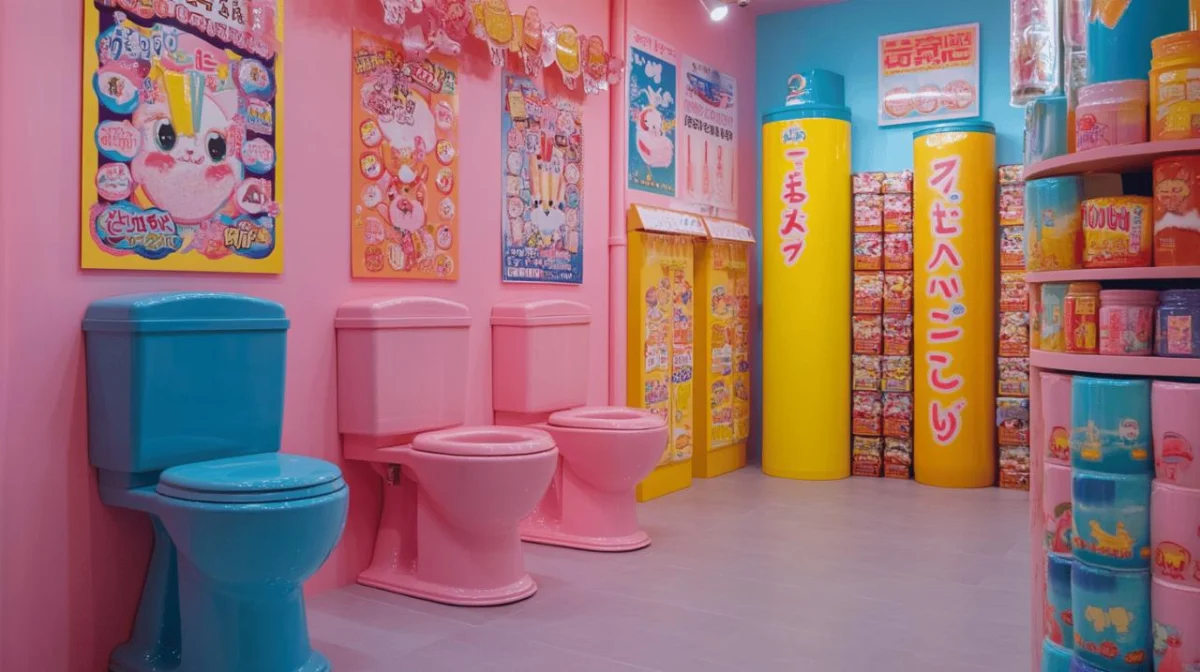
In the vibrant, hyper-creative landscape of Japanese confectionery, few products have managed to capture the global imagination quite like the Moko Moko Mokoletto. At the intersection of "kawaii" (cute) culture and the bizarre, this DIY candy kit—which requires users to assemble a miniature plastic toilet before concocting a fizzing, edible foam—serves as a quintessential example of Japanese ingenuity. What began as a local novelty in 2013 has evolved into a global symbol of the "weird and wonderful" side of Asian snack culture.
Main Facts: Deconstructing the "Toilet Candy"
The Moko Moko Mokoletto is not merely a sweet; it is a miniature engineering project. Manufactured by the Japanese company Heart, the kit arrives as a series of plastic components that must be snapped together to form a tiny, functional-looking toilet.
The "fun" lies in the chemistry. The kit comes with sachets of flavored powder. Once the user adds water to the reservoir of the toilet, the powder reacts to create a thick, effervescent, and sweet foam that rises to the top of the bowl. Consumed via a tiny straw or spoon, the experience is designed to be interactive, tactile, and intentionally provocative.
Its defining characteristics include:
- DIY Architecture: The requirement to build the product before consumption adds a "toy" element that appeals to both children and adult collectors.
- Chemical Theater: The foaming reaction provides a sensory experience that standard confectionery lacks.
- Cultural Irony: By taking an object traditionally associated with the mundane or the taboo and turning it into a vessel for a sugary treat, the product masterfully subverts household norms.
A Chronology of a Viral Sensation
The trajectory of Moko Moko Mokoletto is a case study in the power of the early 2010s internet and the rise of "unboxing" culture.
2013: The Domestic Launch
When the product first hit shelves in Japan, it was marketed as a "Dagashi"—a type of affordable, nostalgic candy designed for children. However, its visual absurdity immediately caught the eye of the burgeoning social media community.
2014: The Global Breach
By 2014, the candy had crossed the Pacific and reached European markets. It became a staple of "Japanese Candy Subscription Boxes," which were peaking in popularity at the time. Bloggers and early YouTubers began featuring the product in "taste test" videos, often emphasizing the shock value of the design.
2015–Present: The "WTF" Cult Status
The product transitioned from a novelty snack to a collector’s item. Various iterations, including different colors, limited-edition designs, and flavor expansions, ensured that the Moko Moko Mokoletto remained relevant in niche online communities dedicated to "Fantaisyland" imports.
Supporting Data: Digital Footprints and Market Reach
The success of Moko Moko Mokoletto is inextricably linked to the digital revolution. Unlike traditional candy that relies on mass-market television advertising, this product thrived on the "shareability" of the experience.
The Role of Niche Blogs
The product owes much of its international visibility to specialized lifestyle blogs such as La Banane qui Parle and Un Loulou et une Poupette. These platforms provided detailed, step-by-step documentation of the assembly process. One such report noted over 6,500 direct visitors interested in the specific mechanics of the candy, highlighting that the content surrounding the product was often more popular than the product itself.
Social Media Engagement
The rise of the "reaction video" was instrumental. Because the product is inherently funny, it became a goldmine for content creators. The act of "drinking from a toilet" created a visual hook that was perfect for the rapid-fire engagement algorithms of platforms like Vine (at the time) and early YouTube. The data suggests that the product’s life cycle is directly proportional to its appearance in "challenge" videos, where influencers dared each other to try the bizarre Japanese treat.
Official Perspectives and Industry Philosophy
While the product is often labeled "WTF" (a term used in pop-culture media to describe its shock factor), the manufacturing philosophy behind it is deeply rooted in Japanese consumer psychology.
The "Play-to-Eat" Philosophy
Japanese confectioners have long believed that the value of a candy lies in the process of eating it, not just the flavor. By turning the consumer into a "creator," the brand builds a psychological bond with the user. The manufacturers argue that this is not about being "gross," but about "playful disruption."
Branding and Intellectual Property
The company has successfully defended its design while simultaneously collaborating with other Japanese pop-culture brands. By positioning the Moko Moko Mokoletto within the "Fantaisyland" category of imports, they have managed to insulate the product from the criticisms of "tastelessness." Instead, they market it as a "toy-snack hybrid," effectively placing it in the same category as other interactive kits, such as those that allow children to make edible sushi or clay-like sweets.
Sociological Implications: Why We Love the Bizarre
The enduring popularity of this product raises questions about why Western audiences are so fascinated by Japanese "weird" snacks.
The Aesthetics of Play
In Western culture, food is often heavily regulated and separated from "toys." Japan’s ability to blur these lines allows for a form of creative expression that feels liberating to Western consumers. The Moko Moko Mokoletto acts as a form of "cultural tourism"—by participating in the ritual of the foam-toilet, the consumer feels a momentary, albeit humorous, connection to the eccentricity of Japanese urban life.
The Digital "Community of the Strange"
The product has successfully fostered an online community. Whether through Reddit threads dedicated to Japanese snacks or Instagram pages showcasing candy collections, Moko Moko Mokoletto serves as a "badge of entry" for enthusiasts. It is an item that signals a user is "in the know" regarding international trends.
The Evolution of Marketing
The success of this product marks a shift in how food companies approach younger demographics. Traditional advertising is often ignored, but "experiential" marketing—where the user creates the content—is highly effective. The Moko Moko Mokoletto proved that if you make a product interesting enough to be filmed, the consumer will do your marketing for you.
Conclusion: A Lasting Legacy of Fun
The Moko Moko Mokoletto is more than just a passing fad. It is a testament to how far a concept can travel when it taps into the fundamental human desire for play. By merging the mundane with the extraordinary, Japanese manufacturers have created an icon of modern confectionery.
While critics may argue that the product is a frivolous use of plastic and sugar, the sheer joy it has brought to millions of people through videos, blog posts, and shared experiences is undeniable. As long as there is an internet hungry for the next quirky, shareable trend, products like the Moko Moko Mokoletto will continue to thrive, proving that in the world of candy, the only limit is one’s imagination—and perhaps, a little bit of foam.