Basiran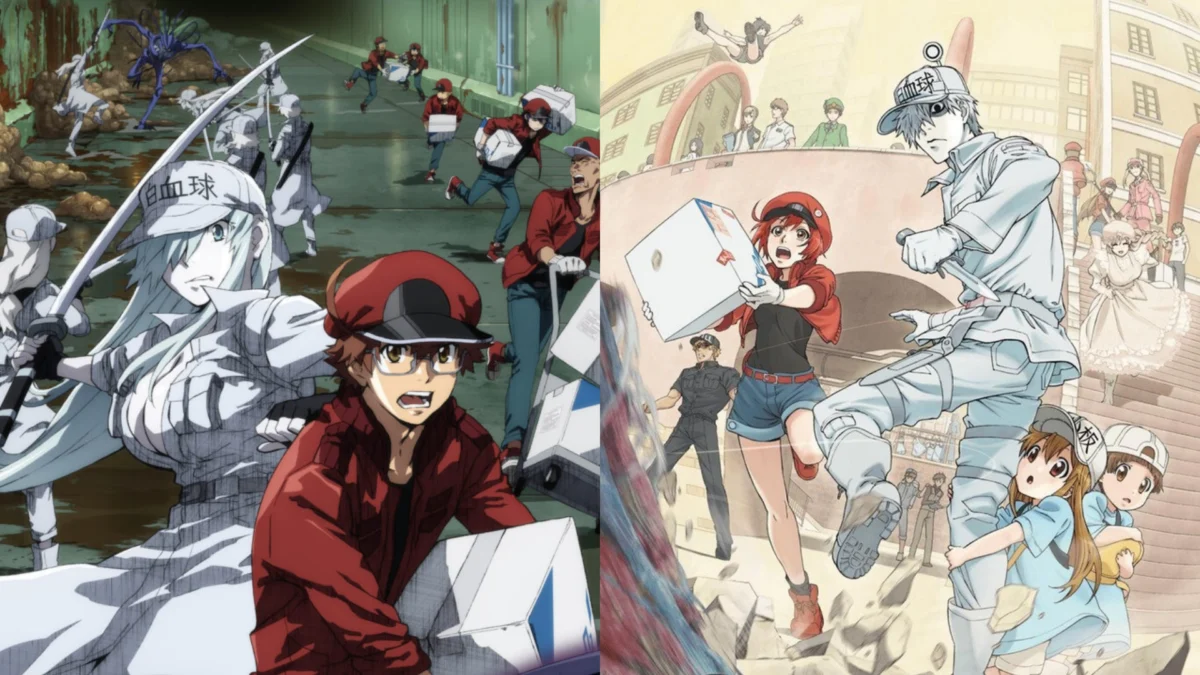
The manga industry, a global powerhouse of cultural export, is facing a moment of profound introspection following a harrowing statement released by Akane Shimizu, the celebrated creator of the international phenomenon Cells at Work! (Hataraku Saibō). Shimizu, whose work has educated and entertained millions by personifying human biology, has peeled back the curtain on a deeply traumatic period of her life, revealing that the success of her franchise was built upon a foundation of personal abuse, professional harassment, and systemic exploitation.
Shimizu’s testimony—shared via her personal social media channels—has sent shockwaves through the Japanese entertainment sector. Her account details a harrowing convergence of private trauma and professional malpractice that has reignited urgent debates regarding the treatment of mangaka (manga artists) and the power imbalances inherent in the traditional publishing model.
A Legacy Marred by Trauma: The Personal Revelations
At the heart of Shimizu’s statement is an admission of extreme personal suffering. She revealed that throughout the early years of the Cells at Work! serialization, she was a survivor of sexual abuse at the hands of a family member. This private agony was compounded by what she described as a toxic and hostile environment at Kodansha, the publishing giant behind her work.
Shimizu detailed years of persistent harassment by editors, an environment that effectively stripped her of the agency and dignity required to thrive. The toll of this dual victimization—the abuse at home and the professional bullying—precipitated a severe mental health crisis. Shimizu candidly admitted that the pressures of maintaining the grueling pace of a hit manga series while dealing with such profound psychological trauma led her to attempt suicide during the height of the series’ popularity.
For many fans, this news was particularly jarring. Cells at Work! is often praised for its bright, educational, and optimistic tone. The juxtaposition of such a cheerful intellectual property with the bleak reality of its creator’s internal life serves as a stark reminder that the creators behind beloved works are often navigating personal battles invisible to the public eye.
The Business of Exploitation: Intellectual Property and Professional Ethics
Beyond the personal abuse, Shimizu’s statement highlighted systemic issues regarding how intellectual property is handled in the manga industry. She accused Kodansha of aggressive, unauthorized expansion of the Cells at Work! brand. According to the artist, numerous spin-off manga projects, merchandise lines, and promotional ventures were launched without her prior knowledge or express approval.
Perhaps most egregious were the claims regarding creative credit. Shimizu alleged that in several instances, the publisher failed to properly attribute the work to her as the original creator. This practice, while unfortunately common in high-pressure publishing environments where multiple entities hold rights to a franchise, raises serious questions about the ethics of creator compensation and recognition.
When a series reaches the cultural saturation point of Cells at Work!, the franchise often becomes a "machine" that operates independently of the original artist. Shimizu’s testimony suggests that the machinery of the industry sometimes prioritizes the monetization of an IP over the fundamental rights and creative integrity of the person who conceived it.

Chronology of a Crisis: From Success to Disclosure
The trajectory of Cells at Work! has been one of meteoric success, beginning with its debut in 2015. However, the timeline of Shimizu’s struggles suggests that the "success" was felt very differently by the creator than by the publisher.
- 2015–2018: The serialization period saw the rapid rise of the series. During this time, Shimizu reports that she was suffering under the weight of domestic abuse and editorial harassment.
- The Mid-Serialization Peak: As the anime adaptation gained international acclaim, the commercial pressure to produce spin-offs and merchandise intensified. It was during this period that Shimizu reports the unauthorized use of her work and the failure to provide proper creative credits.
- The Breaking Point: The culmination of these stressors resulted in a mental health crisis and an attempted suicide, forcing a confrontation with the reality of her working conditions.
- The Recent Aftermath: Following the public dissemination of her statement, a significant outpouring of support from the manga community forced a spotlight onto the publishing practices of the industry.
- Current Status: In a follow-up statement, Shimizu clarified that her current professional situation has changed. She is now working with a new editor with whom she maintains a positive, collaborative relationship, and she has confirmed that all recent projects are being developed with her full consent and oversight.
Systemic Pressures: The Manga Industry’s "Black" Reputation
Shimizu’s case is not an isolated incident but rather a high-profile example of the "black" (exploitative) working conditions that have plagued the Japanese manga industry for decades. The industry is notoriously demanding, characterized by:
- Extreme Deadlines: The weekly or monthly serialization cycle leaves little room for rest, often leading to chronic health issues and burnout.
- Power Imbalance: The editor-artist relationship is frequently hierarchical. An editor often wields immense influence over a creator’s career, and in cases of abuse, the artist may feel unable to protest for fear of losing their platform or being "blacklisted."
- Intellectual Property Rights: In many contracts, the publisher retains significant control over the IP, often allowing for the development of spin-offs and adaptations that the creator may not have the legal leverage to stop.
- Lack of Mental Health Support: While awareness is growing, many publishing houses historically lacked the infrastructure to support creators undergoing mental health crises, viewing the work as the only priority.
Industry and Fan Response: A Call for Reform
The response to Shimizu’s revelations has been profound. Fellow mangaka, many of whom have shared similar, if less public, stories of editorial mistreatment, have expressed solidarity. Fans have taken to social media to voice their support, demanding that Kodansha and other major publishers implement more rigorous protections for their creators.
The discussion has moved beyond just sympathy; it is now a policy-oriented conversation. Critics are calling for:
- Stronger Contractual Protections: Ensuring that artists have a "right of refusal" regarding spin-offs and merchandise.
- Independent Editorial Oversight: Establishing neutral bodies that can mediate disputes between creators and their publishers.
- Mental Health Initiatives: Normalizing the inclusion of mental health breaks in production schedules and providing resources for artists dealing with trauma.
Implications for the Future of Manga
As the manga industry continues to expand into a global entertainment powerhouse, the "old ways" of doing business are becoming increasingly untenable. Shimizu’s courage in coming forward has created a precedent that will make it harder for publishers to hide behind the veil of industry tradition.
The shift in Shimizu’s own working environment—noted by her positive relationship with her current editor—proves that change is possible. When publishers prioritize the humanity of the creator, the quality of the work often improves, and the longevity of the partnership increases.
However, for this change to be systemic, it must move from the individual level to the institutional level. The Cells at Work! case will likely be cited in future labor rights discussions within the Japanese creative sectors. Whether this leads to a formal "Creators’ Bill of Rights" or simply a more cautious approach by publishers remains to be seen.
Ultimately, Akane Shimizu’s story is a reminder that the brilliance of a creator’s imagination does not exempt them from the cruelty of the world. As her fans continue to celebrate the legacy of her work, they are also honoring her resilience—a struggle that has proven to be just as impactful as the story of the white blood cells and red blood cells she brought to life. The manga industry has been put on notice: the era of silent suffering is ending, and the call for accountability is only getting louder.


 Asro
Asro
 Muslim