

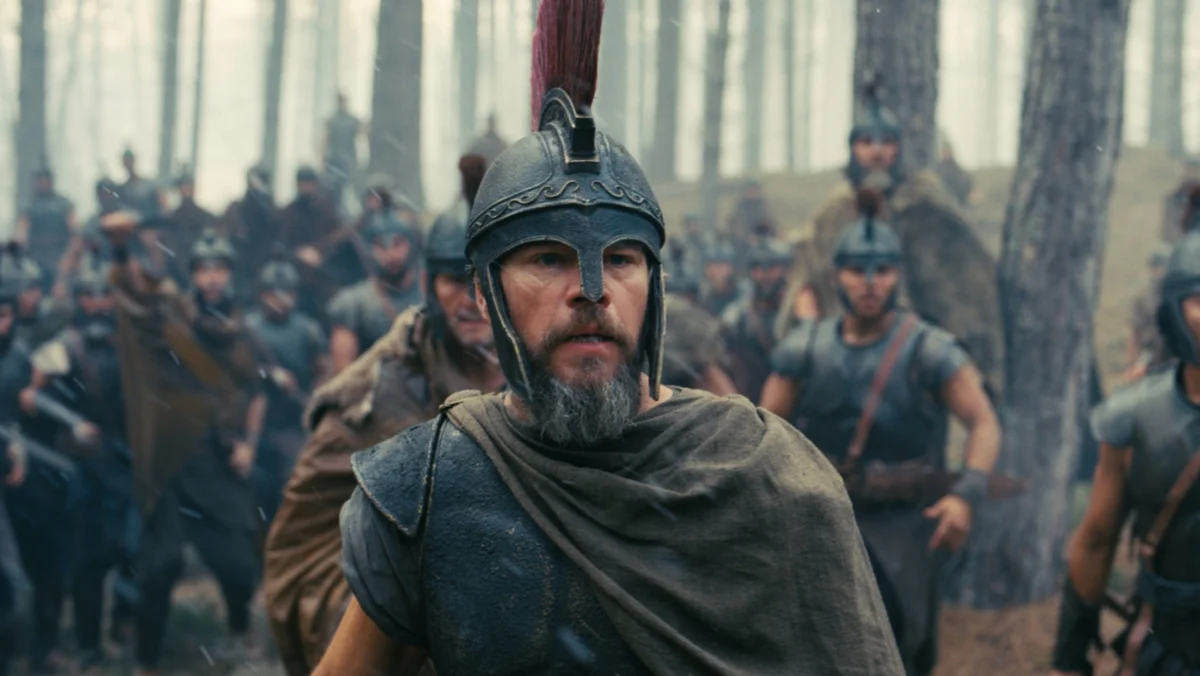
In the modern cinematic landscape, where intellectual property (IP) often dictates commercial success, Christopher Nolan stands as a rare, singular exception. His name has become a brand unto itself—a seal of quality that guarantees a specific brand of spectacle and intellectual rigor. As the industry turns its eyes toward the summer of 2026, all focus is centered on his latest magnum opus, The Odyssey. With projections climbing higher as the release date approaches, it is increasingly clear that Nolan is about to achieve something few directors ever have: surpassing the cultural and financial gravity of his own previous hits.
The Main Event: A New Benchmark for Blockbusters
Christopher Nolan’s latest project, a sweeping, high-budget adaptation of Homer’s ancient epic The Odyssey, is not merely a film release; it is a cultural event. According to the latest tracking data from Box Office Theory, the film is currently projected to secure an opening weekend between $98 million and $132 million. These figures represent a significant upward revision from earlier, more conservative estimates that placed the debut between $80 million and $100 million.
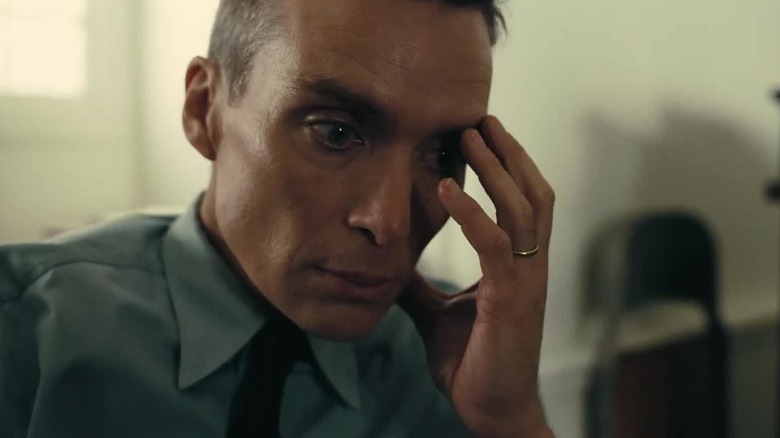
This momentum suggests that The Odyssey is positioned to eclipse the opening weekend of Nolan’s 2023 phenomenon, Oppenheimer. While Oppenheimer defied industry logic by earning $82.4 million during its debut—fueled in part by the "Barbenheimer" cultural phenomenon—The Odyssey appears to be generating similar levels of organic, unforced anticipation. For a non-superhero, R-rated epic, these projections are nothing short of extraordinary.
A Chronology of Anticipation
The journey of The Odyssey from concept to the silver screen has been marked by a series of deliberate, high-stakes marketing choices that have kept the film in the public consciousness for over a year.
- The Announcement (2025): Universal Pictures officially announced its reunion with Nolan following the historic success of Oppenheimer. The project was immediately framed as the most ambitious undertaking of the director’s career.
- The Ticket Stunt (Mid-2025): In a move that signaled total confidence in the film’s draw, Universal released IMAX tickets for the film a full year in advance. The result was an immediate, near-total sell-out of premium format screenings, signaling to theater owners and industry analysts that the audience hunger was not just present—it was feverish.
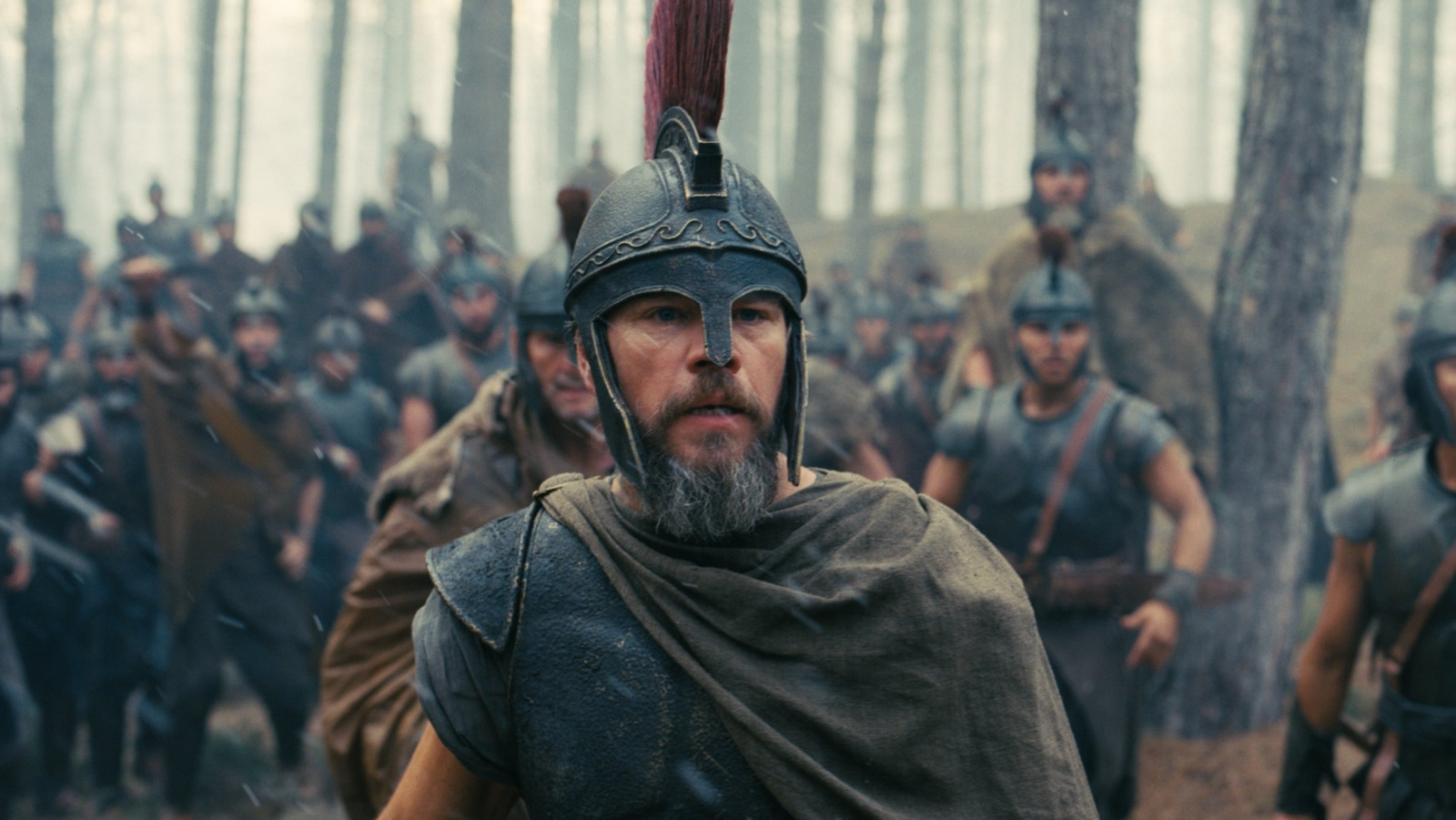
- The Casting Reveal: As the ensemble was unveiled—featuring Matt Damon as the titular Odysseus, supported by Tom Holland, Zendaya, Anne Hathaway, and Robert Pattinson—the film’s "must-see" status was cemented.
- Early Reactions (June 2026): Following the first wave of early screenings, critics and industry insiders have described the film as a masterclass in scale and tension, further fueling the upward trajectory of opening weekend projections.
Supporting Data: By the Numbers
To understand the magnitude of what The Odyssey is attempting, one must look at the historical context of Nolan’s career.
The $500 Million Club
Nolan remains the only director in contemporary cinema to have five consecutive films cross the $500 million mark worldwide, a streak extending from The Dark Knight through Dunkirk. His ability to draw international audiences—a demographic that has become increasingly selective—is unmatched. While many Hollywood blockbusters struggle to find traction outside North America, Nolan’s films consistently find a global appetite, particularly in the premium IMAX and large-format sectors.
The Budget-to-Risk Ratio
The Odyssey carries a reported $250 million production budget. This places it in the upper echelon of modern blockbuster spending, and notably, it stands as one of the most expensive R-rated films in history. While traditional studio logic might view this as a liability, Universal Pictures is operating under a different paradigm. By investing heavily in a filmmaker of Nolan’s caliber, they are effectively paying for a "prestige safety net"—the near-certainty that the film will be a major player in the subsequent awards season, which in turn fuels long-term theatrical legs.
Historical Comparison
If The Odyssey hits the higher end of its $132 million projection, it would place it in the same rarified air as Marvel’s Deadpool (2016), which opened to $132.4 million. Comparisons to The Hunger Games: Mockingjay – Part 2 ($102.6 million opening) further illustrate the massive scale of the expected debut. The film is currently tracking to be Nolan’s largest opening since 2012’s The Dark Knight Rises, which remains the high-water mark of his career at $160.8 million.
Official Industry Perspectives
Universal Pictures has maintained a stance of quiet confidence. By empowering Nolan to pursue his vision without the typical constraints placed on tentpole franchises, they have cultivated a partnership that is the envy of other studios.
Industry analysts at Deadline and other major trade publications have noted that the "Nolan Factor" acts as a unique multiplier for box office intake. Unlike franchise films that rely on brand recognition, Nolan’s films rely on the audience’s trust in his process. When Oppenheimer secured $975.8 million globally, it proved that adult-skewing, dialogue-heavy dramas could perform like action blockbusters. The expectation for The Odyssey is that it will combine the narrative complexity of his past work with the visceral, high-stakes spectacle of his action films, creating a perfect storm for theater owners.
The Broader Implications for Cinema
The success of The Odyssey will have profound implications for the future of the film industry.
1. The Death of the "Safe" Bet
For years, studios have doubled down on established intellectual property (comics, toys, sequels) to guarantee box office returns. If The Odyssey—an adaptation of classical literature—outperforms major franchise entries, it will force a re-evaluation of what constitutes a "blockbuster." It proves that a visionary director, provided with the right resources, can be a more bankable asset than a known brand.
2. The R-Rating Renaissance
There has long been a fear in Hollywood that R-ratings truncate a film’s potential reach. Oppenheimer broke this myth, and The Odyssey is poised to bury it. By demonstrating that mature audiences are willing to show up in record numbers for expensive, R-rated epics, the industry may see a shift toward more sophisticated, high-budget adult filmmaking.
3. The Power of the Premium Experience
The immediate sell-out of IMAX tickets a year in advance highlights a critical trend: audiences are increasingly prioritizing the "event" aspect of cinema. In an era of streaming, viewers are willing to pay for a premium, non-replicable experience. The Odyssey is clearly being marketed as a film that must be seen on the largest screen possible, a strategy that is paying dividends in both buzz and ticket sales.
4. Sustaining the Theatrical Window
Finally, the performance of this film will likely bolster the case for extended theatrical windows. If The Odyssey performs as expected, it will provide theater chains with the ammunition they need to demand longer exclusive runs for big-budget films, further distancing the "cinema experience" from the "streaming experience."
Conclusion: A New Standard
As July 17, 2026, approaches, the film industry is witnessing something rare: the convergence of critical prestige and massive commercial scale. Whether The Odyssey ultimately lands at $100 million or shatters expectations at $150 million, the trajectory is clear. Christopher Nolan is not just competing with other directors; he is competing with his own history, and by all current metrics, he is winning. For theater owners, studios, and audiences alike, The Odyssey represents a return to the purest form of the "must-see" blockbuster, confirming that as long as there are filmmakers of Nolan’s caliber, the theatrical experience will remain the beating heart of the entertainment industry.








