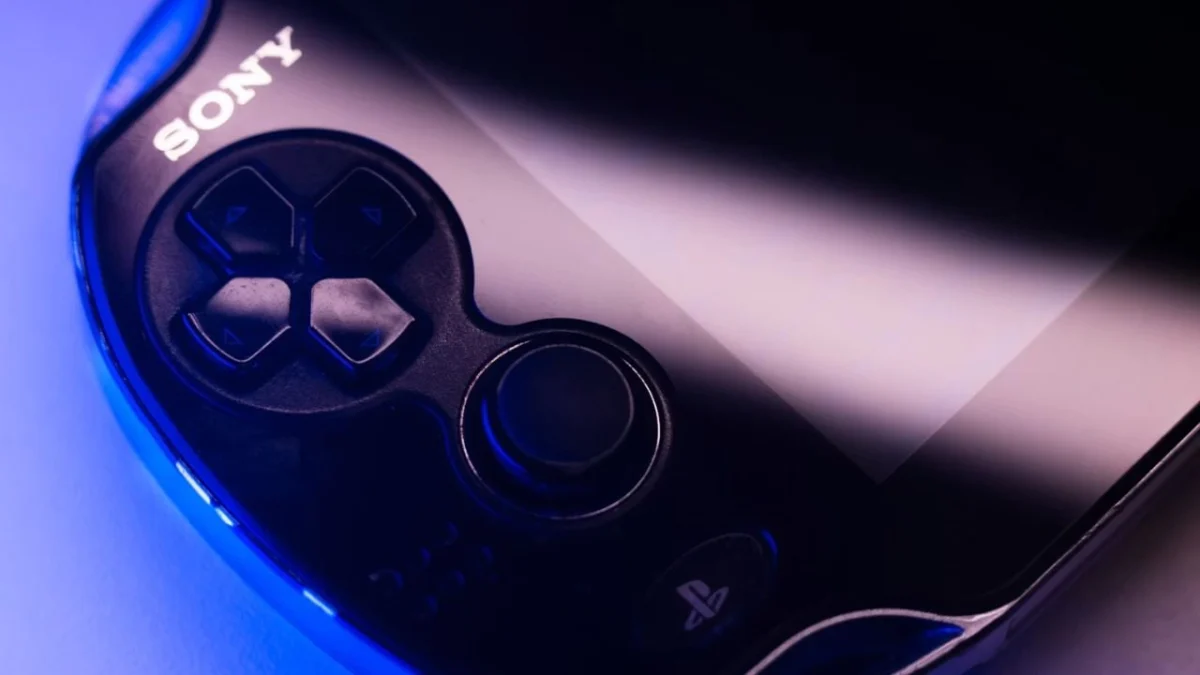
As the gaming industry looks toward the horizon of the next console generation, speculation surrounding Sony’s strategic roadmap has intensified. While the PlayStation 6 is widely expected to debut in late 2027, recent credible leaks suggest that Sony is not merely iterating on a traditional home console experience. Instead, the tech giant appears to be preparing a radical pivot: the development of a powerful, dockable handheld device, internally codenamed "Canis."
Should these reports hold true, this project would mark Sony’s first foray into the dedicated handheld market since the PlayStation Vita, signaling a desire to challenge the dominance of the Nintendo Switch and the rising tide of PC-based handhelds like the Steam Deck and ROG Ally.
The Core Leaks: Unpacking the "Canis" Rumors
The momentum behind the "Canis" project has been fueled by two primary sources: industry hardware leaker KeplerL2 and the tech analysis channel Moore’s Law Is Dead. According to these reports, Sony is moving toward a bifurcated hardware strategy for the upcoming generation.
KeplerL2, whose track record for predicting hardware specifications is highly regarded in the enthusiast community, recently corroborated claims that Sony is finalizing specs for both a next-generation home console and a handheld variant. The crux of the rumor is that Sony aims to bridge the gap between portable convenience and home console power.
Moore’s Law Is Dead (MLID) provided deeper technical context in a recent deep dive, claiming to have accessed "multiple documents" that explicitly outline a dockable handheld device. The most striking assertion from these documents is the device’s performance scaling: the handheld is allegedly designed to play games natively in handheld mode, while docked performance would potentially exceed that of the base PlayStation 5, effectively acting as a high-fidelity hybrid console.
Technical Specifications and Performance Expectations
While concrete data remains scarce, the rumored hardware configuration for "Canis" suggests a significant technological leap for portable gaming.
The RDNA 5 Architecture
Current reports indicate that the device will utilize 16 compute units of AMD’s RDNA 5 architecture, clocked at 1.20GHz. If these specs are accurate, the device would represent a massive jump in graphical efficiency. RDNA 5, being several generations ahead of the current custom silicon found in the Steam Deck or the PlayStation 5, would allow for sophisticated features like hardware-accelerated ray tracing and advanced upscaling technologies—crucial for maintaining visual parity when moving from a handheld screen to a 4K television.
Backward Compatibility
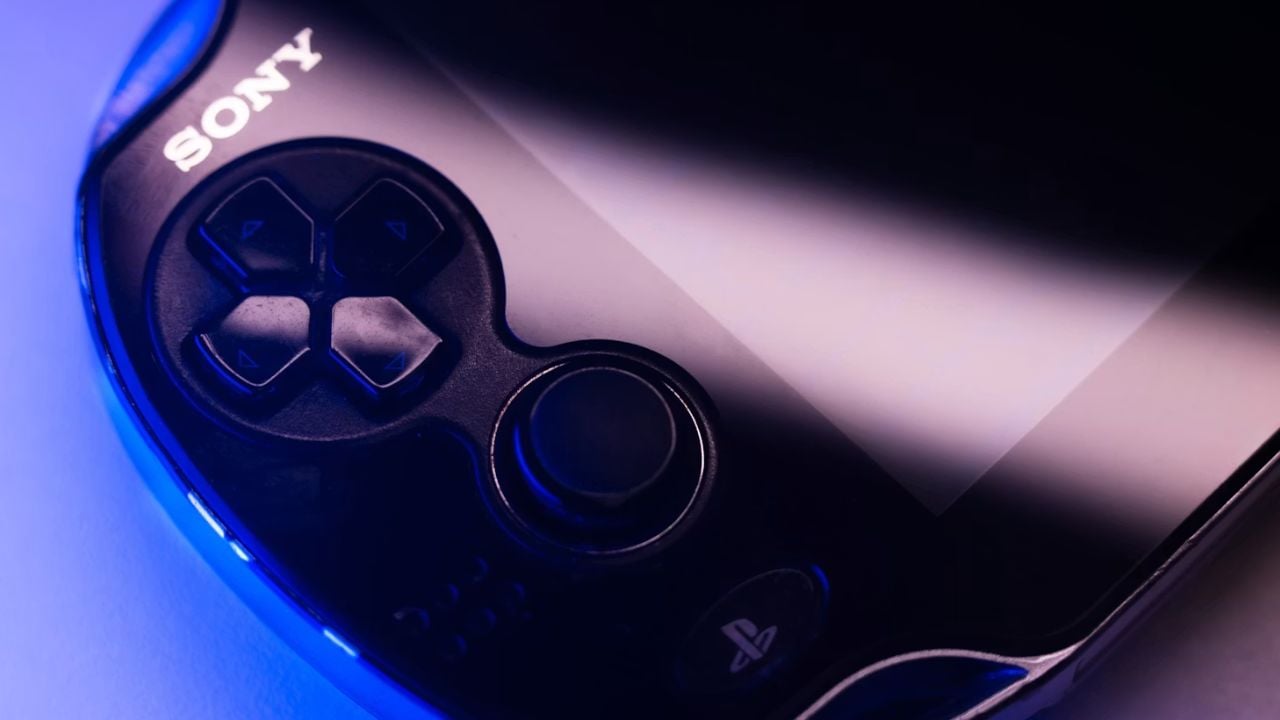
A key pillar of the rumor is that the "Canis" device will be fully compatible with the existing library of PS4 and PS5 titles. For Sony, which has historically struggled with legacy support, this would be a major selling point. By allowing users to take their current digital libraries on the go, Sony could solve the "software drought" problem that often plagues new hardware launches.
Docking and Scalability
The "docking" functionality is the most intriguing aspect of the "Canis" project. Much like the Nintendo Switch, the device would likely utilize a proprietary dock to output higher resolutions and higher frame rates to a TV. However, unlike the Switch, which relies on mobile-grade architecture (the aging Nvidia Tegra X1), Sony’s device would theoretically be built on a custom APU designed for high-performance handheld gaming, ensuring that the "docked" experience feels like a true generational successor to the PS5.
A Chronology of Sony’s Handheld Journey
To understand the weight of these rumors, one must look at Sony’s complicated history with portable gaming.
- 2004: The PSP Era. The PlayStation Portable (PSP) was a massive success, effectively bringing "console-quality" graphics to the palm of a user’s hand. It remains one of the best-selling handhelds of all time.
- 2011: The Vita’s Arrival. The PlayStation Vita launched with high-end hardware, including an OLED screen and dual analog sticks. However, due to expensive proprietary memory cards and a lack of first-party software support, it failed to capture the mass market, eventually being discontinued.
- 2017: The Switch Shift. Nintendo released the Switch, proving that the market desired a hybrid device. While Sony retreated to focus on home consoles, the success of the Switch (and later the Steam Deck) fundamentally changed the gaming landscape.
- 2023: The PlayStation Portal. Sony released the "Portal," a remote-play device. While it lacked native processing power and relied entirely on cloud/local streaming from a PS5, it was a testing ground for consumer interest in PlayStation portable hardware.
- 2027 (Expected): The Next Generation. If the "Canis" rumors prove accurate, this will represent Sony’s return to native portable gaming after a 16-year hiatus.
Industry Implications and Market Strategy
The decision to develop a dockable handheld is not just a technological challenge; it is a massive strategic shift for Sony Interactive Entertainment (SIE).
Challenging the Nintendo Dominance
For years, Nintendo has held a monopoly on the hybrid console space. By entering this arena, Sony is directly positioning itself against the rumored "Switch 2." Sony’s strategy appears to be leaning into its strengths: high-fidelity, AAA cinematic experiences. If Sony can deliver God of War or The Last of Us on a portable device, they could capture an entirely new demographic of gamers who prioritize performance over the whimsical, family-friendly library of Nintendo.
The Pricing Dilemma
Moore’s Law Is Dead has speculated that the device could retail for approximately $500. This is a precarious price point. If the handheld is meant to be a companion to the PS6, it must be affordable enough to gain mass adoption, but the inclusion of high-end AMD hardware makes cost-cutting difficult. Sony will need to decide whether to sell the hardware at a loss—subsidized by game sales—or charge a premium that might alienate casual consumers.
The Impact on Developers
From a development perspective, a hybrid handheld creates complexity. Developers will need to optimize games for two distinct performance profiles: the handheld’s power-efficient mode and the docked, high-performance mode. Sony’s success will depend on whether its development tools (SDKs) make this optimization process seamless, rather than a burden for third-party studios.
Official Responses and Corporate Silence
As of this writing, Sony has maintained its standard policy of silence regarding unannounced hardware. When approached for comment on the "Canis" leaks, Sony representatives noted that the company does not comment on rumors or speculation.
However, the silence is punctuated by Sony’s actions in the boardroom. Under the leadership of Hideaki Nishino and the broader SIE management, Sony has been vocal about wanting to expand the PlayStation brand beyond the living room. The development of the PlayStation Portal and the push into PC gaming ports are clear indicators that the company is looking to maximize the reach of its intellectual property. A native handheld is the logical next step in that expansion.
Conclusion: The Gamble of a Generation
The rumors surrounding the "Canis" handheld represent a high-stakes gamble for Sony. The market for handhelds has matured significantly since the days of the PS Vita, with consumers now accustomed to the versatility of the Steam Deck and the convenience of the Switch.
If Sony successfully brings the power of the PlayStation 6 architecture into a portable form factor, they could fundamentally redefine what "home console gaming" means in the late 2020s. However, the path is fraught with obstacles: battery life concerns, cooling the high-performance RDNA 5 hardware, and the challenge of balancing price against performance.
As we inch closer to 2027, the industry waits with bated breath. Whether "Canis" becomes a reality or remains a fascinating footnote in the history of console leaks, the mere possibility of its existence proves that Sony is not content to stand still in an increasingly portable world. The next generation of gaming may well be decided not by what we play on our TVs, but by what we hold in our hands.