Sagoh
Sagoh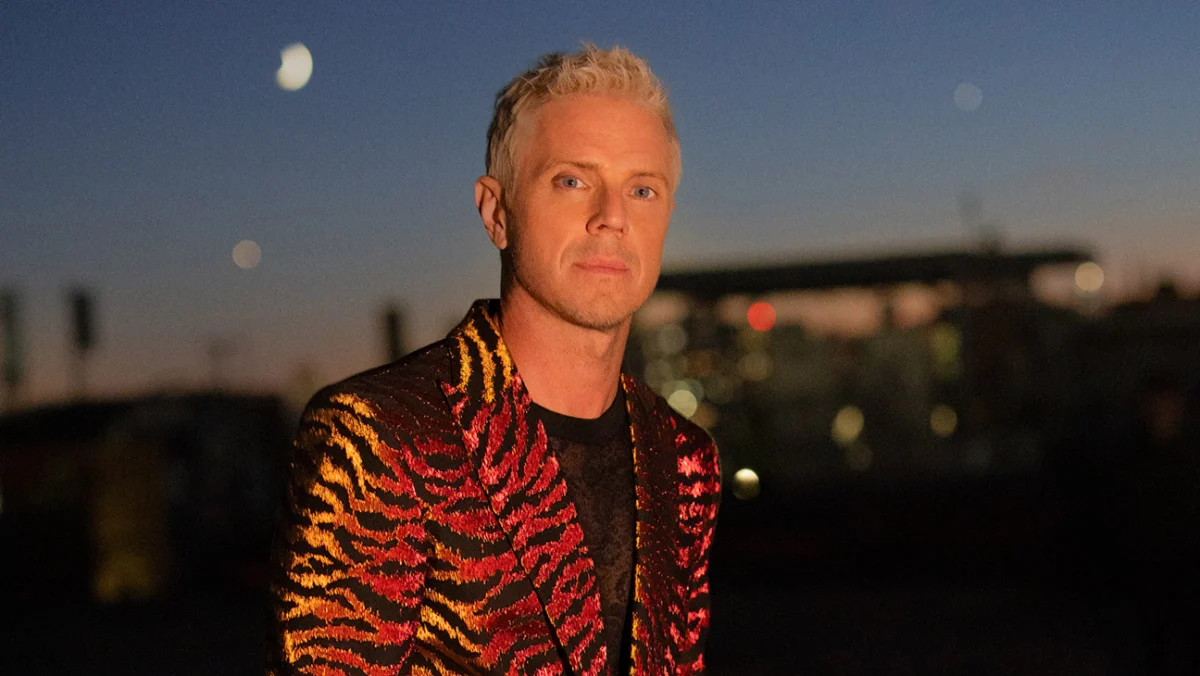
Introduction: A Haunting Piece of History Finds Its Voice
The tragic legacy of the 1973 Up Stairs Lounge fire—a cornerstone of American LGBTQ history that remained largely buried in the national consciousness for decades—is finally poised to reach a global audience. In a significant development for independent cinema, Scissor Sisters frontman and multifaceted artist Jake Shears has officially boarded the upcoming feature film adaptation of Tinderbox as a producer.
Based on Robert Fieseler’s acclaimed 2018 historical account, Tinderbox: The Untold Story of the Up Stairs Lounge Fire and the Rise of Gay Liberation, the film seeks to honor the victims of what remains the deadliest attack on the LGBTQ community in U.S. history prior to the 2016 Pulse Nightclub shooting. By blending the raw, visceral storytelling of Fieseler’s investigation with the evocative, high-energy musical sensibilities of Shears, the project promises to be as much a cultural reclamation as it is a cinematic achievement.
Chronology of a Tragedy and Its Aftermath
To understand the gravity of Tinderbox, one must revisit the humid, tense evening of June 24, 1973, in the French Quarter of New Orleans. The Up Stairs Lounge, a vibrant sanctuary for the local gay community, was packed with patrons celebrating Pride. That peace was shattered when an arsonist ignited the stairwell, leading to a fire that claimed the lives of 32 individuals.
The Immediate Aftermath
The response to the fire was a chilling indicator of the era’s systemic homophobia. Many victims went unclaimed by families ashamed of their sexuality; some were buried in unmarked graves, and several local churches refused to hold funeral services for the deceased. The investigation into the arson was sluggish, and justice remained elusive, leaving a deep, unhealed wound in the heart of the New Orleans gay community.
The Path to Recognition
For years, the fire was treated as a "forgotten" tragedy. It wasn’t until the 21st century that the story began to re-enter the public discourse. Robert Fieseler’s 2018 book served as the definitive turning point, meticulously documenting the lives of the victims and the sociopolitical environment that allowed such a crime to be minimized by the authorities and the press. His work did not just recount a death; it chronicled the nascent stirrings of the Gay Liberation movement in the South, framing the fire as a catalyst for future activism.
The Creative Vision: A New Orleans Synergy
The journey to bring Tinderbox to the screen has been arduous, marked by years of development and multiple attempts to secure the right creative vision. That vision has finally crystallized under the direction of filmmaking duo Colby Holt and Sam Probst.
A Serendipitous Creative Fusion
The collaboration between the directors and Jake Shears borders on the uncanny. While reading Fieseler’s book, Holt and Probst were simultaneously listening to Shears’ solo albums, Jake Shears and B-Sides. They quickly noted a sonic and thematic overlap.
"The more we listened, the more we started to think that Jake’s songs and lyrics related to different characters and scenes in Robert’s book," the duo stated. "Jake and Robert are both New Orleanians, and we feel since these two works were created in this same city, during the same time period, they must have just been in the air together and somehow we picked up on the tune."
This organic connection led to Shears joining the project not just as a producer, but as a musical architect. His contributions will integrate his signature style into the film’s soundscape, bridging the gap between the 1970s setting and a contemporary emotional resonance.
Supporting Data: Why This Story Matters Now
The necessity of Tinderbox cannot be overstated. In an era where LGBTQ rights are once again a central point of legislative and cultural contention, the film serves as a reminder of the fragility of safe spaces.

Historical Context of the Up Stairs Lounge
- The Scale: 32 deaths, making it the largest mass murder of LGBTQ individuals until 2016.
- Societal Stigma: The refusal of many religious institutions to bury the dead highlights the institutionalized discrimination of the 1970s.
- The Catalyst: The fire served as an unexpected ignition point for the Gay Liberation movement in the South, forcing the community to organize and demand visibility in a city that had long kept them in the shadows.
The Production Team’s Provenance
The filmmakers, Holt and Probst, bring a nuanced understanding of queer identity to the project. Their previous indie feature, Ganymede—which centers on the burgeoning romance between a wrestler and an openly gay classmate—demonstrated their ability to handle sensitive, character-driven narratives with authenticity. By partnering with producer Cory Thompson of Rewind Artists, the project secures a veteran hand capable of balancing artistic ambition with the logistical requirements of a high-stakes historical drama.
Official Responses and Industry Impact
The industry reaction to the announcement has been overwhelmingly positive, signaling a hunger for stories that bridge the gap between historical documentary and narrative storytelling.
Cory Thompson’s Perspective
Cory Thompson, who is shepherding the project through his banner, Rewind Artists, emphasized the cultural weight of the film. "Tinderbox is exactly the kind of project we’re passionate about developing at Rewind Artists—stories that are both artistically ambitious and culturally significant," Thompson noted. "Robert’s book is extraordinary, and from the moment Colby and Sam shared their vision for the adaptation, I knew this was a film we wanted to help bring to life."
The Strategic Value of Shears
Jake Shears’ involvement is viewed by industry analysts as a major boon. Beyond his name recognition, his status as an icon of queer pop culture ensures that the project will have an immediate, built-in audience. His transition from music to production—compounded by his recent acting work in Pillion—suggests a deeper commitment to the creative process behind the scenes.
Implications: The Future of LGBTQ Historical Cinema
The production of Tinderbox arrives at a time when the "historical biopic" genre is evolving. Audiences are no longer satisfied with sanitized versions of history; there is an increased demand for the "untold" stories of marginalized groups.
A New Standard for Representation
By centering a story of survival and resistance in the face of immense hatred, Tinderbox aligns with a growing movement to document the history of queer people beyond the trauma narrative. While the tragedy of the fire is central, the film’s inclusion of the "rise of gay liberation" implies a focus on the resilience of the community—a theme that is essential for modern audiences.
The Role of Music as Narrative
The decision to utilize Shears’ music is a strategic narrative choice. Music has historically been a refuge for the queer community, and by embedding Shears’ work into the fabric of the film, the directors are creating an emotional bridge that spans decades. It transforms the historical setting from a dusty relic of the past into a living, breathing emotional experience.
Conclusion: The Long Road Ahead
As the production moves toward the next phase of development, the team behind Tinderbox faces the daunting task of doing justice to the 32 souls lost in that stairwell. With Fieseler’s exhaustive research as the foundation, the combined creative force of Holt, Probst, and Shears offers a promising path forward.
The film will not just serve as a memorial; it will function as an educational tool for a new generation of viewers who may be unaware of the sacrifices made by those who fought for their right to exist in public spaces. In the words of the creative team, this story has been "in the air" for decades, waiting for the right moment to be captured. That moment has arrived.
For more updates on the production of Tinderbox and other industry news, subscribe to The Hollywood Reporter newsletter.


 Iffa Jayyana
 Nila Kartika Wati