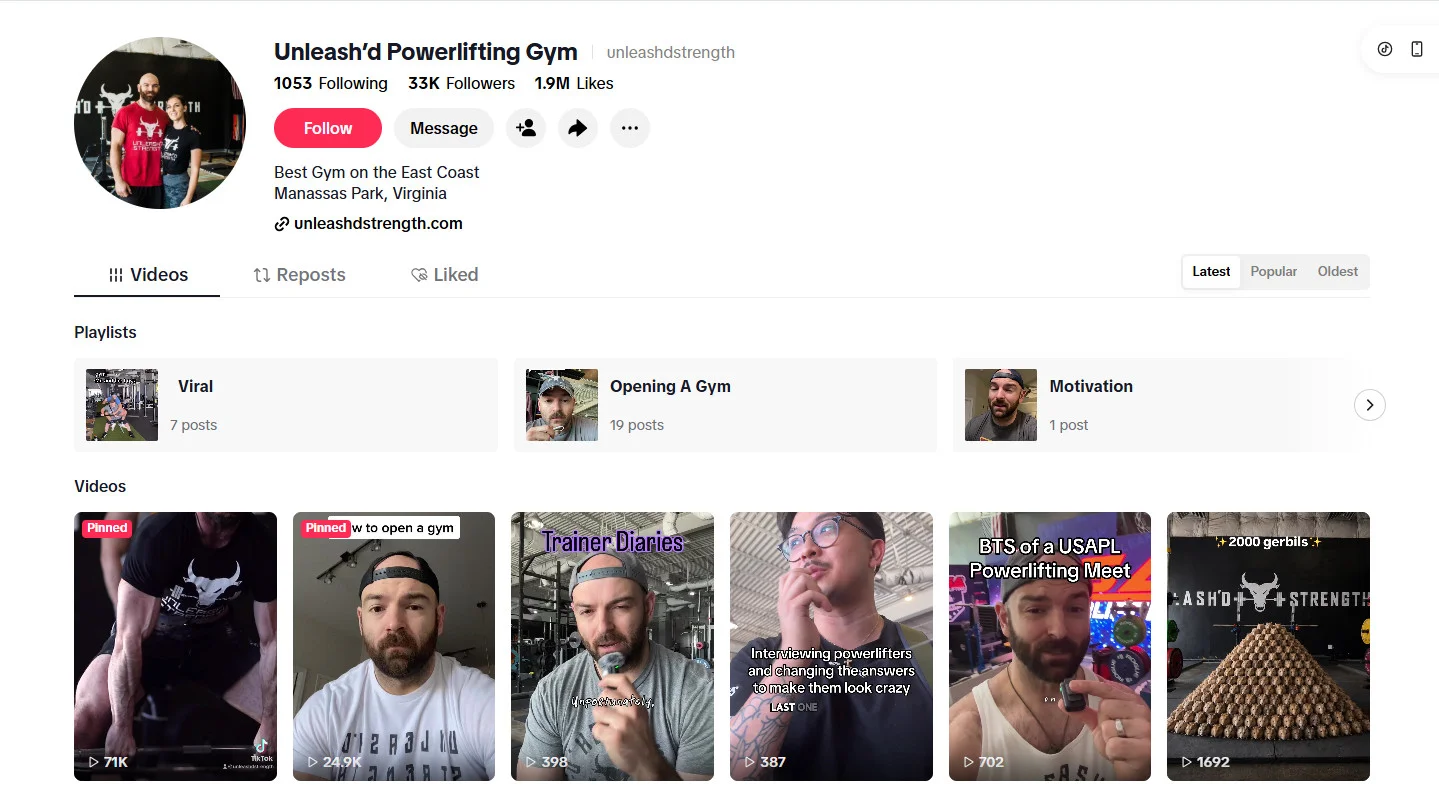
For thousands of gym owners and social media managers, the current state of fitness marketing is defined by a paradoxical frustration. You have posted every week this month. The Instagram Reels are slick, the Stories are active, and the content calendar is technically full. Yet, the trial sign-up rate remains stagnant. When a gym owner asks, "What is social media actually doing for our membership numbers?" the answer is often an awkward silence.
The disconnect is not a lack of effort; it is a structural failure. In the modern digital landscape, gym owners are often trapped in a cycle of creating "brand awareness" content that fails to bridge the gap to lead generation. As Chris Cooper of Two-Brain Business—an organization that has coached thousands of fitness entrepreneurs globally—succinctly puts it: "Likes do not pay the rent for a gym."
To solve this, gym owners must transition from treating social platforms as broadcast channels to viewing them as integral parts of a conversion funnel. This playbook outlines the structural changes necessary to transform engagement into revenue.
The Structural Failure: Why Your Content Isn’t Converting
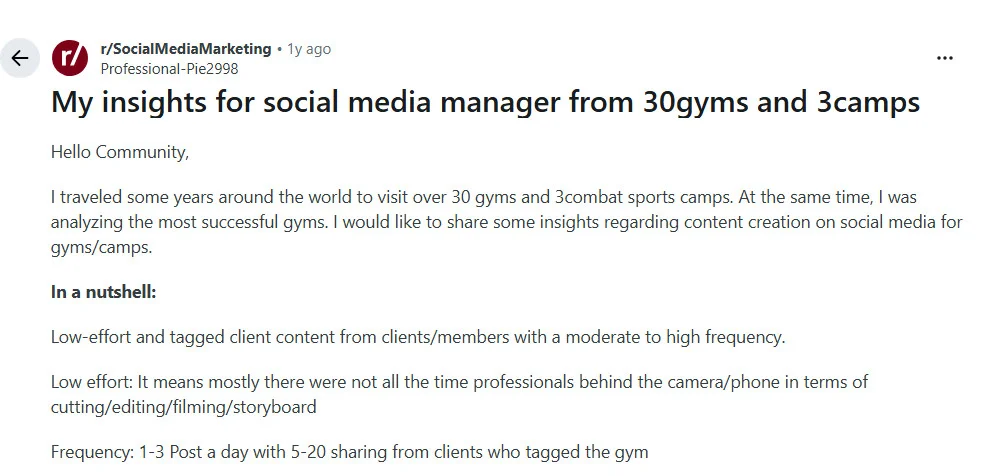
The primary reason social media fails to drive gym memberships is a misalignment between content intent and audience needs. Data from an audit of 30 independent gym accounts revealed a consistent trend: high engagement rates paired with near-zero membership attribution. This occurs primarily due to two "failure modes."
1. Posting for the In-Crowd
The most common mistake is creating content that only resonates with current members. Shoutouts for the "member of the month," recaps of internal challenges, or "great class today" posts are excellent for retention, but they are invisible to a prospect. If a stranger scrolling through their feed cannot immediately understand the value proposition or identify how to join, that post is a missed opportunity. Content must speak to the person who has never set foot in your building.
2. The Absence of a Conversion Mechanism
Engagement without a path forward is merely a vanity metric. A post without a direct call to action (CTA)—such as a booking link, a specific DM prompt, or an irresistible trial offer—leaves the prospect with nowhere to go. According to Two-Brain Business, "Posting value content without a weekly conversion post is brand awareness, not lead generation."
A Strategic Hierarchy: Platform-Specific Roles
The temptation to maintain a presence on every platform is the primary driver of creator burnout. A successful strategy focuses on a platform-first approach, where each network serves a distinct role in the membership funnel.
| Platform | Primary Job | Best Gym Type |
|---|---|---|
| Discovery and social proof | All gym types | |
| Community retention and local ads | 35+ demographic | |
| TikTok | Organic reach to non-followers | Under-35 audience |
| Google Business | Local search and reviews | All gym types |
The "Google First" Rule
Before investing time in social media, optimize your Google Business Profile (GBP). A fully updated GBP drives Google Maps placement and provides the "trust signal" prospects seek before ever clicking an Instagram or Facebook link. Many gym owners treat this as a "set it and forget it" task, but in the world of local SEO, reviews and updated hours are your most effective lead magnets.
The Content Triad: The Three Types That Actually Fill Classes
To maximize impact while minimizing effort, organize your content into a weekly "Triad." By rotating these three categories, you serve every stage of the prospect’s journey without needing to brainstorm new ideas constantly.

1. The Conversion Post (Once per week)
This is your most important post. It must explicitly ask for the business.
- Example: "We have 3 spots left in our 6-week transformation challenge. DM us ‘START’ to claim your spot."
- Goal: Direct lead generation.
2. The Connection Post (Once per week)
This builds trust and humanizes your brand. Share a trainer’s backstory, an unscripted reaction to a member’s milestone, or a behind-the-scenes look at gym culture.
- Goal: Emotional resonance.
3. The Value Post (Once per week)
Educate your audience on a pain point you can solve. A form-correction tip or a nutrition myth-buster establishes your authority as an expert.

- Goal: Long-term trust-building for those not yet ready to buy.
The Conversion Funnel: From Follower to Member
Acquiring a follower is the start, not the end. The following six-step framework is designed to move a lead from passive observer to active member:
- Direct CTAs: Avoid vague prompts like "Learn more." Use action-oriented phrases like "DM us ‘TRIAL’" or "Book your first session at the link below."
- Bio Optimization: Your "Link in Bio" should lead to a single page with one offer and one booking form. Multiple navigation options create "choice paralysis" and kill conversion rates.
- Frictionless Offers: A "Free First Class" or a "No-Card-Required" trial reduces the barrier to entry.
- The 5-Minute Rule: Research from MIT indicates that leads contacted within five minutes are 100 times more likely to be reached than those contacted after 30 minutes. Use a centralized inbox to manage DMs so no inquiry is missed.
- Proactive Follow-ups: Send a gentle, helpful follow-up message 24 hours after an unanswered inquiry.
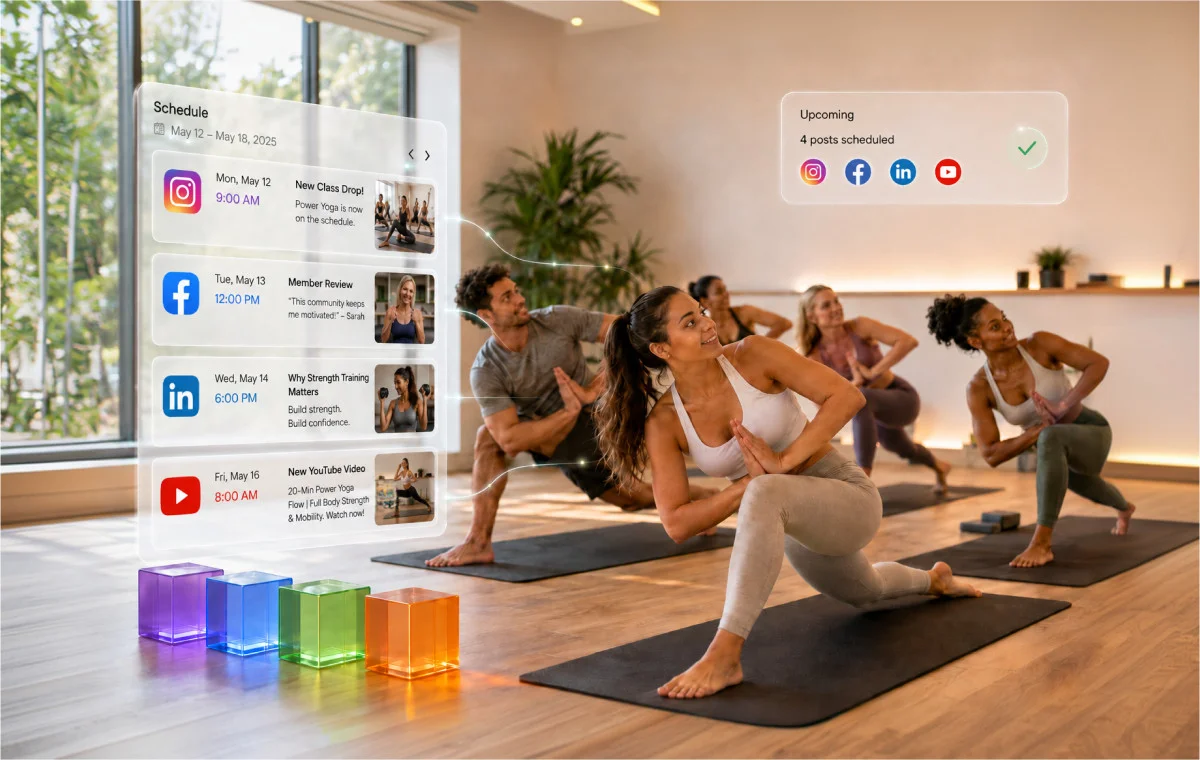
- Batch Workflow: To prevent burnout, use a "Batch Week" approach. Spend 80 minutes once a week filming, writing, and scheduling all your posts across platforms using a unified scheduler.
Implications for Agencies and Owners
For social media managers handling multiple accounts, the "Gym Type" is the primary variable. A boutique HIIT studio targeting 26-year-olds requires a fundamentally different content mix than a senior wellness facility.
However, regardless of the target demographic, the underlying principle remains: Stop chasing vanity metrics. If your follower count is rising but your membership roll is flat, your structural setup is broken.

Measuring Success
When evaluating performance after 30 days, move away from the "Likes" tab and focus on these four metrics:
- DM Inquiries: The most direct indicator of conversion intent.
- Bio Link Clicks: Measures the transition from social engagement to your landing page.
- Profile Visits from Reels: Tracks the reach to non-followers.
- Trial Bookings: The ultimate metric of ROI.
Conclusion: The Simplicity of Growth
The barrier to gym membership growth is rarely a lack of high-production video equipment or a massive ad budget. It is a lack of systemized, intentional communication. By moving to a 3-post-per-week, batched workflow and treating your social profiles as conversion funnels rather than digital scrapbooks, you can align your social media output with the financial reality of your business.
Remember: you do not need more time or a larger team. You need a structure that prioritizes leads over likes. By leveraging tools like unified social inboxes and AI-assisted scheduling, you can reclaim your time and ensure that every piece of content you produce serves the ultimate goal of filling your classes and growing your gym.

For those looking to streamline this process, centralized social media management platforms offer the necessary tools to schedule, engage, and analyze—turning your social presence into a predictable engine for gym growth.