

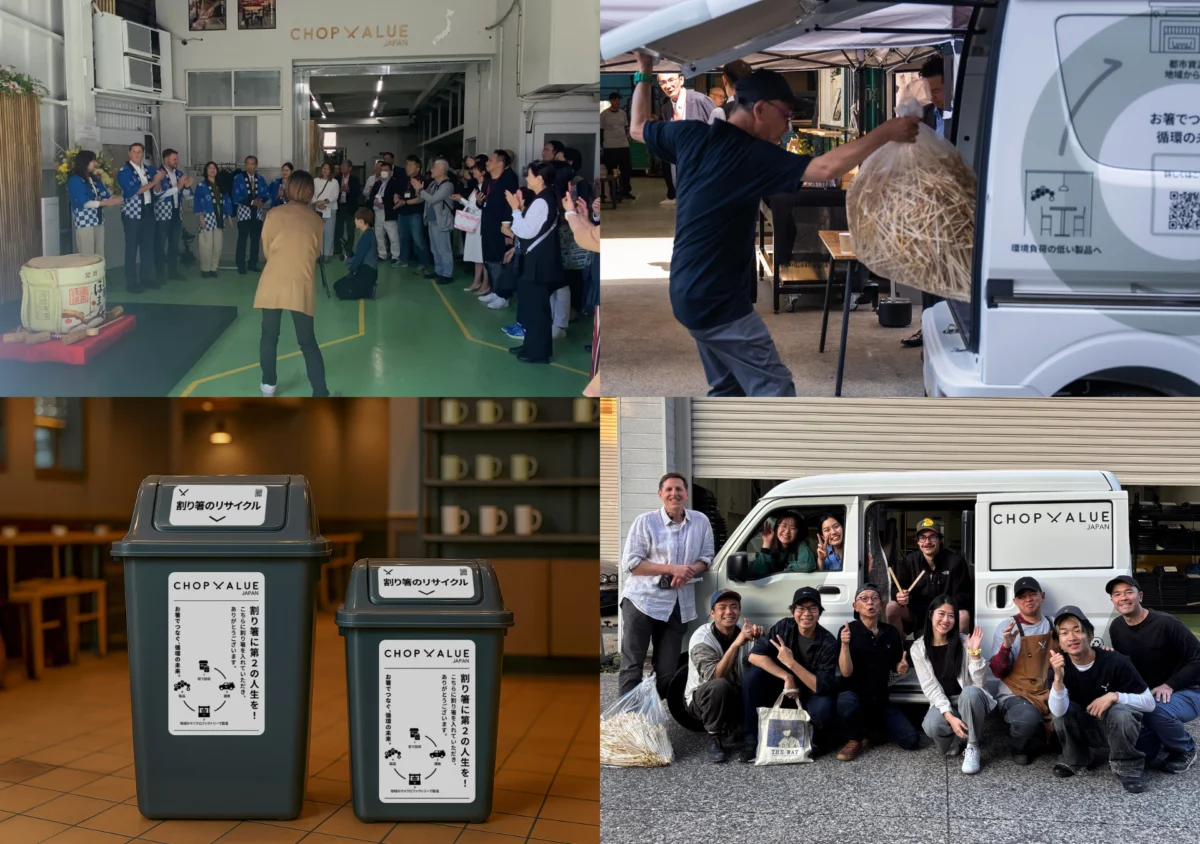
In the culinary landscape of Japan, the disposable chopstick—or waribashi—is as ubiquitous as the meal itself. Every day, millions of people peel apart a pair of wooden utensils to enjoy a bento box, a bowl of ramen, or a quick convenience store lunch. Once the meal is finished, these items are relegated to the bin. While often made from biodegradable bamboo or wood, the sheer volume of single-use waste generated by this daily ritual has long been a quiet environmental concern.
However, a Canadian-born initiative, ChopValue, is turning this narrative on its head. By transforming discarded chopsticks into high-end, engineered building materials, the company is proving that what was once considered trash is, in fact, a valuable resource. Through a landmark policy shift in the city of Kawasaki, this circular economy model has cleared its most significant hurdle yet, setting a new precedent for sustainability in Japan.
The Magnitude of the Waste Problem
To understand the significance of this development, one must first grasp the scale of the consumption. Japan’s reliance on disposable chopsticks is astronomical. Estimates suggest that the country consumes approximately 20 billion pairs of chopsticks annually. While the wood or bamboo used is often a byproduct of other forestry activities, the carbon footprint associated with manufacturing, shipping, and disposing of these billions of items is staggering.
In the past, the "disposable" nature of these utensils meant they were categorized under strict municipal waste management laws. In Japan, waste disposal is governed by rigid regulations designed to prevent illegal dumping and ensure public hygiene. For a company like ChopValue, which aims to collect, sterilize, and compress these items into durable, aesthetic wood products, these laws presented a legal minefield. Simply collecting "garbage" from restaurants required complex, city-specific licenses that made scaling the business model nearly impossible.
Chronology of a Circular Revolution
The journey for ChopValue in Japan has been a methodical pursuit of regulatory reform and operational excellence:
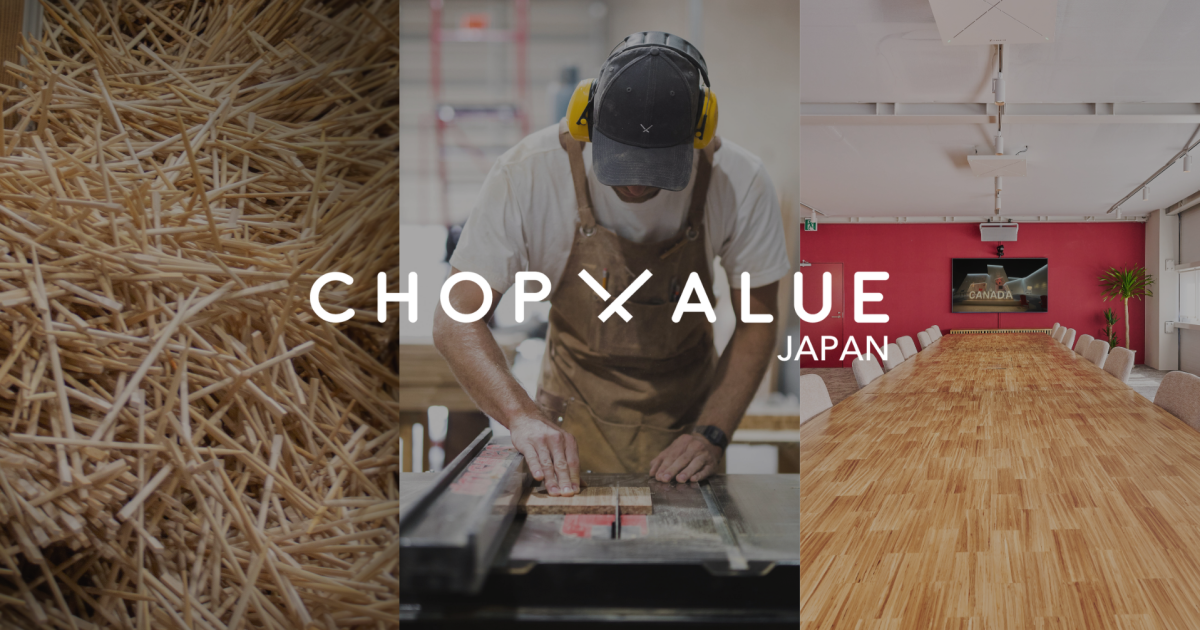
- 2016: ChopValue begins its operations in Vancouver, Canada, perfecting a proprietary densification process that turns used bamboo chopsticks into a composite material harder than maple and more durable than oak.
- 2024: ChopValue Japan officially launches in Kawasaki, Kanagawa Prefecture, marking the brand’s entry into the world’s most chopstick-intensive market.
- 2024–2025: The company enters a research partnership with the Kawasaki City Government. The objective: to prove that the collection and upcycling process is not only safe but environmentally superior to current disposal methods.
- Mid-2026: A historic breakthrough occurs. Kawasaki City officially reclassifies specific bamboo chopsticks collected by ChopValue from "waste" to "valuable material." This legislative pivot effectively removes the barrier to entry, allowing for a seamless collection loop.
The Engineering Behind the Upcycle
The magic of ChopValue lies in its "micro-factory" concept. By creating localized hubs, the company minimizes the carbon footprint associated with transporting waste. The process is a testament to modern material science:
- Collection: Dedicated, branded collection bins are placed in partner restaurants and offices.
- Sterilization: Once collected, the chopsticks undergo a high-heat treatment process to ensure they are sanitized and free of contaminants.
- Densification: The sanitized sticks are coated in a non-toxic resin and compressed under extreme pressure.
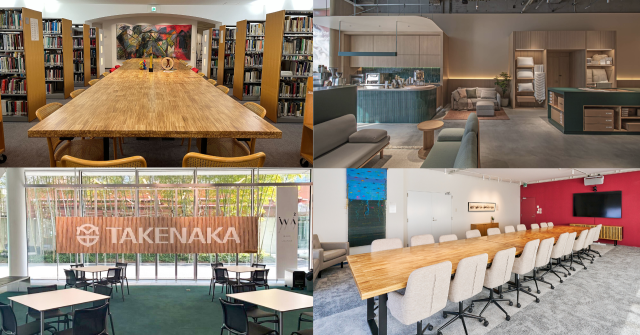
- Transformation: The resulting material is a sleek, engineered wood tile or block, which is then crafted into furniture, wall paneling, and home accessories.
Because the bamboo fibers are kept intact during the compaction process, the final product retains a unique aesthetic—a series of tiny, repeated patterns that tell the story of the thousands of meals the material once helped serve.
Official Responses and Regulatory Shifts
The reclassification in Kawasaki did not happen in a vacuum. It was the result of sustained dialogue between the private sector and local government officials.
"The transition from ‘waste’ to ‘valuable material’ is a fundamental shift in how we perceive resources," stated a spokesperson for the Kawasaki environmental department during the policy announcement. "By verifying the safety and efficacy of the upcycling process, we are allowing businesses to contribute to a circular economy without being burdened by the administrative overhead of traditional waste management."
Under the previous regime, restaurants were forced to keep exhaustive records of every chopstick discarded to comply with local waste tracking. This discouraged many businesses from participating in recycling initiatives. By reclassifying the chopsticks as a resource, the city has removed the paperwork barrier, making it as easy for a restaurant to recycle chopsticks as it is to dispose of them.
However, officials have been quick to clarify the limitations. This designation is not a blanket "get out of jail free" card for all waste. The reclassification specifically applies to the bamboo chopsticks managed within the ChopValue ecosystem. Other forms of waste, or chopsticks collected by unauthorized entities, remain under the jurisdiction of strict municipal waste laws.
Implications for a Sustainable Future
The impact of this decision extends far beyond the borders of Kawasaki. Japan is currently grappling with how to modernize its waste management to meet international sustainability goals. The "Kawasaki Model" provides a blueprint for other cities—and other industries—to follow.
1. Scaling the Model
If the Kawasaki model is successfully adopted by other major urban centers like Tokyo, Osaka, and Nagoya, the potential for impact is massive. Capturing even a fraction of the 20 billion chopsticks discarded annually would divert thousands of tons of material from incinerators and landfills, sequestering that carbon into long-lasting, usable furniture.
2. Influencing Corporate Responsibility
With the regulatory hurdle cleared, Japanese corporations—many of whom are under pressure to improve their Environmental, Social, and Governance (ESG) ratings—now have a tangible way to participate in the circular economy. Partnering with a micro-factory allows these companies to demonstrate a commitment to sustainability that is visible to their employees and customers alike.
3. A New Mindset
Perhaps the most profound implication is cultural. In Japan, the act of saying "Itadakimasu" (I gratefully receive) before a meal is a reminder of the life given to provide the food. The expansion of ChopValue serves as a modern extension of this philosophy: treating the tool used to eat as something worthy of a second life.
The Road Ahead
While the future looks promising, the company faces the challenge of behavioral change. Convincing millions of busy commuters to deposit their chopsticks into a specific bin rather than the nearest trash can requires a significant shift in daily habits.
However, as the brand gains visibility and the aesthetic appeal of their products proves itself in homes and offices across the country, the "chopstick bin" may soon become as common as the recycling bin for PET bottles.
We are approaching a turning point in Japanese sustainability. The era of the "single-use" mindset is being challenged by a smarter, more deliberate approach to resource management. As ChopValue continues to grow, it serves as a powerful reminder that our waste is often just a resource waiting for a better idea. The next time you finish a meal in Kawasaki, take a moment to look for a collection bin. You might just be holding the foundation of a new piece of furniture.












No comments yet. Be the first to join the conversation!