Lina Hope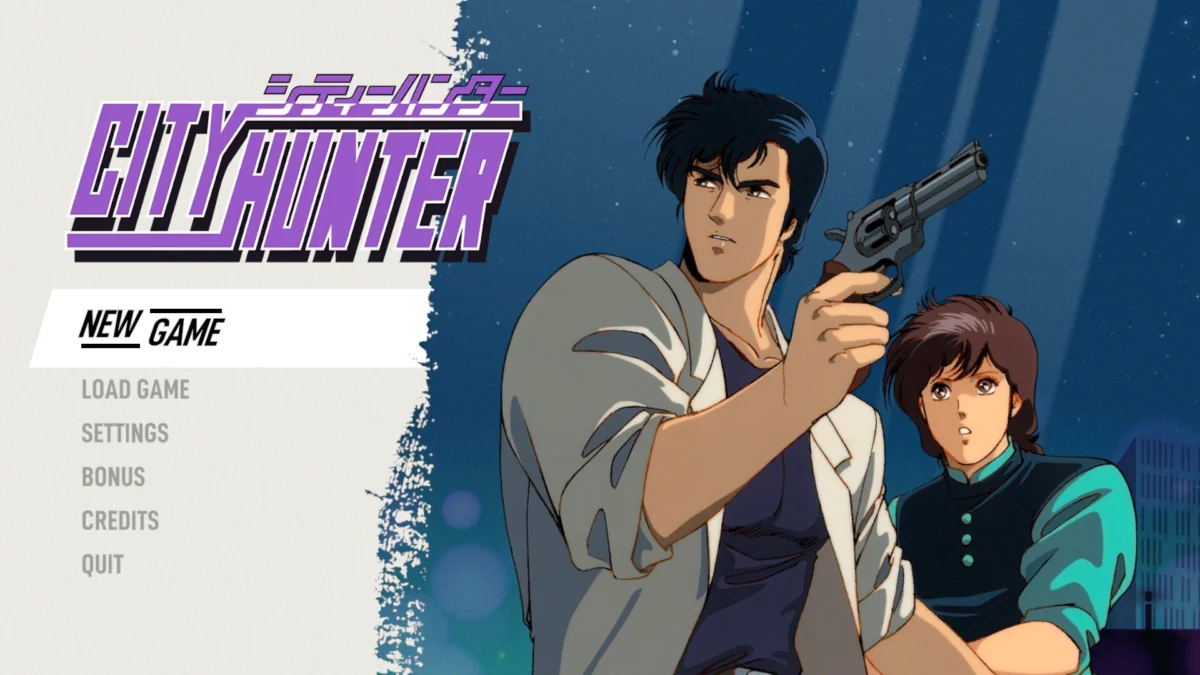
The landscape of modern gaming is increasingly defined by the archival impulse. As developers and publishers look backward to bridge the gap between contemporary hardware and the foundational titles of the late 20th century, we are seeing a surge of "lost" games finally crossing borders that were once restricted by regional licensing and distribution limitations. The latest entry in this wave of historical preservation is the 1990 City Hunter title, which has officially arrived on the Nintendo Switch. While this release serves as both a cultural artifact and a long-awaited celebration for fans of the iconic manga and anime franchise, it also serves as a sobering reminder that historical significance does not always equate to timeless mechanical quality.
The Genesis of a Cult Classic
Originally released in the golden age of arcade-adjacent console action games, City Hunter was a Japan-exclusive title that captured the aesthetic of Tsukasa Hojo’s hardboiled detective series. In an era where side-scrolling action titles were the industry standard, City Hunter sought to capitalize on the immense popularity of Ryo Saeba, the legendary, womanizing, yet incredibly skilled private investigator.
For decades, Western fans of the franchise were left to rely on imported cartridges and emulation to experience this slice of Ryo Saeba’s digital life. The arrival of this official port on the Nintendo Switch is, in many ways, the final chapter of a long-standing request from the global community. However, as the game hits the eShop, it brings with it the baggage of its era—a time when game design philosophy often prioritized difficulty spikes and repetitive loops over the fluid, intuitive gameplay expected by modern audiences.
Gameplay Analysis: A Study in 1990s Frustration
To understand the experience of playing City Hunter today, one must look at the mechanics through the lens of its contemporary, Rolling Thunder. The game casts the player as Ryo Saeba, tasking them with navigating a sprawling corporate conspiracy across three distinct, grueling chapters.
The gameplay loop is deceptively simple: you run, you jump, you climb ladders, you enter doors, and you engage in gunfights. Yet, as the minutes turn into hours, this simplicity quickly decays into profound repetition. The level design, which consists of sprawling, interconnected buildings, suffers from a lack of visual identity. Rooms and corridors bleed into one another with such architectural uniformity that navigation becomes an exercise in memory-testing rather than exploration.

Progression is frequently gated by trial-and-error mechanics. Players are often forced to traverse endless, identical-looking hallways, only to hit dead ends that result in avoidable damage or death. This "trial-and-error" design was a staple of 1990s arcade difficulty, designed to drain coins from players, but on a modern console, it manifests as a tedious hurdle that actively hinders engagement.
Combat and Artificial Difficulty
The combat mechanics are perhaps the most jarring element for the modern player. While the gunplay is functional, it lacks the precision and impact that defined later action titles. The enemy placement feels less like a strategic challenge and more like a deliberate attempt to punish the player for moving through the environment.
It is common to encounter enemies placed at the exact exit of a doorway or the precise point where a screen transitions. This lack of "fairness" in enemy behavior results in unavoidable damage, which—given the game’s limited health resources—makes the experience feel unnecessarily punishing. When combined with the repetitive nature of the level layouts, the combat shifts from being the highlight of the experience to its most significant flaw.
The Preservation Paradox: Can Modern Features Save a Dated Game?
Recognizing that the original experience might be too abrasive for 2026, the development team behind this port has implemented several modern quality-of-life features. These are not merely patches; they are a sincere effort to bridge the gap between 1990 and today.
The Toolkit of Improvement
- Version Selection: Players are given the choice between the original, unadulterated release, an "enhanced" version that tweaks enemy behavior and spawn patterns, and a "hard" mode for those seeking the authentic, punishing experience of the past.
- Rewind Functionality: Perhaps the most vital addition, the ability to rewind gameplay allows players to mitigate the "gotcha" moments caused by the game’s outdated level design. It transforms a source of pure frustration into something manageable, allowing players to focus on the narrative and aesthetic elements of the title.
- Presentation and Extras: The release is bolstered by a comprehensive gallery, a curated music player, and various digital ephemera that demonstrate a genuine affection for the City Hunter IP. These additions are, frankly, the strongest part of the package. They validate the existence of the game as a piece of history, even when the gameplay itself falls short.
Cultural Implications: The Weight of History
The central question surrounding the release of City Hunter is not whether it is a "good" game by modern standards—the consensus is that it is not—but rather why we continue to invest in such projects.

Why Preserve the Mediocre?
Critics might argue that resources should be directed toward games that are still "fun" to play. However, this perspective ignores the importance of archival work. City Hunter is a historical curiosity. It represents a specific moment in the evolution of licensed games, where the goal was to transplant the vibe of an anime into a digital space, regardless of whether the hardware could truly support it.
By releasing this game, the publisher is providing a window into the limitations and the ambitions of 1990s developers. For students of gaming history, the game is an invaluable case study. It explains, quite clearly, why some titles remained locked in their home regions for decades: they were simply not designed to appeal to a broad, global market that was rapidly evolving toward higher standards of user experience.
The Legacy of Ryo Saeba
It is also worth noting the inclusion of the franchise’s trademark humor. City Hunter was never a subtle series, and the game reflects the brash, often inappropriate tone of the early 90s source material. While these elements are part of the original experience, they highlight a disconnect between the sensibilities of 1990 and 2026. This is a recurring issue in retro re-releases: how do you preserve the "authenticity" of a work that is, in several ways, a product of a more regressive cultural climate? The developers have chosen to keep it intact, acknowledging the game as a time capsule rather than a reimagining.
Conclusion: A Curated Curiosity
Ultimately, the Nintendo Switch release of City Hunter is a success as a preservation project but a failure as a piece of entertainment for the casual player. It is a title designed for the hardcore devotee of the City Hunter franchise or the enthusiast of obscure, historical gaming oddities.
If you are a newcomer expecting a "hidden gem"—a lost masterpiece that rivals the Castlevanias or Metroids of its time—you will be disappointed. City Hunter is not a diamond in the rough; it is a rough-hewn stone that tells us much about the path the industry has taken since 1990.

The value here lies in the extras: the galleries, the music, and the documentation of the franchise’s history. It is a package that proves we can treat a subpar game with respect and care. It allows us to experience history without having to suffer through its worst impulses, thanks to the addition of rewind and enhancement features. While it may not earn a place in the pantheon of great action games, its existence on modern hardware is a testament to the fact that, in the world of game preservation, even the "bad" games deserve to be remembered.
History, as this release proves, does not always provide a blueprint for a good time—but it remains an essential record of how far we have come.

 Sagoh
Sagoh
 Ammar Sabilarrohman