
 Reynand Wu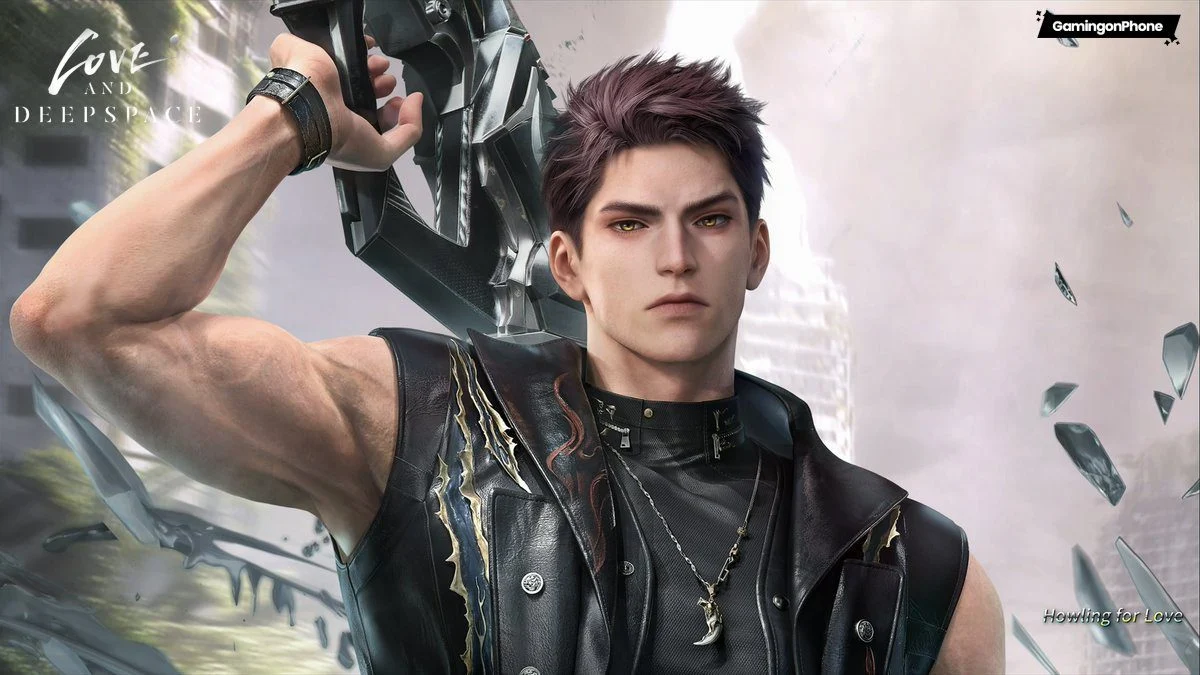
In a stunning reversal that has sent shockwaves through the mobile gaming industry, Infold Games (Papergames) has officially canceled the debut of "Valko" (Ao Yin), a character who was slated to be the sixth male love interest in the hit otome title Love and Deepspace. This decision comes on the heels of a two-week-long, intense public outcry in China that spiraled from aesthetic complaints into a full-blown political and cultural crisis, eventually drawing the attention of state media.
The studio has not only excised the character entirely from future plans but has also committed to a complete restructuring of the game’s narrative roadmap. Moving forward, the developer has confirmed that no additional love interests will be introduced, effectively closing the door on expanding the roster beyond the original five protagonists.
The Chronology of a Crisis
The descent into controversy for Love and Deepspace was swift and multifaceted. What began as a lukewarm reception to a character design rapidly mutated into a massive PR catastrophe.
The Initial Backlash
When Valko was first teased, the initial wave of player dissent was rooted in aesthetics. Fans of the franchise, accustomed to the specific visual language and high-fantasy-meets-sci-fi aesthetic of the existing cast, felt that Valko’s "Western-style werewolf" design was a jarring departure from the established art style. For many, this was merely a critique of creative direction. However, as community members began digging into game files and promotional assets, the conversation shifted from "I don’t like his look" to "What does this represent?"
The Unit 731 Allegations
The situation turned volatile when eagle-eyed players discovered internal game files labeled "0731." For the Chinese player base, this number carries a heavy, traumatic historical weight. Unit 731 was a covert biological and chemical warfare research and development unit of the Imperial Japanese Army during the Second Sino-Japanese War and World War II, responsible for some of the most horrific human experimentation in history.
The association sparked immediate outrage. Players alleged that the inclusion of the number was not a mere coincidence, pointing to accompanying themes in the character’s lore—specifically references to forced control, endurance testing, and invasive medical procedures. While Papergames issued a statement asserting that "0731" was a random, benign placeholder, the explanation was widely rejected. The intersection of a fictional romantic interest and a sensitive historical atrocity proved to be a catalyst that transformed a niche gaming community issue into a subject of national discourse.
The "Home 2.0" Safety Controversy
Simultaneously, a second front of the controversy opened regarding the "Home 2.0" promotional materials. The content, which featured Valko in scenarios that many interpreted as predatory or non-consensual, ignited a debate about the romanticization of stalking and domestic intrusion.
Prominent voices in the community argued that the marketing materials crossed the line, portraying dangerous behavior as an alluring "bad boy" fantasy. As the discourse reached a boiling point, state media outlets in China weighed in, criticizing the industry’s tendency to normalize toxic relationship dynamics under the guise of romantic entertainment. This shift brought the game under the scrutiny of regulators and public opinion, forcing Papergames into a defensive position.
Official Responses and Strategic Pivot
The pressure reached an unprecedented peak when angry players took their frustrations offline, reportedly sending funeral flowers, cow dung, and ritual items to the Infold Games headquarters. These acts of protest signaled a total breakdown in the relationship between the developers and their core consumer base.
The Formal Apology
On June 30, 2026, the studio issued an official letter to "Miss Hunters" (the game’s player base). The statement was a masterclass in crisis management, acknowledging the pain caused by the character’s inclusion and the subsequent PR blunders.

"Over the past several days, our team has been closely following your conversations and feedback across all platforms," the statement read. The studio confirmed that Valko would be removed from the game entirely, and that all narrative plans involving him were being scrapped.
Roadmap Restructuring
In an effort to appease the community, Infold Games made a radical concession: they promised that no further male love interests would be introduced in the future. By limiting the game to the original five male leads, the studio is signaling a return to the "status quo" that initially made the game a success. Furthermore, to mitigate player dissatisfaction, the studio announced a compensation package consisting of 30 "Deepspace Wishes" distributed over a month, while confirming that technical updates like the AR Photobooth and Home 2.0 features would proceed, albeit with the offending character content stripped away.
Implications for the Otome and Mobile Gaming Market
The Love and Deepspace saga serves as a cautionary tale for developers operating in the highly sensitive Chinese market. It highlights the growing power of digital activism and the potential for "cultural auditing" by players.
The "Safety" Brand Identity
Love and Deepspace had carved out a significant niche by marketing itself as a "safe space" for female players. It was a title where the romantic interests were designed to be supportive, respectful, and emotionally safe. When the introduction of Valko violated this implicit social contract, the betrayal felt personal to the player base. The lesson here is clear: in the otome genre, player trust is intrinsically linked to the "safety" and "respectability" of the characters.
The Weight of Historical Sensitivity
The Unit 731 incident underscores the necessity for developers to conduct thorough cultural sensitivity audits. In an era where global players have immediate access to translation tools and historical databases, "placeholder" values that mirror national traumas are no longer acceptable. The incident has already led to discussions among other developers regarding the need for more rigorous internal review processes for character names, file labels, and promotional themes.
A Shifting Industry Landscape
As of now, the long-term impact on Love and Deepspace remains uncertain. While the immediate crisis has been quelled, the loss of social media following and the permanent alteration of the game’s narrative trajectory suggest that the studio has suffered a major blow. The removal of a character—a massive investment in art, voice acting, and writing—represents a significant financial loss.
More importantly, the studio has lost the autonomy to expand its world as it originally intended. By "locking" the roster to five characters, Infold Games has prioritized short-term stability over long-term growth. Whether this will lead to player stagnation or if the move will succeed in restoring the game’s reputation as a "safe harbor" for romance remains to be seen.
Conclusion: Rebuilding Trust
The controversy surrounding Love and Deepspace is a microcosm of the current tensions in the mobile gaming industry. It reflects a clash between creative ambition and the values of an increasingly vocal and politically aware consumer base.
For Papergames, the road to redemption is long. While they have successfully extinguished the fire for now, the charred remnants of their reputation will require consistent, transparent, and empathetic communication to repair. The incident has effectively changed the game—not just in terms of its roster, but in how it, and perhaps the entire genre, will approach the delicate balance of fantasy, history, and consumer expectations in the future. As the industry watches, the question remains: Can a game built on the promise of an evolving, expansive romance survive when its most significant expansion is effectively deleted from existence?


 Suro Senen
 Evan Lee Salim




