

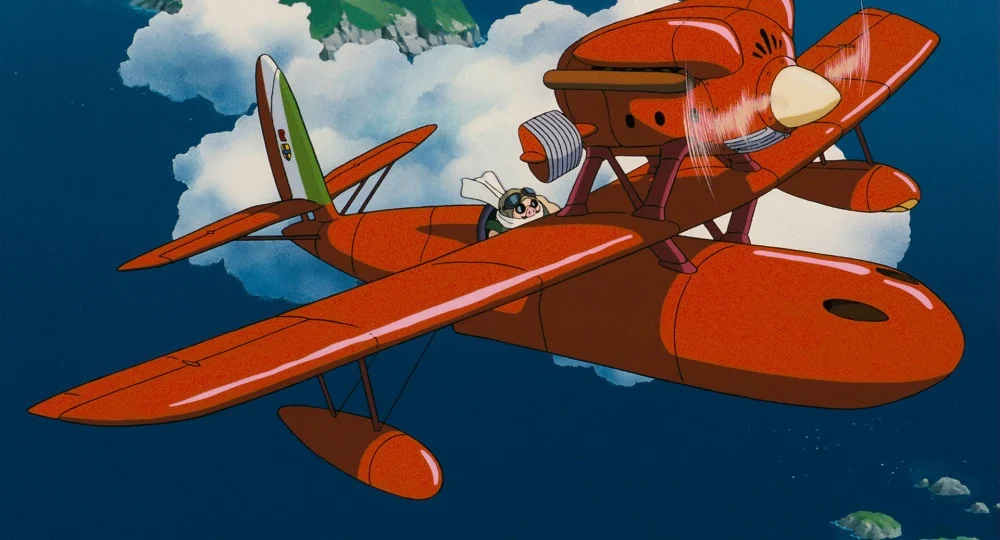
For fans of Studio Ghibli, the magic of Hayao Miyazaki’s filmography is rarely found in the adrenaline-pumping thrills of a traditional theme park. There are no looping roller coasters or pyrotechnic spectacles at Ghibli Park, located in the lush expanses of Japan’s Aichi Prefecture. Instead, the park serves as a living, breathing testament to the quiet, atmospheric beauty that defines the studio’s legacy. This philosophy of immersion is perhaps best exemplified by the park’s culinary offerings, most notably the new, limited-time "Hideout Soda" at the Rotunda Kazegaoka restaurant—a drink that captures the very essence of the 1992 classic, Porco Rosso.
Main Facts: The Anatomy of a Ghibli Masterpiece
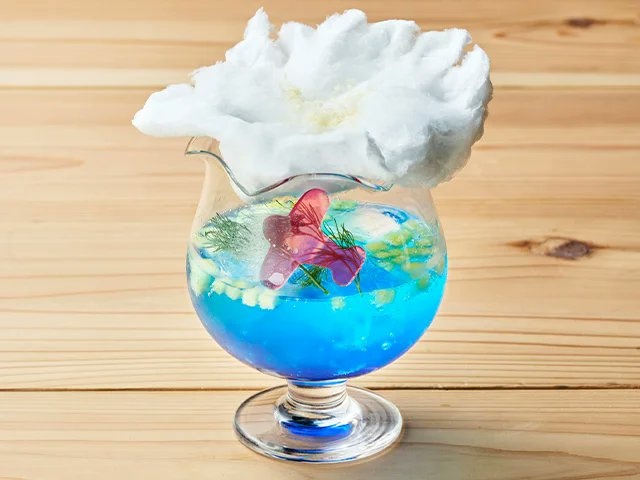
The "Hideout Soda," priced at 850 yen (approximately $5.25 USD), is more than a refreshment; it is a conceptual homage to the life of Porco, the pig-headed pilot whose search for solitude defines the film. The drink is a vibrant, azure-hued concoction designed to evoke the shimmering waters of the Adriatic Sea, where the protagonist conducts his aerial exploits.
Rather than a traditional cola, the beverage utilizes a citrus and apple-based soda reminiscent of Japanese Ramune. This choice provides a crisp, nostalgic sweetness associated with Japanese summer festivals. The drink is visually layered to represent the film’s unique landscape:
- The Sea: The blue soda serves as the base, representing the Adriatic.
- The Content: Floating within this "sea" are succulent pieces of pineapple and a whimsical, gelatin-based seaplane, mimicking Porco’s iconic Savoia S-21.
- The Vegetation: Sprigs of fresh dill are added, providing a sophisticated, herbaceous contrast to the sweet fruit notes.
- The Sky: The drink is topped with a cloud-like layer of fluffy, white confectionery, grounding the entire composition in the dreamlike aesthetic of Miyazaki’s animation.
Chronology: From the Adriatic to Aichi
The journey of this beverage begins not in a kitchen, but in the creative spirit of the film Porco Rosso. Released in 1993 in Japan, the film remains one of the studio’s most mature and introspective works. Over the decades, it has maintained a cult following for its depiction of post-WWI Italy and its melancholy, anti-hero protagonist.
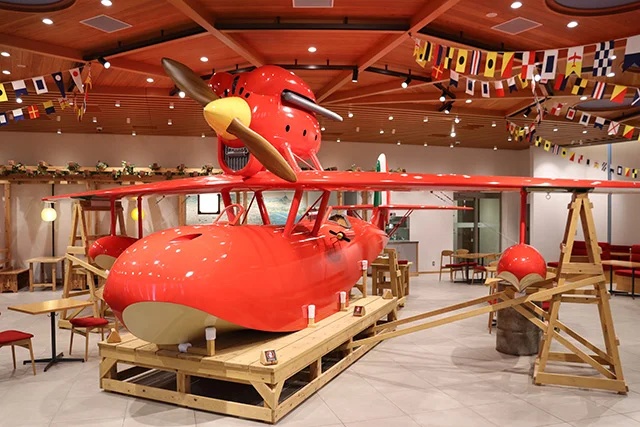
When Ghibli Park opened its gates, the management focused on ensuring that the dining experience reflected the park’s commitment to immersion. The Rotunda Kazegaoka restaurant was curated specifically to house a full-scale recreation of the Savoia S-21. This centerpiece allows patrons to dine in the shadow of the legendary flying boat, effectively bridging the gap between the film’s fiction and the visitor’s reality.
The decision to introduce the Hideout Soda this summer follows a long-standing tradition of Ghibli-themed culinary experiments. Since the establishment of the Ghibli Museum’s cafe, the studio has explored the intersection of food and memory. This month, the park officially added the Hideout Soda to the Rotunda Kazegaoka menu, marking a new chapter in how the park utilizes flavor to tell stories.
Supporting Data: The Miyazaki Philosophy of Flight
To understand the significance of the Hideout Soda, one must look at the words of Hayao Miyazaki himself. In a rare interview following the film’s release—later preserved in the American anime publication Animerica—Miyazaki was questioned about his well-documented obsession with aviation. When asked if he had ever harbored a desire to be a pilot, the director offered a response that remains a cornerstone of the Porco Rosso legacy.
Miyazaki noted that while the life of a pilot held a certain allure, the immense time and focus required to master aviation would have effectively ended his career as a filmmaker. He spoke with a poignant, wistful tone about the restrictions of modern flight, where pilots are bound by strict regulations and designated airfields.
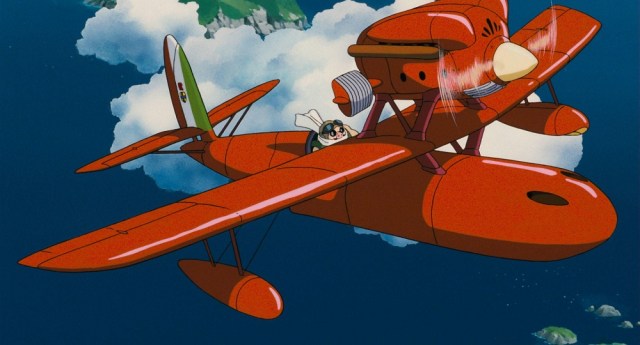
"I’d like to have a seaplane," Miyazaki famously remarked, "but there wouldn’t be any point without a beautiful body of water to maneuver on and a place to hide out in."
This sentiment is the DNA of the Hideout Soda. The drink is an invitation to inhabit that very desire—to find a quiet corner of the world, away from the prying eyes of the modern era, and simply exist in a state of suspended animation, much like Porco in his hidden cove.
Official Responses and Accessibility
The reception of the new menu item has been overwhelmingly positive, particularly among the park’s social media community. The official Ghibli Park Twitter (X) account has highlighted the drink as a centerpiece of this season’s offerings.
Critically, for those planning a visit, it is important to note that the Rotunda Kazegaoka restaurant occupies a unique space in the park’s infrastructure. It is located outside the main admission gates. This is a deliberate design choice that allows the public to enjoy a piece of the Ghibli experience without the need for a pre-booked park ticket. This accessibility makes the restaurant a pilgrimage site for fans who may not have been able to secure one of the highly coveted entry passes for the main park attractions.
However, park officials remain quick to point out that while the restaurant is accessible to all, the park itself offers experiences found nowhere else in the world. As of July 2026, the park’s theater is the exclusive venue for the latest Studio Ghibli short film, an experience that remains tethered to the purchase of an admission ticket.
Implications: The Future of Themed Hospitality
The success of the Hideout Soda signifies a broader shift in the amusement and theme park industry. Modern visitors are increasingly seeking "experiential dining"—meals that function as extensions of the narrative world rather than mere sustenance.
By grounding a product in a specific, nuanced quote from the creator and building the physical presentation around an iconic mechanical asset like the S-21, Ghibli Park is setting a high bar for "narrative hospitality." The implications for future park expansions are clear: the focus is shifting away from mechanical thrills and toward sensory, emotional, and intellectual engagement.
For the visitor, the Hideout Soda is a momentary escape. In an age of rapid-fire digital entertainment, the act of sitting down with a drink that references the quiet, philosophical longings of a director provides a rare, contemplative pause. It encourages the guest to slow down, look at the "seaplane" in their glass, and perhaps, for a few minutes, dream of a place where they, too, can hide away from the world.
As the limited-time run of the drink continues, it stands as a reminder that the most powerful form of magic is often the simplest. Whether you are a devotee of Porco Rosso or a casual traveler, the Rotunda Kazegaoka has successfully turned a simple apple-citrus soda into a conduit for the artistic spirit of Studio Ghibli. For those who find themselves in Aichi this summer, the "Hideout" is waiting.











