CAIRO — In a development that has sent shockwaves through the Middle East, Hamas announced on Monday the formal dissolution of its de facto administrative body in the Gaza Strip. The militant organization, which has exercised total control over the enclave for over a decade, declared its readiness to transfer governance to a council of Palestinian technocrats. While framed by Hamas as a pivotal move toward stability and a key component of the U.S.-backed post-war reconstruction plan, the announcement has been met with profound skepticism and outright dismissal from Israeli officials.
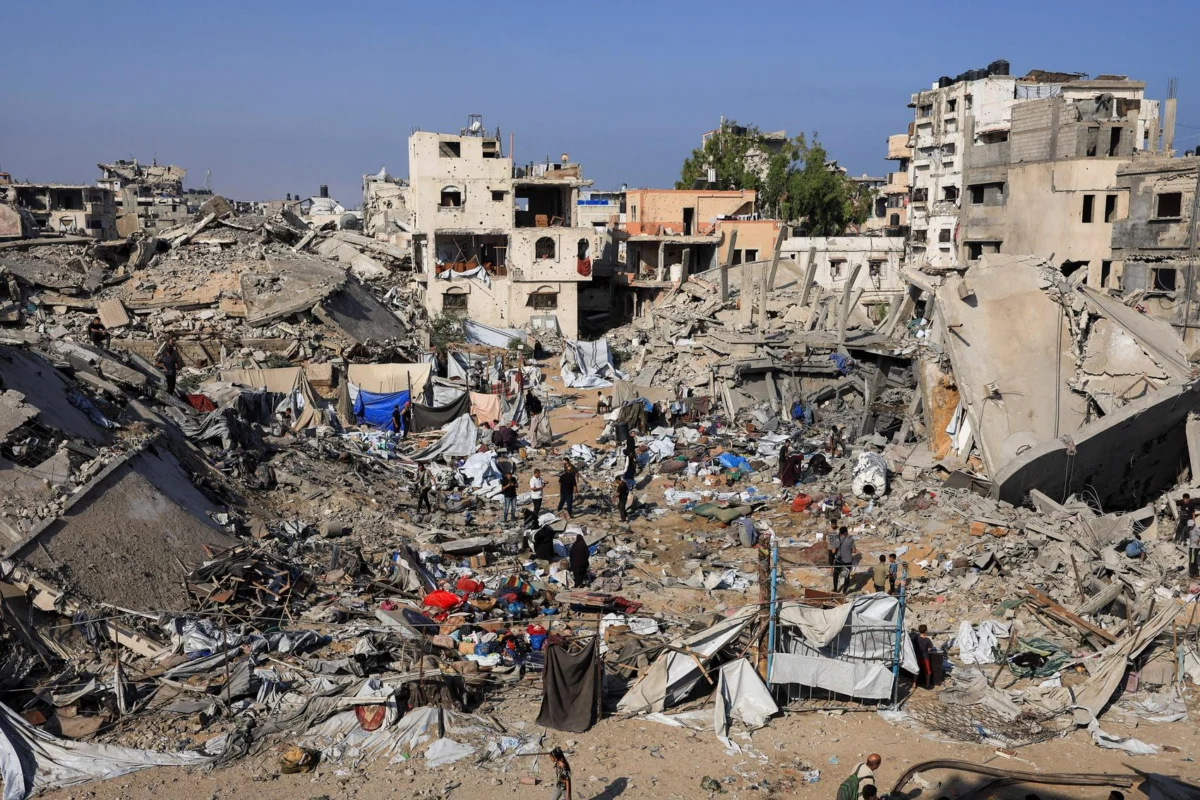
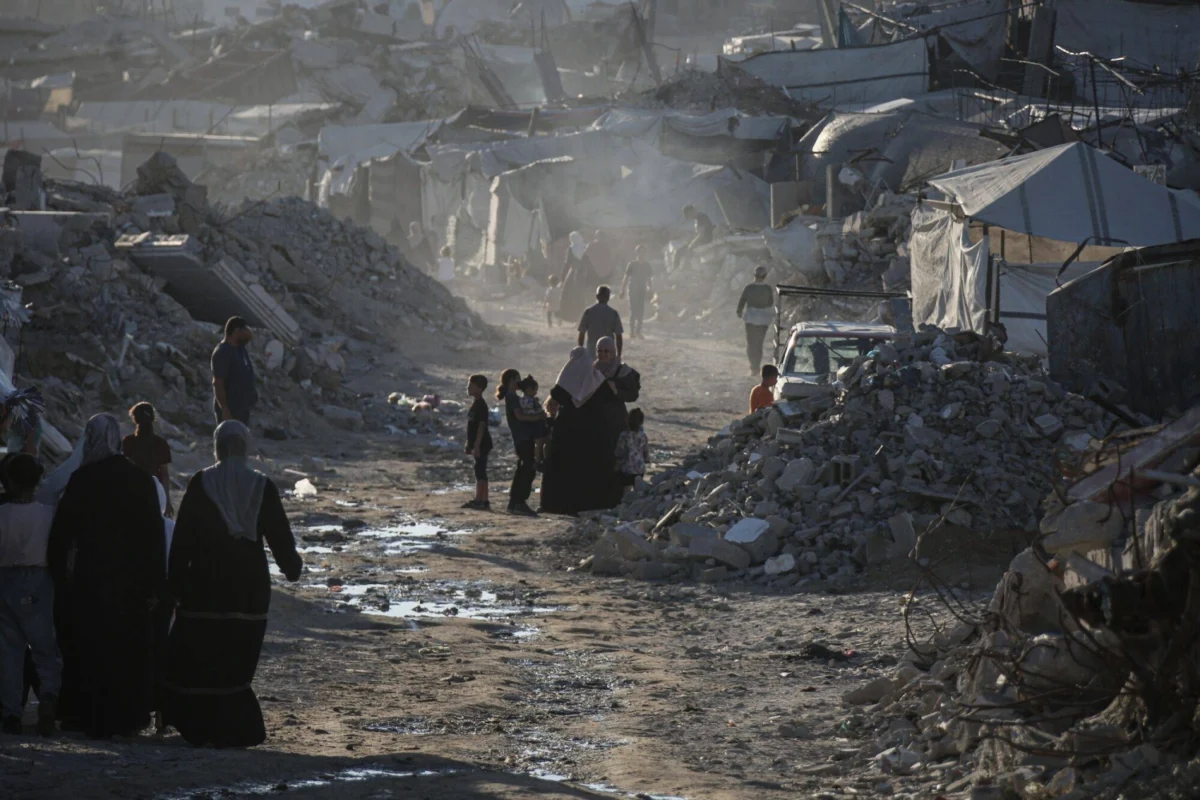
The declaration follows months of intense, back-channel diplomacy spearheaded by the United States in the wake of a fragile ceasefire established in October. As the dust settles over the decimated Jabalia refugee camp and other northern Gaza sectors, the geopolitical future of the territory remains a contested landscape of competing visions and deep-seated mistrust.
The Core Developments: A Shift in Governance
The dissolution of Hamas’s administrative apparatus marks a significant, if contentious, inflection point in the regional conflict. Under the proposed framework—championed by the Trump administration—the governing structure of Gaza is slated to undergo a radical transformation.
Hamas officials stated that the body overseeing Gaza’s ministries has been disbanded to make way for a non-partisan technocratic government. The group insists that this move is a "good-faith gesture" intended to facilitate humanitarian aid, stabilize the devastated local economy, and fulfill the prerequisites of the U.S.-brokered peace initiative.
However, the fine print of the announcement reveals a more complex reality. While the administrative ministries are ostensibly being handed over, Hamas has maintained that the existing ministerial staff—many of whom are party loyalists—will remain in their positions. Furthermore, the group has explicitly stated that it will retain control over internal security and policing operations in areas where it maintains a presence, casting doubt on the "civilian-ruled" vision promised by international mediators.
Chronology: From October Ceasefire to Present
To understand the gravity of this announcement, one must examine the timeline of events that brought the region to this precipice:
- October 2026: A fragile ceasefire is brokered between Israel and Hamas, ending the most intense phase of kinetic operations that left large swathes of northern Gaza in ruins.
- November 2026: The United States introduces the "Gaza Stabilization Framework," calling for a transition to a technocratic government supported by regional Arab partners.
- January–June 2027: Protracted negotiations take place in Cairo, Doha, and Washington. Discussions focus on the demilitarization of the enclave and the restoration of essential services.
- July 2027 (Current Week): Persistent reports of famine, disease, and total infrastructure collapse in northern Gaza reach a critical threshold.
- Monday, July 7, 2027: Hamas announces the dissolution of its governing council, positioning the move as a direct response to international pressure and the U.S. stabilization plan.
Supporting Data: The Cost of Conflict
The humanitarian situation in Gaza serves as the backdrop for these political maneuvers. According to reports from non-governmental organizations and international monitors:
- Infrastructure: Over 65% of residential buildings in northern Gaza, including the Jabalia camp, are either destroyed or rendered uninhabitable.
- Economic Impact: Unemployment in the enclave has surged to nearly 90%, with the private sector almost entirely non-existent.
- Humanitarian Crisis: Public health experts warn that the collapse of the sewage and water treatment systems—consequences of the prolonged fighting—has created a "ticking time bomb" for infectious disease outbreaks.
- Governance Vacuum: Before this week, the breakdown of law and order in areas where the administrative body had retreated led to an increase in looting and the proliferation of armed gangs, further complicating the delivery of aid.
Official Responses: A Clash of Narratives
The Israeli Perspective
Israel has characterized the move as a transparent "stunt." Prime Minister Benjamin Netanyahu’s office issued a terse statement shortly after the announcement, arguing that "a change in administrative branding does not equate to a change in intent."
Israeli defense analysts argue that Hamas is attempting to retain its military capability while offloading the "burden of governance" to the international community. "They want to keep their rifles and their tunnels," one senior official noted, "while expecting the world to pay for the bricks and mortar to rebuild the houses they used as shields." Israel continues to demand a complete dismantling of Hamas’s military infrastructure as a prerequisite for any long-term normalization.

The Palestinian and International Response
Palestinian factions are deeply divided. While some welcome the departure of Hamas as a necessary step to ending the isolation of Gaza, others fear that the technocratic government will be a "puppet administration" for external powers.
The U.S. State Department has reacted with cautious optimism, acknowledging the announcement as a "necessary first step" while emphasizing that the test will be in the implementation. Washington has reiterated that any transition must be accompanied by the full restoration of security oversight by forces recognized by the international community, a point that remains the primary sticking point in ongoing talks.
Implications: The Road Ahead
The dissolution of the Hamas government raises more questions than it answers regarding the future of the Middle East.
1. The Security Dilemma
The most pressing question remains: who will police the streets of Gaza? If Hamas maintains control over its existing security forces, the transition to a technocratic government will be purely cosmetic. The international community, led by the U.S., is pushing for a multinational force or a revamped Palestinian Authority (PA) security apparatus. However, neither the PA nor Arab neighbors have shown a willingness to step into the security void without ironclad guarantees against renewed conflict.
2. The Reconstruction Trap
International donors, particularly from the Gulf states, have signaled that they will not fund the massive rebuilding effort—estimated to cost upwards of $20 billion—until there is a clear, irreversible transition away from militant control. Hamas’s latest maneuver is likely an attempt to "unlock" these funds without conceding full control of the territory.
3. The Future of the Ceasefire
The fragility of the current truce is intrinsically linked to the governance question. If the international community perceives this dissolution as a sham, the likelihood of a return to high-intensity conflict increases significantly. Conversely, if the technocratic council can demonstrate genuine progress in restoring basic services, it may provide the political cover necessary to extend the ceasefire into a more permanent arrangement.
Conclusion: A Fragile Hope
As Palestinians pick through the rubble of Jabalia, the news of a "new government" offers a flicker of hope that the cycle of destruction might finally be nearing its end. Yet, history in the region suggests that institutional change is rarely as simple as a press release.
Whether this move is a genuine pivot toward peace or a strategic camouflage for a group clinging to the remnants of its power remains to be seen. What is certain is that the people of Gaza, exhausted by years of war and mismanagement, are the primary stakeholders in this high-stakes political gamble. For them, the labels on government buildings matter far less than the availability of clean water, safe shelter, and the absence of artillery fire. As the world watches, the transition from rubble to reality remains a daunting, if not impossible, task.