

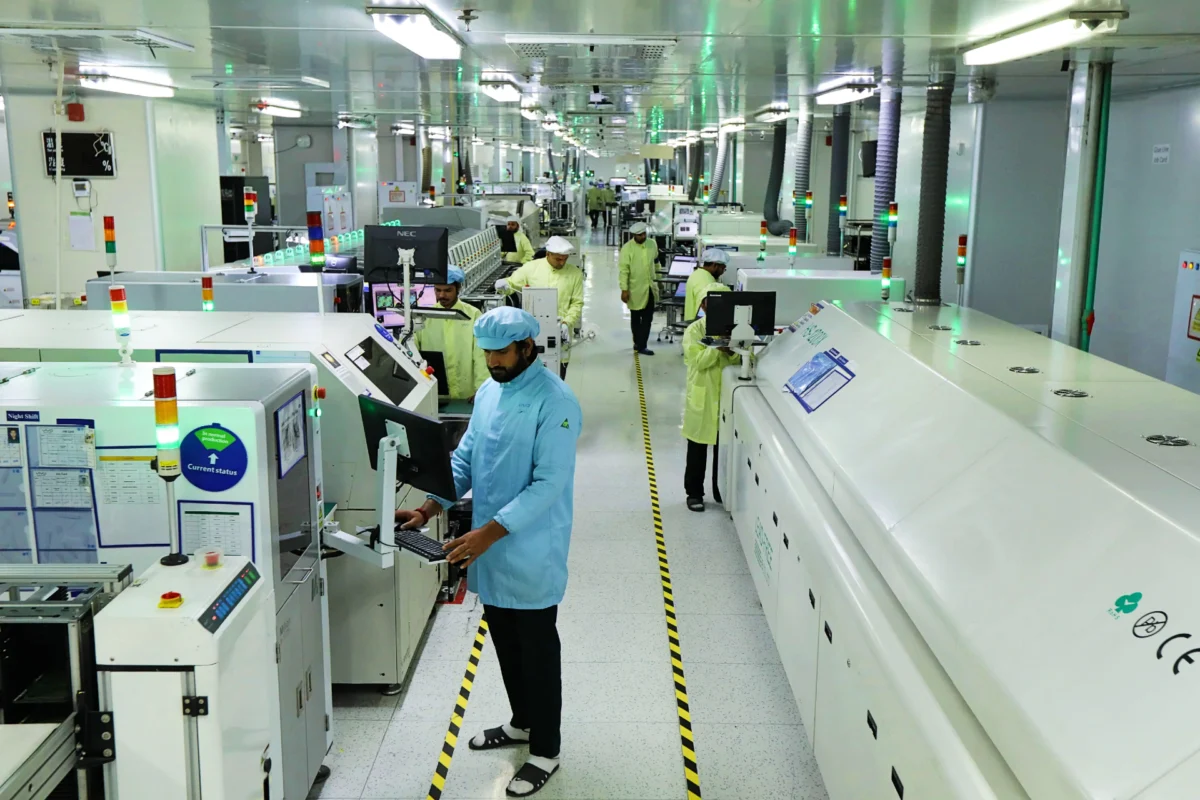
In a landmark development for India’s electronics manufacturing ecosystem, the Indian government has officially approved a high-stakes joint venture between Chinese smartphone giant Vivo and the homegrown manufacturing powerhouse, Dixon Technologies. This strategic partnership, which received the regulatory green light this Thursday, marks a definitive shift in how multinational corporations navigate the complex intersection of global supply chains and local geopolitical imperatives.
The approval effectively clears the path for a collaborative model that analysts suggest could serve as the primary blueprint for foreign technology firms looking to solidify their presence in India. As the nation aggressively positions itself as a global alternative to China for electronics production, this venture represents a pivotal moment in transitioning India from a high-volume consumer market into a sophisticated manufacturing hub.
The Genesis of a Partnership: A Chronological Overview
The journey to this joint venture has been anything but swift, reflecting the heightened scrutiny applied to foreign direct investment (FDI) in India following the border tensions of 2020.
- 2020: The Regulatory Pivot: Following border clashes with China, the Indian government introduced Press Note 3, which mandates that any investment from countries sharing a land border with India must undergo rigorous government vetting. This policy drastically altered the landscape for Chinese tech firms.
- 2022–2023: A Period of Scrutiny: During this time, major Chinese players, including Vivo, Xiaomi, and Oppo, faced intense regulatory and financial pressure, including probes into tax compliance and alleged illegal remittances. These events underscored the risks of operating as a wholly foreign-owned entity in the current climate.
- December 2024: After months of quiet negotiations, Dixon Technologies and Vivo formally announced their intent to form a strategic joint venture. The proposal was submitted to New Delhi for approval, aimed at ensuring compliance with both local regulations and the "Make in India" initiative.
- Thursday, [Current Month] 2025: The government granted final approval to the 51/49 joint venture. The agreement stipulates that Dixon Technologies will hold a majority 51% stake, with Vivo retaining the remaining 49%.
The Structural Mechanics: A Template for the Future
The structure of the Vivo-Dixon deal is not merely a business arrangement; it is a strategic maneuver designed to appease regulatory concerns while ensuring operational continuity. By ceding majority control to an Indian partner, Vivo effectively aligns itself with the government’s vision of "Atmanirbhar Bharat" (Self-Reliant India).
Under the terms of the agreement, the new entity will acquire specific manufacturing assets currently held by Vivo. It will be tasked with producing a significant portion of Vivo’s smartphone volume for the Indian market, while also retaining the flexibility to manufacture electronic products for other third-party brands. This "multi-brand, multi-product" approach allows Dixon to optimize its factory floor utilization and achieve the economies of scale necessary to compete globally.
For Dixon, the deal is a significant win. According to Managing Director Atul Lall, the venture is projected to add an annualized manufacturing capacity of approximately 20 million to 22 million smartphones. For a company that already counts Xiaomi among its clients, this contract reinforces its status as the "go-to" manufacturing partner for major tech firms navigating the Indian market.
Supporting Data: The Manufacturing Disconnect
To understand the necessity of this partnership, one must look at the data characterizing the current state of India’s smartphone industry.
Currently, India is witnessing a "tale of two markets." On one side is the Apple ecosystem, which has successfully transitioned a significant portion of its global production to India. According to recent reports, Apple now accounts for 57% of India’s total smartphone exports by volume, a testament to the success of the Production Linked Incentive (PLI) schemes and the efficacy of partnerships with firms like Foxconn and the Tata Group.
Conversely, Chinese smartphone brands command a dominant 72% share of India’s domestic retail market. However, their contribution to India’s export volume remains marginal—less than 10%. This disparity represents a massive, untapped opportunity. If Chinese brands can mirror the manufacturing strategies employed by Apple, they could potentially transform India into their primary global export base.
| Metric | Apple Ecosystem | Chinese Brands (Aggregate) |
|---|---|---|
| Market Share (India Sales) | ~6% | 72% |
| Contribution to Exports | 57% | <10% |
| Primary Strategy | Vertical Integration/Contracting | Seeking Local Partnerships |
The Implications for Global Tech Strategy
The approval of the Vivo-Dixon venture carries profound implications for the global electronics supply chain.
1. Risk Mitigation via Local Control
For companies like Vivo, the "majority-local" model is a form of regulatory insurance. By empowering a domestic partner, these firms mitigate the risk of being viewed solely as foreign entities in a sensitive political environment. This shift is likely to encourage other multinational corporations to seek out similar joint ventures to de-risk their operations.
2. Deepening the Value Chain
The partnership is expected to drive "local value addition." Beyond mere assembly, the government is pushing for the localization of component manufacturing. By partnering with a veteran like Dixon, Vivo is better positioned to integrate local suppliers into its ecosystem, thereby increasing the domestic content of its devices—a key requirement for accessing government subsidies.
3. Scaling for Global Exports
The ultimate goal of this joint venture is to elevate India from a domestic assembly hub to an export powerhouse. As Vivo deepens its manufacturing footprint in Greater Noida, the scale provided by Dixon will enable the brand to target markets beyond India, including the Middle East, Africa, and Southeast Asia.
Official Responses and Industry Outlook
Tarun Pathak, Research Director at Counterpoint Research, describes the approval as a "win-win" scenario. "The approval of this joint venture creates a clear path forward," Pathak noted. "The majority-Indian-owned structure provides Vivo with the policy alignment it desperately needs, while giving Dixon the necessary volume to deepen local value addition and pursue a global export strategy."
The government, for its part, remains focused on the broader goal of making India the "factory of the world." By facilitating these partnerships, New Delhi is signaling that it is open to foreign capital, provided that such capital contributes to the development of local intellectual property, job creation, and export revenue.
Challenges Ahead
Despite the optimism surrounding this deal, the road ahead is not without obstacles. Integrating corporate cultures between a global giant like Vivo and a domestic contract manufacturer like Dixon will require careful management. Furthermore, the global smartphone market is currently facing headwinds, including fluctuating consumer demand and rising input costs.
Moreover, the regulatory environment in India remains dynamic. While the Vivo-Dixon model is currently favored, the government’s stance on foreign investment can shift based on broader geopolitical developments. Both companies will need to remain agile, ensuring that their partnership continues to evolve in alignment with India’s long-term industrial policy.
Conclusion: A New Blueprint for Success
The Vivo-Dixon joint venture is more than a commercial agreement; it is a microcosm of the changing relationship between global tech giants and emerging markets. As India continues to solidify its role as a cornerstone of the global electronics supply chain, the ability of foreign firms to adapt to local mandates—while maintaining their competitive edge—will define the next decade of the smartphone industry.
By successfully navigating the regulatory landscape, Vivo has secured its position as a market leader in India for the foreseeable future. Simultaneously, Dixon Technologies has cemented its role as the backbone of India’s manufacturing ambitions. For the rest of the industry, this partnership provides a clear, actionable template for growth: build locally, partner strategically, and contribute to the national economy. As the industry watches, the success of this venture will likely dictate the next wave of investments from global smartphone players, effectively ensuring that the "Make in India" story continues to gather momentum on the global stage.











