Christopher Nolan has long occupied a unique space in the cinematic landscape—a director whose films are as much intellectual puzzles as they are sensory experiences. Whether it is the non-linear manipulation of time in Memento, the intricate dreamscapes of Inception, or the harrowing historical weight of Oppenheimer, Nolan’s work rarely arrives without sparking a fervor of critical analysis and, occasionally, heated controversy. His latest endeavor, the highly anticipated epic The Odyssey, is no exception.
As the July 17, 2026, release date approaches, the film has found itself at the center of a discourse surrounding its creative liberties, specifically the decision to incorporate modern, colloquial dialogue into the ancient Greek myth. In a recent, candid profile with the Los Angeles Times, Nolan finally addressed the backlash, framing his choices not as a disregard for history, but as an essential strategy for emotional accessibility.
The Evolution of the Nolan Controversy: From Sound Mixes to Modern Myth
To understand the current debate, one must look at the historical context of Nolan’s directorial choices. Throughout his two-decade career, Nolan has consistently challenged audience expectations, often at the cost of immediate public consensus. The Dark Knight Rises became infamous for its sound mixing, which left many viewers struggling to decipher dialogue beneath the roar of Hans Zimmer’s score and the acoustic dampening of Bane’s mask. Later, his penchant for the "dead wife" trope—a recurring motif in Inception, The Prestige, and Memento—drew criticism regarding narrative repetition.
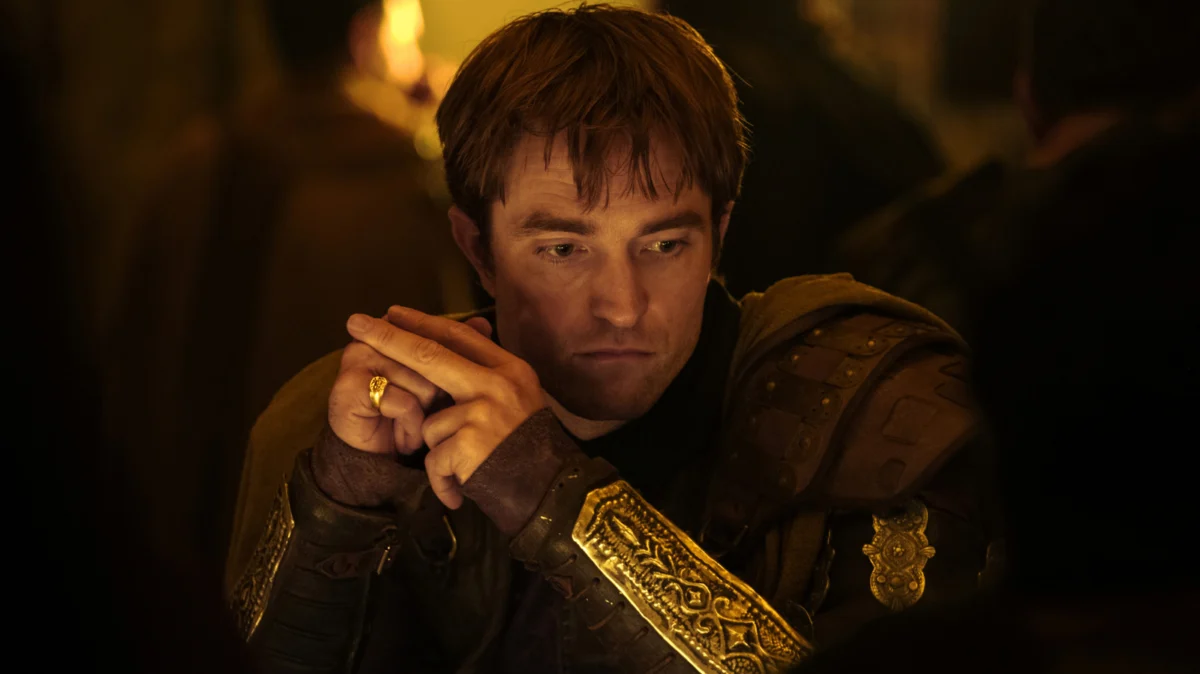
Even his most lauded work, Oppenheimer, faced scrutiny. While it achieved massive box-office success and critical acclaim, voices such as James Cameron pointedly noted the film’s exclusion of the Japanese perspective regarding the atomic bombings. Consequently, when the first trailer for The Odyssey dropped, featuring Robert Pattinson’s Antinous using jarring, contemporary slang to address Tom Holland’s Telemachus, the internet was primed for a new cycle of scrutiny. The line, which sparked a thousand memes and social media gripes, became the focal point of the "anachronism" argument.
Chronology of the Production
The development of The Odyssey has been marked by a rigorous, albeit non-traditional, approach to adaptation.
- Pre-Production (2024): Nolan began assembling his ensemble cast, signaling an intent to focus on "lived-in" humanity rather than distant, marble-statue archetypes.
- The Trailer Launch (Early 2026): The first teaser sparked immediate backlash. The juxtaposition of ancient armor with 21st-century vernacular led many to accuse the film of "dumbing down" Homer’s foundational epic.
- Post-Production & Critic Screenings (Spring 2026): Early reactions from critics began to shift the narrative. Many who saw the film reported that the modern linguistic choices did not feel like a gimmick, but rather a bridge between the ancient text and the contemporary viewer.
- The LA Times Profile (July 2026): Nolan broke his silence on the stylistic choices, contextualizing them within his broader vision for the film.
The Philosophy of "Emotional Meaning"
At the heart of the criticism is a misunderstanding of Nolan’s goal. Critics argued that a story rooted in 8th-century BCE oral tradition requires a formal, elevated linguistic register. Nolan, however, contends that such a choice creates a barrier between the audience and the emotional stakes of the narrative.
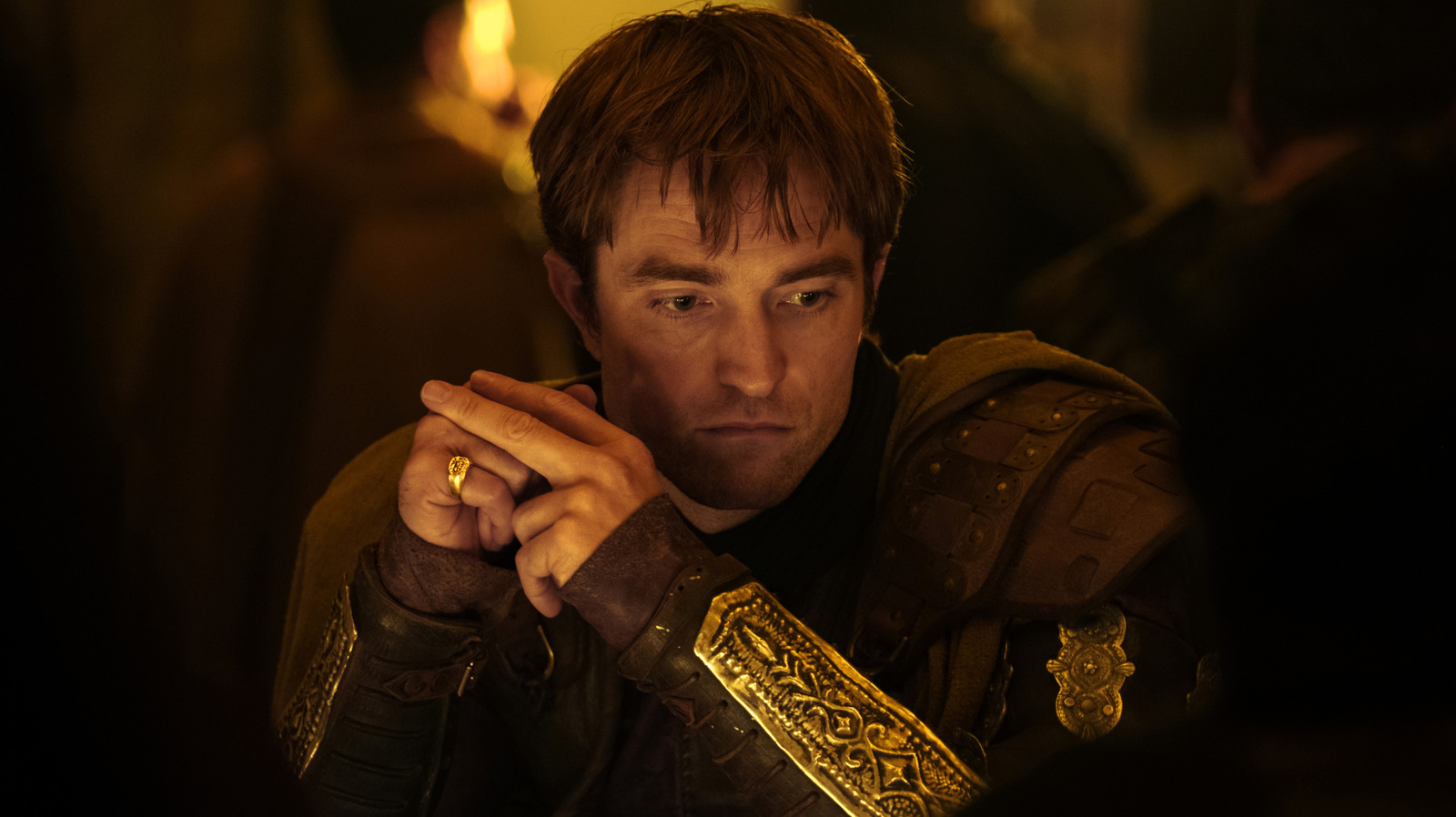
"I was maybe being naive, it might bite me on the ass, but I wanted an earthy narrative," Nolan told the LA Times. "To me, it was a no-brainer."
Nolan’s assertion suggests that the "historical accuracy" of the vocabulary is secondary to the "emotional accuracy" of the character relationships. By utilizing language that resonates with a modern audience, he aims to replicate the effect the original epic had on its contemporary listeners. Homer’s Odyssey was not originally a dusty, academic text; it was a visceral, spoken performance intended to captivate a room of people. Nolan believes that by stripping away the "archaic" pretension, he can restore the raw, pulse-pounding humanity of the journey.
An Ensemble of Icons: Why Casting Matters
The decision to cast high-profile talent—including Matt Damon, Anne Hathaway, Zendaya, Charlize Theron, and Samantha Morton—was not merely a box-office strategy. Nolan argues that the figures within the Greek pantheon and the Homeric cycle are so large that they require actors with an inherent, "iconic" presence to anchor them.
"These are mythological figures, iconic in some ways," Nolan noted. "I wanted to cast it big, get the finest bunch of actors."
The goal was to move away from the "theatrical" distance often associated with ancient Greek adaptations. By utilizing actors who are deeply familiar to modern audiences, Nolan creates a sense of immediate intimacy. When a viewer sees a familiar face portraying a character like Antinous or Telemachus, they are less likely to view the character as a static historical relic and more as a person with recognizable, relatable motivations.
Implications for Future Adaptations
The debate surrounding The Odyssey highlights a growing tension in modern filmmaking: the struggle between the demands of historical purists and the artistic necessity of audience engagement. If Nolan’s gamble pays off, it could set a new precedent for how ancient classics are adapted for the big screen.
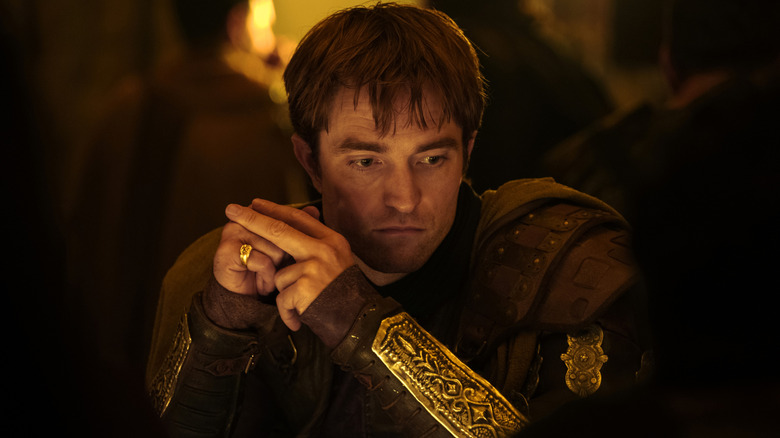
For decades, the standard approach to "period" films—particularly those involving antiquity—has been to favor a heightened, Shakespearean, or overly formal tone. If The Odyssey succeeds in making these characters feel "modern" without losing the gravity of the source material, it may encourage other filmmakers to abandon the "museum piece" approach to history.
The Critic’s Perspective: A Re-evaluation
While the digital chatter focused on the "modern" nature of the dialogue, early screenings suggest that the execution is far more sophisticated than a 30-second trailer could capture. Critics who have seen the film emphasize that the script, while contemporary in its cadence, avoids the trap of feeling like a modern comedy. Instead, it creates a rhythm that keeps the audience anchored in the emotional turmoil of the protagonist.
The decision to lean into the "fresh and modern" interpretation is a risk—one that could easily be viewed as hubris—but it is a calculated one. Nolan’s career is defined by his willingness to be misunderstood in the short term for the sake of a cohesive, long-term artistic vision. Whether one considers the modern dialogue a stroke of genius or a stylistic misstep, the film is poised to be one of the most discussed entries in the director’s filmography.
Final Thoughts: Sailing into the Unknown
As we look toward the July 17 release, the anticipation is no longer just about the scale of the production or the ensemble cast. It is about the fundamental question of how we consume myth in the 21st century. Christopher Nolan has invited the audience to stop viewing The Odyssey as a relic trapped in time and instead experience it as a living, breathing story.
In his own words, Nolan sought to make the film "as accessible for a modern audience as it was for Homer’s." Whether the audience is ready to accept that interpretation remains to be seen. However, one thing is certain: when the lights dim and the screen illuminates the journey of the traveler, the debate over a few words of dialogue will likely be eclipsed by the sheer ambition of the cinematic experience itself. Christopher Nolan has, once again, forced us to look at a familiar story through a lens that is entirely his own.