The recent release of Supergirl: Woman of Tomorrow has reignited a long-standing debate within the halls of DC Studios: how does one translate the iconic Kryptonian cousin to the silver screen without succumbing to the "curse" that has plagued the character’s cinematic history for decades? As the film struggles at the box office, it finds itself compared not only to the modern landscape of the DC Universe (DCU) but also to the notorious 1984 iteration starring Helen Slater.
In a surprising turn of events, the original Kara Zor-El has weighed in on the controversy, offering a ringing endorsement of Milly Alcock’s performance. However, beneath the surface of this celebrity approval lies a complex narrative of studio interference, creative friction, and the evolving nature of superhero mythology.
A Legacy of Failure: From 1984 to 2026
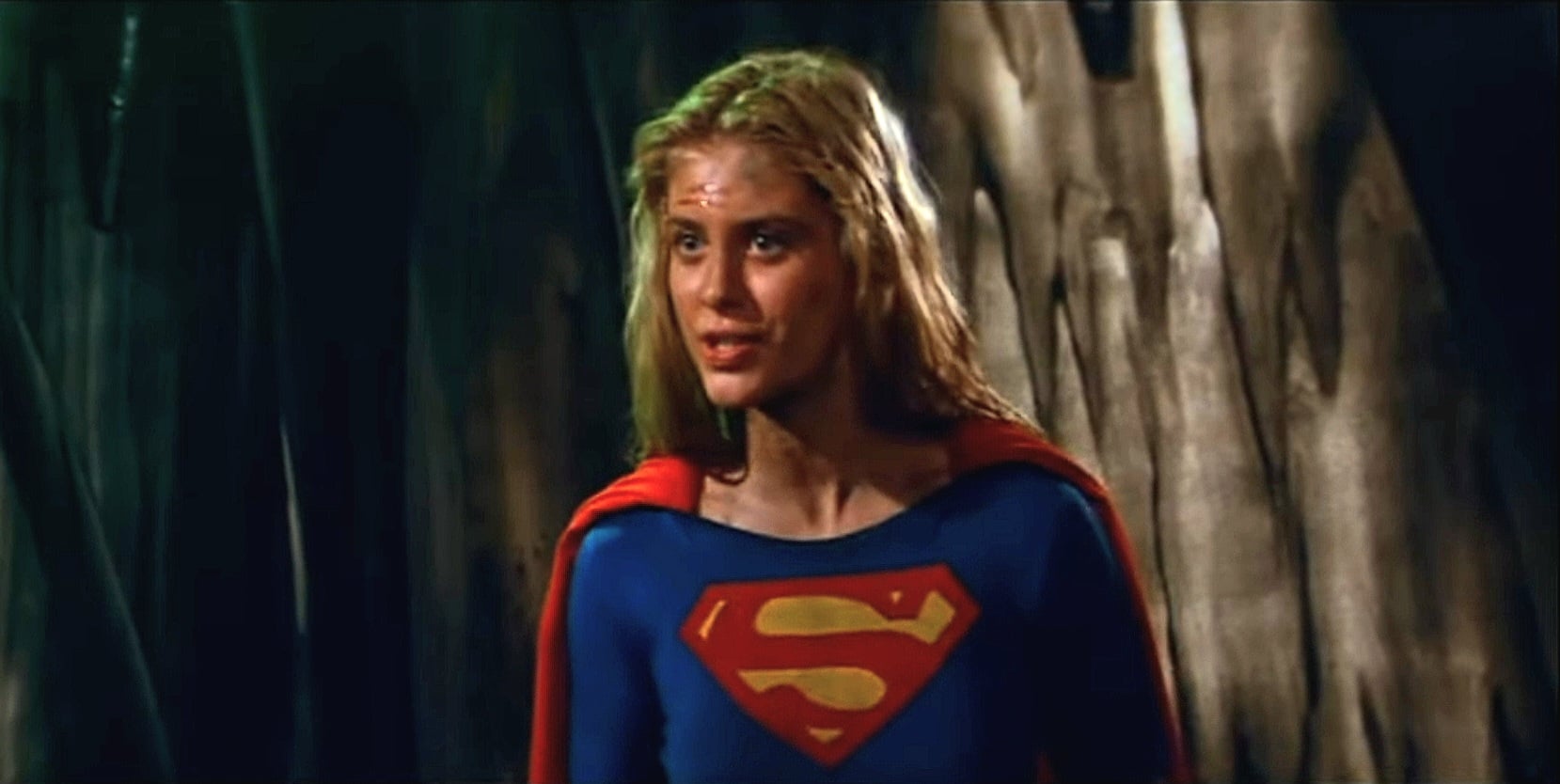
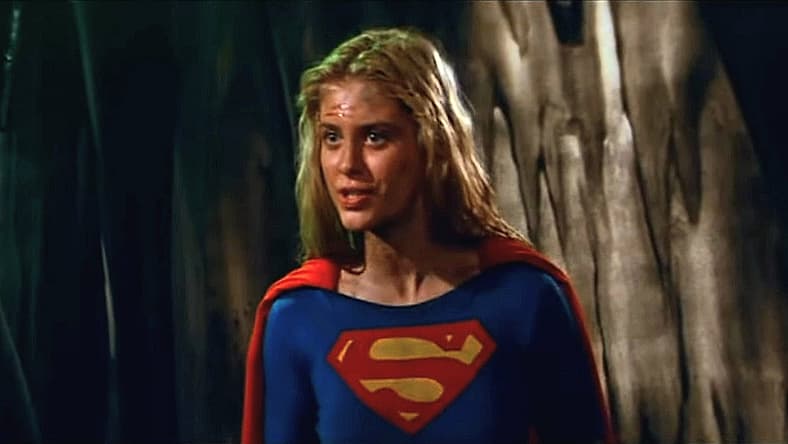
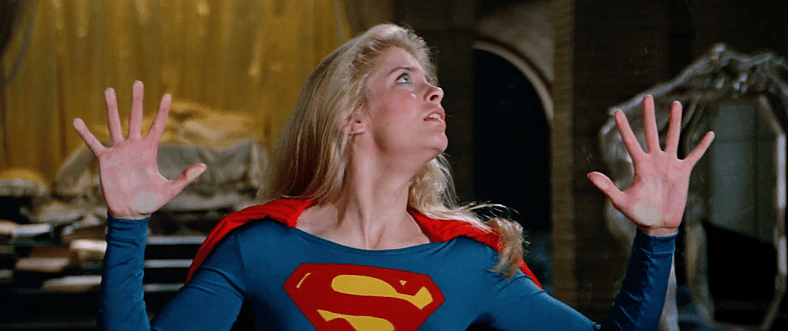
To understand the current climate surrounding Supergirl, one must look back at the cinematic history of the character. The 1984 Supergirl film, directed by Jeannot Szwarc and produced by the Salkinds, is frequently cited by critics and fans alike as one of the most significant misfires in DC’s history. Lacking the gravitas of Christopher Reeve—who was noticeably absent from the production—Helen Slater’s debut was hampered by a disjointed script and a tone that struggled to find its footing. For years, it stood as the definitive example of how not to adapt a comic book property.
Fast forward four decades, and the DCU—now under the stewardship of James Gunn and Peter Safran—has attempted to reclaim the character. Yet, despite the pedigree of director Craig Gillespie, the new Supergirl project has faced a rocky reception. While the 1984 version failed due to isolation from the broader Superman mythos, the 2026 version is being criticized for being perhaps too heavily influenced by the "Gunn-style" MCU aesthetic, leading to a performance that some find jarring and others find refreshing.
Chronology of a Production Struggle
The development of Supergirl: Woman of Tomorrow was anything but smooth. Reports from inside the production suggest that the film underwent significant, last-minute alterations that shifted its identity.
- Pre-Production: Initial excitement was high, with Milly Alcock cast as the lead following her breakout success in House of the Dragon. The promise of a gritty, space-faring epic drew heavy inspiration from Tom King’s acclaimed comic run.
- The Mid-Production Shift: Insiders suggest that as filming progressed, DC Studios’ top brass, particularly James Gunn, became increasingly hands-on. This "micromanagement" reportedly led to the removal of several key character moments, specifically regarding the villain, Krem.
- The 11th Hour: In the final weeks of post-production, the film was trimmed by approximately ten minutes. This footage, which reportedly contained essential backstory for the film’s antagonist, was excised, leaving the final cut feeling truncated to some viewers.
- Release and Backlash: Upon release, the film faced immediate headwinds. The inclusion of certain narrative elements—most notably the integration of Lobo and a controversial song choice (an acoustic cover of Jimmy Eat World’s "The Middle")—became focal points for fan frustration.
Helen Slater’s Perspective: A Cultural Evolution
Despite the negative critical and commercial reception, the original Kara Zor-El has offered a defense of the project. In a recent interview, Helen Slater was effusive in her praise for Alcock. "I loved the new Supergirl film. I thought Milly Alcock was astonishing—fierce, strong and great comic timing!" Slater remarked.
More importantly, Slater addressed the philosophical side of the adaptation. She posited that superhero myths are not static entities but living, breathing cultural artifacts. "My understanding is that these myths should be changing," she said. "We want reinterpretations. That keeps it alive and keeps it going. It echoes what’s happening in the culture right now. It’s fun that it evolves and keeps developing."
Slater’s endorsement provides a fascinating counter-point to the "purist" argument often leveled by fans who feel that the character’s core essence has been compromised. For Slater, the evolution of Supergirl is a necessary byproduct of her longevity.
Data and Disparity: The Box Office Reality
While Slater’s words carry weight, the box office numbers paint a more sobering picture. The film has struggled to gain traction, failing to meet the projections set by Warner Bros. Discovery. Analysts suggest that the film’s "bomb" status is a confluence of factors: audience fatigue with the current state of comic book cinema, the confusing nature of the transition between the old DCEU and the new DCU, and the specific tonal choices made by the creative team.
The disconnect between the studio’s internal vision and the audience’s expectations has created a vacuum. When a film is marketed as a definitive "Woman of Tomorrow" epic but arrives feeling like a piece of a larger, potentially disjointed puzzle, audiences tend to vote with their wallets. The current numbers are not just a reflection of the movie’s quality; they are a metric of the audience’s trust in the new DC brand.
The "Gunn" Influence: Implications for the DCU
The most prevalent criticism of the film is the omnipresence of James Gunn’s creative fingerprint. From the specific humor beats to the musical selections and the forced integration of secondary characters like Lobo, critics argue that the film lacks the unique vision of director Craig Gillespie, instead feeling like a "Gunn-joint."
This raises a vital question regarding the future of the DCU: Is the mandate for a "connected universe" stifling individual director voices? If directors are being micromanaged to ensure brand consistency, the industry risks creating a homogenized product that, while technically proficient, lacks the soul necessary to sustain long-term interest.
The removal of ten minutes of character-building footage is particularly telling. By sacrificing the antagonist’s depth for a tighter, perhaps more "Gunn-esque" runtime, the film sacrificed its ability to ground the audience in the stakes of the conflict. The villain became a caricature, and the protagonist, while well-acted by Alcock, lacked the narrative space to breathe.
Conclusion: A Turning Point for DC Studios
The story of Supergirl in 2026 is a cautionary tale about the perils of creative interference and the difficulty of balancing corporate brand identity with artistic integrity. While Helen Slater’s support provides a bridge between the past and the present, the cold, hard truth of the box office suggests that fans are looking for something more than just "reinterpretation."
As DC Studios moves forward, they are at a crossroads. They can continue to prioritize a unified, highly controlled aesthetic, or they can allow their directors the freedom to explore the "mythology" that Slater admires without the heavy hand of corporate oversight. If the DCU is to survive the current downturn, it must find a way to honor the legacy of its characters while giving audiences a reason to believe that these films are more than just content in a machine.
For now, Kara Zor-El remains in the Phantom Zone of public perception—somewhere between the beloved classic and the modern experiment, waiting for a film that truly captures the lightning-in-a-bottle magic required to make the Girl of Steel soar.