

The global automotive landscape is currently witnessing a stark divergence. In Western markets, the conversation surrounding electric vehicles (EVs) is frequently dominated by concerns over high entry prices, charging infrastructure anxiety, and the slow pace of adoption. However, halfway across the globe, BYD has officially launched the 2026 iteration of its Seagull—a vehicle that makes those Western anxieties look like relics of a bygone era.
With a starting price of approximately $10,300 and a high-end, LiDAR-equipped variant that barely scratches the $14,400 mark, the 2026 Seagull is not merely a car; it is a geopolitical and economic statement. It serves as definitive proof that the future of affordable, intelligent, and mass-market electric mobility is already here—it is simply being gatekept from the West by trade barriers and market protectionism.
Main Facts: A Disruptive Price Point
The 2026 BYD Seagull—marketed internationally as the Dolphin Mini or Dolphin Surf—made its official debut at the 2026 Beijing Auto Show. The vehicle is designed to occupy the "subcompact city car" segment, yet it packs technical specifications that rival much more expensive vehicles.
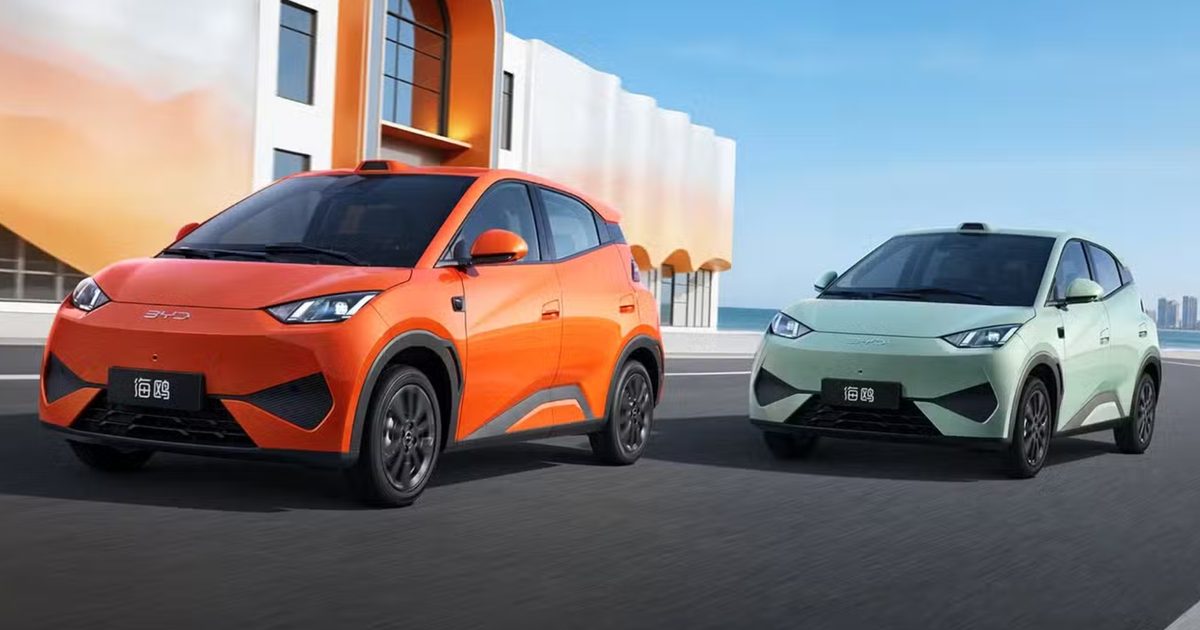
- Pricing: The base model starts at 69,900 yuan (~$10,300), with the top-tier configuration peaking at 85,900 yuan (~$12,600). With the optional "God’s Eye" (DiPilot 300) intelligence package, the price reaches $14,400.
- Performance & Range: The vehicle is offered with two battery configurations. The base model features a 30.08 kWh pack providing 190 miles (CLTC) of range, while the long-range variant utilizes a 38.88 kWh pack to deliver up to 252 miles.
- Powertrain: A 55 kW electric motor produces 135 Nm of torque, perfectly tuned for the stop-and-go demands of urban environments.
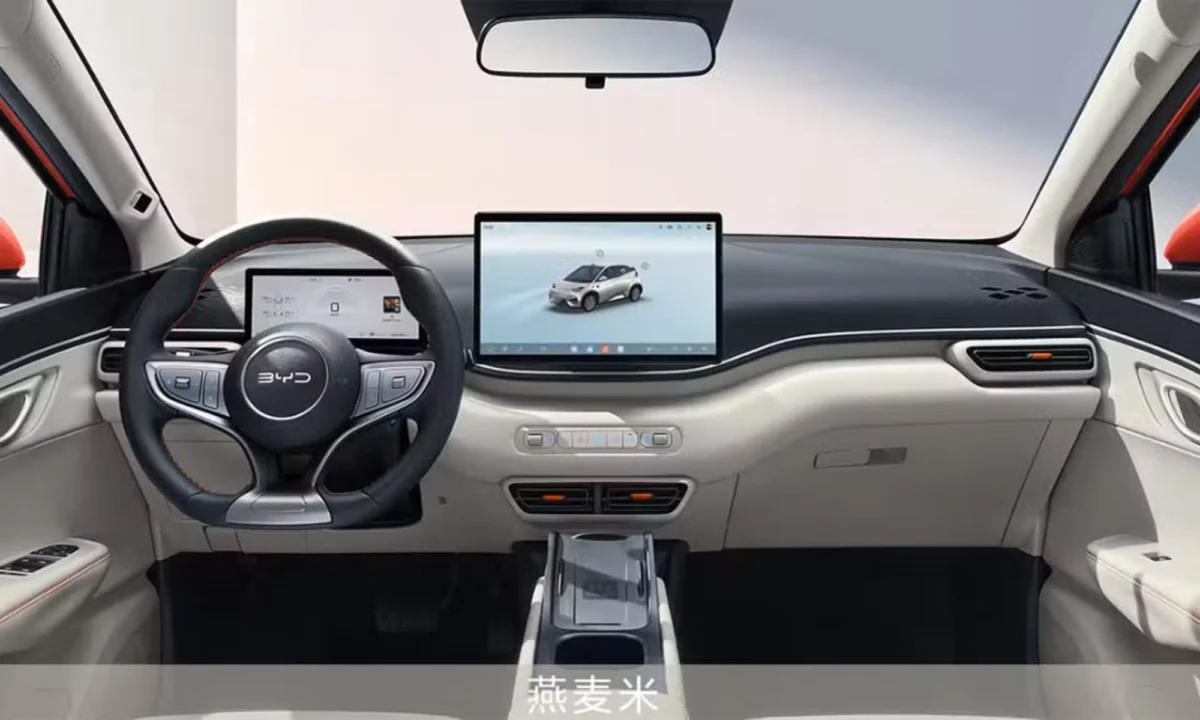
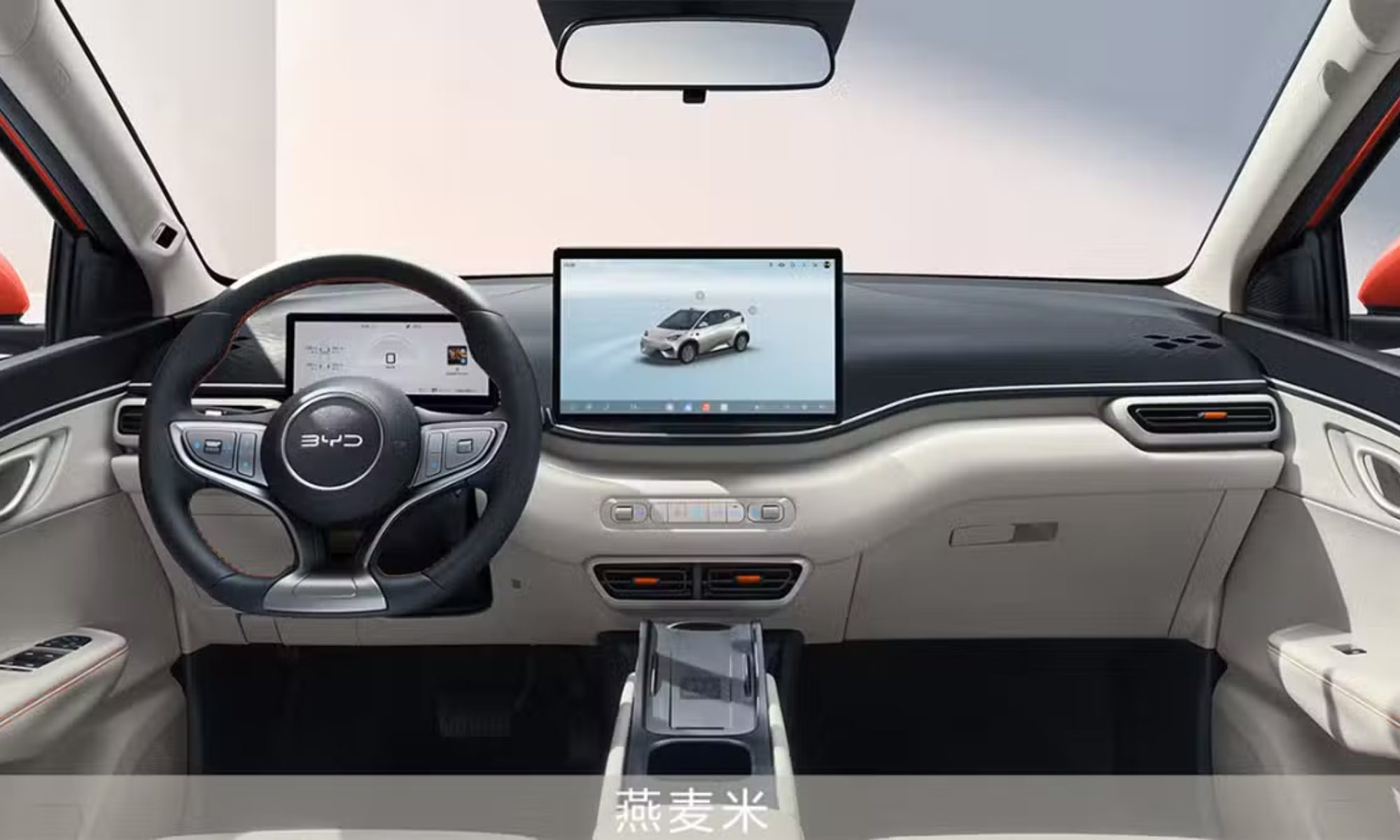
- Technology: The cabin is anchored by a 12.8-inch rotating touchscreen, supporting 3D vehicle visualization and advanced infotainment connectivity via BYD’s proprietary DiLink-150 system.
Chronology: From Concept to Global Disruptor
The evolution of the Seagull is a testament to BYD’s vertical integration strategy.
- Initial Launch (2023): BYD introduced the original Seagull to the Chinese market, quickly identifying it as a "killer app" for urban commuters. It disrupted the market by offering EV benefits at the price of a budget internal combustion engine (ICE) vehicle.
- Market Expansion (2024-2025): Recognizing the global appetite for affordable EVs, BYD began rebranding the model as the Dolphin Mini for Latin American, Southeast Asian, and select European markets, proving that the platform was globally scalable.
- The 2026 Refresh: At the 2026 Beijing Auto Show, BYD unveiled the latest iteration. This release was significant not for its aesthetic changes, but for its integration of high-end computational hardware—specifically LiDAR—into a sub-$15,000 car, a feat previously thought impossible by industry analysts.
Supporting Data: Why LiDAR at $14,000 Matters
The inclusion of the DiPilot 300 "God’s Eye" system is the most significant technological development in the economy-car segment in a decade. Traditionally, LiDAR (Light Detection and Ranging) has been reserved for premium luxury vehicles or dedicated robotaxis due to the prohibitive cost of the sensors and the processing power required to interpret the data.
The "God’s Eye" Capability
The DiPilot 300 system enables:
- City-Level Autopilot: The car can navigate complex urban environments, including lane changes and merging, without driver intervention.
- Infrastructure Recognition: Advanced traffic light and roundabout recognition, significantly lowering the cognitive load on the driver.
- Safety Parity: By integrating these systems into a budget car, BYD is democratizing advanced safety features that are currently sold as "optional premium packages" in Western markets for upwards of $5,000 to $10,000.
While Western automakers continue to struggle with the "affordability gap," BYD has successfully commoditized the very sensors that are supposed to usher in the era of autonomous driving.
Official Responses and Industry Context
BYD’s aggressive pricing strategy is not an accident; it is the result of years of investment in battery chemistry, specifically their proprietary Blade Battery technology. By utilizing Lithium Iron Phosphate (LFP) chemistry, BYD has managed to drive down costs while maintaining high thermal stability and cycle life.
Industry analysts have noted that while BYD faces scrutiny in the West regarding its manufacturing subsidies, the company’s internal efficiency is unmatched. Their ability to integrate hardware and software—evidenced by the DiLink and DiPilot suites—allows them to iterate on their vehicle software with the speed of a smartphone manufacturer rather than a traditional car company.

However, the rapid innovation comes with its own challenges. Recent reports regarding BYD’s "Megawatt Flash Charge" technology have highlighted the thermal management hurdles associated with such fast-paced engineering. During testing, some batteries reached 169.6°F, sparking debate about whether pushing these limits in affordable cars might compromise long-term battery longevity. BYD has remained relatively quiet on these specific reports, maintaining that their battery management systems (BMS) are designed to handle extreme thermal loads safely.
Implications: A Tale of Two Markets
The 2026 Seagull represents a "forbidden fruit" for the average American consumer. While consumers in China and emerging markets are gaining access to high-tech, safe, and efficient transportation for the price of a used 2021 sedan, the Western market remains stuck in a cycle of high-cost, high-margin vehicle manufacturing.
The Trade Barrier Dilemma
The current geopolitical climate, characterized by increasing tariffs and trade restrictions on Chinese-made vehicles, has effectively quarantined the Seagull from North American roads. The implication is clear: Western consumers are being forced to subsidize the transition to EVs by paying higher prices, while the rest of the world benefits from the rapid cost-curve deflation driven by Chinese manufacturing.

The "Smartphone-ization" of Cars
The Seagull illustrates the shift toward the "software-defined vehicle." When a car becomes a device that receives over-the-air (OTA) updates for its driving intelligence, the hardware (the chassis and motor) becomes a secondary consideration. BYD has realized that if they can provide the software and the sensors at a price point that makes the car disposable after a few years, they win the market.
Conclusion: The Future is Already Here
The 2026 Seagull is a wake-up call. It challenges the prevailing narrative that electric vehicles must be expensive to be "premium." By packing a vehicle with the computational power of a high-end smartphone and the utility of a modern city car, BYD has reset the expectations for the automotive industry.
For now, the Seagull remains a dominant force in Asia and emerging markets, a symbol of what is possible when aggressive engineering meets economies of scale. Whether Western automakers can pivot quickly enough to offer a competitive response—or whether they will continue to rely on protective tariffs—will define the next decade of the global automotive industry. One thing is certain: the era of the $10,000, high-tech electric car has arrived, and it is leaving the rest of the world behind.










No comments yet. Be the first to join the conversation!