Lina Hope
In a transformative move for the independent film landscape, Neon—the powerhouse distributor behind cinematic sensations like Parasite and Anatomy of a Fall—has officially closed a transaction that sees the production banner Department M acquire a significant stake in the company. The agreement, which was confirmed on Friday, marks a pivotal evolution in Neon’s corporate strategy, signaling a transition from a boutique film distributor into a multifaceted, cross-platform content studio.
While financial terms of the deal remain confidential, the implications are vast. The primary catalyst for the partnership is the formal launch of Neon TV, a new division designed to bridge the gap between Neon’s prestige-focused film curation and the episodic storytelling that dominates the modern streaming ecosystem.
A New Era for Neon: The Core Facts
The partnership effectively merges Neon’s industry-leading distribution network with the robust production capabilities of Department M, an upstart banner founded only in 2024. As part of the restructuring, the leadership team will see a high-profile injection of veteran talent.
Michael Schaefer, a partner at Department M and a former president of New Regency, has been named Neon’s new Chief Content Officer. His counterpart, Department M partner Mike Larocca, will join Neon’s board of directors while maintaining his role at the production house.
Tom Quinn will continue his tenure as the CEO and founder of Neon, maintaining the brand’s distinct identity, while Jeff Deutchman will remain the president of acquisitions, production, and development for film. Carina Sposato, currently the head of TV at Department M, will pivot into the role of EVP of Television for the newly formed Neon TV. Both Deutchman and Sposato will report directly to Schaefer.
The Chronology of a Deal
The path to this consolidation was swift but deliberate. The industry first caught wind of the potential union in February, when IndieWire reported that Department M—which had already established a working relationship with Neon through the release of the film The Christophers—was in advanced discussions to acquire a stake.

Department M, despite its infancy, has operated with the efficiency of a long-established studio. Since its inception, the company has managed a rapid-fire development slate, producing notable projects and securing high-profile talent. The transition from initial exploratory talks in late winter to a closed deal in mid-summer suggests a high degree of alignment between the two companies’ visions for the future of entertainment.
A Powerhouse of Talent and Assets
The deal is bolstered by more than just capital; it is a consolidation of creative IP. Department M is contributing a slate of production-ready projects and development assets that immediately jumpstart the Neon TV division.
Key Personnel Backgrounds
The leadership shift brings a wealth of institutional knowledge to the Neon fold:
- Michael Schaefer: During his tenure at New Regency, Schaefer was instrumental in the production of massive critical and commercial hits, including Bohemian Rhapsody, The Northman, and the cult-horror breakout Barbarian.
- Mike Larocca: Previously the president of the Russo Brothers’ AGBO, Larocca was a driving force behind the Extraction and The Gray Man franchises, as well as the ambitious series Citadel.
- Carina Sposato: An Emmy-winning producer, Sposato brings extensive experience in the high-end television space, having been behind acclaimed projects such as Adolescence (Netflix), High School, Paper Girls, The Hot Zone, and Raised by Wolves.
The Production Pipeline
Department M’s existing portfolio provides a clear indication of the types of content Neon aims to pursue under the new partnership. Their recent output includes the $4.8 million box-office performer The Christophers and the Hulu streaming film The Hand That Rocks the Cradle.
Looking forward, the pipeline includes several high-profile adaptations and original films:
- Blood on Snow: A Jo Nesbø novel adaptation directed by Cary Joji Fukunaga, featuring a powerhouse cast including Benedict Cumberbatch and Aaron Taylor-Johnson.
- The Count of Monte Cristo: A fresh, modernized iteration of the classic tale starring Regé-Jean Page.
- The Labubu Movie: A venture into global IP-based cinema.
- Untitled Matt Johnson Project: A new film from the director of Nirvanna the Band the Show the Movie, starring Finn Wolfhard, which Neon acquired earlier this year.
Implications for the Industry
The decision to launch Neon TV is a calculated response to the shifting tides of the entertainment industry. For years, independent distributors have struggled with the volatility of the theatrical market. By diversifying into television, Neon is hedging its bets, creating a "cradle-to-grave" content ecosystem that allows them to nurture talent through both feature films and episodic series.

The Prestige Model on the Small Screen
Neon has spent years cultivating a reputation for "prestige" content—films that are as intellectually demanding as they are visually arresting. The appointment of Carina Sposato, with her background in genre-bending and high-concept television, suggests that Neon TV will not be a generic play for volume. Instead, the division will likely mirror the company’s film strategy: high-quality, auteur-driven, and culturally resonant programming that attracts premium talent.
Corporate Stability
The involvement of The Friedkin Group, which remains a significant shareholder and board member, ensures that Neon maintains the financial backing required for this expansion. The Friedkin Group’s continued commitment serves as a vote of confidence in both Tom Quinn’s leadership and the potential of the new partnership with Department M.
Strategic Outlook: What Happens Next?
The integration of Department M’s production assets into Neon’s distribution machine creates a vertical integration model that is rare among independent entities. By controlling the pipeline from development (Department M) to distribution (Neon), the new entity can exert greater control over the marketing, release strategy, and long-term legacy of its projects.
For the audience, this means a more robust output of content that carries the "Neon seal of approval." Whether in the form of a 10-episode limited series or a mid-budget feature film, the goal remains the same: to produce work that defies conventional commercial expectations while capturing the zeitgeist.
As the industry watches to see how the first wave of Neon TV projects takes shape, one thing is clear: the independent film landscape has shifted. The acquisition of a stake by Department M is not merely a financial transaction; it is a strategic expansion that secures Neon’s position as a dominant force in both the cinematic and television landscapes for the foreseeable future. With a combined portfolio that bridges the gap between high-art cinema and high-stakes streaming, Neon is well-positioned to navigate the complexities of the modern media era.

 Neng Nana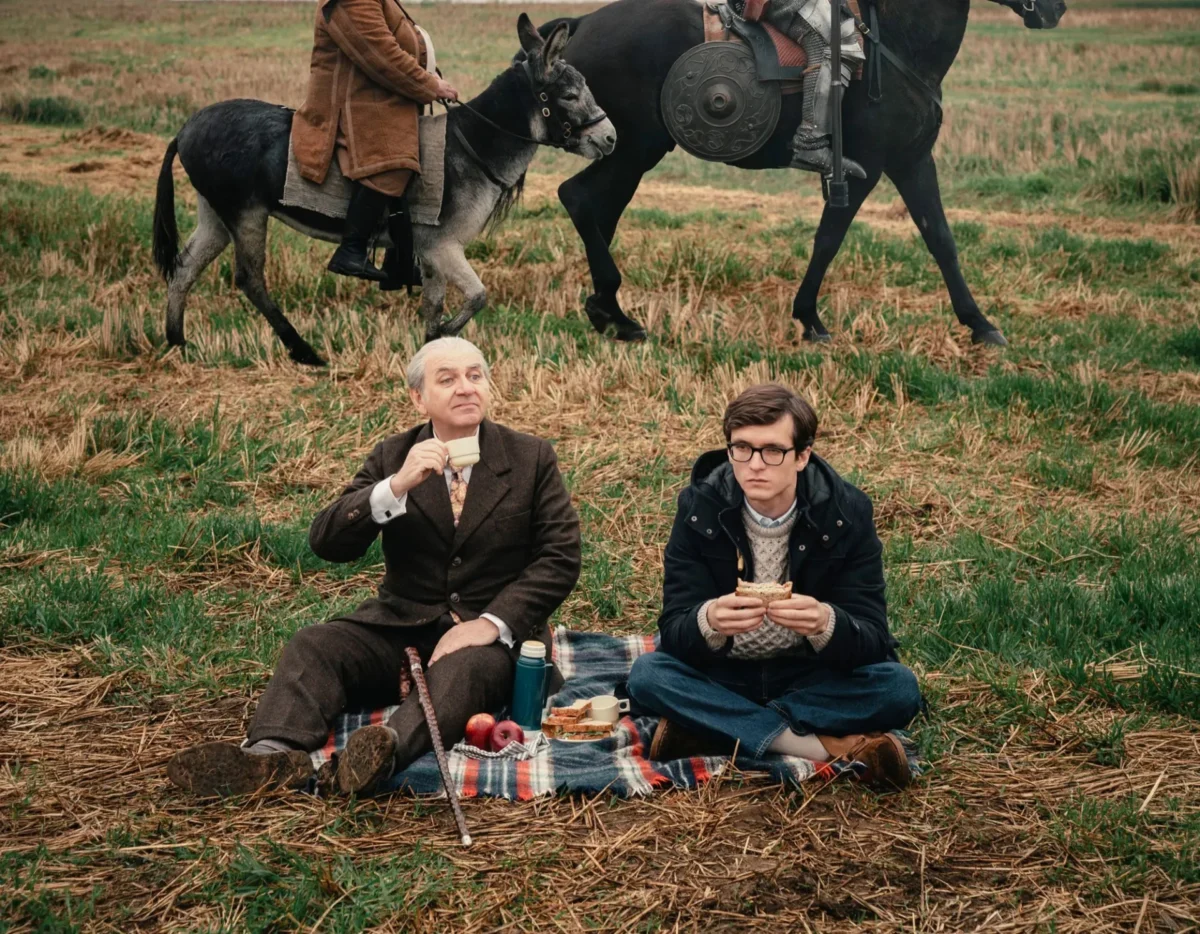
 Basiran