Ammar Sabilarrohman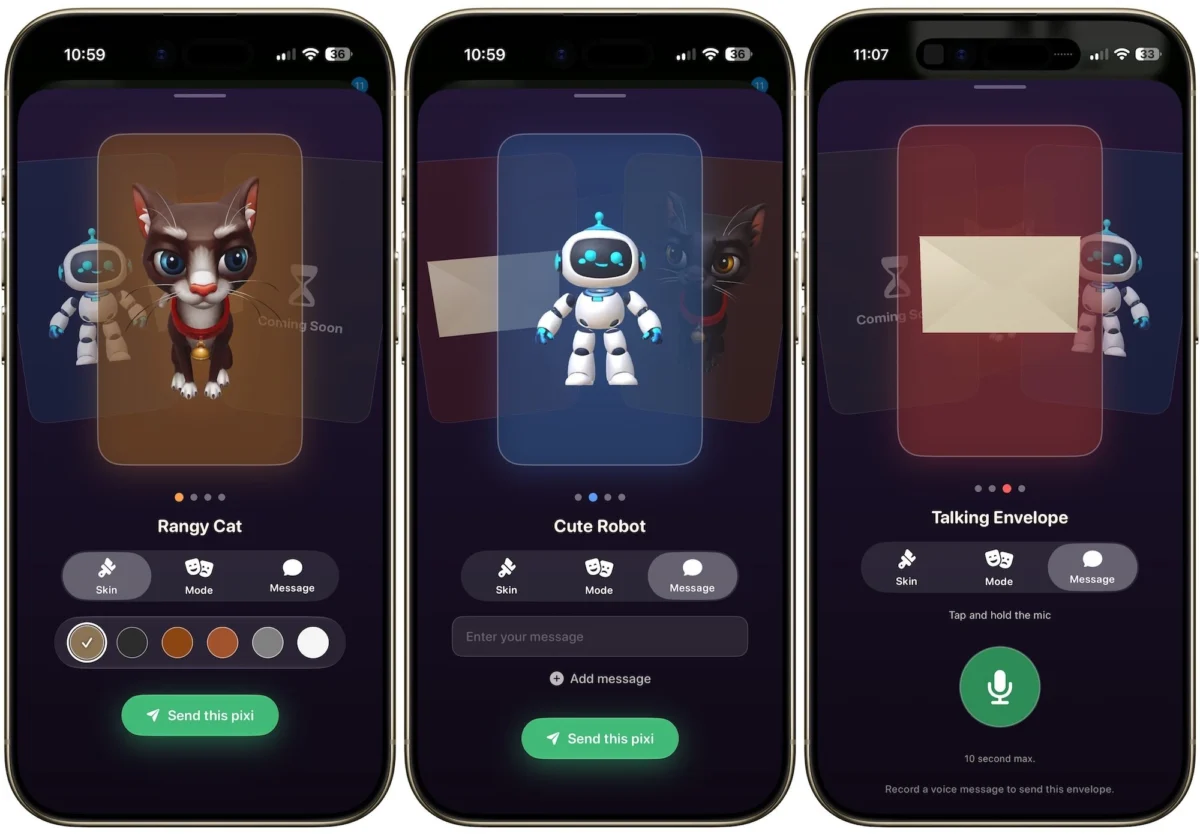
The era of the "boring" text message may finally be drawing to a close. For years, digital communication has been defined by static bubbles, predictable emoji sets, and the occasional voice note. However, a new player in the app ecosystem, Pixi Garden, is challenging the conventions of mobile interaction by introducing what it calls "agentic media." By replacing standard text with animated, expressive 3D AI characters, Pixi Garden aims to inject personality, drama, and interactivity into the mundane act of sending a direct message.
The Core Concept: What is a Pixi?
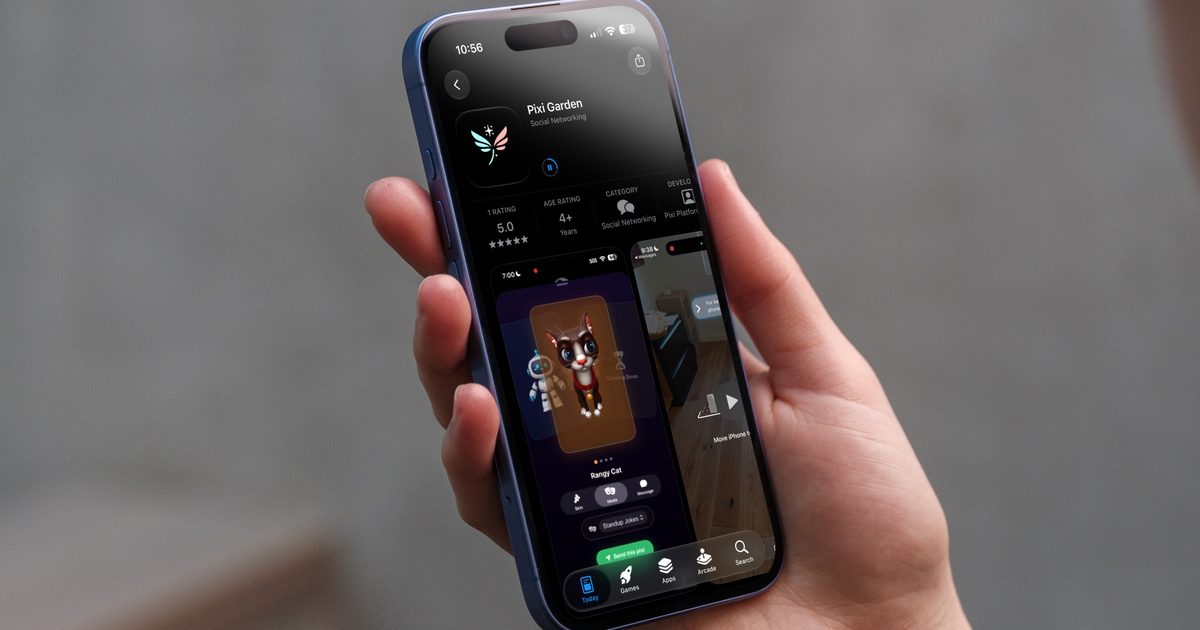
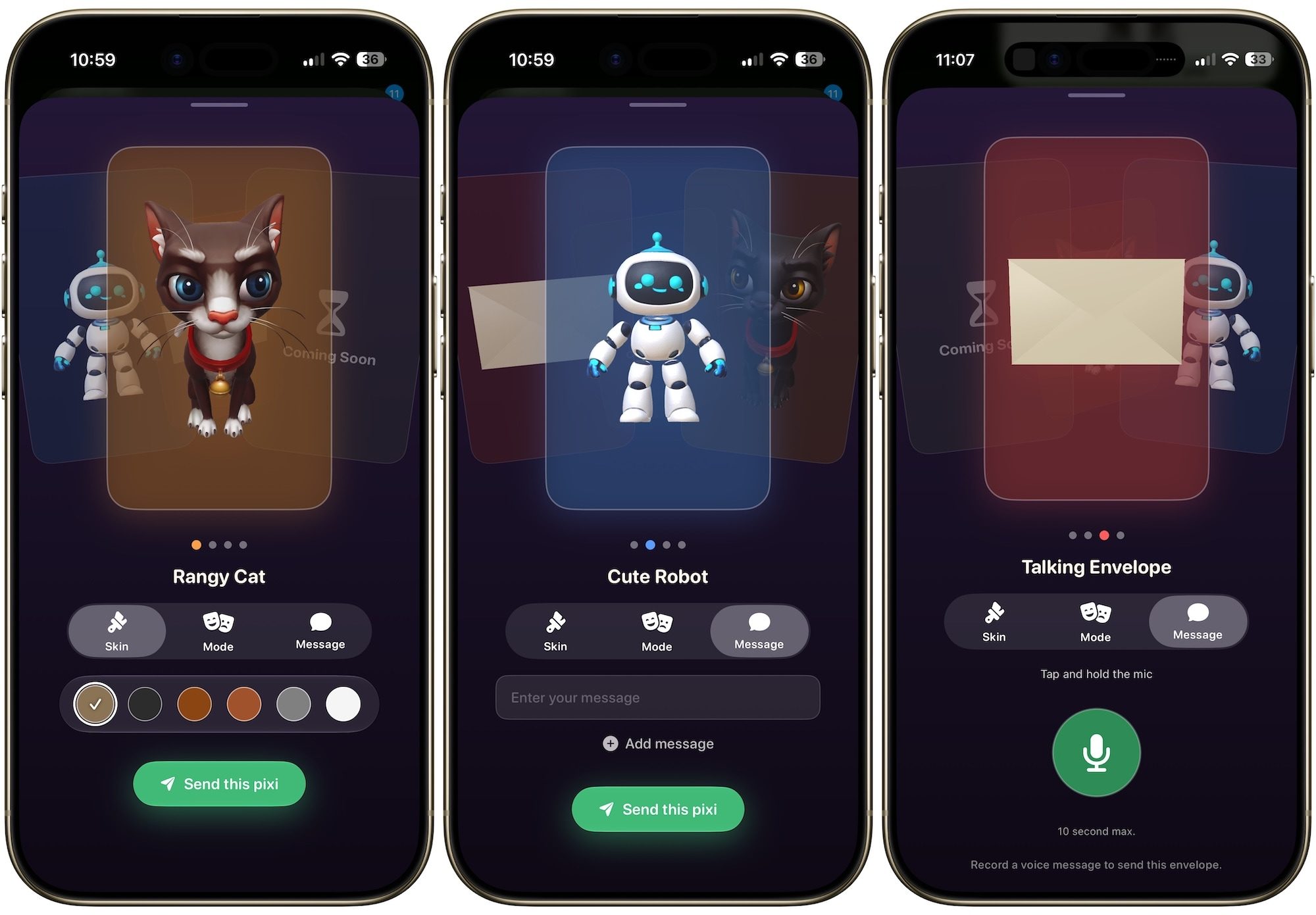
At its most fundamental level, Pixi Garden is a messaging enhancement tool that allows users to swap traditional text for "Pixis"—smart, animated 3D avatars. When a recipient opens a message sent through the platform, they aren’t greeted by a wall of text. Instead, they witness a miniature performance: a digital character enters the screen, acts out the sentiment of the message, and delivers the content in a way that feels more akin to a cinematic cutscene than a standard chat notification.
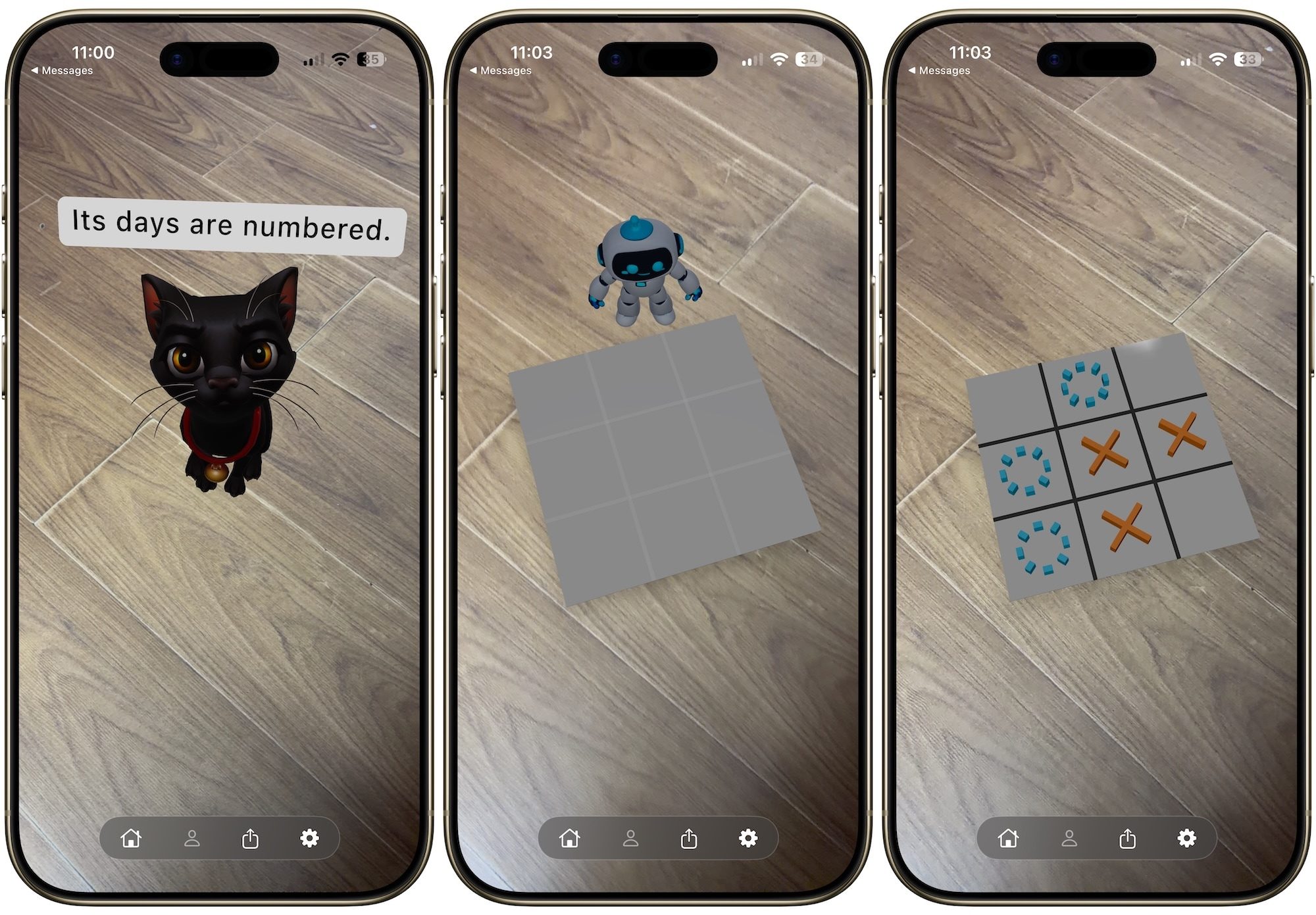
The company behind the application describes this as "agentic media," a term that signals a shift from passive consumption to active, AI-driven engagement. These characters are not merely animated GIFs; they are autonomous agents capable of performing specific tasks. Beyond basic communication, Pixis can be instructed to tell jokes, play interactive mini-games like Tic-Tac-Toe or Whack-A-Mole, and provide a layer of gamification to social interaction.
Currently, the Pixi roster is modest, featuring three distinct personalities: an expressive cat, a futuristic robot, and an animated envelope. While the novelty is high, the functional limitations are notable—specifically, the fact that only the animated envelope is currently equipped to deliver voice messages, leaving the other characters to rely solely on text-to-animation workflows.
The Evolution of Messaging: A Chronology of Change
To understand why Pixi Garden represents a significant shift, one must look at the evolution of messaging:
- The SMS Era (1990s–2000s): Communication was defined by character limits and basic T9 predictive text. The focus was purely on utility and brevity.
- The Rich Media Transition (2010s): With the advent of smartphones, messaging apps integrated images, videos, and eventually stickers and GIFs. This was the "emoticon" boom, where digital expression became a visual language.
- The AI Integration Phase (2020s): Generative AI began to influence how we draft messages, with tools like ChatGPT providing smarter auto-completions.
- The Agentic Media Frontier (Present): Pixi Garden marks the beginning of the fourth wave, where the medium of communication is no longer a static container for text, but an active participant in the conversation.
The development of Pixi Garden did not happen in a vacuum. It follows a trajectory of mobile-first innovation that prioritizes UX (User Experience) over traditional text-heavy interfaces. By leveraging advanced motion capture rendering and real-time AI processing, the developers have managed to compress complex animations into data-light packets, ensuring that the "performance" doesn’t lag on standard cellular connections.
The Frictionless Approach: Integration Strategy
Perhaps the most strategic decision made by the team at Pixi Garden is their refusal to force users onto a new, standalone messaging platform. The "network effect" has killed many promising startups; asking an entire social circle to migrate from iMessage, WhatsApp, or Telegram is a near-impossible hurdle.
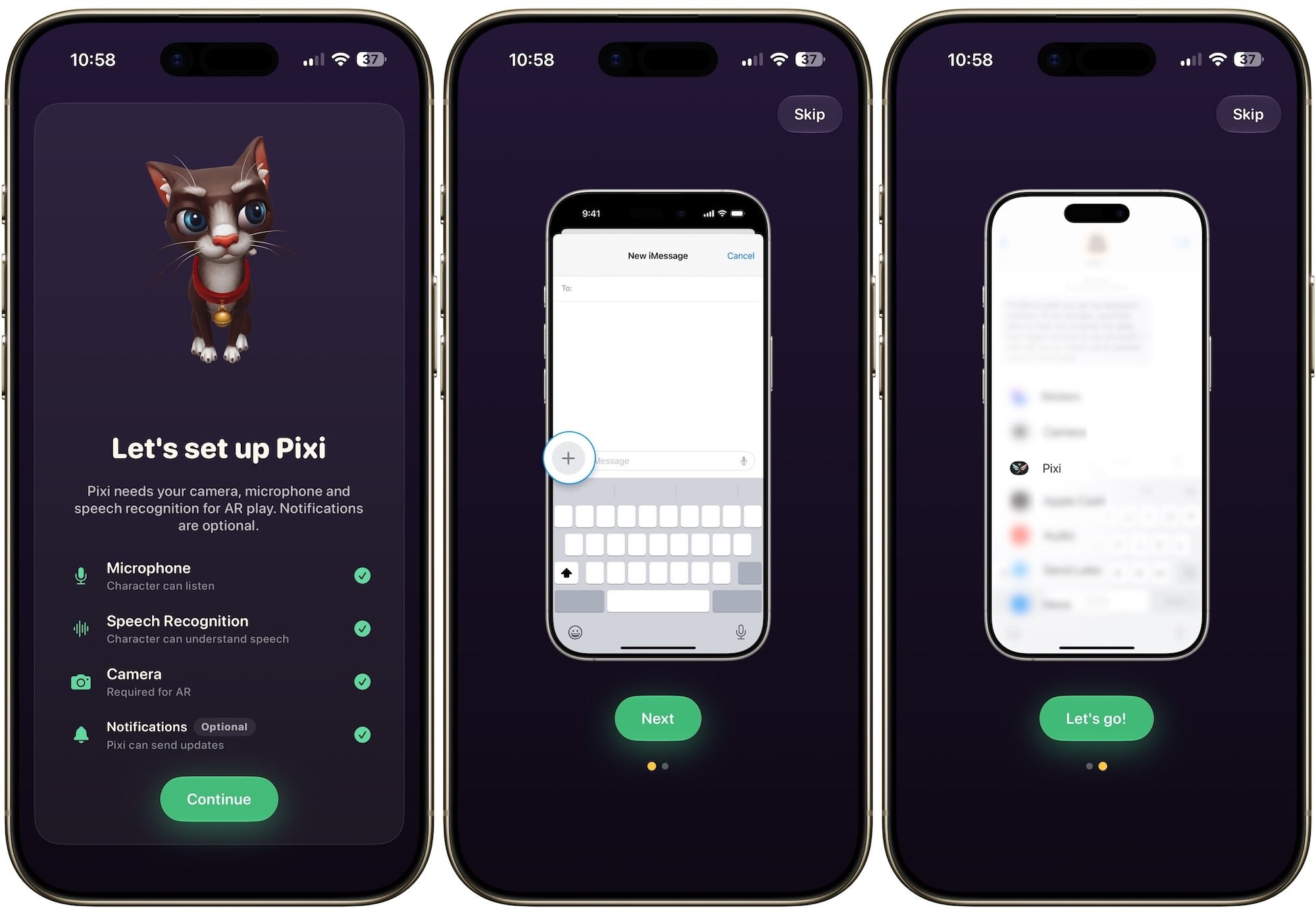
Instead, Pixi Garden is designed to work within existing messaging frameworks. By operating as a bridge, the app allows users to create their content and share it through their preferred communication channels. This "plug-and-play" philosophy is a masterstroke in user retention. It recognizes that in 2026, the battle for user attention isn’t about replacing the phone’s default messenger, but rather enhancing the experience within the apps people already trust.
Early feedback from beta testers suggests that while the setup process requires some initial calibration, the integration into native iPhone and iPad messaging environments is remarkably smooth.
Technical Hurdles and Performance Data
In our testing, the application proved to be a high-fidelity experience, though not without growing pains. The "talking envelope," while ambitious, occasionally suffered from synchronization issues between the audio track and the character’s facial animations.
Performance Metrics observed:
- Rendering Latency: Under 500ms for standard text-to-animation conversion.
- Battery Impact: Moderate; intensive use of 3D rendering in messaging can lead to a 5–8% increase in battery drain over a one-hour period.
- Compatibility: Currently exclusive to the Apple ecosystem (iOS/iPadOS), with Android development reported to be in the "early roadmap" stage.
The developers acknowledge these technical bottlenecks. As a nascent platform, the "baking in" of features—such as increased variety in character models and smoother voice-synching—is the primary focus for the coming months. The goal is to reach a level of stability where a Pixi performance feels as reliable as a standard SMS.
Official Stance and Future Roadmap
The team behind Pixi Garden maintains a vision of "hyper-expressive communication." In an official statement, the developers noted: "We believe that text is too flat for the complexity of human emotion. Pixi Garden isn’t trying to change what you say; we are changing how it is felt."
The roadmap for the next two quarters is aggressive. It includes:
- Expanded Character Customization: Allowing users to generate their own Pixi skins using generative AI.
- Cross-Platform Parity: Bringing the app to Android to match its current iOS footprint.
- API Integration: Opening the platform to third-party developers so that brands and creators can build their own "branded" Pixi agents.
Implications for the Future of Social Interaction
The rise of agentic media like Pixi Garden raises several interesting questions regarding the future of social digital interaction.

1. The Death of the "Cold" Text
We live in an age where tone is frequently misinterpreted in text. By adding a layer of 3D performance, Pixi Garden provides visual context cues that can mitigate misunderstandings. If a character looks sad while delivering a message, the recipient is less likely to interpret the text as being aggressive or sarcastic.
2. Gamification of Intimacy
By introducing games like Tic-Tac-Toe directly into the chat interface via these characters, Pixi Garden turns a conversation into a shared space. It moves messaging from a "transactional" experience—where we exchange information—to an "experiential" one, where we play and interact in real-time.
3. The Risk of Digital "Noise"
Critics argue that this could lead to "visual pollution." If every message sent is an animated performance, the cognitive load on the recipient increases. There is a fine line between an expressive enhancement and a disruptive distraction. The success of the app will depend on whether users find the characters genuinely additive or merely an annoyance that clutters the screen.

4. Privacy and Data Concerns
As with any AI-integrated app, data privacy remains a concern. The developers have stated that all animation processing happens locally on the device wherever possible, minimizing the amount of sensitive user data sent to the cloud. However, as the app scales, regulatory scrutiny regarding how these AI models are trained and how the "agentic" data is stored will likely become a point of contention.
Conclusion
Pixi Garden is a bold experiment in the future of human connection. It recognizes that we are becoming increasingly visual, performance-oriented, and tech-savvy creatures. While the app is currently in its early stages—with only a few characters and some minor technical kinks to iron out—the core promise is undeniable.
By bridging the gap between static text and interactive, agentic AI, Pixi Garden is setting the stage for a new era of messaging. Whether this becomes the new standard for how we interact or remains a niche tool for the tech-forward, one thing is certain: the way we talk to each other is about to get a whole lot more animated. As the developers continue to refine the product, it will be fascinating to see if they can maintain the balance between playful innovation and the streamlined efficiency that users demand in their daily communications. For now, the "garden" is open, and it is inviting us all to play.


 Pevita Pearce
 Lina Hope